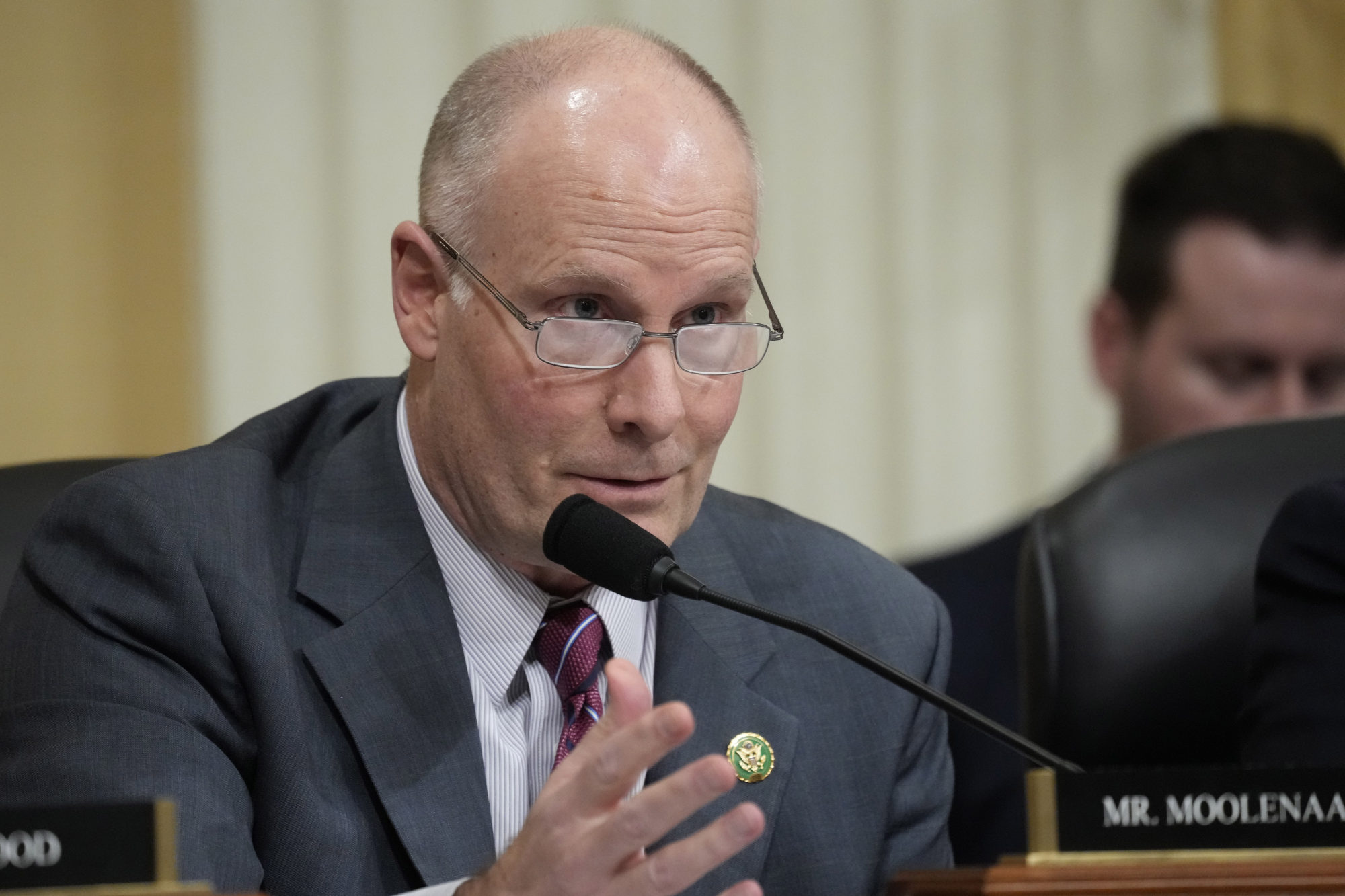
A letter to the United States defence authorities lists the Chinese Academy of Sciences, colleges, the introduction of talent to the plan and the National Defense Laboratory in the same group of research security. The author of the letter was John Mullerner, Chairman of the United States House of Representatives Ad Hoc Committee on China. Hundreds of academic institutions and projects were the subject of recommendations for further examination, but political arguments did not occur before the instruments of those laboratories: the establishment and interpretation of institutional relationships were different authorities on both sides of the ocean; It is the specific teachers, students and scientists who may lose opportunities for cooperation in the future.
Letter from the United States House of Representatives Select Committee on China, published on 14 OctoberRequest for an expanded list of institutions that study safety provisions under section 1286 of the United States Code, involving 14 institutes of the Chinese Academy of Sciences, 62 laboratories or defence laboratories,58 universities22 talent programmes, as well as the China National Fund Committee for Study Abroad and associated scholars. The Committee submits lists to the authorities responsible for defence, and the authorities ' acceptance, when and to what extent they are subject to subsequent administrative procedures.
The “58 universities” that emerged from the United States research security debate may be more powerful than a long list of laboratory names for ordinary Chinese students. Universities are not a single organization. A physics laboratory may be involved in the development of high-performance materials, and environmental pollution is being studied by the next college, while a master ' s degree is looking for summer exchange opportunities. Once the list is limited by institutional relationships, the impact on specific disciplines, projects and individuals may be completely different.
Mullernar's letter mentionedThe United States authorities concerned had previously contacted some 30 American universities to provide a reminder of their cooperation with high-risk foreign agencies. This means that the research on security reviews is no longer solely about the Chinese institutions themselves, but is being extended out through United States funding, university compliance and international cooperation contracts. The system of limiting the eligibility of one party for research grants may change the terms of cooperation without directly prohibiting students from pursuing studies.
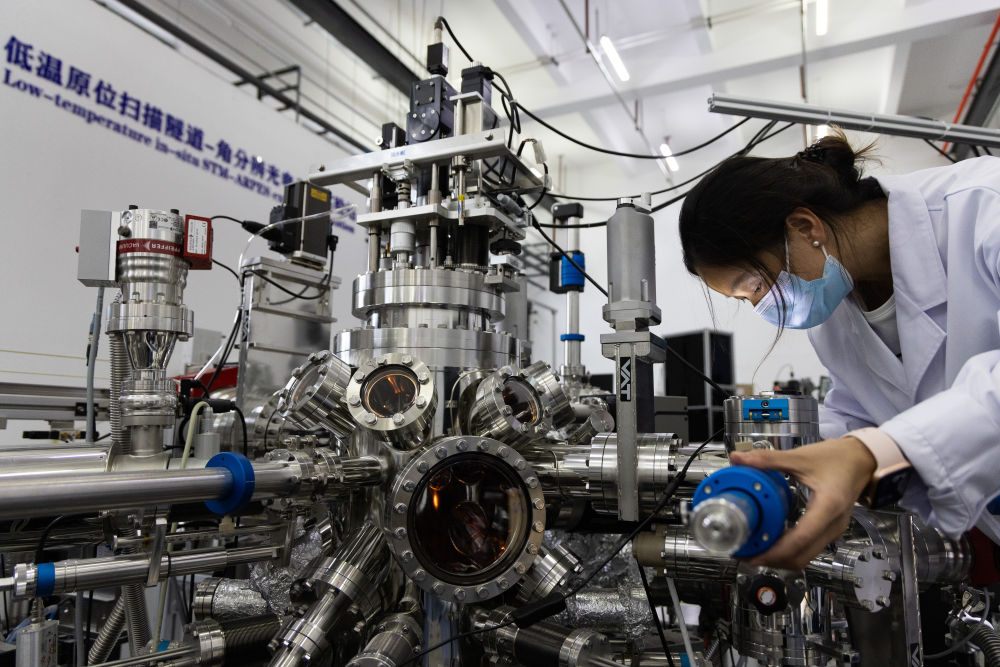
The Chinese scientific system has structures that make such a review difficult to resolve: project funding, the National Priority Laboratory, the defence industry and the Party ' s organizational system often intersect at the administrative level. Beijing has openly promoted civil-military integration and hopes to apply the innovative capacity of business and higher education institutions to national strategies. For the CPC, this integration enhances the efficiency of technology mobilization; For its international partners, it has weakened the intuitive credibility of “civilian projects are purely civilian projects”.
An open technical contract between a school and military engineering units does not imply that every teacher in the school works for the military, much less that the student group is considered to be of the same political identity. What is really legitimate is the identifiable organizational relationships, specific and sensitive research, financial and technological flows. Without these distinctions, it is not only the exchange projects that are damaged, but also young researchers who wish to move away from politics and to rely on public thesis to advance their academic careers.
This is also a specific path for the way power is organized in Beijing, which in turn affects ordinary people. (b) The demand at the highest level for scientific research to be of strategic use, the response of scientific institutions and the institutionalization of civil-military cooperation; When overseas agencies thus raise the threshold for cooperation, authors of thesis, postdoctoral, visiting scholars and laboratory technicians often do not have the authority to participate in the initial decision-making. The political advantage of unified mobilization may be translated into a non-discriminatory barrier to the path of individual employment.
Simpliciting the 1286 List as another technology and technology slogan in the US and China will leave out the most news-worthy details: who sets the standards for research safety, how the list is actually managed to get into universities, and how far a school’s connection with the military will affect ordinary teachers and students. The letter of 14 October placed hundreds of institutions and projects on the same page. It had forced Central American and American universities to recalculate the political costs of cooperation before the United States Administration took a decision.
Article discussion
Verified members can discuss this report publicly and manage their own content.
Checking member sign-in status…