
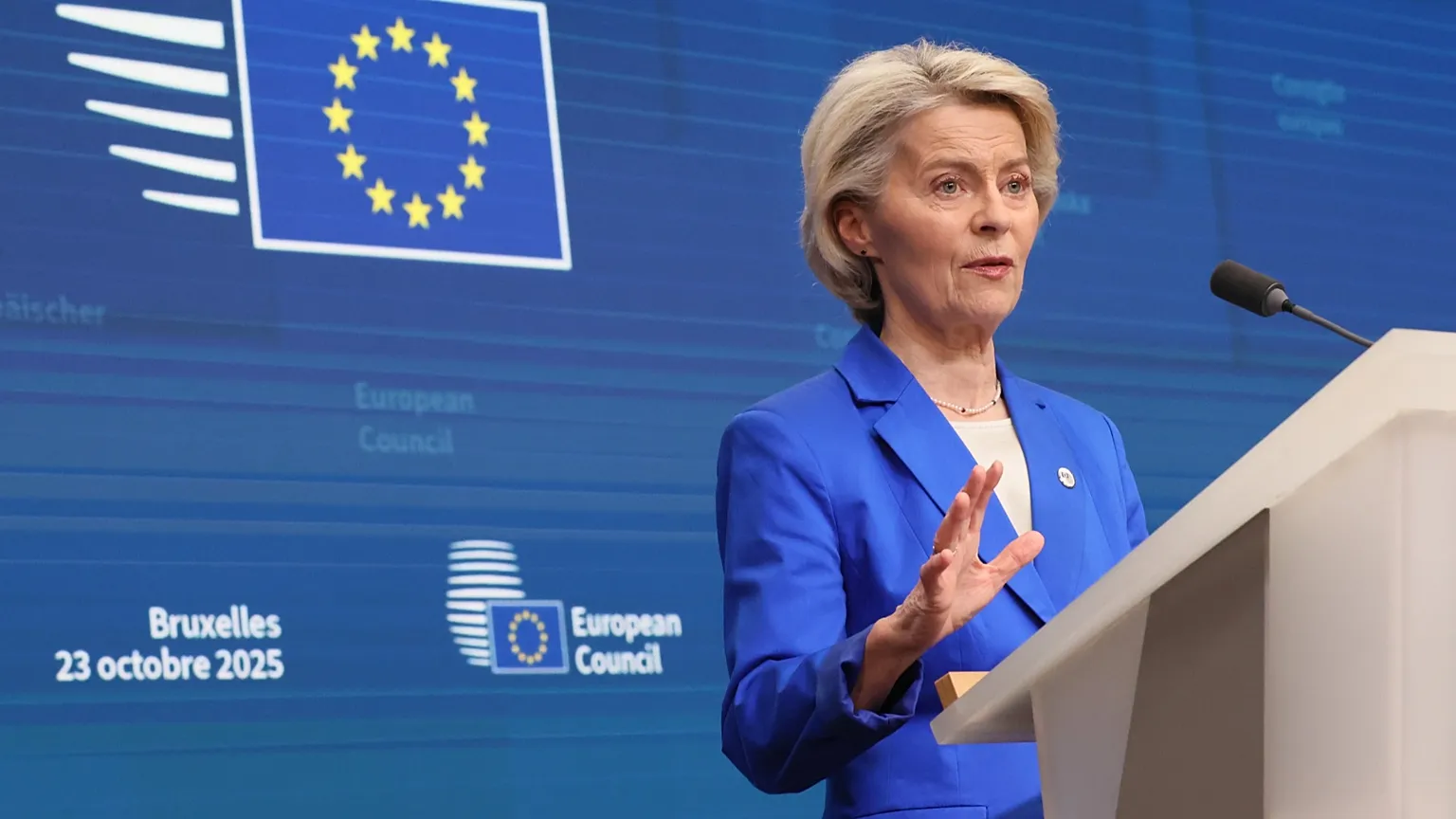
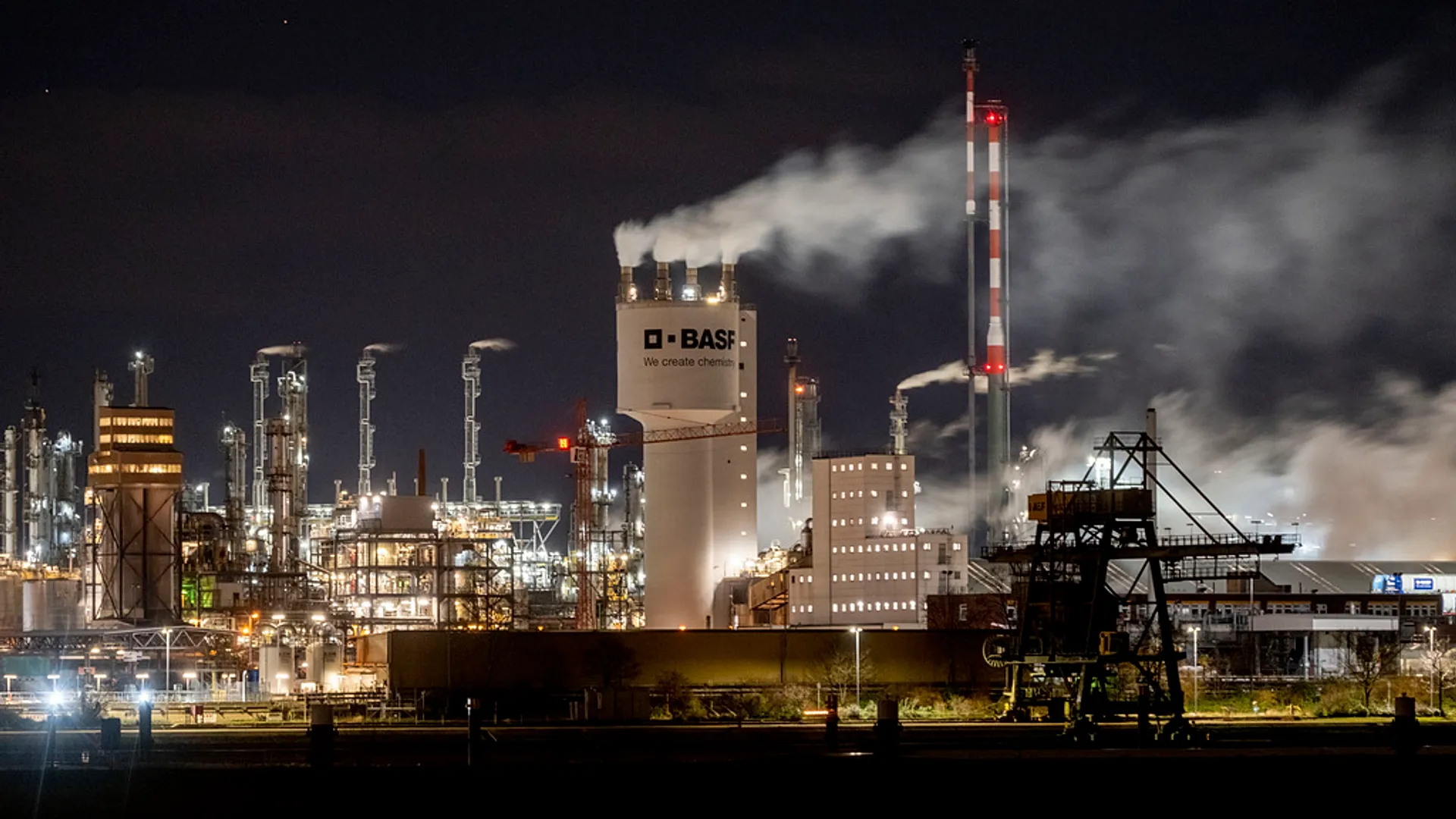
The Basif factory in Ludwig Port, Germany, still sees lights from the huge chemical pipeline and production facilities at night. The “trade imbalance against China” is addressed in European industrial policy and ultimately falls into such a plant: where the orders are going, whether the equipment is sustainable and whether workers are able to keep their jobs.16 October, President of the European Commission, von DeLeanAfter the Brussels summit, it was announced that the EU would expand its import defence measures against Chinese goods beyond hybrid vehicles. The next trade mentioned by French President Marlon included chemicals, plastics and iron alloys.
This is not a sudden discovery in Europe of cheap Chinese commodity prices. The real drivers of policy change are volume:According to Von DeLean,The EU trade deficit for goods from China has exceeded 1 billion euros per day. This size cannot be solved by a car industry agreement. Before the summit, Brussels and Beijing just spoke about China.Arrangements are made for the import of hybrid vehicles- Attempt to reduce the size of access to European markets; The parties could have packaged it as a negotiated outcome, which von der Ryne said directly at a public press conference, which was not enough to repair the structural imbalance.
Cars are only the most visible example of industrial anxiety in Europe. (b) The price and size advantages of Chinese enterprises are felt by German manufacturers in competition for new energy vehicles, batteries and supply chains; France is concerned with chemical, steel-related and industrial employment. The concerns are not identical, but...A growing common vision at the October summit•: It cannot take years to complete an isolated anti-dumping investigation for every affected industry; Europe needs tools to respond more quickly to import surges and industrial damage.
European UnionIt's not about keeping all Chinese goods out of the border overnight.I'm sorry. The existing trade defence system has investigative, evidentiary and legal procedures, and new proposals still require political consultation and formal rules. von DeLean proposed to study policy tools to accelerate restrictions on single market access, and to introduce programmes to reduce the single-source dependence of key supply chains by the end of the year, and to consider the co-sponsorship of member States that are subject to external coercion or trade retaliation. Understanding the toolbox is closer to real political change than simply declaring “European Total Banners of Chinese Products”.
Why does Germany, which has long maintained its freedom of export, not wait? Because competition in Chinese manufacturing is not just one firm that presses costs even lower. The combination of local government investment impulses, subsidy arrangements, production scale and insufficient domestic consumption may allow Chinese enterprises to continue to push production capacity abroad. European enterprises face energy prices, environmental costs and union wage systems, and the differences in competitive conditions on both sides are being translated into unemployment and fiscal pressure within Europe. In the face of this structural competition, the EU has begun to balance “market opening” with “the viability of industry”.
However, European defence measures also have costs. Higher import thresholds may increase the cost to consumers of purchasing vehicles, equipment and daily goods, and enterprises cannot survive on tariffs for good if they are not innovative. More important, trade restrictions may trigger Beijing’s counter-measures, making European companies operating in or exporting to China new political leverage. What the EU really needed was, therefore, a clear identification of unfair competition, greater local efficiency and a shared adjustment cost, rather than merely border protection as a substitute for industrial revival.
The CCP has long interpreted large industrial exports as the efficiency of the system and the rise of the State, but the ability of overseas markets to absorb capacity is not unlimited. Today, EU leaders put chemical plants, plastics and iron alloys on the negotiating table, suggesting that the resistance to China’s export model has reached out to traditional manufacturing industries beyond cars. Beijing could continue to emphasize the competitiveness of trade surpluses as well as blame European protectionism; For European workers and enterprises, the first thing they have to face is books and factories. What Brussels is hearing is not a compliment for China's clapping, but rather a knock on the door, which industry is calling for a line of defence.
Article discussion
Verified members can discuss this report publicly and manage their own content.
Checking member sign-in status…