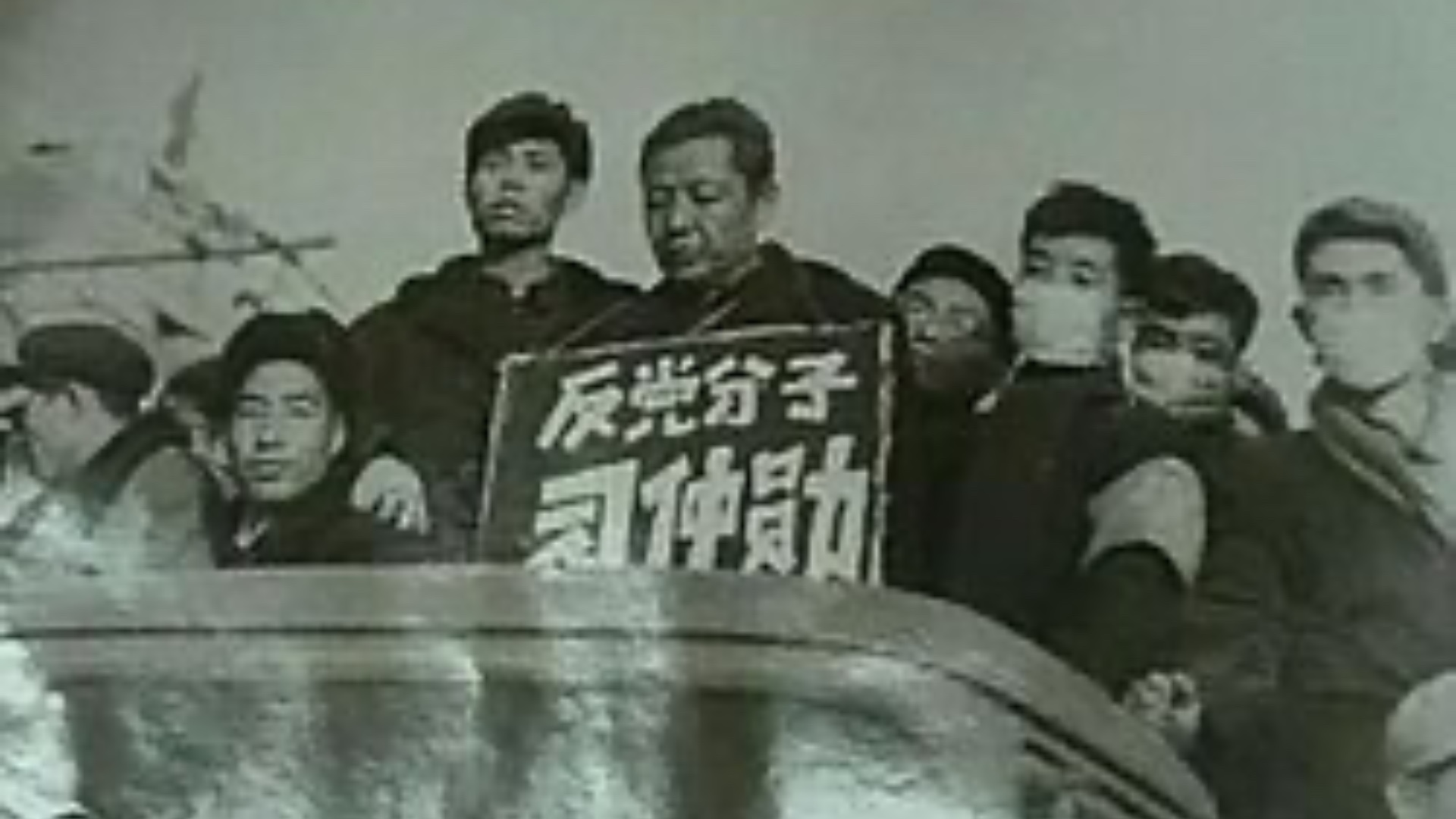
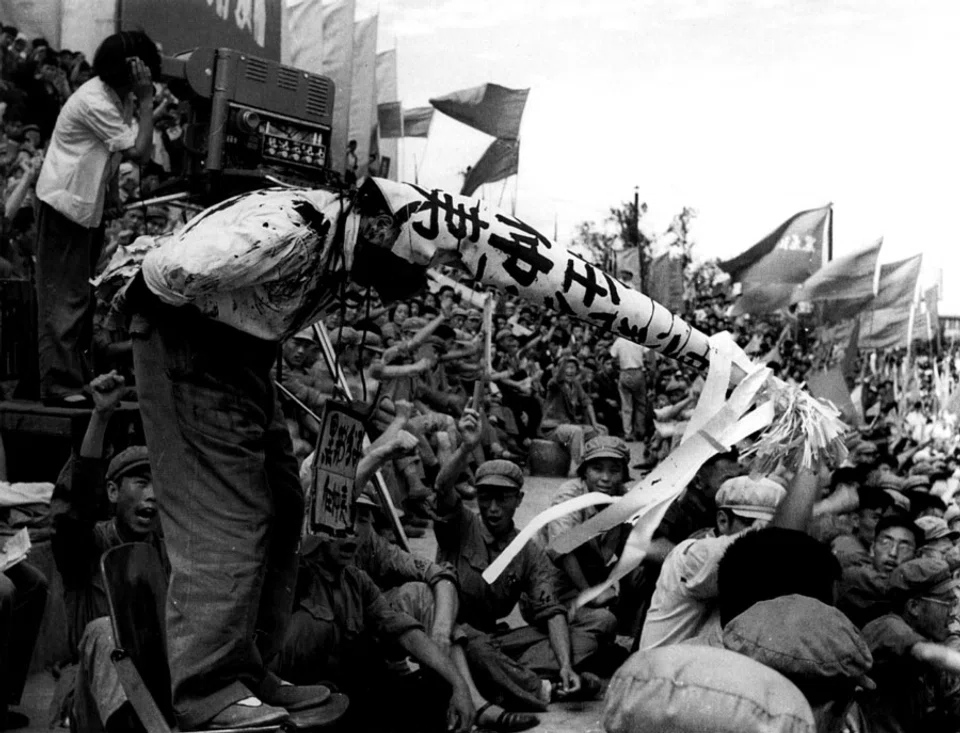
On 26 August 1966, a large-scale rally was held in Harbin Square, where Red Guards were being held.
Heilongjiang Provincial Secretary and First Secretary of Harbin City Council was also taken to the bar. He was forced to stand in a folding chair that was difficult to maintain in balance, wearing a high and humiliating hat and facing criticism from the crowd under the stage.
Red Guards bring in a bowl of ink, and they order to blacken their faces. When he had drawn ink on his face with his finger, the perpetrator was still not satisfied and threw the ink directly into his face. A man took another quill and wrote down the political slogan of the fall-out on his white shirt, then poured the rest of the ink out of his collar.
Ink flows down the back, the waist and the legs of the pants. These incredible images were recorded by Lee Jin-seung, a photojournalist at the age of 26, the daily Heilongjiang.
Sixty years later, when these photographs appear again before the public, they leave no longer only a moment in the history of an official being humiliated, but a direct evidence of how a decade-long political campaign launched by Mao Tse-tung has destroyed law, human dignity and social order.
On 30 October 2026, the X platform account number “Chen xiaohong-Chun Xiaohong” re-issued a photo and video of the history of the Chinese and Chinese film taken by Lee Jin-seung, on the registration of the bar, forced head shave, collective martial arts and political executions.
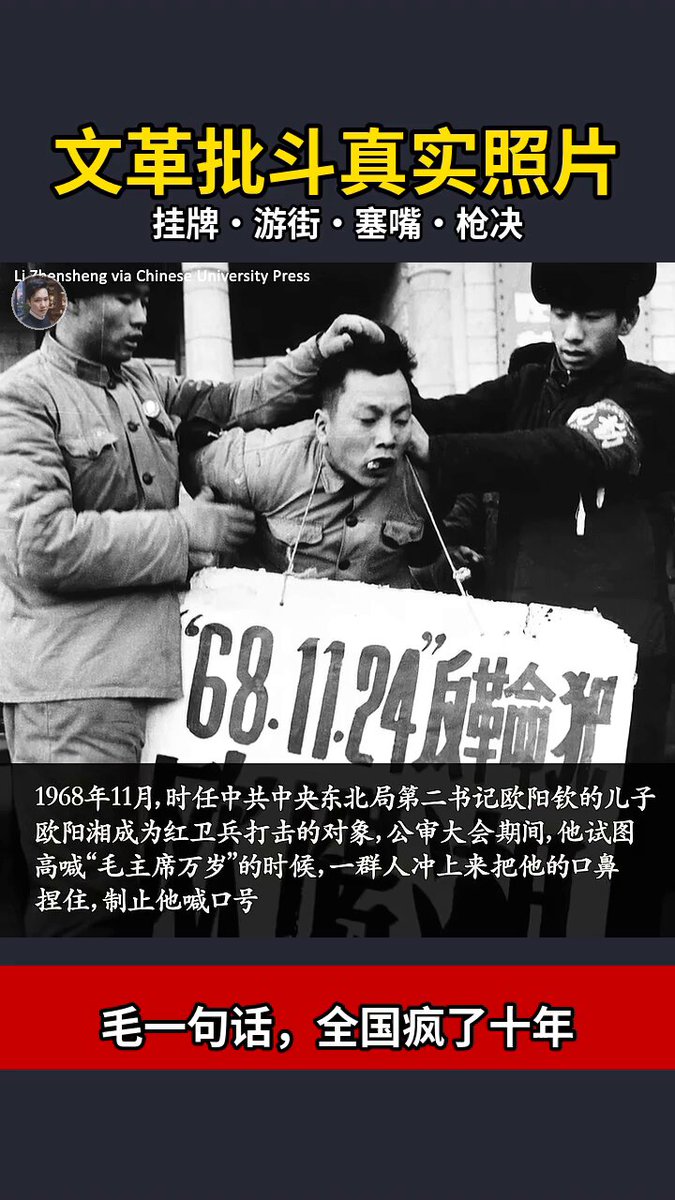
One of the photographs notes that in June 1967, various rebel organizations at Harbin College of Construction and Engineering fought around control of the school main building, damaging the teaching facilities and the plaster statues.
This corresponds to a photo of the military battle site of the Library of the Harbin Institute of Architecture and Engineering, held by Lee Jin-seung on 28 June
- The university campus, which was used for teaching and research, became a scene of violent conflict in the struggles of political parties.
The historical reality revealed by these photographs is that, following the Cultural Revolution launched in 1966, Mao became a measure of political loyalty as to whether human beings are entitled to protection. A person can be publicly humiliated for having been born, for being, for being, for being, for being, for being, for being, even because of being similar to Mao Zedong.
When the will of political leaders prevails over the law, society as a whole loses effective restraint against violence.
Provincial secretary was thrown ink and the governor shaved his head for his hairstyle
The conflict that has been raging has been a typical event in the initial period of the Cultural Revolution, when the political order in Heilong River collapsed.
In August 1966, the popular counter-insurgency campaign promoted by the Central Party of the Communist Party of China (CPC) spread rapidly, and local Red Guard organizations targeted school leaders, intellectuals and local party political leaders as targets of political struggles.
Heilongjiang Province was a leading leader at the time and worked for a long time within CCP. However, these political qualifications did not prevent him from being publicly insulted.
Standing on a chair, forced to bow, wearing a high hat and ink-painting, these acts were not subject to normal judicial procedures, there was no independent court ruling, and there was no need to prove that the person had committed any specific crime.
The aggressors could insult and violently abuse a person in the name of the revolution by declaring him an enemy of the class.
He is also the Governor of Heilongjiang province, Li Fanhu, who was persecuted at the same time as he was serving as a judge.
On 12 September 1966, Red Guards of Harbin Military Engineering College publicly shaved Lee Van Veng ' s head and cut his hair into a humiliating sun.
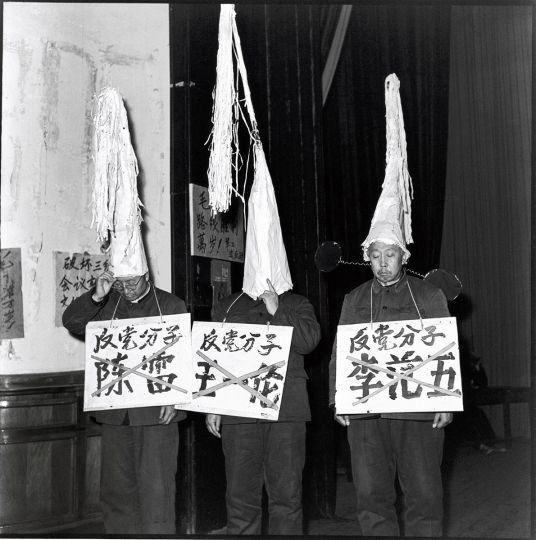
According to the later memories of the photographer, Li Jin-seung, one of the reasons why he was attacked was that his hair was considered to be similar to Mao Zedong, and the rebels therefore suspected him of political ambitions.
A governor has become the target of a brawl because of a hairstyle that could mimic the highest leaders. Behind this political myth is that any act that may be interpreted as political loyalty or political betrayal after the escalation of Mao's personal worship.
In this environment, a person ' s guilt is judged without the need for specific acts and legal grounds, depending on how the person who has the right to speak political discourse interprets his identity, appearance and speech.
The encounter with Li Fanhu also revealed the cruelty of the then-CCP’s internal power relations.
Even senior cadres who have long served the Communist regime may lose protection overnight in the political campaign launched by the highest leadership.
The protections available to ordinary teachers, workers and farmers who have no official status and no political resources in the event of violence are only more limited.
Two technicians were shot and executed for " Heading North ". The political script became the basis of the death penalty
On 5 April 1968, another more serious political persecution took place in Harbin.
原始来源 · chinadigitaltimes.net李振盛亲历:目击枪毙巫炳源、王永增chinadigitaltimes.net ↗According to Lee Jin-seung ' s subsequent public recollection, eight people were executed on the same day outside Harbin, six of them in ordinary criminal cases, and two others were identified by the authorities as the main perpetrators of anti-revolutionary groups.
The two political executions were the source of the witch and Wang Yongzheng respectively.
They were technicians at the Halbin meter plant and had a high level of education.
On 1 January 1968, the two men produced and distributed a newspaper, the Queer to the North.
In normal societies, the production of tabloids, the expression of opinions, even when political issues are involved, should be guaranteed by clear legal rules and due process of law.
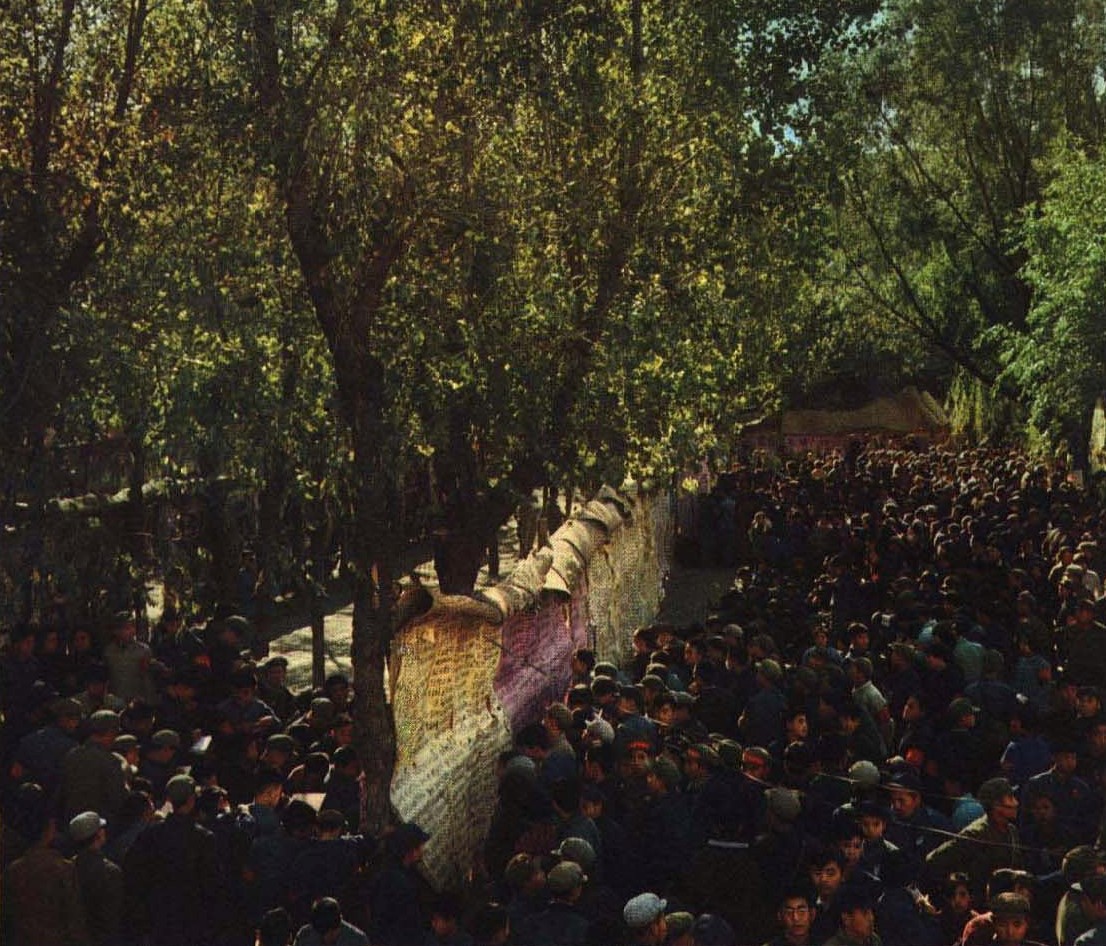
However, the political institutions concerned at the time, Heilongjiang and Harbin, interpreted the title of “to the North” as a desire for the Soviet Union, which is located in the north of China, and thus identified the two as counter-revolutionaries.
The designation of a publication was given a hostile political connotation, which ultimately served as an important basis for the prosecution of two technicians for the death penalty.
When he heard the death sentence, he complained about the dark reality of society at the time.
Lee Jin-seung documented the process leading to and following the execution, including sentencing, rendition and scenes of the execution. He later recalled that, in the face of the remains of the executed persons, he was aware that he was recording an extremely cruel history.
The key issue in this case is that the political organs can link a common term with ideological enemies and then use the State ' s criminal power to translate this interpretation into deprivation of individual life.
The words " to the north " have no natural meaning for crimes. It is interpreted as counter-revolutionary evidence reflecting the reality of the lack of effective checks and balances between political review and criminal power at the time.
In launching the Cultural Revolution, Mao has constantly emphasized class struggle, counter-repair and political-routing struggle. Local law enforcement and judicial institutions, in this political environment, view speech, culture and expression of ideas as part of their struggle against me.
The death of the source of the witch and the king could not be considered as a mere absurd interpretation of a particular publication by local cadres.
The historical background of their execution is a national movement of the highest political power to continue to expand the enemy and determine the fate of individuals with political loyalty.
When States can rely on political labels to determine whether a person has a fundamental right, public expression can move from citizen behaviour to life-threatening risk.
From the killing of teachers to the falling of writers, the violence in the country spread rapidly to society as a whole
The first victims of violence in the country were more than party officials.
On 5 August 1966, the Vice-President of the Secondary School for Women, attached to Beijing Teachers University, Zhuan Zheng Zheng, was beaten to death by Red Guards, a group of students at the school.
She was a teacher and a mother. The perpetrator of the violence she faced was a student of her own at school.
The social relationship between students beating teachers and educational institutions turning into a scene of strife was rapidly shaped by the political movement launched by Mao.
The husband of the Zhongqing, Wang Jingxiang, kept her remains, investigated her case and demanded that the perpetrators be held accountable.
Later, public information indicated that the violence of 5 August 1966 was not a general school conflict but rather the result of a political struggle in the schools against the so-called gang and bourgeois education routes.
On 23 August of the same year, the famous writer, Sheik, was beaten and beaten by Red Guards in Beijing, and died the following day in a water drop in Taiping Lake.
One teacher lost his life as a result of the school political struggle and one writer died as a result of public humiliation and political persecution. At the same time, a large number of intellectuals, ordinary workers and rural residents have been beaten, imprisoned, taken home and deprived of their basic rights.
On 24 August 1966, Lee Jin-seung also documented the process of the Harbin Ultra-Labour Temple being hit by Red Guards. The temple statues were destroyed and monks were forced to take up the barrage with slogans insulting their religious beliefs.
原始来源 · photo.sina.cn新浪影像:李振盛文革生活历史照片与1967年武斗现场photo.sina.cn ↗These acts involve different groups of victims, but the underlying political logic is highly consistent.
Mao, through the Cultural Revolution, has pushed class struggles into all spheres of society, and anyone may be asked to speak, denounce, denounce and be accused of being attacked, while those who are attacked lose their normal channels of defence and relief.
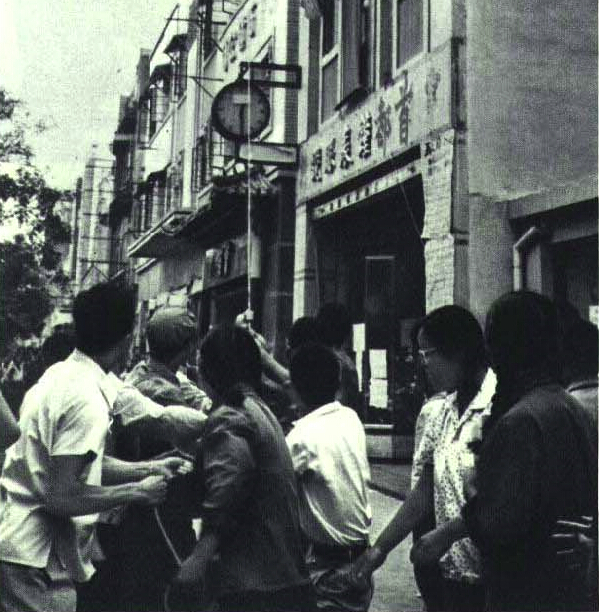
(b) Political movements entered schools and the relationship between teachers and students was disrupted; Access to authorities, cross-reporting between colleagues; (a) Entering the family, where relatives may be forced to draw a line from the accused; Access to religious sites and the practice of faith are used as a feudal ideology.
These consequences are closely related to the manner in which Mao advocated personal worship, political mobilization and the growing struggle of class enemies.
How Mao Zedong led the country to political violence
On 16 May 1966, the CCP Central Political Bureau was extended to adopt the 516 Circular, which brought the Cultural Revolution to a full-scale launching phase.
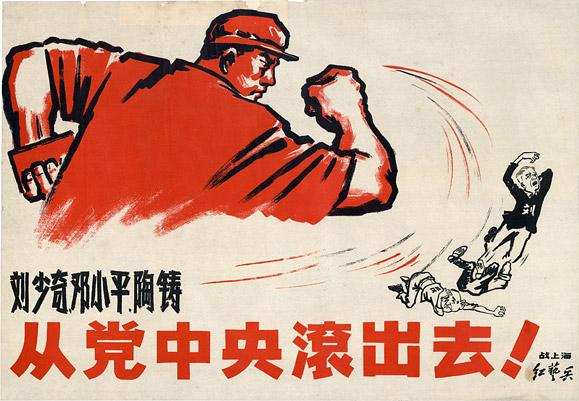
In August of the same year, the Eighth General Assembly of the Chinese Congress adopted the Decision on the Cultural Revolution of the Proletarian Class, which further shaped the direction of the popular political movement.
The core political judgement of Mao is that there are in power within the party and State institutions the so-called capitalist path, and that it is up to the masses to expose and regain power.
This judgement had a direct impact in the political context at the time: the normal system of State administration was constantly under attack, the previous system of management of cadres was destabilized, opposition organizations were fighting for political legitimacy and violent and violent fighting was spreading.
Mao, as the supreme leader of the Communist Party, is protected by a high degree of personal worship.
Local organizations can criticize the heads of provincial, municipal, school and work offices, but it is difficult to question publicly whether the political movement itself is justified and to hold the top leaders of the campaign publicly accountable.
This power structure has had extremely dangerous results.
Each political faction may claim its greatest loyalty to Mao and then declare others enemies. The perpetrators of violence compete for power through slogans loyal to the Supreme Leader, while victims cannot access a truly independent judiciary to be protected.
Violence is thus not only not being stopped in time, but rather becoming an instrument of revolutionary positions in political competition.
The Lee Jin-seung Post-Waat Library of Harbin Institute of Architecture and Engineering, which was photographed on 28 June 1967, is a visual record of the process.
Books, tables and chairs, teaching facilities and statues were destroyed in the context of the conflict between political factions. The university no longer centres on teaching and research, but instead becomes a forum for political control.
By 1968-1971, the main form of political cleansing had changed.
According to Andrew G. Word, a sociologist at Stanford University, USA, Walder, a researcher of local Chinese blogs and historical data, says that the violence in the country is not focused primarily on the early student Red Guard movement. Organized repression in the process of re-establishing local political order has resulted in a high number of deaths and persecutions.
Walder, based on more than 2,000 local blogs and other investigative materials, estimates that between 1966 and 1971, between 1.1 million and 1.6 million people died and that between 22 and 30 million people were subjected to different forms of political persecution.
原始来源 · sociology.stanford.edu斯坦福大学沃尔德文革死亡与政治迫害研究sociology.stanford.edu ↗This study covers a specific period and cannot be mechanically used as the total number of final deaths of the cultural revolution from 1966 to
- But it has made it clear that the casualties caused by the Angwe were not sporadic clashes in a few places, but a political catastrophe of a national scale.
Even the Chinese Communist Party's own historical resolutions recognize Mao's primary responsibility
On 27 June 1981, the 11th General Assembly of the Chinese Congress adopted the Resolution on Certain Historical Issues of the Party since its founding.
原始来源 · 12371.cn1981年中共中央历史决议全文:文革由毛泽东发动领导12371.cn ↗While the resolution continues to preserve the overall political status of the Maoists, it has had to make a serious negative assessment of the cultural revolution.
The resolution explicitly recognizes that the Cultural Revolution, initiated and led by Mao, has caused the worst setbacks and losses to the party, the State and the people since its establishment, and recognizes that Mao has the primary responsibility for this.
This official document is of historic importance.
It explains that the prosecution of Mao for his political responsibilities and his political actions is not based solely on criticism from overseas media or political opponents. The Chinese Communist Party's own official historical documents also confirmed Mao's direct responsibility for leadership in the disaster.
However, the 1981 resolution, at the same time, separated the overall political status of Mao from the responsibilities of the Government, and continued to maintain its central position in the CCP narrative.
This approach leaves behind a historical contradiction that has not disappeared to date.
When a political party has officially acknowledged that the political movement of the highest leaders has caused a major social catastrophe, there is still a need to preserve his political authority and symbolic status, and to what extent can the public independently ask the victims about their experiences, their specific responsibilities and historical reparations?
The subsequent political rehabilitation or reinstatement of the survivors, such as Reconnaissance, Lee Fan Vu, cannot make the humiliation they have endured disappear.
The end of political movements has made it impossible to regain their lives for the Zen Jun, the Old House, the source of the witch's murder, Wang Yong-ging and countless other dead.
The end of the Cultural Revolution in 1976 did not mean that all individual cases had been brought to account or that all victims and their families had been fully explained.
Photos hidden under the floor, why is it more historic than the official report of the year
The Li Jin-seung experience reveals another easily neglected issue of the era of the Angular Revolution: how the media became part of political propaganda.
He was working for the Heilong River Daily. In accordance with the political propaganda of the newspaper, praises for Mao Zedong, praises for the popular revolution and photographs of what is called a great situation of sport can be made public.
Photographs of the destruction of the nameplate, the barrage, the street, the house raid, the destruction of religious sites and the political execution are regarded as negative material that cannot be publicly published.
This means that even the daily coverage of the cultural revolution in official newspapers does not necessarily reflect the real violence and persecution to which the public is exposed.
As a journalist, Lee Jin-seung both takes photos that can be published and keeps those that are not allowed to appear.
原始来源 · deck.sg李振盛2016年采访:历史照片与政治宣传及摆拍deck.sg ↗In 1968, he began to transfer some sensitive negatives to his home, hiding under the floor, to avoid being taken away and destroyed during political screening and house raids.
He was later politically accused of his own crimes.
It was not until many years after the end of the Angkang era that the photographs were gradually made public through film exhibitions, interviews and photo collections.
原始来源 · scmp.com南华早报:李振盛文革影像出版及中国审查困境scmp.com ↗The unique historical value of the images left behind by Lee Jin-seung lies in their recording of another aspect of the political propaganda that was deliberately excluded from the year.
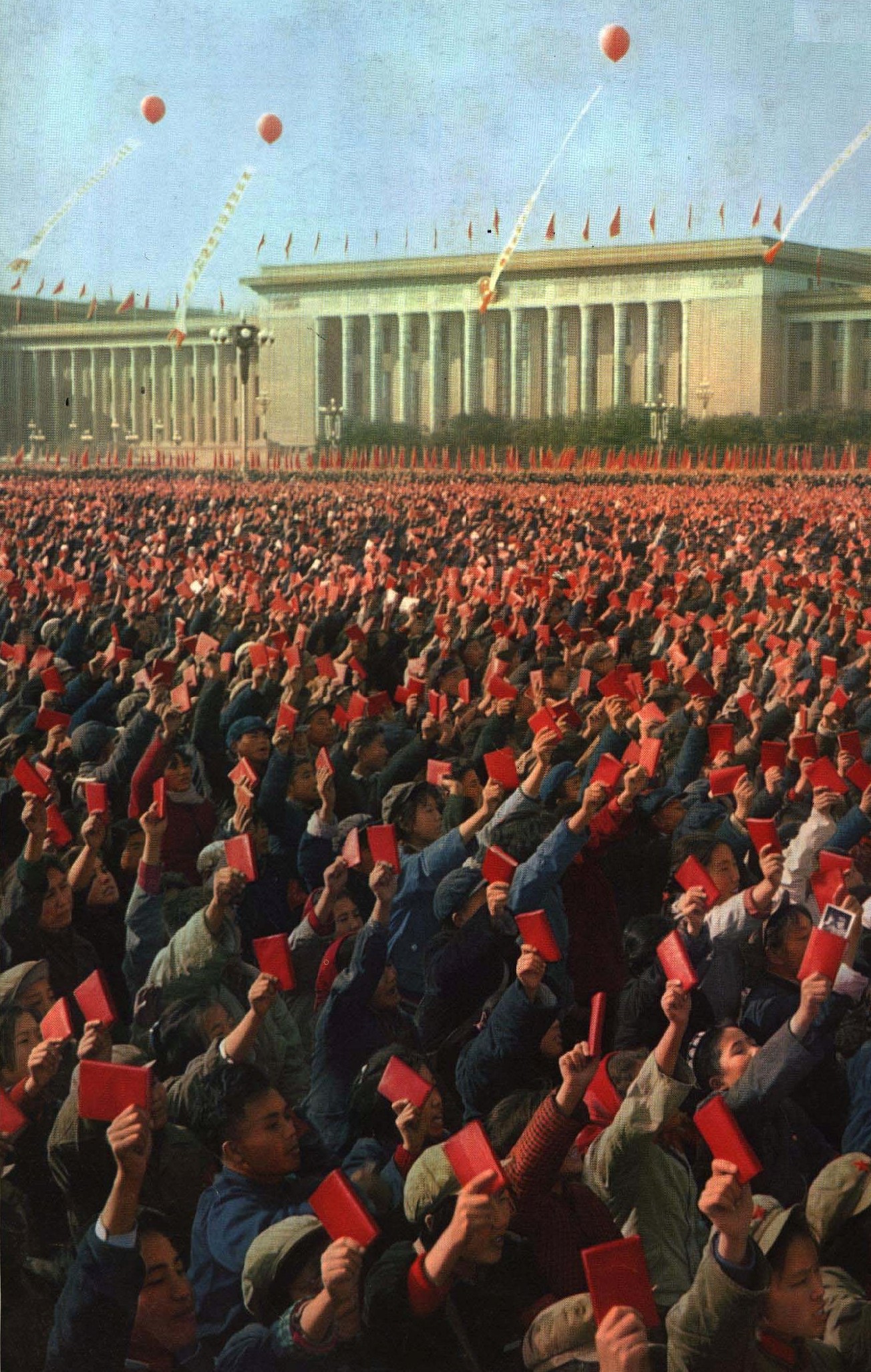
Without these photographs, it may be possible to see only mass gatherings, red flags, banners and crowd cheers, but it is difficult to see victims standing on stage and being forced to bow, ink on their faces, destroyed temples and ordinary people being taken to the scene of torture.
Political propaganda can determine which photographs were available for publication at the time, but it cannot permanently remove historical facts that were recorded in the photographs.
Today, 60 years after Mao launched the Cultural Revolution, the historical photos taken by Lee Jin-seung are again being disseminated by social media outlets overseas.
Images that once needed to be hidden under the floor for preservation were re-establishing as important information for the public to understand the disaster.
原始来源 · voachinese.com美国之音2016年李振盛专访《红色新闻兵》voachinese.com ↗But the significance of record-keeping cannot stop the madness of the year.
It should be continually asked why, in China from 1966 to 1976, a political movement launched by the highest political leaders had allowed the law and social order of the country to be permanently out of control.
Why can cadres in a place be publicly insulted after they have been declared enemies of class? Why can two technicians make a tabloid that can be interpreted as a serious crime and sentenced to death by political authorities? Why are teachers, writers, monks and ordinary residents not effectively protected from political violence?
None of these questions can be answered by circumventing Mao's political responsibility as the main sponsor and leader of the Cultural Revolution, nor by the then-CCP organizational mobilization, judicial obedience and advocacy control.
When a country places the political will of the highest leaders above the law, life and personal dignity, political loyalty becomes the guardian of the aggressor, while the basic rights of ordinary people are at any time deprived.
The warning left by the re-transmitted old-fashioned photo of 2026 is precisely why this history must be fully documented, discussed and pursued.
Those who have died are no longer able to defend themselves, and photographs, archives, testimonies and independent research still allow their experiences to enter public memory.
History should not leave behind only the pictures and slogans of political leaders, but also ordinary Chinese who are hurt, humiliated and taken lives by the movements they launch.
Historical information and video records
Central Party of the Chinese Communist Party, 1981 Resolution on Selected Historical Issues of the Party since its Establishment: “This `Cultural Revolution' was initiated and led by Comrade Mao. This official history concludes that together with the victim's photographs and testimony, it constitutes a publicly verifiable record of liability.
Focused evidence and ongoing tracking
- Photographic original: Photo taken by Lee Jin-seung at the 1966 Harbin Barracks and 1967 High School martial arts competition, with a photo perspective and original drawings.
- Case-by-case evidence: The concrete experiences of Imbuchi, Li Fan-e-Vu, Zhuang-e-e, the house of the Zhu, the source of the witch-killing, Wang Yong-ging and others during the period of the Cultural Revolution. -Official documents: The 516 Circular, the 1966 Decision on the Cultural Revolution of the Proletarian Class and the 1981 Historical Resolution. - Independent study: The estimate of the scale of death and political persecution from 1966 to 1971 by Wolfe, Stanford University.
Article discussion
Verified members can discuss this report publicly and manage their own content.
Checking member sign-in status…