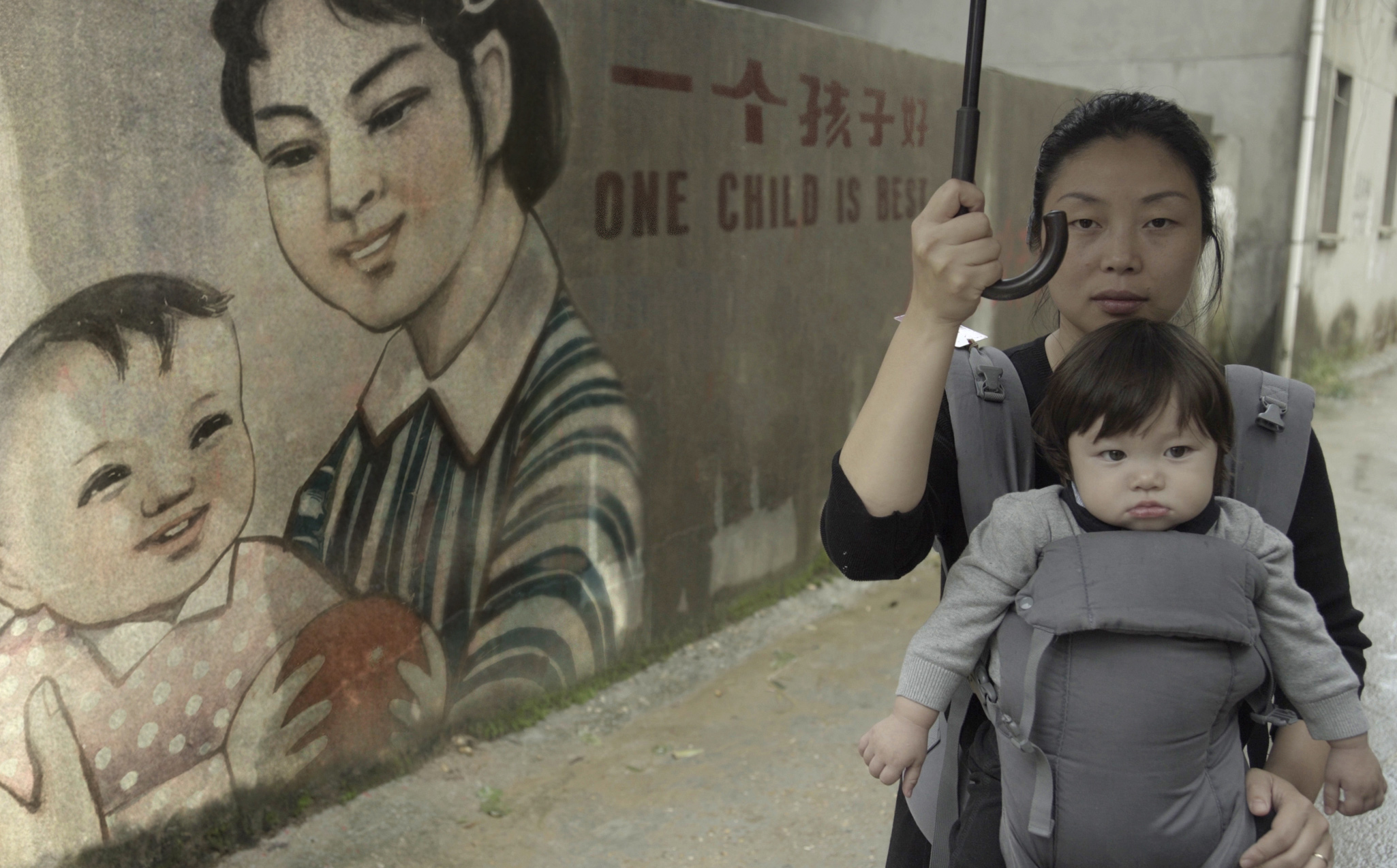
A family planning worker, who had been recognized by the Communist Party of China, had faced a camera and told about his involvement in forced labour. She recalled that some pregnant women were eight or nine months pregnant and that the child was about to be born and was still being asked to terminate the pregnancy. In the face of the cries, resistance and psychological breakdown of the pregnant woman, the former pediatric cadre eventually interpreted his behaviour with the words “national interest” and “population war”.
This interview, which was carried out many years ago, has been disseminated in social media overseas again in recent days. Around 30 October, the X platform account number “Quuy ao Mo” (@MoQuuyao201314) transmitted the video and criticized the Communist Party for turning grass-roots elements into persecutors of pregnant women through political orders.
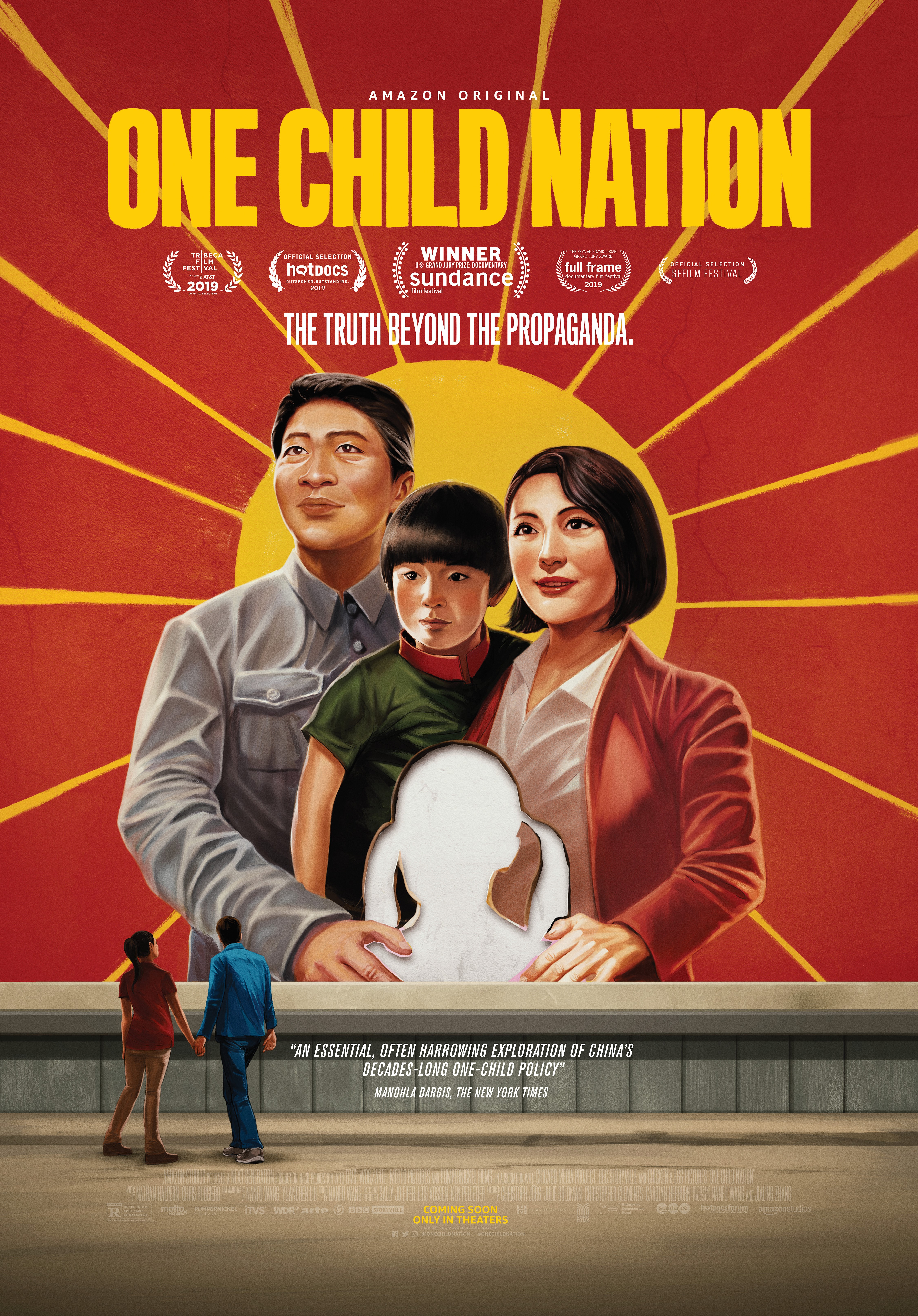
The survey found that the image was not a new event in 2026 and that its core elements can be traced back to the documentary One Child Nation, which was launched in
- The film, jointly led by Wang Yuen and Zhang Ka Ling, records the forced sterilization, forced inducing, abandoned and taken away from the child during the implementation of the policy of the only child in China. The presentation of the PBS on the United States public television network clearly documented the admission by a highly recognized family planning official that he had been involved in the capture of pregnant women who had resisted and forced them to undergo pregnancy termination surgery. Even after many years, she insisted that the policy of that year was correct.
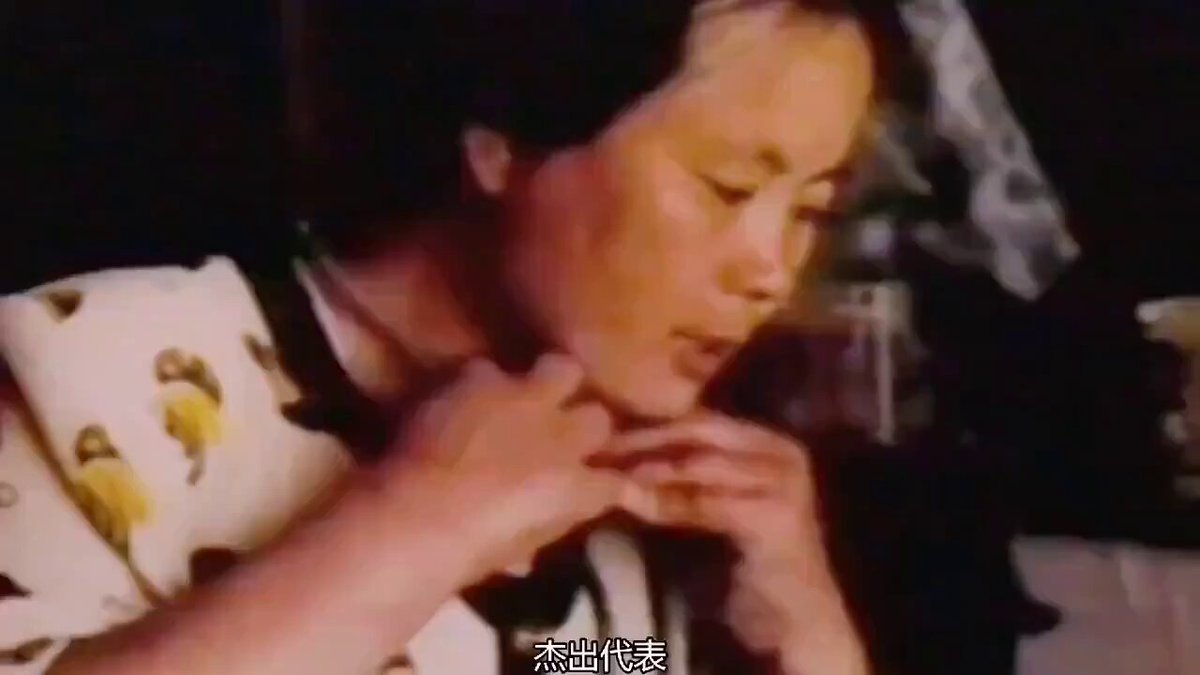
The most shocking aspect of the interview was that the clear memory of those scenes of violence existed alongside her insistence on policy legitimacy. She knew that pregnant women had resisted, that some of them had suffered serious injuries as a result, and that she had acknowledged that forced abortion was an outrage, but had nonetheless attributed personal conduct to the so-called national interest on the grounds of compliance with party orders.
This reveals a long-standing contradiction in the CCP family planning policy that has been masked by official propaganda: When a person ' s life is in conflict with the political targets set by the CCP, why is the physical autonomy of the pregnant woman, the right to decide on the family ' s birth and the dignity of life, and why is it possible to be arbitrarily deprived of power at the grass-roots level?
Kang Soo-jin: from the top of the country's family to the first-born children of forced birth
Further search leads to clear leads on the identity of the interviewees in the video. She is the family planning assistant in the former village of Kaoshan, in the Hashida Autonomous District of Fenginang, Hebei Province.
This status is not only available in the official role of the actor in The One Country, but also in the commentary to the documentary by Hyperalergic, the United States cultural media, on 8 August
- The report clearly indicates that Kang Soo-jin was involved in a large number of forced sterilizations and terminations of pregnancy and insisted in interviews that the practice of the year was necessary.
Kang Soo-jin was a prominent and leading figure in the CCP family planning field. On 17 February 1997, the Daily People’s Journal published “Showing To the Mountain All Love”, which describes her life-planning experience in the Hebei Mountains and shapes it as a model of grass-roots solidarity for women and children and a popular place for the village. The report describes her work as a family planning worker from the age of 18, and her first honour as a national family planning advance worker, and as a model for labour in Hebei Province.
In September of the same year, she was also featured in the Daily People ' s Journal as the 15-largest representative of the Chinese Communist Party. In 1998, official publicity continued on the achievements of its work and the decision of the National Commission on Family Planning in 1997 to call on the national family planning sector to study with her. In 2008, she also received the Yan Zhao Population Award from Hebei Province.
These historical records prove that Kang Soo-jin is not an ordinary implementer in the CCP family planning system. She has long been set up as a model for policy implementation, and the political honour she has gained is closely linked to her achievements in achieving family planning goals at the grass-roots level.
However, when the film crew of The One Country interviewed the former top-level worker, the footage was no longer a warm story in the official newspapers.
Kang Soo-jin spoke of pregnant women who were eight or nine months pregnant and still had induced childbirth. Some of the fetuses are also subject to life signs when they are induced to produce. In order to implement the policy, the birth attendants pursue pregnant women who try to escape; Some struggled in despair, others cried and shouted and others suffered from severe mental disorders.
She also spoke of her own youth ' s resistance to such practices and even her desire to leave her family planning work. However, she is required to continue to be held accountable by the superiors for their national policy and for the Communist Party. She finally accepted such an interpretation and understood her participation with sacrifice in war.
Her account reveals a harsh fact: pregnant women who were forcibly taken away have gradually lost their rights as independent citizens in the eyes of their pedagogues. The number of months of pregnancy, the willingness to undergo surgery and the survival of children in the womb may give way to the goal of birth control in the administration.
Political obedience has replaced the most basic bioethics of life when a person who knows that a pregnant woman is resisting, still interprets forced abortion as a national task.
Old People's Daily coverage of the conflict with the personal history of the person
The search of the historical data on Kang Soo-jin revealed a more obvious body of evidence.
On 17 June 1997, the 3rd edition of the People ' s Daily newspaper published a newspaper, Ho Wei, dedicated to the birth planning of Kang Soo-hyung, and declared that there had never been a coercive approach, family planning disputes or related visits.
On 14 September 1997, the Daily People’s Journal repeated this statement in the 15 major Chinese press articles.
The daily People's Journal, “A flag on the mountain of Quake”, of 17 June 1997, stated: “There has never been a forced order for family planning in the village of Quake, no case of a visit has been reported and no family planning dispute has occurred. The blogger adds:
The two stories, on the one hand, emphasize that the Quake Hills Plan has reached 100 per cent fertility for 10 consecutive years, and on the other hand, attribute this achievement to the patient and popular work of Kang Soo-jin.
However, in a documentary film in 2019, Kang Soo-hyun publicly described the experience of catching up with pregnant women, forced abortion and the resulting severe mental harm to women.
There is an inescapable factual conflict between the two accounts.
The old reports emphasize that there is no coercion, but the new images record the perpetrators ' memories of the acts of coercion. Although the recollections in the documentary do not yet determine the location and date of each forced birth, the individual ' s description of the coercive measures is sufficient to seriously question the official propaganda of the year, which was not independently investigated.
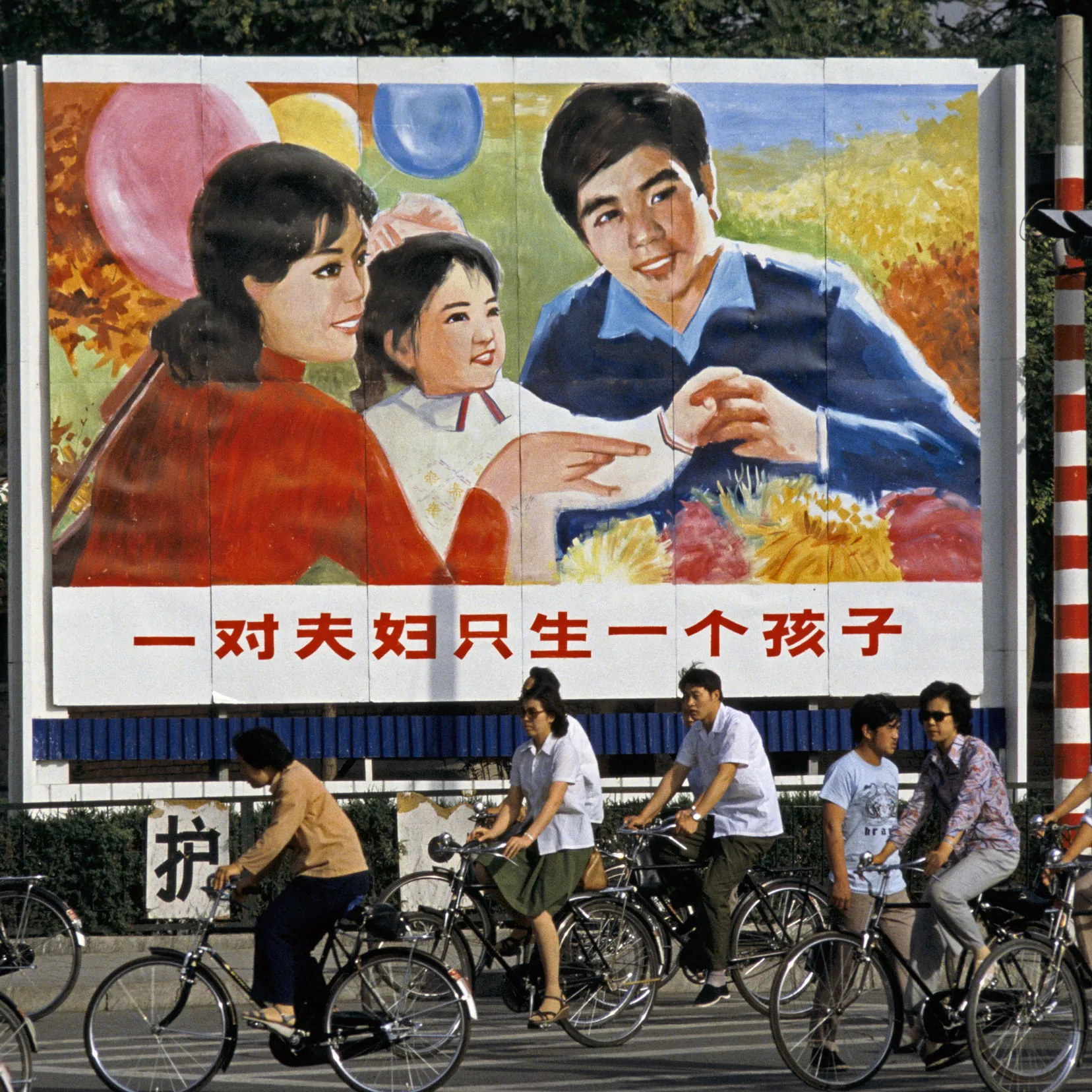
Why can the Daily People's newspaper claim that there was no coercion? Have journalists been in contact with women who have undergone birth control? Did the population assessment data submitted by local governments to their superiors really record the nature of each operation and the wishes of the client?
These issues are not merely historical arguments.
The Party has created a political honour through the Party newspaper for family planning achievements and has promoted recognized practitioners as subjects of national learning. The impact of advocacy goes far beyond a township.
On 12 October 1998, the Daily People’s Journal also revealed that Kang Soo-jin had performed thousands of birth control operations in the area. The number includes the types of surgery, whether it involves forced abortion, and whether the relevant medical records are kept, all of which relates to the extent to which this history can be restored.
This record, which was officially announced, is now an important historical clue to the specific responsibility.
From central population indicators to grass-roots violence: who created conditions for enforcement?
Kang Soo-jin ' s experience cannot be explained only from a personal moral point of view.
In the 1980s and 1990s, the Communist Party of China (CPP) closely linked population control to political appraisals, promotions of cadres and administrative awards and penalties in local governments. On 12 May 1991, the Central and State Council of the Communist Party issued a Decision on the Strengthening of Family Planning in Strict Control of Population Growth, which calls on the principal leaders of the Party Committees at all levels to take personal responsibility and includes the completion of the population plan as an important indicator of the performance of the cadres.
In 1995, the CPC further emphasized the need for organizational and personnel departments to incorporate the family planning and school-age programmes into the leadership appraisals and to establish a system of incentives and penalties. The “one-vote” mechanism for family planning places direct political pressure on local cadres.
Thus, a public policy on the reproductive rights of citizens was incorporated into a hierarchical, hierarchical political management structure.
Local leaders are required to meet the targets, grass-roots family planning staff are responsible for their implementation, medical institutions are required to perform operations and the information department is responsible for reporting on results.
If a family ' s decision to give birth conflicts with an administrative plan, the ease of access to administrative power may be used to check pregnancy, restrict movement, impose financial penalties and even force termination of pregnancy.
Such power relations often make it difficult for the women who are victims to refuse them.
The superior instructions referred to by Kang Soo-hyun in the interview just showed how this political pressure was passed on to the executive. She had realized that violence could harm others, but she was eventually involved in the superiors who demanded that she obey party policies.
If a regime can ask cadres to honour pregnant women for political indicators, and for their work results, then it is clear that responsibility cannot be left entirely to the grass-roots implementers.
The leadership body of the Party, which develops policies, establishes incentives and sanctions mechanisms, gives mandates and organizes publicity, is equally subject to a review of historical responsibilities.
This explains why some family planning cadres continue to call their jobs a population war, knowing that the person concerned has suffered greatly. For them, superior targets have become the criterion for correct or incorrect behaviour. The crying and resisting of pregnant women are considered to be implementation difficulties that must be overcome.
More notably, the way in which practitioners are recognized may be seen as a success story. The political environment, which is co-produced by central decisions, local implementation and official propaganda, has made it possible to perpetuate similar violations.
The von Jianmei incident: forced infernal production did not end with the times
If Kang Soo-sook ' s experience is understood as a specific phenomenon in a particular period of the last century, another important piece of evidence is provided by the forced infernal inducement of Shaanxi Feng Jianmei in 2012.
On 2 June 2012, Feng Jianmei, of Zenghian Town, Ankang Township, Shaanxi Province, was seven months pregnant. Due to the lack of compliance with the then-child birth policy, local staff took her to hospital to enforce forced labour.
According to the Financial Newsweek survey of the year, Feng Jianmei indicated that he had been forced to give birth because he was unable to pay $40,000, that he had been beaten on his way to hospital and that the handprints on the consent to surgery had been pressed.
After the incident, the Ankang Municipality finally found that this was a violation of responsibility for the forced commission of the month of maturation. The deputy governor of the town of Jinping County, who was assigned to the family planning service, was subjected to severe administrative sanctions, including dismissal or other disciplinary measures by the head of the district family planning department, Jiang Nanghai, and the mayor of the town of Zheng Jiang.
However, forced inducing still occurs from the time of Kang Soo-jin ' s involvement in family planning to the time of Feng Jianmei ' s incident in 2012.
This history shows that even if the central Government publicly declares its opposition to forced termination of pregnancy, the risk of abuse will not really disappear as long as the grass-roots administration can still interfere with women ' s reproductive decisions.
An ordinary woman, once called a state-of-the-art family planning cadre, and a woman who was forced to give birth seven months after pregnancy, reveals how the same political power enters the most private family life of citizens, from the perspective of the implementer and the victim, respectively.
Xi Jinping-era policy shift, who is responsible for the loss of past lives?
Today, China ' s population policy has undergone a fundamental change.
With the end of the one-child policy and the subsequent adoption of the two-child and three-child policies, the Communist Party authorities have begun to make the promotion of maternity a key policy objective of the national population.
In 2025, the Central Office of the Communist Party and the Office of the State Council issued the Programme for the Implementation of the Childcare Allowance System, which provides for the payment of child-care benefits to children under three weeks of age who are eligible for it, in accordance with the national basic standard of $3,600 per child per year.
Data published by the National Statistics Institute in 2026 show that China had a population of 7.92 million born in 2025, a decrease of 3.3.9 million in the population throughout the year.
The regime that had restricted fertility through administrative examinations has now begun to encourage childbirth through financial subsidies.
The policy direction has changed, but a more fundamental question remains: why does a citizen have to submit to the political arrangements of the ruling party for a long time to have children, when and how many children?
In the past, the authorities had feared that the population would increase too rapidly, so that the birth restrictions would become a State policy and be managed through a large grass-roots organization. Today, in the face of a decline in the population, the Government has begun to encourage families to increase their fertility.
The demographic changes would certainly require a public policy response, and the Government had a responsibility to provide childcare support to families. However, no population policy can justify the violation of personal freedom and reproductive autonomy.
In particular, the shift in fertility policy during Xi ' s regime cannot offset the historical harm caused by previous forced family planning. Women who lost their children, families who were forcibly sterilized and those who were punished for resisting the birth control measures would not automatically be given justice because the Government was now beginning to grant child-care benefits.
The same is important for the Chinese Communist Party regime under Xi Jinping to see this history, and to see if it truly respects the rights of citizens.
The testimony of Kang Soo-jin himself in the documentary film of 2019 created a cleavage in the official image of the Communist Party of the latest family figures. The achievements of past efforts as a matter of political propagating need to be re-examined in the context of a specific history of human rights violations.
This image reveals a far greater personal experience than that of a family planning cadre.
It touches on a deep-seated issue of the Communist Party ' s authoritarian politics: When party organizations place their policies above the fundamental rights of individuals and regard compliance with orders as the highest political discipline, ordinary people may be victims of the will of power and the enforcers may be honoured for their mission.
From forced childbirth to maternity allowance, the CCP population policy has undergone several shifts. However, whether it is the past that demands little or today that encourages many, the population figures are, above all, a life with independent dignity.
The political honour of Kang Soo-hyun was officially documented and her self-statement in the documentary was retained. The two records are put together to expose to the public the history that was promoted as a great achievement.
A regime that can modify its policies, withdraw its targets and re-write its slogans, but cannot make it possible to re-establish the pregnancy that has been terminated by force, nor to eliminate the harm already suffered by the women and families who have suffered.
The CCP has to date faced not only with the massive damage that population policy has caused, but also with the way it has been able to package the forcible control of the body of citizens into political merit and to honour those involved in its implementation.
Only by documenting the history of power-making, enforcement and victim-related experiences can the cost of life, which was once masked by the “State” general situation, be truly lifted.
Source and extension
- I'm sorry.X Platform: Video shared by Quuiyao Mo
- I'm sorry.PBS Documentary film and creative presentation, The One Country
- I'm sorry.People’s Daily newspaper, 17 June 1997: A flag on the hill of the cave
- I'm sorry.14 September 1997: Kang Soo-jin represents the cause of the events
- I'm sorry.2019 documentary review: the compulsory birth control of Kang Soo-jin
- I'm sorry.Xinxiang: The topic of forced inducing events
- I'm sorry.Associated Press: the Feng Jianmei incident and the local officials' disciplinary action
- I'm sorry.National Statistical Office: Statistical Bulletin of National Economic and Social Development 2025
- I'm sorry.Central Childcare Benefit Implementation Programme
- I'm sorry.PBS: Video interview with Wang Niu, director of the One Country
Article discussion
Verified members can discuss this report publicly and manage their own content.
Checking member sign-in status…