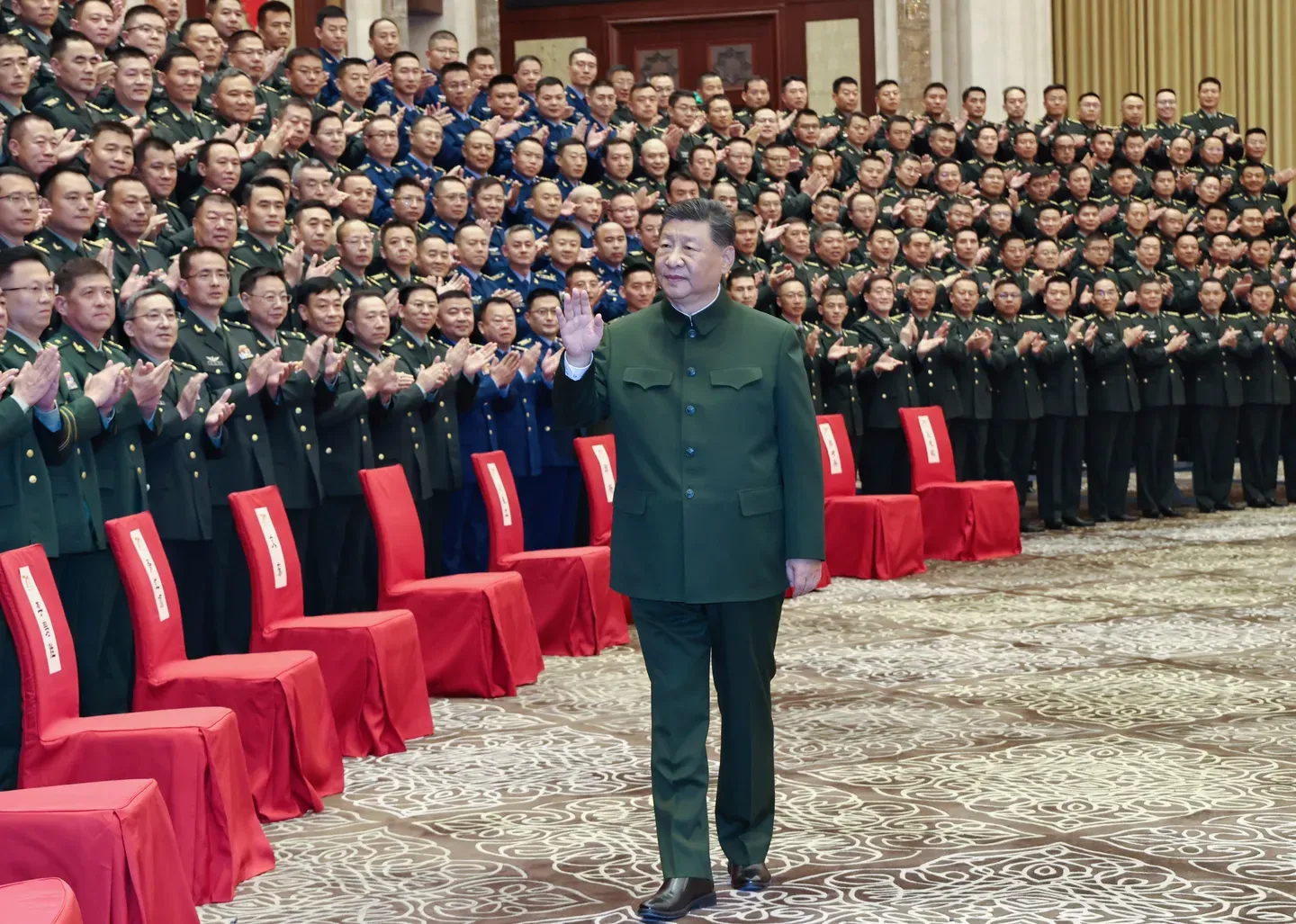
On 29 October 2026, the twenty-fifth Chinese General Assembly concluded its twenty-fifth session and a decision to dismiss 33 senior officials was published in Beijing. Zhang Chae-man, Liu Zhenli, Mahin Ri and Zhong Shao are among the most prominent individuals at the heart of the CLA regime, 16 of whom are from the ALC. Such a large number of senior cadres quickly pushed the political situation at the highest levels of power in China to the centre of international opinion.
原始来源 · 12371.cn2026年10月29日中共二十届五中全会公报12371.cn ↗According to information published in Beijing, the former high-ranking Vice-President of the Central Military Commission, senior army generals, members of the Central Political Bureau and key party officials are now the subject of organized action. In particular, Zhang Chang and Liu Zhenli, both of whom held a key position in the Central Military Commission held by Xi Jinping, have been making information on investigations and prosecutions available to the public for months, creating a political picture of the successive departures of the military and political leaders of the Jinping Army and the violent shock at the highest level.
However, another element of the communiqué of the plenary meetings of the five General Assemblys is equally noteworthy. While a large number of senior cadres were declared to be subject to disciplinary action, Beijing again called on the entire party to preserve Xi Jinping ' s core position and to elect Zhang Seung-min to the Central Political Bureau. The highest political and military leadership power of Xi has not been transferred publicly as a result of the disposition of 33 persons.
On the one hand, senior cadres were declared clean up, and on the other hand, Xi ' s supreme authority continued to be strengthened.
This contrast gives so-called high-level cleansing much more political significance than general anti-corruption cases.
Focus China believes that there are political narratives around the “fall-down” of 33 high-ranking officials that warrant a high degree of vigilance and suspicion of external deception. By publishing information about the sanctions, Beijing objectively created a political impression of the collapse of Xi's family and the ambivalence of the military. This impression may cause the US and other democracies to focus too much on internal CCP personnel shocks, while ignoring the fact that Xi has long been a de facto supreme power group, and that China’s nuclear military strategy is still advancing.
In this political analysis, the “internship” is the core concept of understanding the actual supreme power of the Communist Party, while the Newjiang Malan nuclear base has directed this personnel wave towards a more sensitive military strategic area.
From Zhang Zhang to Mahingri: the people who were declared to be cleared are the ones who have been used for a long time.
Zhang Chang is on the list of sanctions, which is particularly symbolic in political terms.
Zhang Chang is a long-standing outsider of Xi Jinping's important close friend in the army. The family background of the two men is also historical, and Zhang Zongxian, Zhang Zhang Zhengxi and Xi Jinping, the father of Xi Zhenghong Zhonghong, are senior cadres of the Communist Party of China during the revolution. This historical relationship does not explain the full political connection between the two, but the placement of Zhang Chang Chang Chang to the post after Xi Jinping came to power reflects his special position in the supreme military power structure of the Communist Party of China.
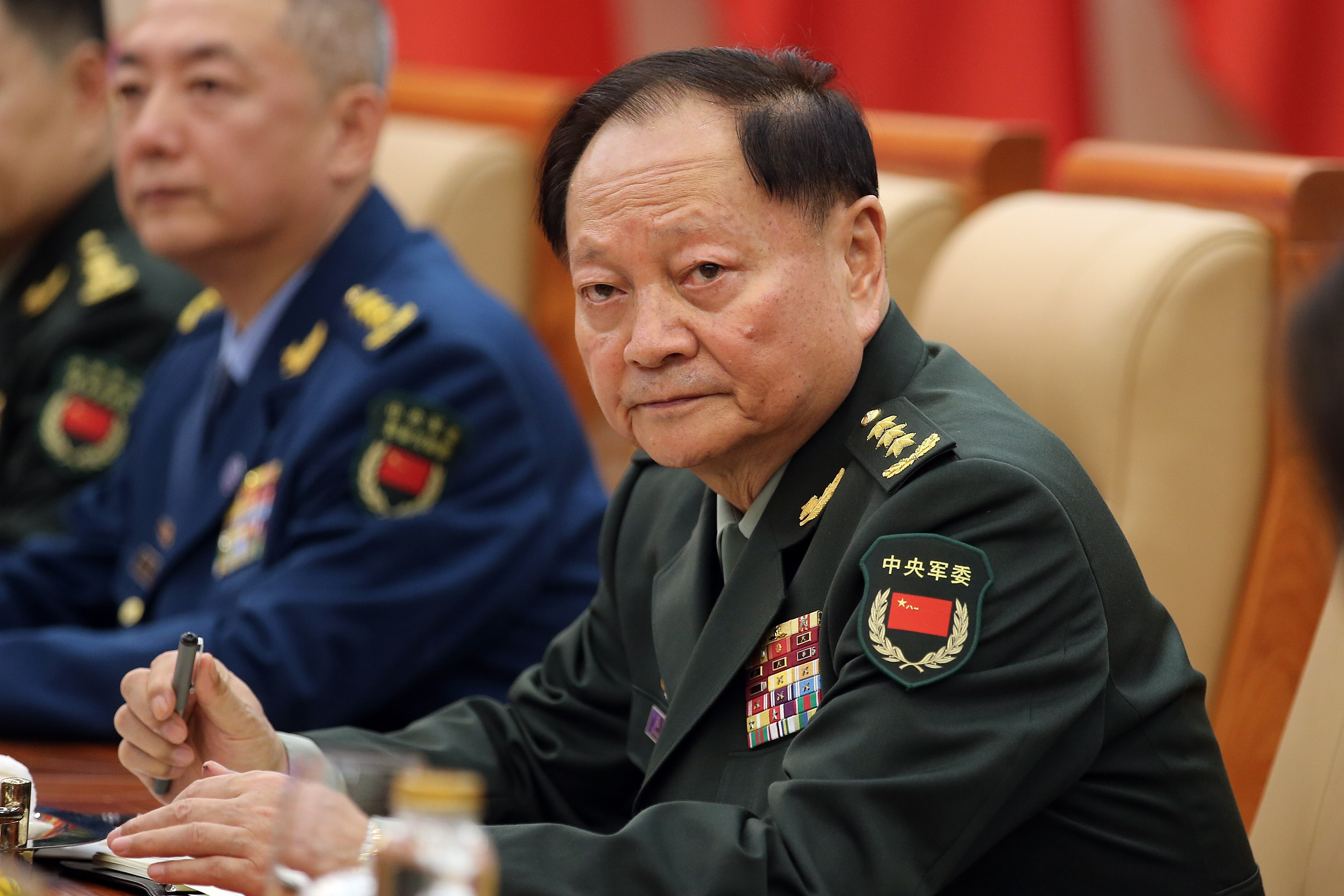
After Xi's chairmanship of the Central Military Commission in 2012, Zhang Chang was the Minister of General Equipment of the Liberation Army. In 2017, he entered the Central Political Bureau and served as Vice-Chairman of the Central Military Commission. In 2022, when the 20th Congress was formed, Zhang Jiaji, aged 72, continued to serve as the first Vice-Chairman of the Central Military Commission.
This appointment is of particular political significance. Although the retirement age for senior cadres of the Chinese Communist Party is flexible, Zhang Chang Chang has continued to hold important positions at the highest levels of the military after late seven years, clearly in line with Xi Jinping-dominated political arrangements.
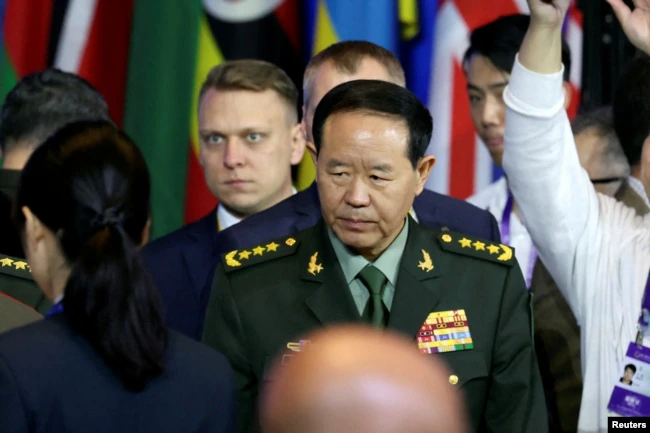
Liu Jinli is also a prominent figure in the top personnel of Xi Jinping military.
Liu Zhenli has long served in the Army, having served as Army Commander in 2021, in 2022, and in 2023, as Chief of Staff of the Joint Staff of the Military Commission. The Joint Staff, which has responsibility for major military operations planning, joint operational coordination and other professional command responsibilities, has direct links to the highest military decision-making of the Central Military Commission.
A long-standing general in the command of the army, who has access to and command of the Central Military Commission, means that his military capacity and political credibility have been recognized by the highest leadership.
Mahiny represents another important power link.
He has long been a manager of the China Aerospace Science and Technology Group, the Director General of the National Space Agency and the Director of the Defence Science and Technology Industry. After entering the local party system, Machinhui assumed the post of Governor of Guangdong Province. In December 2021, the CPC decided that he would serve as the secretary of the Xinjiang Uighur Autonomous Region Party. In 2022, he entered the Central Political Bureau.
原始来源 · xinhuanet.com新华社:2021年12月马兴瑞任新疆党委书记xinhuanet.com ↗From the defence technology industry to the highest local leadership positions in Xinjiang, to the Central Political Bureau, the political experience in Mahingri has linked the military-industrial technology system, strategic border areas and the highest leadership of the Communist Party.
The situation is different for the Zhong Shao Army.
He worked with Xi for a long time and then joined the Central Military Commission, where he served as the Chief of Staff. The Military Commission ' s Office deals with the coordination of important matters, the transmission of correspondence and the organization of work of the highest military authority. The long-term ability of the Zhong Shao Army to serve in this institution demonstrates the close relationship between its professional experience and the military circle around Xi Jinping.
These individuals are involved in the highest-ranking military leadership, joint combat, defence science and technology industries and the central military commission organs. Their fields of specialization vary, but they reflect the personnel arrangements for key military and political positions under Xi ' s administration.
Beijing today has concentrated these people on the list of sanctions, but it has not been possible to erase the political history that they were once re-used by Xi Jinping ' s highest power system.
That is the power relationship that first appeared behind the 33-person list.
A regime that emphasizes the full ownership of the appointment of cadres by the highest leadership, the leadership of the army and political discipline, when it announces that a large number of key cadres have been disciplined, has in fact revealed the reality of a high concentration of responsibility and political responsibilities at the highest levels.
This centralized power structure does not disappear with the publication of the disposition list.
From the highest level of the Military Commission to the “class”: centres of power outside the open office
On 24 January 2026, the Ministry of Defence of the Communist Party announced the opening of a review of the case against Zhang Chang Jiang and Liu Zhenli. On 28 August, the Standing Committee of the National People ' s Congress issued a decision on the removal of two members of the National Central Military Commission. On 21 September, Beijing released information on the dismissal of two individuals from the party, their military status and their referral to the military prosecution service on alleged criminal offences.
原始来源 · xinhuanet.com新华社:2026年8月相关中央军委免职决定xinhuanet.com ↗On 29 October, the P5 further confirmed its previous decision on disciplinary action against 33 senior officials.
原始来源 · court.gov.cn新华社:2026年9月张又侠、刘振立处分相关报道court.gov.cn ↗During this period, senior generals have been declared to be investigated, dismissed and punished, and the CMC ' s public leadership has been steadily downsized. International public opinion has thus given rise to a dramatic political interpretation: Xi is losing the military leader who was once heavily dependent, and his cronies have been severely damaged.
However, the formal structure of the CPC and the political relationship that really affects the highest decision-making levels have never been the same.
Xi has long served as Secretary-General of the Central Committee of the Communist Party, President of the State and Chairman of the Central Military Commission, and has the highest political leadership for key cadre appointments, military reform, national security and strategic deployments. Since taking power in 2012, he has been strengthening the central leadership of the Central and Central Military Commission of the party in the Sudan through army reform, discipline, organizational restructuring and personnel appointments.
Between 2015 and 2016, the Communist Party implemented a large-scale army reform, with seven major military regions restructured to five major war zones and the Central Military Commission re-established. This reform has changed the structure of the army and has also given prominence to the highest military leadership of the individual Xi Jinping.
The concept of “classes” as proposed in Focus China is the political overview of the actual supreme power network that Xi and his core associates constitute.
This name is different from the statutory bodies publicly established by the CPC. It emphasizes the long-standing political trust, information transmission, staff appointments and coordination of major matters, which have been built around Xi ' s personal authority, outside the formal organizational structure.
A senior military attaché has political influence not only from his public position but also from information, expertise and organizational contacts available to him for many years in military decision-making. A cadre who has long worked with the highest leaders will not automatically disappear from his past knowledge and working relationships, even if his identity has changed in public.
This has created an important political contradiction in the list of 33 persons for disciplinary purposes.
Beijing can withdraw senior cadres through formal organization, declare dismissals, or publicize these decisions at home and abroad. However, the change in the open roster does not fully reflect all the important working relationships around Xi and the way in which the highest military decision-making is actually conducted.
From this perspective, there is no inevitable conflict between the so-called “high-level purge” and Xi's continued concentration of power at the highest level.
The Communist Party could display a violent human shock from the outside while maintaining a high degree of political leadership. A change in the public political status of the person being punished does not mean that the appointment, decision-making and military command of the Supreme Leader himself will be subject to the same percentage change.
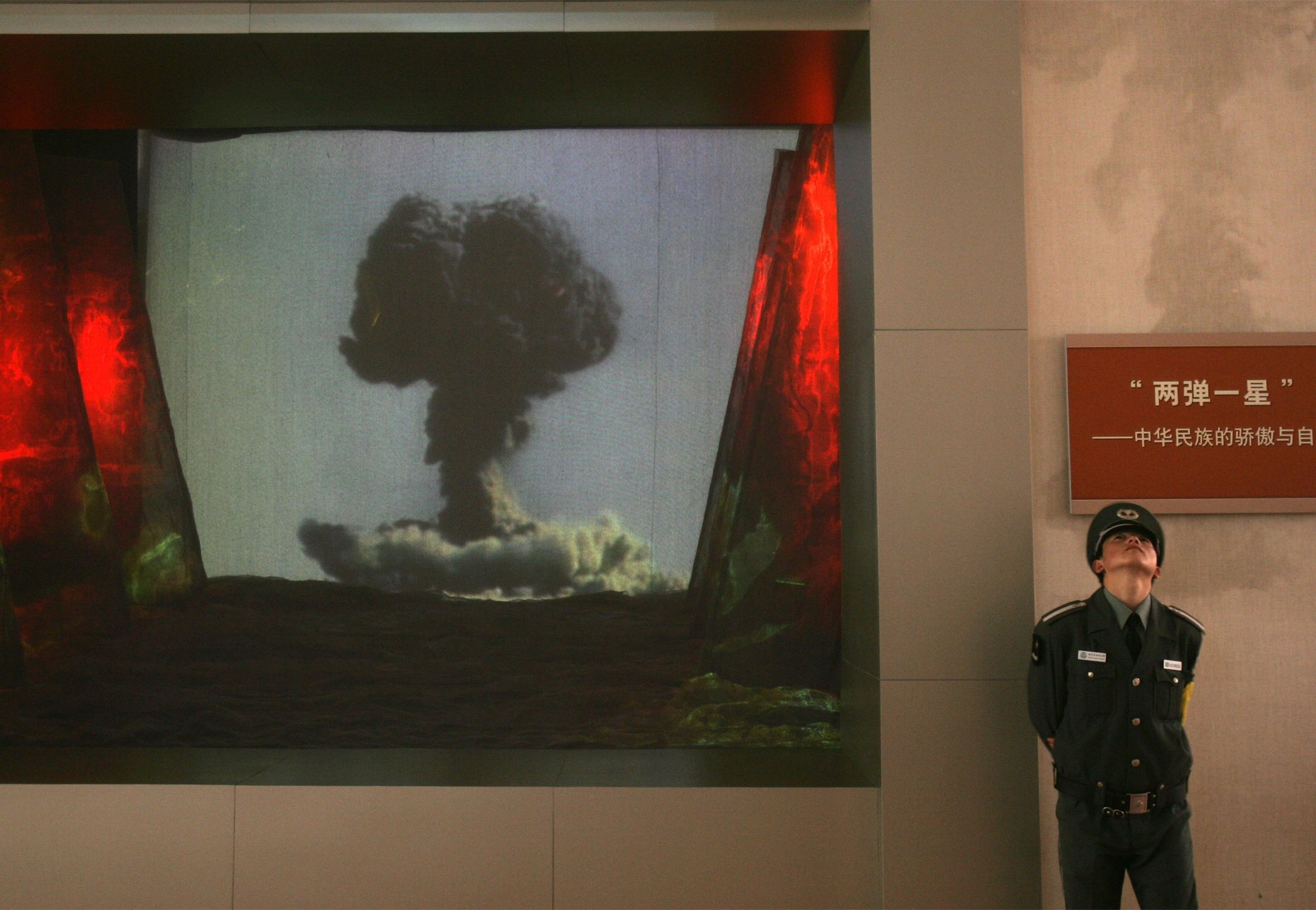
This is why China Focus believes that “the workshop” needs to be taken into account.
The so-called loss of close ties and the serious internal fighting at the top of the army have easily led to the understanding by the outside world that the change in personnel within the Communist Party has been fundamentally weakened.
The list of sanctions issued in Beijing, however, is itself a demonstration that the highest political body under Xi Jinping still has the power to determine the political fate of senior cadres.
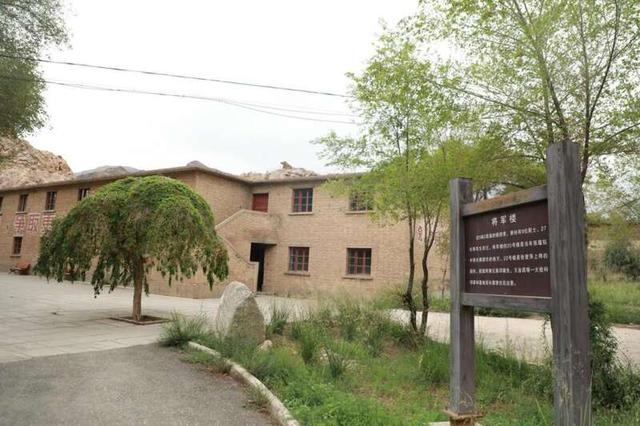
In a regime that lacks independent oversight and a high degree of confidentiality of significant political information, open personnel changes can constitute real organizational events and may be incorporated into more complex political communications arrangements.
Malan Nuclear Base: Strategic links hidden behind the top-level personnel surge
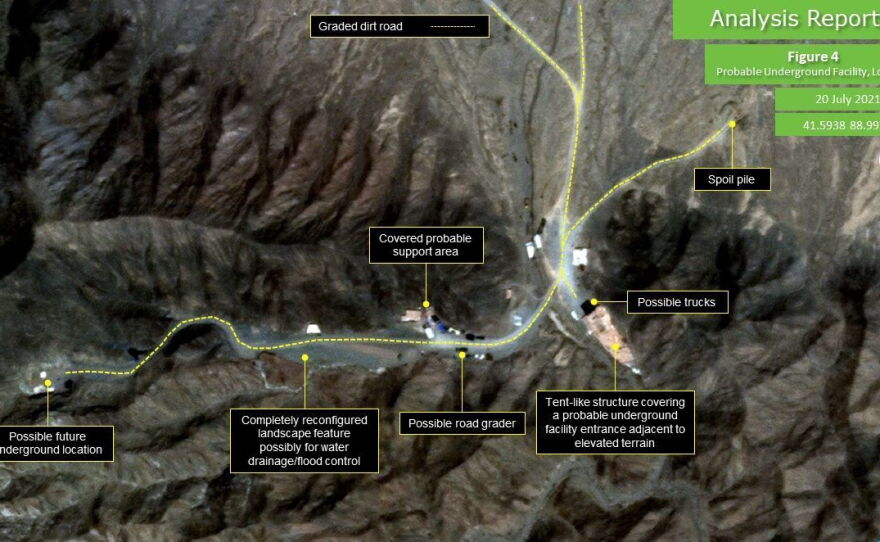
The list of 33 persons, Mahin Riang and senior generals with western military experience, gives special political significance to the Xinjiang region.
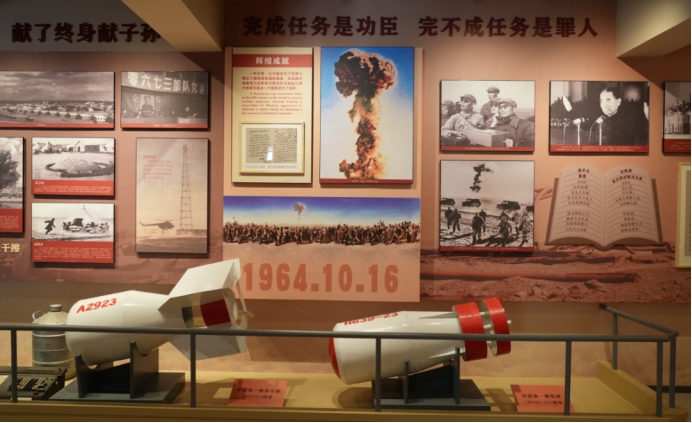
Xinjiang is not only an important area of governance of the CCP border, but also an area of special military status in China ' s history of nuclear weapons development and testing.
In 1964, China completed its first atomic bomb test in the Xinjiang Robpo region. For decades, China has built its corresponding military research, technical security, command and engineering facilities around nuclear tests. The Malan base has long been linked to this nuclear test system and has become an important place in China ' s history of nuclear weapons development.
原始来源 · xjhs.gov.cn和硕县政府:马兰核试验历史资料xjhs.gov.cn ↗The military significance of Maran and Robbera has not completely disappeared with the cessation of open nuclear explosive tests by China.
The study published in 2025 in The Non-Provision Review, which used commercial satellite imagery from 2020 to 2024 to analyse the signs of pitways, roads and other associated engineering work at the Robber nuclear test site. Research has shown that there is still a need for the international community to focus on the facilities activities in the region related to China ' s nuclear weapons testing capability.
原始来源 · tandfonline.com《核不扩散评论》:罗布泊2020至2024年设施研究tandfonline.com ↗Machin Sweat was a long-time space and defence science and technology industry member and was subsequently appointed Secretary of the Xinjiang Party. This personnel arrangement has enabled a clear organizational link between Xi ' s highest political authority, the military-industrial technical system and Xinjiang strategic areas.
Meanwhile, Zhang Chang was a long-standing leader in the area of military equipment, Liu Zhenli was involved in the joint operational command of the Military Commission, and the Zhong Shao Army was long-standing close to the highest working circle of the Central Military Commission.
Their curricula vitae are in common with military command, the equipment industry, strategic areas and the highest political decision-making. It is in this power relationship that the strategic military significance of the Malan base and Robber became an important context for understanding Xi's supreme power.
Focus China further provides a political judgement: some of the high-ranking military and political figures who were publicly cleansed may still be in the hidden arrangement of Xi Jinping ' s core power network, whose historical working links with North West Strategic Facility are not necessarily fully explained in the Organizational Disposition Bulletin.
This judgement, which involves covert power activities, is not equivalent to the confirmation that the person is currently at the base of Malan. The Maran Historical Base, the Robber Nuclear Test Facility and other military underground works cannot be considered simply as a secret command structure in the same location.
However, the real link between these areas and the development of China ' s strategic nuclear forces has military significance independent of the high-level personnel.
Nuclear weapons development, strategic missile construction, related scientific research and military security systems are national projects that require long-term organizational coordination. The change in the public position of senior cadres does not automatically terminate these complex projects.
The major direction of China ' s nuclear strategy remains under the highest military authority structure under Xi Jinping.
The Malan base therefore has a military name beyond what is meant in this political controversy. It links Xi ' s senior cadre appointments to China ' s most sensitive military strategic capabilities.
When international public opinion focused on the disciplinary action of several Generals of the Central Military Commission, China ' s nuclear military facilities, strategic weapons development and related professional bodies continued to operate in accordance with long-term national military plans.
The real strategic capacity of the supreme power cannot be judged solely by the list of public meetings and disciplinary decisions.
Who creates the impression of a struggle, who holds the real strategic power
The difficulties faced by the United States and other democracies around the discipline of senior Chinese Communist Party cadres are due to the high level of control exercised by Beijing over internal information within the Party and the army.
Changes in senior positions on the Central Military Commission can be observed, decisions on sanctions issued by the CCP can be read, and the continued presence of key figures in public events can be analysed.
However, the covert working relations within the supreme military institutions of China, the allocation of strategic resources, major military orders and special personnel arrangements go far beyond what can be shown by general public reporting.
For a country with a large military presence, there may be a significant distance between open lists of senior cadres and real military capabilities.
It is particularly important to note that a high-level overhaul may have different political effects at home and abroad.
In the face of the country ' s society, the Communist Party can use mass sanctions to emphasize disciplinary authority and to prove that the highest leadership can remove cadres at any level. Such political propaganda would help to strengthen the organization ' s subordination and the authority of the Supreme Leader.
The prosecution of the same senior generals may be interpreted in the opposite way in the face of the international community: Xi is losing his trust, the military hierarchy is in serious contradiction and the supreme power structure of the Communist Party appears to be in a crisis beyond control.
One event generated two political impressions, which reflected the complex relationship between the highly closed power operation of the Chinese Communist Party and the external dissemination of information.
Focus China believes that the political scam of so-called “down” 33 high-ranking officials is at the core of the high-level shock that was publicly displayed in Beijing, which could be used to mask the reality of Xi's concentration of power at the highest level and the continued advance of military strategy.
This is a judgement on the purpose of political dissemination, not a factual conclusion that has been confirmed by secret decision-making documents. However, it involves very specific strategic risks.
If the United States were to take the senior generals to power, it would probably underestimate China’s remaining organizational mobilization capacity, if it understood directly that Xi had lost effective control of the military.
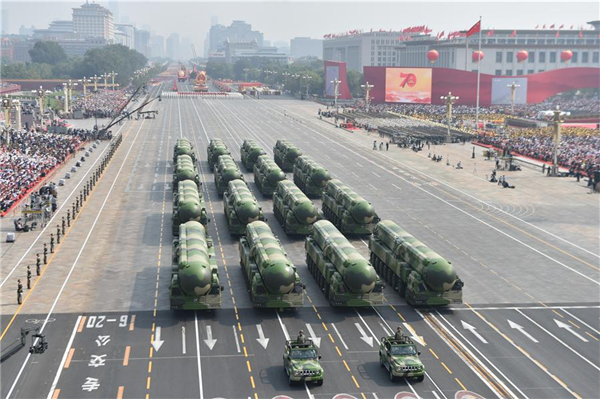
If the international community considers the personnel disorder at the highest level to be a signal of the fundamental obstacles to the development of China ' s strategic nuclear forces, it may also ignore the long-term continuity of the relevant scientific, industrial and military projects.
Conversely, frequent changes in top command personnel may also pose practical difficulties for military coordination, procurement oversight and professional decision-making. Open military rule may be accompanied by further concentration of power and may have an impact on specific military organizations. What really needs to be distinguished is the political control of the highest leaders and the real capacity of the various elements of the Liberation Army to function.
These two cannot be directly equated.
As far as the political structure of the Communist Party is concerned, Xi himself continues to hold the highest military leadership positions. He remains at the top of his responsibilities with regard to the political direction of China ' s strategic nuclear forces.
This reality is far more strategic than the dramaticness created by a disciplinary list.
From power performances to the risk of war, it is the Chinese people who ultimately bear the cost.
China ' s nuclear-weapon modernization involves strategic missiles, nuclear submarines, military research facilities and related defence industries, and relies on long-term financial inputs, technological research and development and military organization.
The allocation of these resources is determined by the highest political and military decision-making bodies of the Chinese Communist Party, while the ordinary Chinese people lack effective democratic procedures to participate in major military strategic choices.
In a context of employment pressures, local financial difficulties, and the burden of medical care and old age, which constantly affect the lives of the population, large-scale strategic military construction means sustained public investment.
While national security certainly requires the necessary defence capacity, a system of power that lacks independent political oversight is difficult to truly inform society about the process of shaping the highest military strategy and to effectively constrain the highest decision-makers.
The risk of war associated with nuclear forces requires, inter alia, severe restrictions on public power.
The devastating consequences of a major military miscalculation at the highest level will go far beyond the individual political leaders or senior military generals. The consequences of war are borne by a large number of ordinary people who are not involved in secret decision-making.
This is the most important public responsibility relationship between Xi's supreme power and China's nuclear strategy.
Thirty-three senior officials were appointed and subsequently declared disciplined, involving the management of cadres and political organization under the long-standing leadership of Xi Jinping.
The political supremacy of Xi's chairmanship of the Central Military Commission is equally impossible to circumvent when China's strategic military assets are built, directed and pursued.
Thus, neither the interpretation of these sanctions in Beijing as anti-corruption gains nor their interpretation by the international community as a serious internal power struggle can alter the important fact that Xi Jinping remains at the top political power centre of the Communist Party, and that the political responsibilities arising from China ' s military strategy are still directly linked to its top leadership.
The political doubt surrounding the 33-member list is not what one general lost in the party's political struggle, but how much real power the public can see.
Beijing was able to decide which senior cadres were subject to public sanctions, but did not publicly account for the changes in all the important working relationships within the highest military power.
A group of military and political figures who had been used by Xi for a long time were put on the list of political sanctions; Meanwhile, Xi continues to maintain its highest leadership position, and the nuclear military strategy and the military-industrial system has not been suspended by personnel communiqués.
According to Focus China, the distance between this open political shock and the continued concentration of power at the highest level in practice is at the heart of the suspicion of the so-called “down” of 33 high-ranking officials.
From the appointment history of Zhang Chang Chae-man, Liu Zhen Li, Mahing Shwe and Zhong Shao Army, to the “class” of Xi Jinping's core cronies, to the nuclear military strategy represented by Xinjiang Malan and Robpo, China's supreme power groups have gone far beyond the scope of the public list of sanctions.
Beijing can show the world that there is a high level of dispute, but it cannot be a disciplinary communiqué that will make Xi's long-established power structure and responsibility for nuclear strategic decision-making disappear.
The political future of China and the risks of war are determined by the people who have the highest power and how they use the political, military and strategic resources of the country.
Information and extended reading
- Communiqué of the twenty-fifth China General Assembly (29 October
2026)
- Reuters: Zhang Jiang and Xi Jinping ' s military-political relationship
- Xinhua: News of Mashai ' s December 2021
- Proclamation on the dismissal and punishment of the relevant posts of the Chinese Military Commission (August-September
2026)
- Xinjiang and Sukju People ' s Government: historical information on the Malan base
- The Non-Provision Review: Robber Facility and Satellite Image Research
Article discussion
Verified members can discuss this report publicly and manage their own content.
Checking member sign-in status…