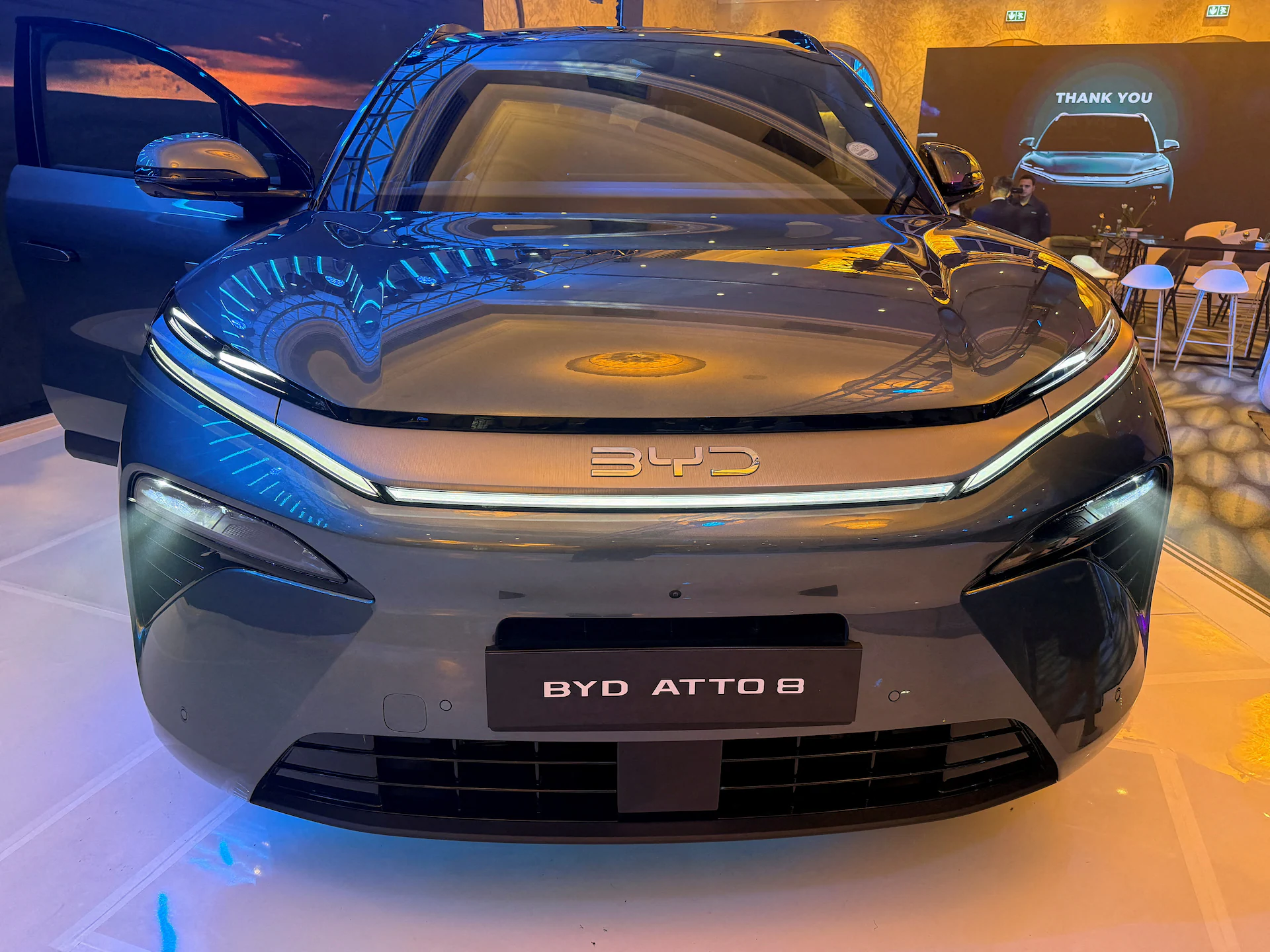
China ' s new energy-car export policy is in the process of a major turn. Reuters Breakingviews, October 6, industry and analysts estimate that Beijing > > > > > > > > > > >. The official policy has not yet been published, but this direction has been explicitly mentioned by Secretary-General Choi Dong-ho of the China Motor Market Information Joint Conference in his exchanges with Citigroup Analysts.
If implemented, this would not mean that the CCP would abandon its support for the new energy automobile industry, but rather that Beijing is reconfiguring the support: from direct subsidies for every export car to tax policies to control the pace of exports, to phase out weak small enterprises, and to use policy adjustments as a bargaining chip for negotiations with the EU.
13% tax refund, actually determines whether many export cars are profitable
Currently, China ' s electric vehicle exports receive 13 per cent of the VAT refund. CLSA analysts estimate that a car model manufactured in China and exported abroad may have a net profit of about 10 per cent; If the tax refund is cancelled, this share of the profits will almost be completely eaten and some of the models may even be converted into losses.
That is why tax refunds are not a technical tax detail, but rather an industrial policy tool. China ' s motor companies can maintain radical pricing in overseas markets, which is linked to domestic-scale production, local subsidies, supply chain costs and export tax refunds. The elimination of tax rebates would initially crowd out less profitable and less branded enterprises, while large companies such as Biadi and Jili were more likely to absorb shocks through higher prices, technology premiums and overseas channels.
Beijing holds a double chip
In Europe, countervailing tariffs are being imposed on electric vehicles in China, with some of the total car-type rates approaching 45 per cent. The EU has also repeatedly called on Beijing to address industrial subsidies and excess capacity. The reduction of export rebates at this point would allow for a “reduced policy support” to be demonstrated to Brussels without directly recognizing the Government's control over trade, as was the case with export quotas.
More importantly, similar methods have been used in the photovoltaic and battery industries in Beijing. After China eliminated 9 per cent of export refunds for photovoltaic products in April of this year, the volume of exports of photovoltaic equipment in August dropped by 39 per cent each year; Battery export refunds were also reduced from 9 per cent to 6 per cent, and are planned to be completely eliminated by
- The policy effect has proven that tax leverage is sufficient to change the pace of exports.
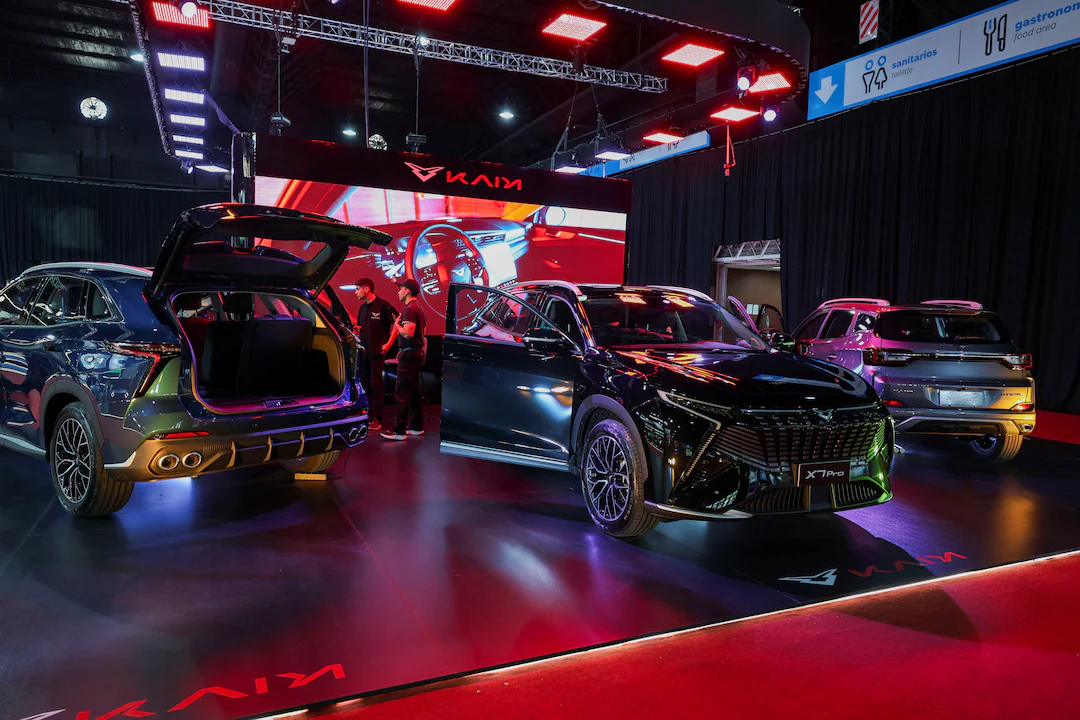
This has led to a new power structure for the forthcoming Central European trade negotiations. While Beijing can say that it is reducing subsidies, it can decide on the rate of tax rebates in the light of the progress of the negotiations. For Xi, tax rebates are not only fiscal policies, but also trade valves that can be tightened or eased at any time.
The real pressure in the country is overcapacity, not Europe's complaints
Chinese motor companies have become increasingly export-dependent in recent years. Biadi's overseas passenger and pickup sales increased by 153.9 per cent in September, to nearly 180,000; During the same period, the domestic automobile market continued to weaken, with price wars and stock pressure not being reduced.
When domestic demand cannot absorb large production capacity, overseas markets become exports of enterprises that sustain growth and cash flows. The problem is that the more cars turn pressure to Europe, Latin America and South-East Asia, the more easily they trigger local tariffs, countervailing investigations and industrial protection.
There is also a domestic purpose for reducing export rebates: to force industrial integration. With reduced tax rebates, small-scale car companies have become more difficult to sustain on low-cost exports and capital and orders will be further concentrated in a few head-on enterprises. This is in line with the policy tone of Beijing's “anti-infiltration” in recent years — not to reduce State control over industry, but to keep fewer and stronger enterprises on the global expansion agenda.
The CPC is upgrading its industrial policy from “how much” to “when to collect and when”
In the past, China ' s new energy automobile policy was observed from outside, often only on the amount of subsidies, tax incentives and local support. It is now truly noteworthy that the Xi Jinping Government has begun to link these instruments to diplomatic and trade negotiations.
If Beijing releases the signal of tax reduction during the visit of the EU Trade Commission to China, it could trade for European concessions on tariffs, minimum prices or market access; If negotiations fail, policies can slow down again. Externally, the Government has packaged the tax refunds into market adjustments; Intrinsically, it remains in the power to determine which enterprises can afford the cost of exports.
This is not a retreat in industrial Stateism, but a more sophisticated one. The next stage of China’s electric car competition may no longer be “how much does the government pay” but rather how Beijing manages its enterprises with taxes, plates, finance and market access, and transforms these domestic policies into foreign bargaining chips.
Article discussion
Verified members can discuss this report publicly and manage their own content.
Checking member sign-in status…