The most immediate consequence of language policy is often not the proportion of courses written in documents, but rather the number of meals at a table. Radio Free Asia reported on 5 October that, after some Mongolian primary school students in Inner Mongolia entered the predominantly Chinese school system, there was a gradual increase in the number of cases where Mongolian is not spoken in everyday items and is used to communicate in Chinese at home. For some of the ancestors who are not familiar with Chinese, grandchildren are becoming a generation that requires translation to communicate.
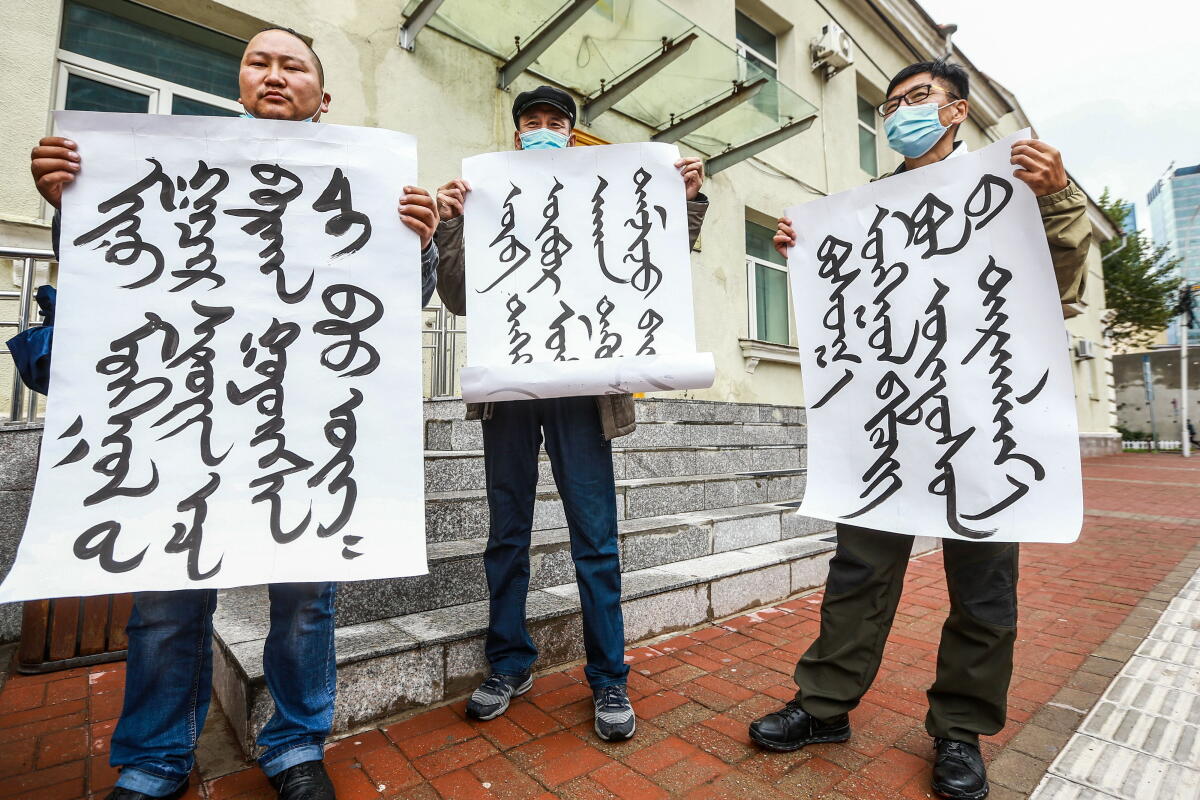
This change is not a natural linguistic shift, but rather a result of a policy that is constantly driven. In the past few years, the Chinese Government has been intensifying so-called “national education in the language and the language”, and some core courses in Mongolian language instruction schools have been converted into national integrated teaching materials and increased teaching of Mandarin. Around 2020, the reforms led to large-scale parental protests and student strikes, followed by local public security and education systems to track down, pressure and discipline opponents.
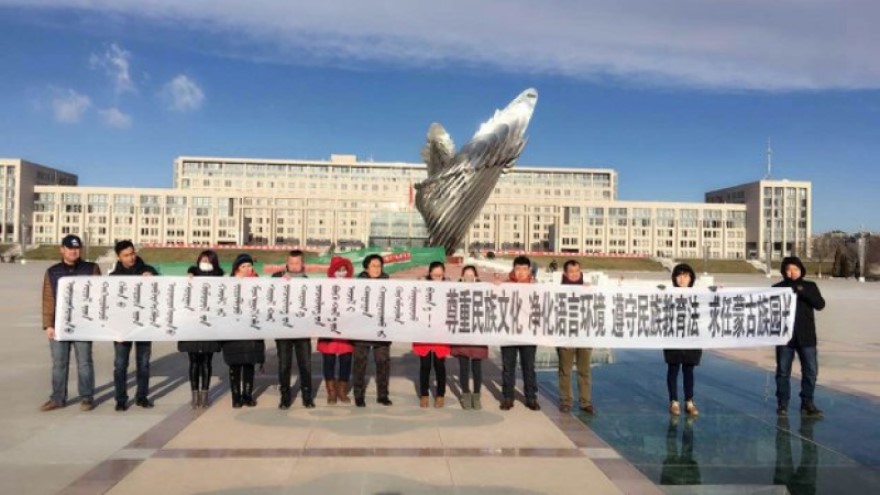
The official Chinese Communist Party has been promoting Mandarin on a permanent basis as a tool for promoting education equity, employment and national identity. However, for ethnic minority areas, the question is whether the promotion of Mandarin must be at the expense of the space for education in the mother tongue. When the teaching, examination, administrative and employment languages are concentrated in both Chinese and Chinese, it is difficult for Mongolian to be squeezed by private transmission of the resistance system alone.
The most alarming is the intergenerational fault. A language is truly in a dangerous state, not necessarily beginning with a legal prohibition, but beginning with a child who no longer needs to use it. When schools, examinations and future jobs set the Chinese as a higher-paying option, Mongolian is reduced from public language to family language and from family language to the language of older persons.
This is also why Mongolian parents continue to view education policy as a cultural right rather than a mere curriculum reform. Language carries more than a communication function, but also includes history, religion, oral traditions and group memory. The CCP regime has reduced the space of minority languages on the grounds of national unity and efficiency of governance, essentially re-establishing the cultural identity of the next generation through the educational system.
When the ancestors began to understand their grandchildren, so-called language promotion was no longer an abstract policy. It has entered the family and begun to change the ability of a people to preserve its own memory.
Article discussion
Verified members can discuss this report publicly and manage their own content.
Checking member sign-in status…