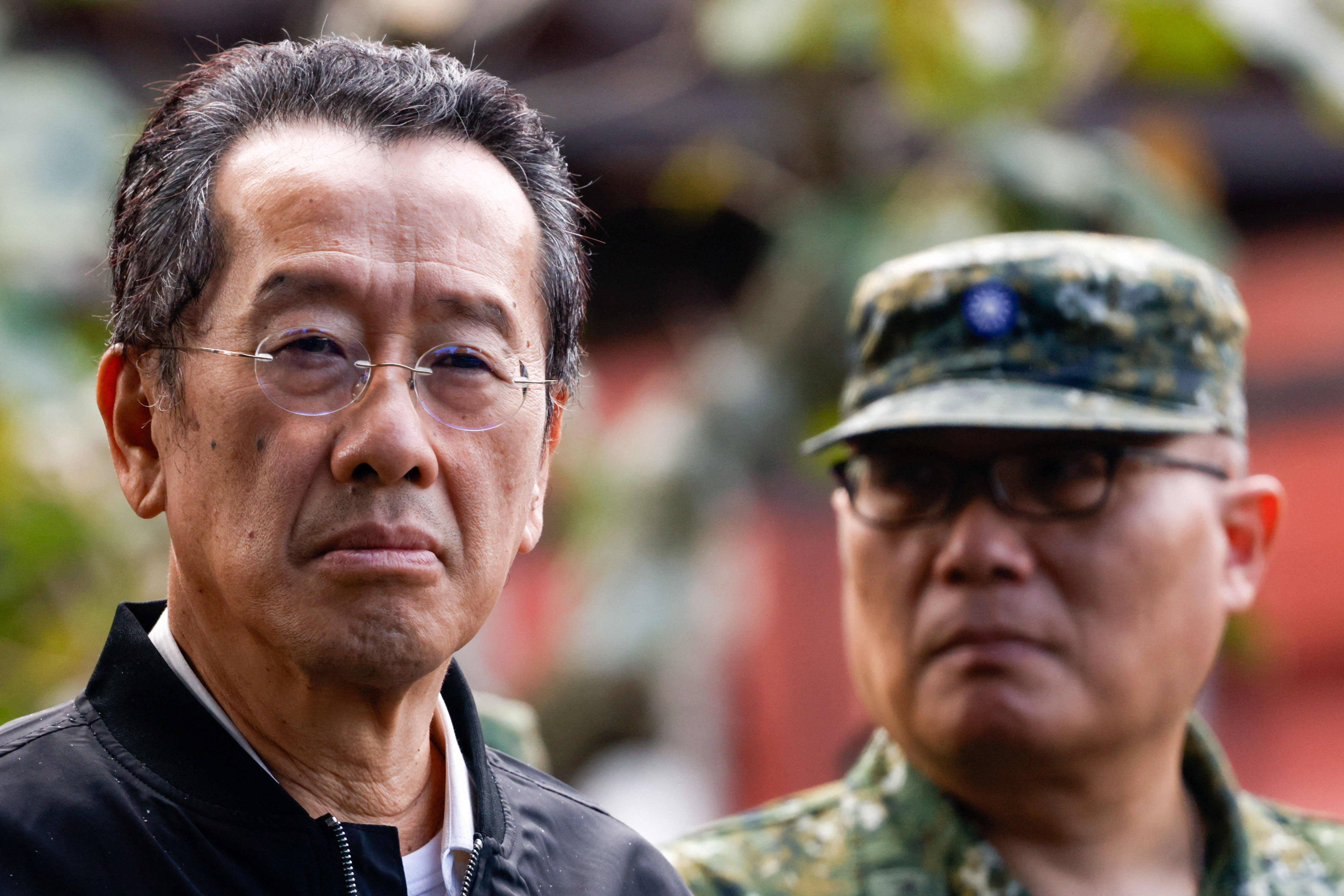
Taiwan ' s Defense Minister, KU Lihsiung, stated on 6 October that he had not heard of the United States ' intention to split a potential $14 billion sale of military troops into smaller instalments, but stressed that Washington ' s commitment to Taiwan ' s defence remained unchanged. Reuters reports put a key contradiction back on the table: Taiwan faced rising Chinese military pressure, while United States President Trump openly described sales to Tai Chi as “the chips” in the negotiations with Xi.
The military sales, which have not yet been finally approved, are estimated at $14 billion. Previously, the Trump Government had approved some $11 billion in sales to the Taipei army last December, but after meeting with Xi in Beijing in May this year, Trump acknowledged that the second shipment had been temporarily set aside and claimed that it had negotiating value. For Taipei, this claim creates strategic uncertainty in itself, since military sales are not a common trade, but part of Taiwan ' s defence planning and arms delivery cycle.
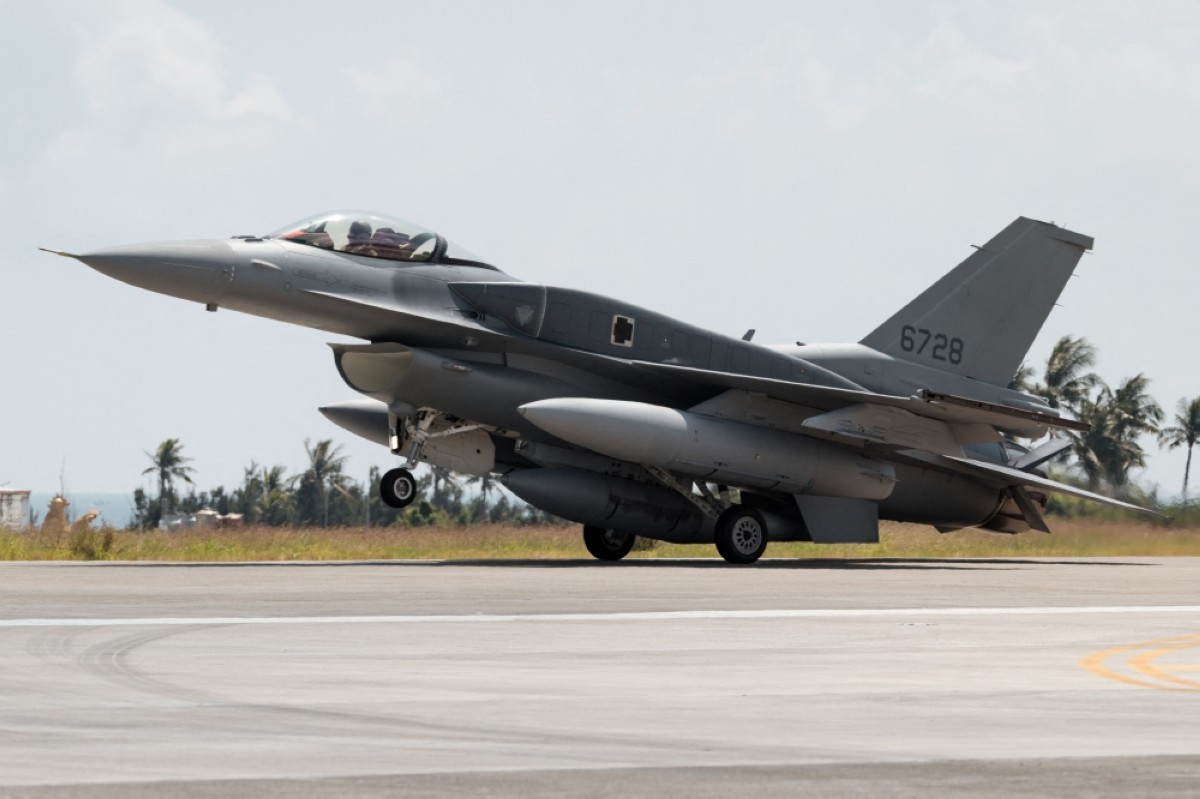
The government has been trying to stabilize the expectations of the outside world. He noted that United States-Taiwan military cooperation was still advancing and that United States defence support for Taiwan remained unchanged. Meanwhile, Taiwan ' s first new F-16V purchases had already arrived in Taidong in early October, indicating that existing military purchase contracts were still in force.
But the problem did not disappear. The Communist Party has continued to increase pressure on the military in Taiwan in recent years, from military jets to military air and naval training, to reducing Taiwan ' s diplomatic space, and Beijing has been trying to raise the cost of maintaining the status quo for Taiwan. It is against this background that if the United States were to bind arms sales approval to trade negotiations with China, Beijing could be judged to have an impact on Taiwan’s pace of access to critical defence equipment, provided that sufficient trade-off is provided.
The United States Taiwan Relations Act has long constituted the legal basis for sales to the Tatmadaw. While successive Governments have different choices as to the type, timing and size of weapons, the core logic has been to help Taiwan maintain adequate self-defence capabilities. Trump called military sales “coalition”, while bringing into the diplomatic language of the trade-off policy instruments that had been centred on security deterrence.
This is also a real source of concern for this controversy. Beijing does not require the United States to give up on Taiwan publicly, and it is sufficient to allow Washington to delay, divide or weaken its military sales at critical points in time to influence Taiwan ' s defence planning. For Taiwan, the most dangerous is not a change in political commitment, but a long-term delivery rhythm that becomes negotiable in large-Power transactions.
KU Li Hung stressed that the commitment remained unchanged and was sending a signal of stability; But what is really to be tested for the outside world is not the language, but the timing of the final approval of the $14 billion military sale, the equipment it contains, and whether delivery continues to be held hostage by US-China relations.
Article discussion
Verified members can discuss this report publicly and manage their own content.
Checking member sign-in status…