
Senior Chinese newser, Tung Yuyu, Deputy Director of the commentary department of the former newspaper Luang Day, was asked by the prison to resume her work in garment making for approximately 40 hours a week after undergoing a cancerous tumour removal of the lung. The family disclosed that the health of the 64-year-old prison-age prisoner had continued to deteriorate after the surgery. At the same time, the newly amended Prisons Act of China was officially introduced on 1 November, requiring that prisons guarantee the life and health of persons serving sentences and organize work in accordance with their physical condition. The experience of Dong Yuyu has again brought to the fore the responsibility of the Chinese prison system for the medical care of persons serving sentences.
The International Press Freedom Organization (CPJ) Committee for the Protection of Journalists (ICRF) publicly disclosed that Tung Yuyu was subjected to cancer tumour removal in a prison hospital in Beijing in August this year and was asked to resume work on 12 October. On 6 November, China Rights Defenders again reported on the news.
原始来源 · cpj.org保护记者委员会:董郁玉癌症术后遭要求恢复每周40小时狱中劳动cpj.org ↗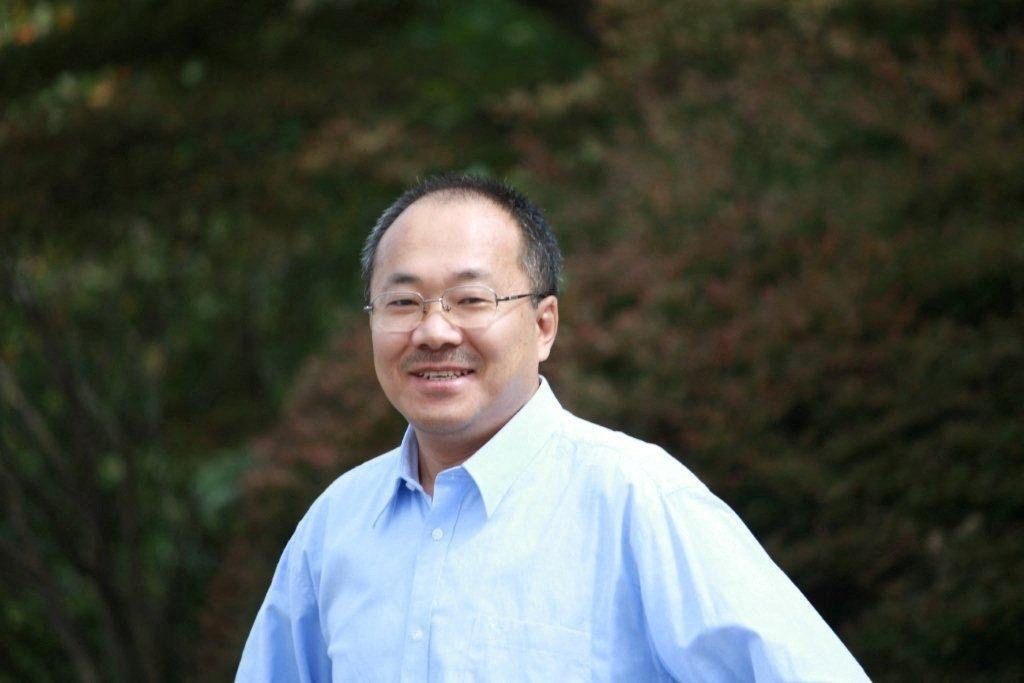
Work orders after cancer surgery
According to information provided by the family of Dong Yuyu to the Committee for the Protection of Journalists, in March this year Dong Yuyu was transferred from Beijing II prison to Tianjin Thongbai prison. The visitation to the new prison, which was approximately 40 minutes old, was extended to more than two hours, approximately 168 kilometres from the family ' s residence in Beijing.
At the end of April, Tung Yuyu was examined for heart failure and weight loss, and then found lung tumours. In August, he was excised. However, shortly after the operation, the prison authorities decided to re-enter the garment-making labour, which was approximately 40 hours a week.
原始来源 · nieman.harvard.edu哈佛大学尼曼新闻基金会:董郁玉急需医疗照护nieman.harvard.edu ↗The Director of the Asia Pacific Region of the Committee for the Protection of Journalists, Bai Liyi, criticized the Chinese authorities for the inhumane practice of requesting the resumption of labour of a 64-year-old prison-age person who had just undergone a major surgery, without regard for his life. It called for the immediate cessation of the labour arrangements and the release of Dong Yuyu on humanitarian grounds.
How a diplomat's meal has evolved to a seven-year term
Dong Yuyu graduated from the Faculty of Law at Beijing University in 1987 and has served long-term in the newspaper Light Day, the central organ of the Communist Party, and served as Deputy Director of the Department of Comment. He also wrote reviews for media such as The Yellow Spring Autumn, The New York Times, the Chinese-language network, focused on constitutional, rule of law and political reform, and visited the Newman Press Foundation at Harvard University for study.
In February 2022, Dong Yuyu was arrested by the police while he was having lunch with a Japanese diplomat in Beijing. On 29 November 2024, the Beijing court sentenced him to seven years ' imprisonment for espionage. On 13 November 2025, the Beijing City High People ' s Court rejected his appeal and upheld the sentence.
原始来源 · cna.com.tw中央社:董郁玉间谍罪七年徒刑上诉遭驳回cna.com.tw ↗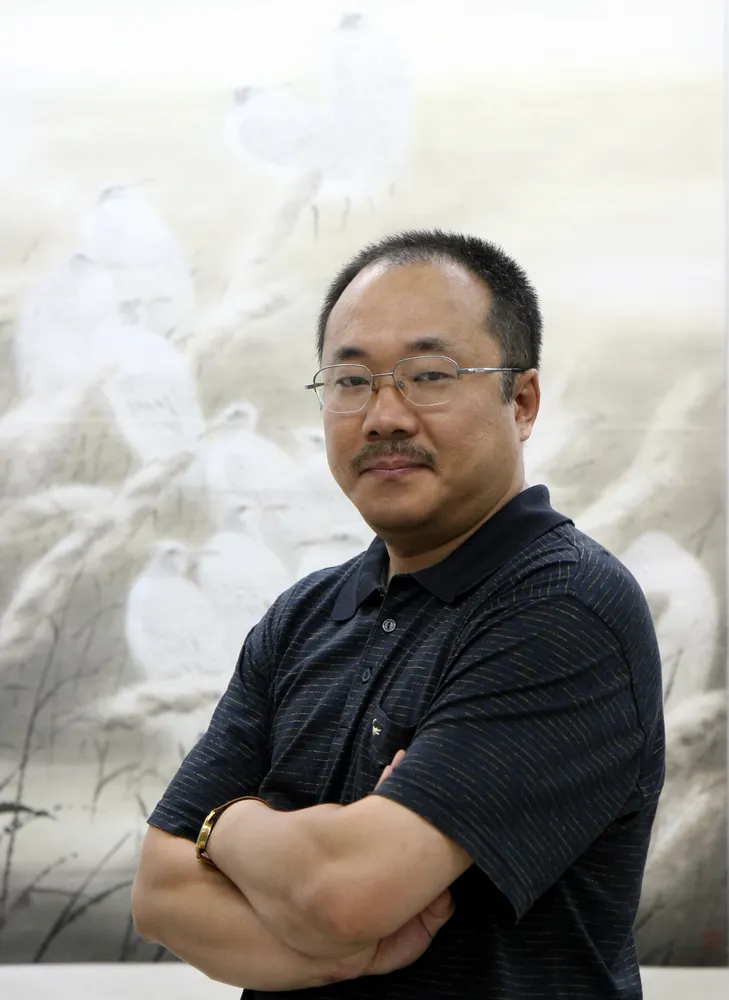
The family and defence counsel, Mo Shaoping, consistently opposed this sentence, arguing that the charges of espionage lacked sufficient evidence. The case also provoked diplomatic controversy because the courts had included Japanese diplomats and related agencies in the charges of espionage. The Government of Japan insists that its diplomatic service in China engage in legitimate diplomatic activities.
Tung Yuyu-yu has long advocated moderate and political reform, but has been involved in national security cases because of normal external contacts. The political signal from this judgement has gone beyond the individual Tung Yuyu: When open contacts between journalists and foreign diplomats can be interpreted as espionage, normal interviews, academic exchanges and international contacts are deterred by the powers of State security.
The new Prisons Act is in force and medical care is in place
The post-Oxyum Yuyu labour dispute also has a very interesting institutional context.
On 30 April 2026, the Standing Committee of the National People ' s Congress of China adopted the newly amended Prison Law of the People ' s Republic of China, which was promulgated by the decree of the President of Xi Jinping and officially implemented as of 1 November.
(a) Article 27 of the new law explicitly requires that prisons guarantee the life and health of persons serving sentences; Article 102 stipulates that work shall be reasonably performed on the basis of the capacity of the person serving the sentence, his or her health, etc. The law also requires that prisons provide basic medical care.
原始来源 · spp.gov.cn2026年修订《中华人民共和国监狱法》原文spp.gov.cn ↗This means that the law does not authorize prisons to arrange labour in disregard of serious illnesses. Whether 40 hours a week exceed the normal working hours standard is not the central issue in the Tung Yuyu case. It is really necessary to examine whether a person who has recently undergone cancer surgery and whose family is accused of a continuing deterioration in his or her health is physically fit to perform these tasks.
Although the decision to resume work was taken before the new law was enacted, the ongoing implementation of the relevant labour arrangements in prisons after 1 November was subject to the provisions of the current law on medical protection and the assessment of working capacity.
As a direct administrative authority, Tianjin Tai Bai Prison is responsible for assessing the health of the sentenced persons, arranging labour and providing medical care. The prison administration of Tianjin City has managerial oversight functions, while the relevant prosecution authorities supervise the enforcement of prison sentences in accordance with the law.
原始来源 · spp.gov.cn检察日报:新《监狱法》加强监狱刑罚执行检察监督spp.gov.cn ↗If Tung Yuyu-yu labour is continuously required in the absence of a proper medical assessment, the prison administration cannot absolve itself of responsibility for his health risks.
The dual dilemma between national security powers and prison penalties
The case of Dong Yuyu presents two interrelated systemic problems.
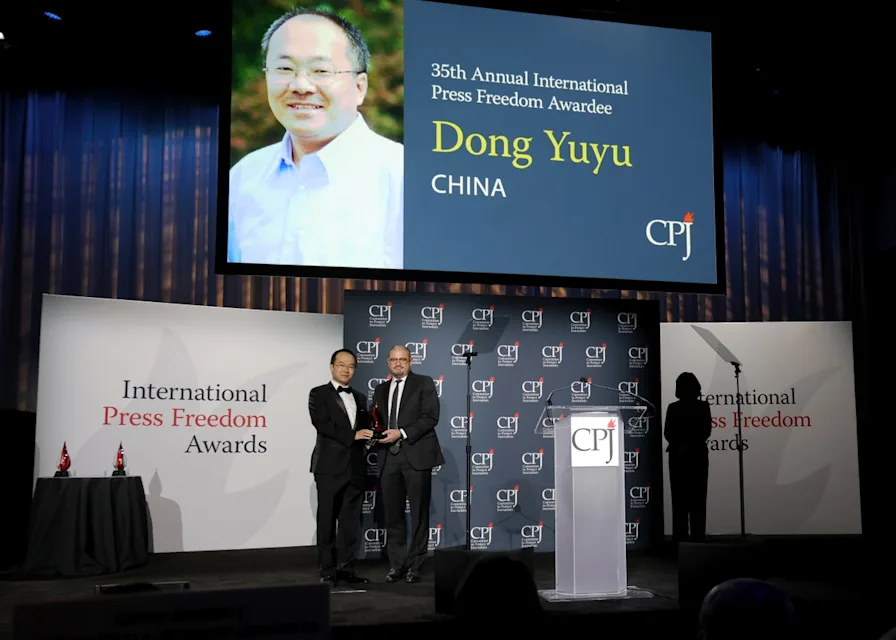
原始来源 · cpj.org保护记者委员会:2025年国际新闻自由奖获奖人董郁玉cpj.org ↗- The first is the strengthening of national security governance since Xi took office. Once normal expressions of thought, press reviews and international contacts are included in a broad security review, journalists may face criminal risks due to their professional activities and social relations. The change of Dong Yuyu from a journalist to a so-called spy in a reporter is a concrete manifestation of the risks of this system.
- The second is whether the fundamental rights of persons serving sentences are guaranteed independently and effectively after criminal punishment has entered prison.
Chinese prisons carry out their duties with penalties and directly control the labour, medical care and daily life of those serving their sentences. Even where the law provides for the protection of life and health, it may be difficult for persons serving sentences to obtain prompt relief in the face of unreasonable management decisions, if there is no effective oversight.
According to Focus China, the Yuyuyu case reveals both the suppression of freedom of the press by the powers of State security and the possible further harm to the life and health of persons serving sentences in the absence of effective control of the powers of prison administration.
The Xi Jinping regime has emphasized the rule of law and the new Prisons Act explicitly includes the responsibility to protect life and health. However, the actual implementation of the law must be tested in a specific case such as Tung Yuyu.
A journalist accused of being deprived of liberty for the controversial offence of espionage was then asked to work approximately 40 hours a week after undergoing cancer surgery. The Chinese judicial authorities decided on his seven-year sentence, but this decision did not give prison powers to further impair his health.
The final institutional contradiction revealed by the case of Dong Yuyu is that when the power of State security is sufficient to deprive a journalist of his liberty and legal supervision is not effective in regulating the administration of prisons, the fundamental rights of the prison population may become a paper commitment.
The situation of Dong Yuyu is yet another case in point to test the gap between the so-called rule of law and the functioning of the real power of Xi Jinping regime.
Article discussion
Verified members can discuss this report publicly and manage their own content.
Checking member sign-in status…