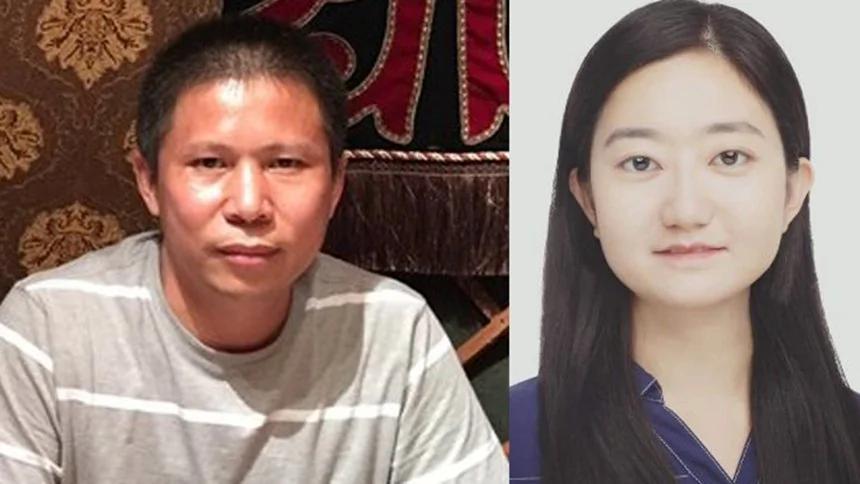
When Li received a letter from Xu Zhiyong from Shandong Runan Prison on 10 September, the text was only one page. The most striking part of the letter was not a text that was violent, but a missing one: Xu Zhiyong wrote that he mourned the “disabling” of his mother's last letter and that the following sentence was then blacked out in its entirety.
This letter places the control of power in the prison in the most private and inexcusable context — how a son learned of the death of his mother and was able to write his own condolences in their entirety.
Mother died in February. He didn't know until August.
The rights movement has a very good word for the 25 September Journal. She disclosed that Xu Zhyong ' s mother died on 2 February this year and that Xu Zhyong was not informed until 25 August, when the family met. That is, more than six months after death, he arrived at the prison in Runan.
原始来源 · chinahrc.org李翘楚:许志永早日回家李翘楚披露许志永得知母亲去世、写下悼母信及信件被删改的情况。chinahrc.org ↗The liberty of persons serving sentences has been deprived of the State, but family relations do not disappear as a result. For long-term prisoners, visits and correspondence are almost the last avenue for maintaining family ties. The mother was informed six months after her death that it was not just a time lag, but that it meant that the person concerned had lost the opportunity to say goodbye, to run away and to mourn in a timely manner.
The Runan prison has not publicly indicated when it was informed of the death of Xu's mother, whether the family had attempted to convey the news, and why it was not brought to him until the meeting in August.
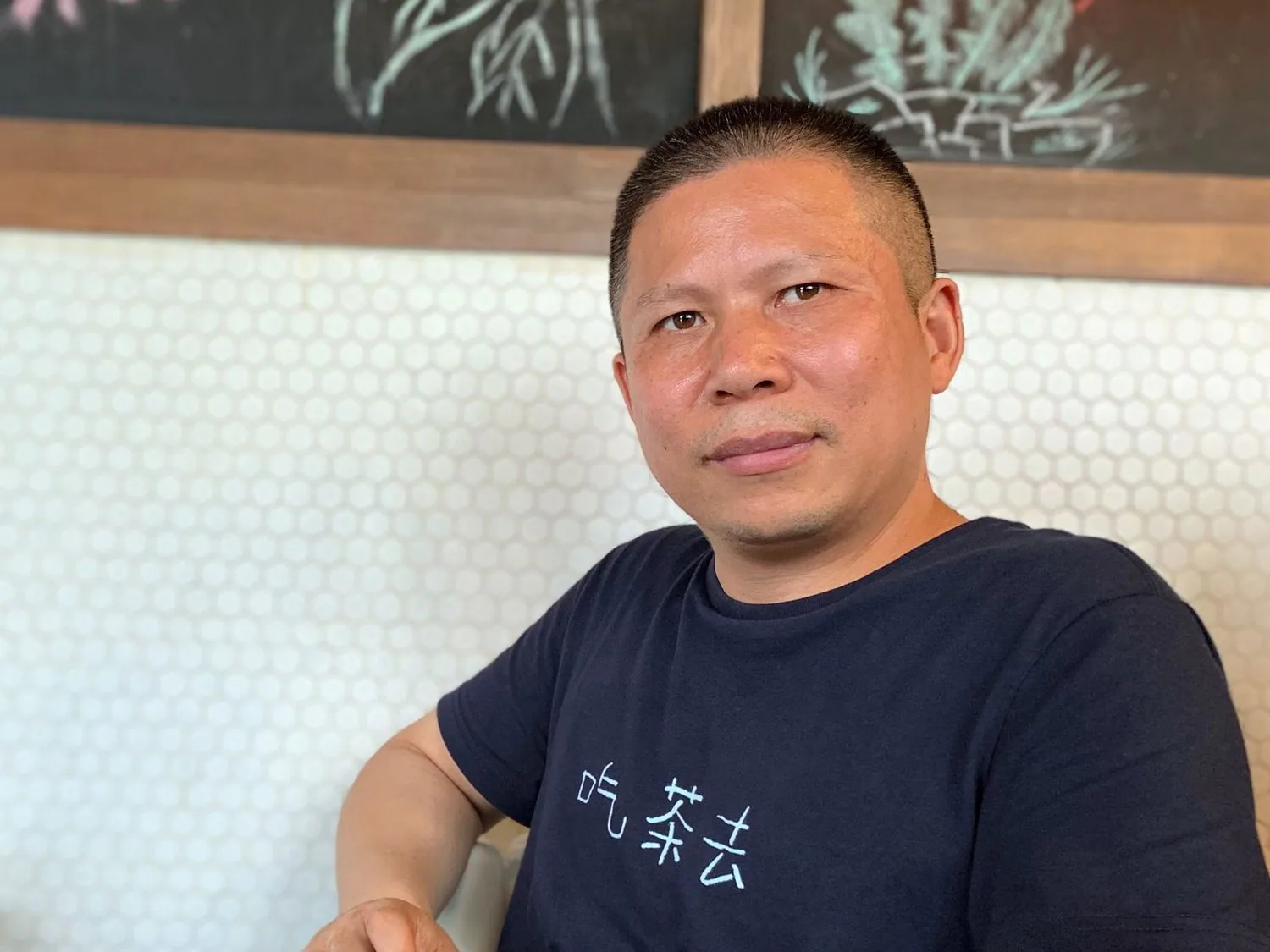
He wants to write his mother's life, and the letter doesn't get out of the wall.
On 27 August, Xu Zhiyong learned of the bad news and wrote a letter of mourning. In his letter, Lee Zhiyong recalled that in 1936, her mother was born in a village along the old Yellow River in Henan Civil Rights County, and that she had been helping ordinary people throughout her life. For a man who cannot go to mourning, this letter is almost the only farewell service that he can complete.
This letter was not sent in full. On 10 September, in a letter, Xu Zhiyong wrote “a lamented lamentable” and the sentence was completely blacked out.
The Prisons Act allows prison inspection of correspondence between persons serving sentences, but the right to inspect does not automatically amount to the possibility of any arbitrary derogation from all private expression. In particular, when it comes to the death of relatives and personal condolences, the supervisory authority should have left a clear record of the review of why, what and on what basis it had omitted.
The daily life of political prisoners is often not a big slogan, but a little something that has been taken away.
Xu Zhiyong was sentenced to 14 years in 2023 for “subversive state authority”. Radio Free Asia had previously reported that he had been on hunger strike while serving his sentence in Runan prison and that he had health problems. The prolonged incarceration has cut his life into a limited space under visiting, letter-writing and custody permits.
原始来源 · rfa.org自由亚洲电台:许志永狱中健康与服刑情况此前报道提供许志永在鲁南监狱服刑期间的背景。rfa.org ↗When political cases are discussed outside the world, it is easy to stop focusing on charges, sentences and sentences. But how imprisonment really works for one person is often reflected in these tiny and specific places: when a loved ones die, can a letter be written in its entirety, which sentences can be sent, and which sentences can only be turned into black pieces on paper.
A blacked letter of mourning does not show all the prison life, but is sufficient to show the depth of power into private life. Xu Zhiyong has been sentenced and detained; When he could not even deliver his words of mourning to his mother, the boundaries of imprisonment had extended from physical freedom to memory, affection and expression.
Article discussion
Verified members can discuss this report publicly and manage their own content.
Checking member sign-in status…