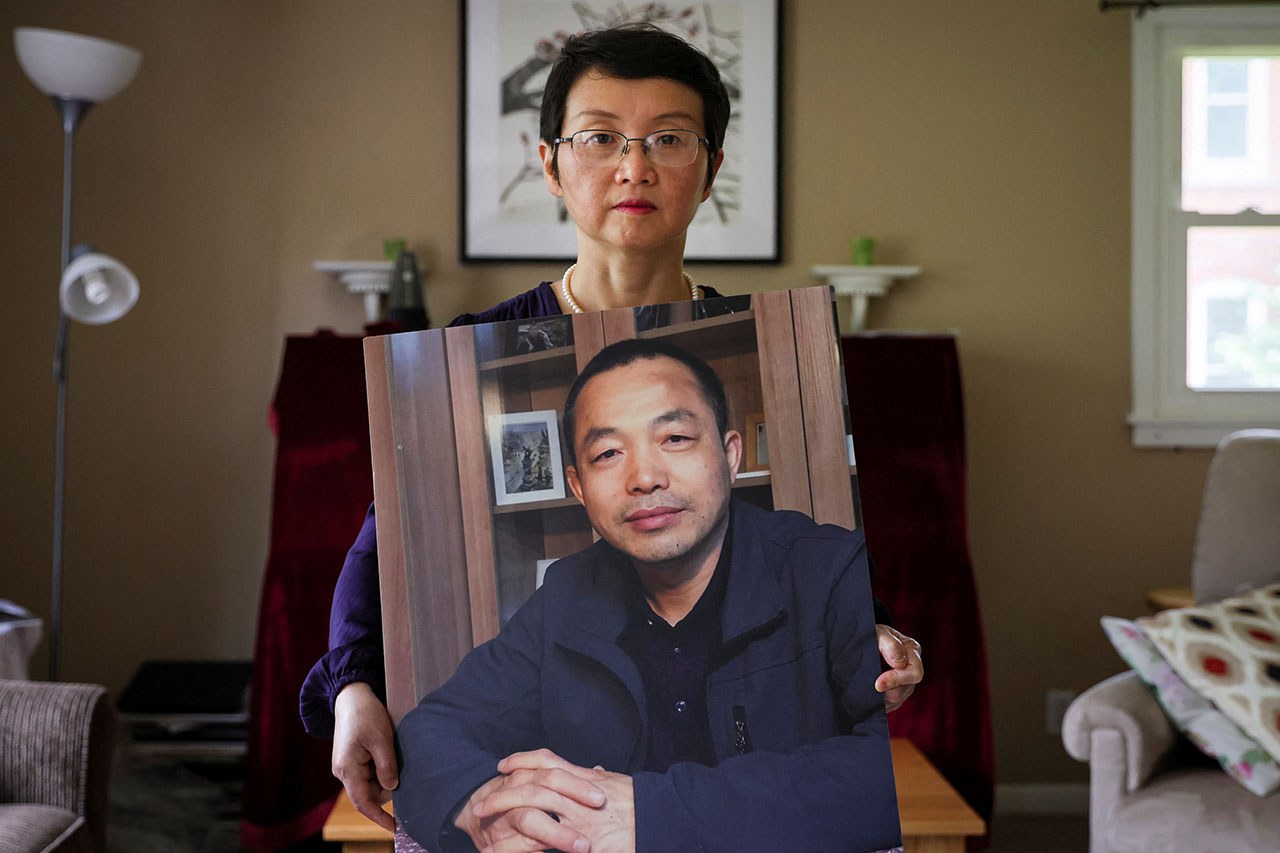
On 3 November 2026, the wife of Ting Jia Shee, a participant in the New Citizen Movement of China, Ro Sheng Chun, publicly disclosed that since his transfer to Gangpei Prison in Hubei Province in November 2023, the issues of outdoor activities, reading, and telephone calls and correspondence with family members have remained unresolved.
On 31 October, Luths, entrusted by Ro Sheng Chun, sent a request for a meeting and an open application for information to Gangbei prison, requesting information on the conditions of his detention, his life, medical records and the management of communications.
原始来源 · ipkmedia.com光传媒:丁家喜江北监狱处境及家属委托11月4日对丁家喜家属与监狱人权申请的报道ipkmedia.com ↗A political prisoner who has been sentenced to 12 years of imprisonment has not only lost his liberty, but has also been restricted in his basic access to his family and to the outside world. This management has made the actual impact of the penalty more profound in the individual ' s family and spiritual life.
In addition to deprivation of liberty, intimacy is also regulated
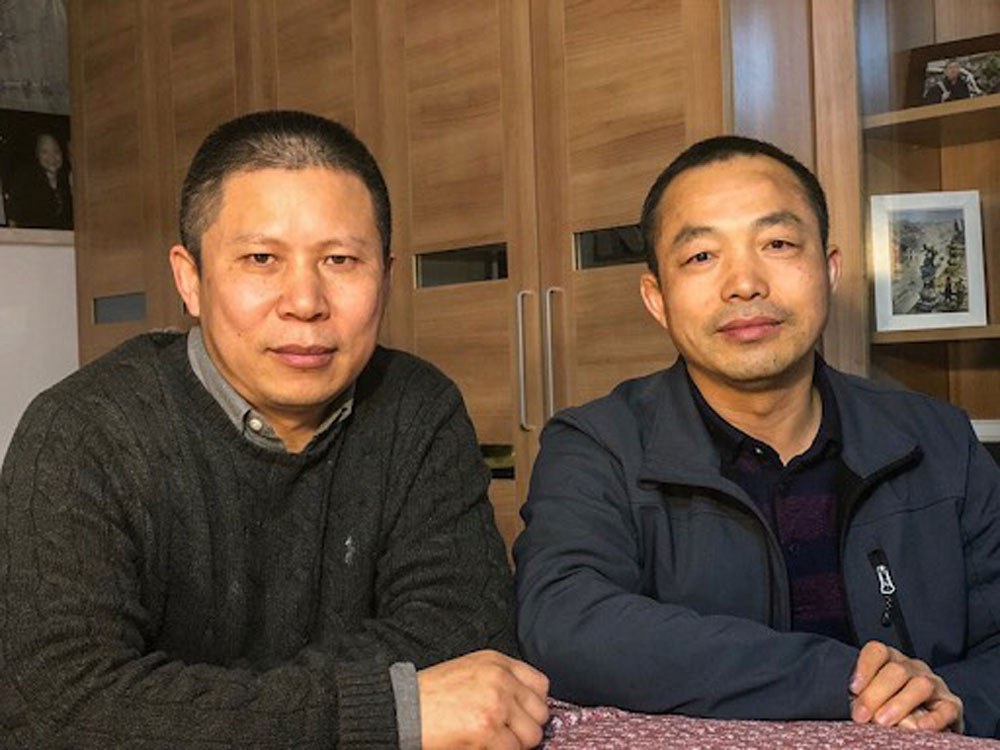
The Ding family is a long-standing participant in the New Citizens Movement, advocating for equality of citizens, oversight of public affairs and development of civil society.
In December 2019, he was rearrested for his participation in the civil activities in question and later sentenced to 12 years' imprisonment for “subversive State authority”. In November 2023, the sentence was upheld in second instance.
His Excellency Mr. Ting was subsequently transferred to the Hubeijiangbei prison to serve his sentence.
According to the public statement of Ro Shingchun,After the family was admitted to prison, there was a long-standing situation of outdoor exercise, reading books, personal conversations and the untried and untried detention of correspondence.
In early 2024, the members of the family tried to visit the prison, which was restricted by the reception procedures and the conditions for approval. Since then, families have continued to learn about the situation of the Ding family through lawyers and associated personnel.
These circumstances indicate that the constraints on the Ding Jia Xi are not limited to the possibility of leaving prison.
In this highly closed environment of prisons, decisions on what books to read, whether to receive family letters, whether to call a family phone and how long to carry out outdoor activities can be influenced by prison management decisions.
These rights are already important for ordinary persons serving sentences; For persons who have been imprisoned for long periods of time for political activities, they are an important means of maintaining family ties, spirituality and social identity.
# # # The decision inside the wall is hard to see #

The application was submitted by Roh Sheng Chun to the Luth Chair on the conditions of the prison, food, medical examination, outdoor activities, the receipt and delivery of correspondence and articles and the restrictions on family telephones.
This information is a common feature: the day-to-day records are mainly held in prisons and are difficult for the serving of sentences and for the families to obtain through other channels.
For example, if a prison refuses to deliver a letter, the family may not necessarily know whether the letter arrived, who will examine it and how it will be dealt with.
If a particular personal call is restricted, the family is not always informed in a timely manner of the decision-making body, the duration of the visit and the specific grounds for it.
External oversight is naturally vulnerable when detainees are unable to express themselves freely and when prisons have all their records.
Prison authorities control the actual exercise of rights and related records, which means that when persons serving sentences are subjected to undue restrictions, they often rely on the same authority that made the decision to restrict to provide evidence.
This is precisely the most revealing institutional issue in the context of the dispute over rights in prisons for political prisoners.
Restrictions on political prisoners that may go beyond the provisions of criminal sentences
The court sentenced the Ding family to 12 years ' imprisonment, a criminal penalty for his personal freedom.
The judgement does not, however, in itself mean that his right to communication, reading, necessary medical treatment and lawful access can be revoked without restriction.
The Prisons Act of China provides for communications, meetings and medical treatment of persons serving sentences, and also grants the prison administration certain powers to review them.
The real question is whether these powers, in the absence of adequate external oversight, will be used to impose additional restrictions on particular political prisoners.
Prison management measures are easily intertwined with political security considerations, especially when restrictions involve persons who have been engaged in civil rights activities for a long time and have publicly criticized the political system of the Communist Party.
Prison personnel may restrict access to external information on the grounds of management needs, without having to explain their decision in a public judicial process at each time.
This administrative prison administration may result in a continuous expansion of the penalties originally imposed by criminal law and judicial decisions.
For Ding Jiaxei, the loss of liberty is a direct consequence of the court decision; The continued restriction of family ties relates to the use of the management powers in which the prison is placed. The two cannot be confused.
Information in prison is closed, making violations harder to detect
Roh Seung-chun's ongoing efforts to meet and make information publicly available are not limited to obtaining several prison records.
It seeks to break the situation of political prisoners living in prisons, which has been described and decided unilaterally by the prison for a long time.
As long as families are not informed in a timely manner of the true state of health, living conditions and restrictions, it is difficult to judge whether there is a differential treatment, improper discipline or other violation of rights in prisons.
The prison walls can restrict the movement of a person, but should not free State organs from legal responsibility for their administrative acts.
The deeper problem is that the political justice system of the Communist Party, after having sentenced dissenters to long prison terms, still has day-to-day control over their sentences, without genuine independent and effective external oversight.
This may have an impact on political criminal sentences throughout the trial, the execution of sentences and family ties.
Segregation of political prisoners from the outside world can limit the expression of the person concerned and reduce the ability of the outside world to understand their situation. The less transparent information is, the greater the discretion that the regulatory body actually has.
The wife of the Ting Jia-Chi asked to know whether he was able to enjoy normal daily exercise, readable and receive correspondence from his family. These are not special treatments, but basic guarantees that a person deprived of liberty should still be afforded.
A State ' s respect for human rights could not be seen only in its treatment of those who supported the Government, but also in its treatment of those whom the Government regarded as political opponents.
The Ding Jie case reveals the double deprivation of liberty in the CCP political prisoners system: public criminal sentences deprive freedom of movement, and closed prison administration may further reduce communication, spiritual life and family ties.
These restrictions, which occur within the walls, are precisely the most difficult to see by the public.
Six categories of information for public information applications
- Cell space, number of detainees and basic facilities
- Food and livelihood security records
- Medical examinations, medical visits and health records
- Length and organization of daily outdoor activities
- Register of the receipt and distribution of books, books and personal effects
- The specific basis and record of the limitations on personal telephones
Article discussion
Verified members can discuss this report publicly and manage their own content.
Checking member sign-in status…