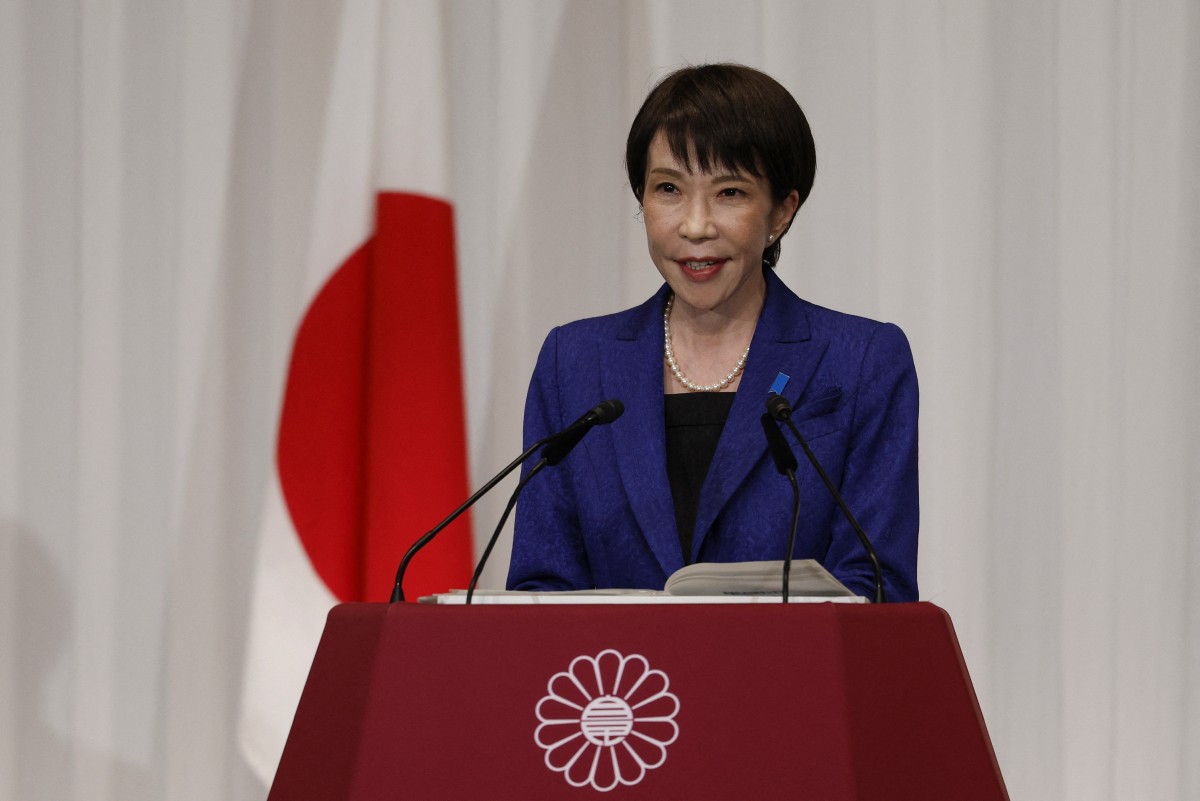
In his speech to the Diet on October 14, Japanese Prime Minister Kosumi spoke of a situation that had long been circumvented by Japanese politics: whether United States warships carrying nuclear weapons could be allowed to enter Japan in the face of a major crisis. She did not declare a change in Japan's “three non-nuclear principles”, but said that there was room for discussion on this exceptional issue. Two days later,Beijing Foreign Ministry publicly warned JapanThere should be no talk of remilitarization and nuclear possession, as if Japan’s own defence policy could enter the parliamentary debate only with Chinese permission.
JapanThe Three Non-Nuclear Principles of the Post-war WarIt is not to possess, manufacture or allow nuclear weapons to enter the national territory. This political commitment carries the historical weight of Hiroshima and Nagasaki, and Takashima has proposed not to deploy nuclear warheads in Japan tomorrow, but to reopen discussions in a wartime emergency on the border between the landing of United States naval vessels and nuclear deterrence. The direct equivalent of discussions to Japan ' s own initiative has just erased the key policy differences.
The security environment in Asia has changed. The expansion of military activities in Beijing in the Taiwan Strait and in the Western Pacific, the continued development of nuclear-guided capabilities in the DPRK, and the Russian war have brought the concept of deterrence back into the defence budgets of countries. Japan could endorse or oppose the proposal by the High City, and the opponents were well-founded to be alert to the risks of accidents, escalation and democratic oversight posed by nuclear weapons. It is a matter of real concern that Beijing is not a Japanese electorate, but that attempts to prescribe security issues for Japan cannot be discussed.
Such external intervention is particularly contradictory. China ' s own expansion of nuclear forces did not remain in the rhetoric of diplomacy, but called on the countries affected by its military activities in the vicinity to maintain their old military borders. Security policy should have been decided by the democratic process, coalition consultation and regional risk; Once declared “no room for exploration” by a neighbouring country with a large military power, the issue extends from nuclear arms control to national ownership.
The Japanese public in the country may eventually refuse to enter nuclear weapons, even insisting on the old principle. But that should be the result of the Tokyo political system and social discussions, not the order of the Foreign Ministry of the People ' s Republic of China in its statement. For Taiwan and other societies affected by the Beijing security policy, the reality revealed by this debate is clear: the discussion of nuclear deterrence has not yet been set to a halt and the struggle for power to determine who can discuss security has begun.
Article discussion
Verified members can discuss this report publicly and manage their own content.
Checking member sign-in status…