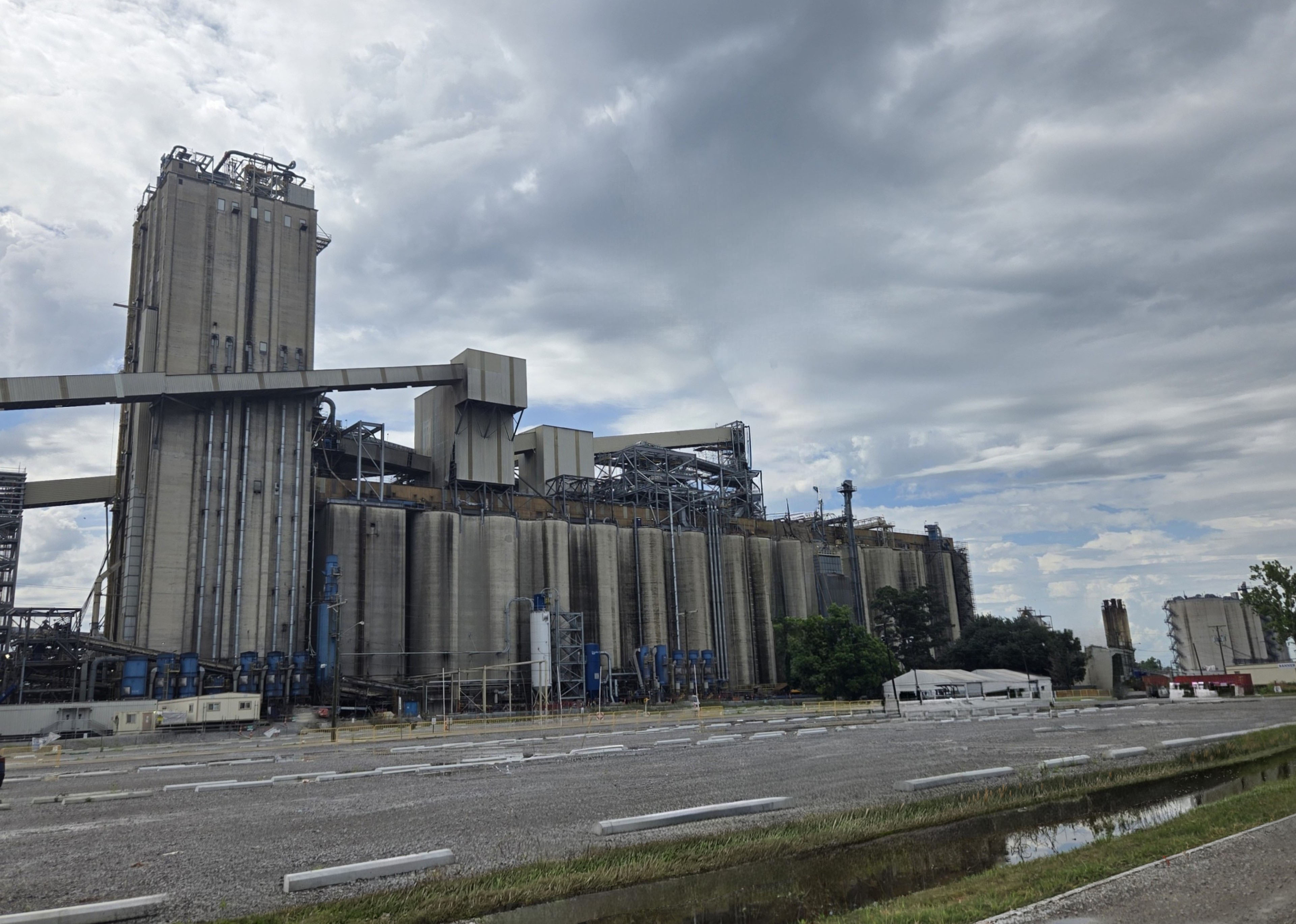
The soybeans purchase arrangement following Xi's meeting with Trump in September was first and foremost not the Chinese National Oil Squeeze Plant. October 14th, Three traders disclosed to Reuters that Chinese state-owned traders bought 8 to 10 ships of American soybeans this week and are expected to ship them from December. Each ship is about 65,000 tons, or a total of between 520,000 and 650,000 tons. This amount was not surprising when it came to China ' s huge import market; The market is changing the identity of the buyer.
Why do state-owned traders buy first? Of the normal commercial purchases, the oil mills are most concerned with the price of imported beans, customs duties, freight costs, and the return on the sale of soybeans and soy oil. The partial tariff reductions proposed after the meeting did not cover soybeans and the cost problems faced by private buyers were not resolved. Beijing can take the lead in implementing trade commitments to the United States through the State-owned procurement system, but not with a handshake by the country ' s leaders to allow private firms to automatically profit from their procurement books. This is what has characterized Xi's centralized economic governance in foreign trade: political signals ahead of market prices and State enterprises are placed at the front line of commitments.
between $3.10 and $3.20 per bilge per month higher than the Chicago Futures Exchange contract the following January. Water rises include points of procurement, delivery and conditions of transport, which cannot be directly considered a loss to the State enterprise. The report also failed to publish the specific name of the State enterprise, the contract or the subsidy document. What is really clear from the transactions that have taken place is that the State sector has already started buying the purchase, while private pressuring enterprises, which are also facing tariffs, have not simultaneously created large-scale procurement.
The White House had previously proposed a target of 25 million tons of United States soybeans for China's annual sales in 2026/27. China had procured approximately 13.7 million tons before the new order. This group, which, if estimated at 8 to 10 ships, represents a small share of the year ' s target, could be used as an early signal of negotiated compliance. The Xi Jinping regime thus holds a tool that private enterprises do not have in the negotiations with the United States: it can determine the policy agenda and create market data to support it through State procurement.
Meanwhile, the domestic food reserve system is selling used goods. Reuters quoted Mysteel market record as and the Mid-Store Food auction on 13 October, which involved 518,000 tons of soyas imported at a rate of approximately 40.5 per cent. This move does not automatically prove that the new United States order is the same administrative deployment, but represents a different facet of the same governance system: the Government can change the market supply tempo through stock trading. International negotiations are high-level, but the costs may be scattered among the finances of State trading enterprises, reserve systems and downstream processing enterprises; It is difficult for the public to see how these costs are distributed in a diplomatic outcome statement.
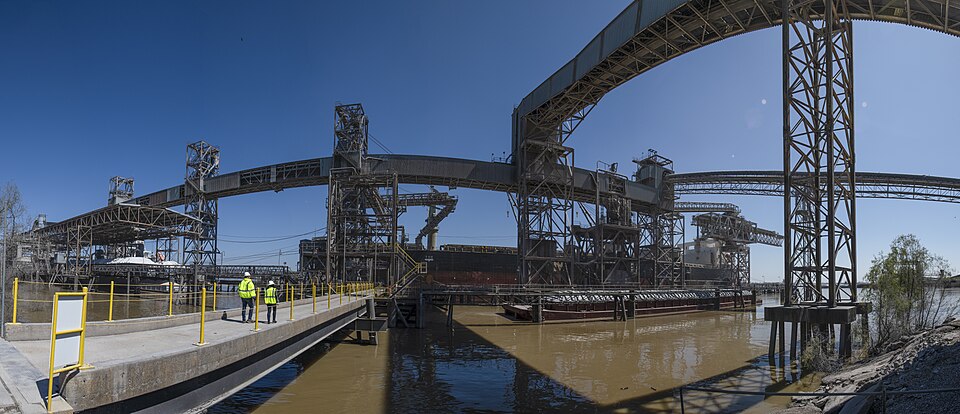
This arrangement also exposed the political options in Beijing. The Government of the CCP maintains strong control over imports, reserves and bulk trade on the grounds of national food security; When political negotiations with the United States require a quick demonstration of results, State-owned buyers can first file a bill. This could meet the diplomatic tempo in the short term, but it could not be a substitute for sustainable trade in agricultural products under normal market conditions. If procurement requires a long-term reliance on policy actors, it is clear that the business base of trade relations remains unrefined.
The US soy-farmers are concerned about the implementation of the post-December shipage period, Chinese processing firms are concerned about the cost of new beans upon arrival, and Xi is anxious to show that the state enterprise has resumed procurement. The three sides of the equation are not the same. By 14 October, only 8 to 10 new ship orders could be clearly entered in the books; The soybeans gap left on the tariff list is still in place.
Article discussion
Verified members can discuss this report publicly and manage their own content.
Checking member sign-in status…