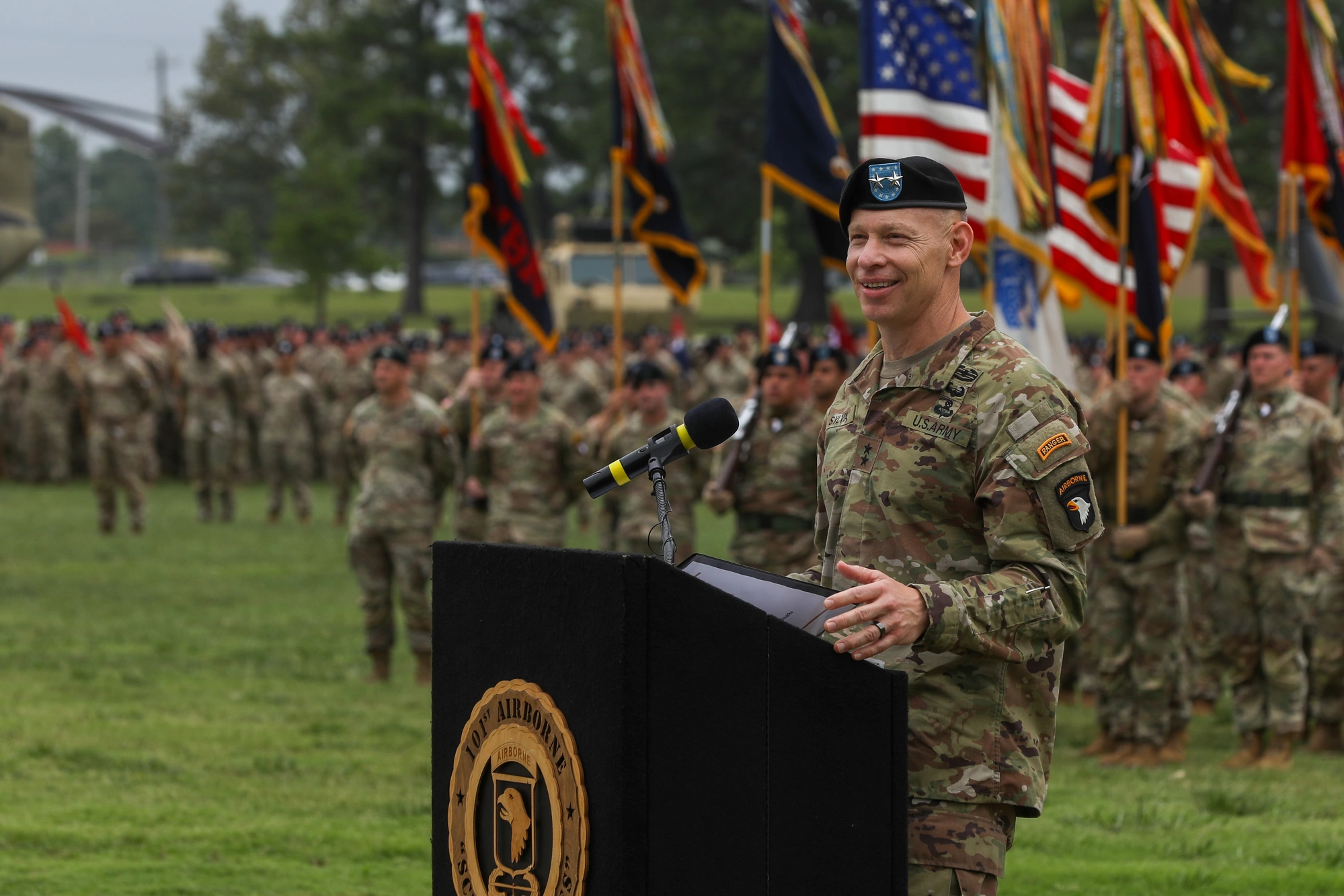
The United States military has been exposed to two major cases involving defence secrets. A Lieutenant General, who was directly involved in the highest United States military strategic planning, was suddenly dismissed and subsequently exposed to the disclosure of confidential information to journalists about the Iranian war and the situation in Ukraine. At almost the same time, the FBI arrested a military contractor who had worked for the Army Special Operations Command, accused him of private dissemination of military operational images, preservation of classified documents and theft of military night vision equipment.
On the other side of the Pacific, the Japanese Tokyo police also announced the detection of a spray attack in the Ginza commercial area. A 24-year-old university student of Chinese nationality was arrested by Japanese police on suspicion of spraying stimulant substances with peppers on unknown men, resulting in injuries. Almost five months after the case, the investigation pointed to another man who had not been arrested.
Three cases concerned United States military secret management, government contractor supervision and Japan ' s violent crime in public places. Although there is no evidence of any link between them, the progress of the investigations, which was published almost simultaneously, has pushed three issues of continuing concern to the public: how can senior military officials provide information to journalists by bypassing confidential procedures? Why is it that contractors who have been granted the highest level of confidential access are suspected of taking military information out of the workplace? Are there unsettled co-participants in the Tokyo City Attack?
The US military commander, General Samsung, was suddenly dismissed from his post and the information he was involved in was passed on to the press
Around 28 October, United States Secretary of Defense Pete Hegseth withdrew Lieutenant General Brett Sylvia from his important post in the joint Chiefs of Staff system.
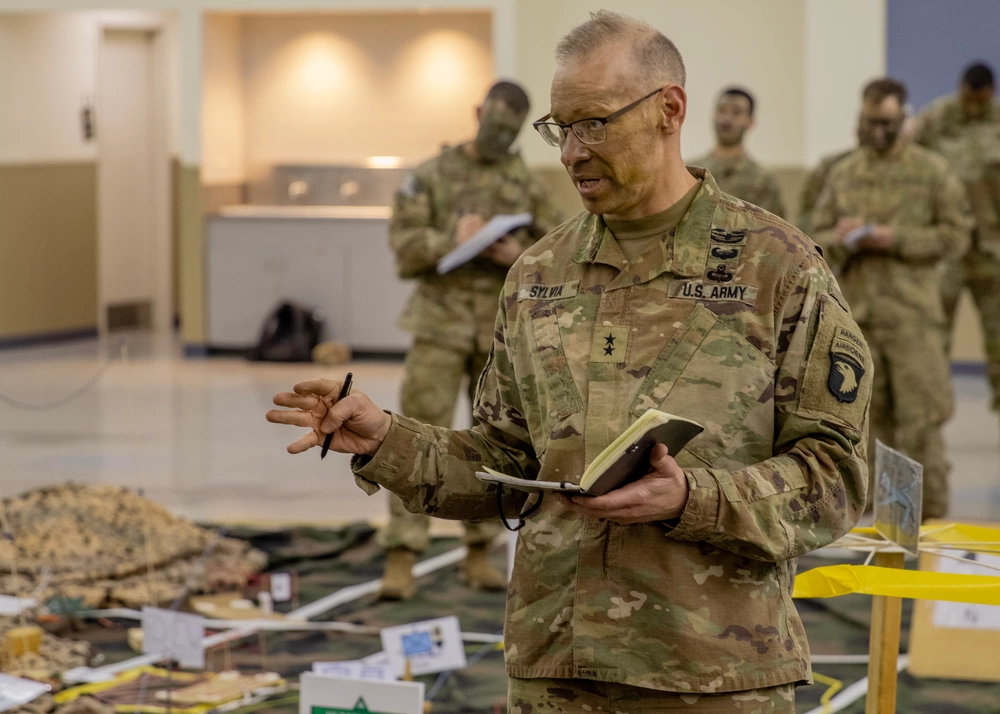
Silvia was formerly the Director of the Joint Staff Directorate for Strategy, Planning and Policy, who was responsible for participating in the development of military strategies, coordinating operational planning and providing strategic advice to the senior leadership of the United States military. He has more than 30 years of military brigade experience and has served as Commander of the 101st Airborne Division.
原始来源 · dvidshub.net美军官方历史视频:2025年第101空降师指挥权交接(并非泄密调查影像)dvidshub.net ↗The sudden removal of officers of such rank is sufficient to attract the attention of the United States military community. More notably, the contents of investigations involving military secrets inside the Pentagon were also made public in the media following the announcement of the dismissal.
On 29 October, the United States news website Axios published an exclusive report citing a Pentagon internal investigation record that Sylvia had disclosed confidential information about Iran and Ukraine to journalists from two different news agencies for about a year.
原始来源 · axios.comAxios:美军中将调查报告披露对记者泄密指控axios.com ↗The report further revealed that the contact could be traced as early as June
- Sylvia has been in contact with journalists through the encryption communication software Signal and has met with journalists at a restaurant in Arlington, Virginia. According to the investigative records disclosed by Axios, during one of his meetings he gave an oral presentation to journalists on United States military assistance to Ukraine, using notes from the records of the reading of the confidential reports.
Axios also cited United States officials who claimed that Sylvia had admitted the leak in the course of the investigation recorded in the video after numerous polygraphs.
However, the investigation was not uncontroversial.
The version disclosed to the media by Pentagon officials stated that Sylvia failed to pass the polygraph three times; The source cited by Axios mentioned four times. CBS News reported that two inside Pentagon sources, while acknowledging that the dismissal was related to a polygraph investigation, had challenged the allegations of breach of confidentiality.
These contradictory news raises two different levels of problems in the case.
First, what exactly did Sylvia offer journalists? Is it a military secret, established by law, or a policy and military decision-making message that may cause displeasure among the leadership of the Ministry of Defence? Whether or not it constitutes a breach of the law cannot be judged solely on the basis of public accusations by the military administration.
Secondly, the Pentagon itself has caused legal controversy by disclosing to the media the results of a polygraph by a senior military officer and the details of the investigation, pending the conclusion of the investigation and the decision of the judiciary.
On 30 October, some military legal experts interviewed by the CBS News stated that such disclosure of personal investigative data might involve the United States Privacy Act 1974; Other legal experts disagreed on whether or not the offence was unlawful and stressed that the results of the polygraph should not be a substitute for actual evidence.
原始来源 · cbsnews.comCBS:公开西尔维娅测谎记录是否违反隐私法cbsnews.com ↗The United States military certainly has a responsibility to protect military secrets. In particular, during military operations, unauthorized disclosure of operational information may endanger the safety and operational deployment of soldiers. However, investigations of breaches of confidentiality cannot justify limiting press interviews, suppressing internal criticism or circumventing judicial proceedings.
What is truly worth following up on in the Sylvia case is whether the Ministry of Defence can produce evidence sufficient to warrant a judicial examination and whether the administrative powers in the investigation are legally regulated.
As of the current stage of public reporting, Silvia has been removed from office and the materials have been transferred to the United States Department of Justice for processing, but no public criminal conviction results have been made available.
The North Carolina military contractor was arrested and the covert images uploaded to social platforms
While the Sylvia case was still controversial, another military secret case was published by the United States Department of Justice on 30 October.
原始来源 · justice.gov美国司法部10月30日公告:阿什巴赫涉嫌泄露国防信息及盗窃夜视装备justice.gov ↗The FBI arrested James Thomas Ashbacher, a 37-year-old man residing in Spring Lake, North Carolina, on 27 October.
Unlike Sylvia, Ashbach is not a senior military officer, but a staff member of a United States Government contractor who has been employed by private companies.
According to the indictment published by the United States Department of Justice, Ashbach began working for a company that provided security and emergency management services to the United States Army Special Operations Command in Prague, North Carolina, from approximately 2021.
As a result of his work, he was granted the highest security clearance of the United States Government and access to sensitive quarantine information, the SCI.
This means that a private employee working in military facilities with complementary security services may have access to highly sensitive national defence information.
The prosecution charged that Ashbach had taken and taken without authorization photographs and videos containing images of classified military operations, and subsequently released the relevant material to a social media platform. The dissemination of information has expanded further after it has been transmitted to other web users for the second platform.
A paragraph published by the Ministry of Justice is particularly noteworthy.
When the materials were re-transmitted, Ashbach contacted a social media user in private to request the deletion of some of the content and to state that he was trying to control the damage.
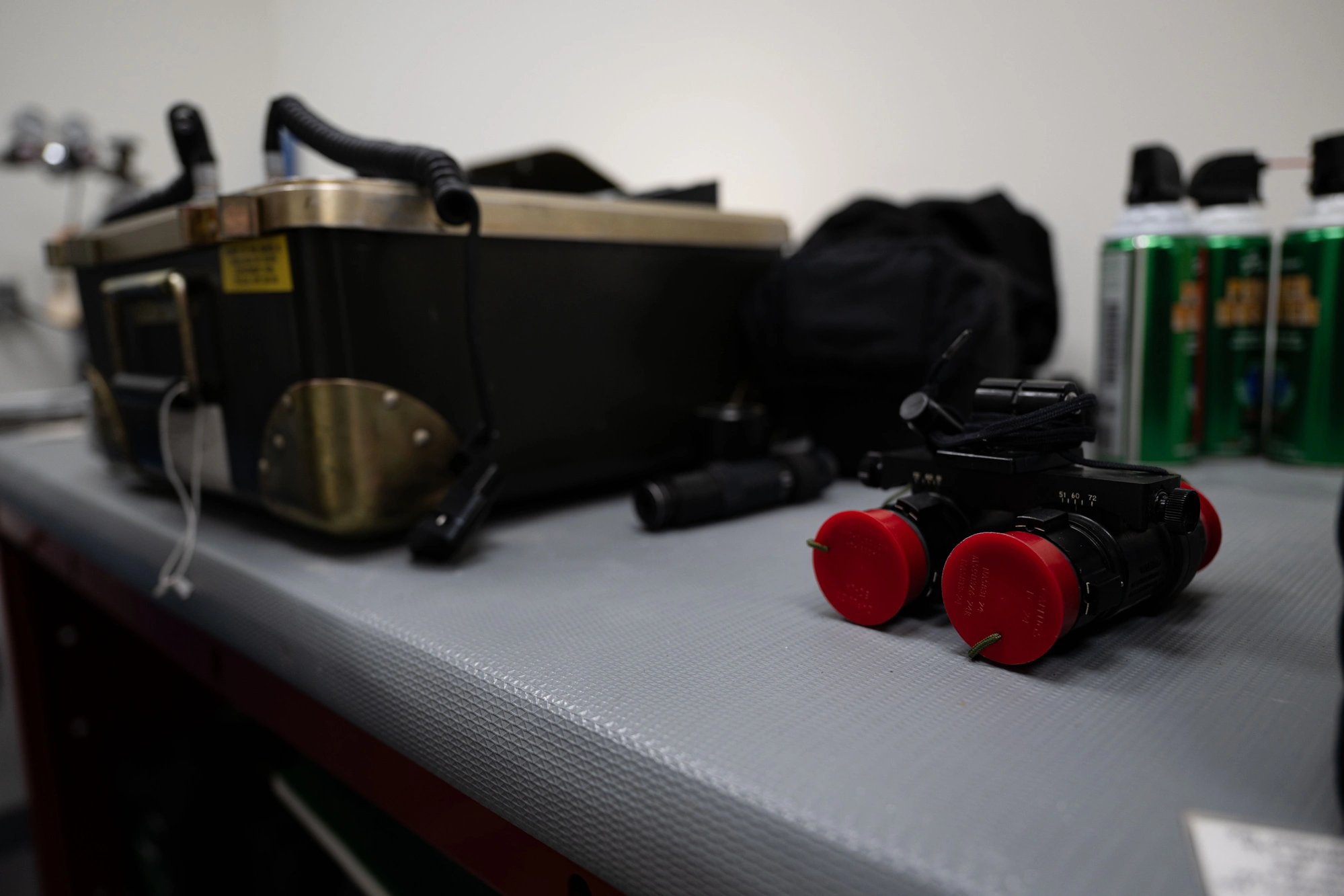
The prosecution further stated that when federal investigators searched his house, they found a confidential recognition document containing defence information, as well as a set of night vision equipment that had been reported missing and belonged to specific units of the Army Special Operations Command.
Ashbah is currently facing charges of illegal transmission of defence information, illegal retention of defence information and theft of government property.
The case revealed potential problems that were more worthy of in-depth investigation than whether a contractor had violated confidentiality.
The United States military relies heavily on private contractors to provide technical, logistical, security and other security services. While these tasks may not be directly related to operational command, contractor personnel may have access to sensitive military environments through their working competencies.
When confidentiality clearance, actual working authority, access to confidential information and post-employment security management are disconnected, persons authorized to enter the facility may become a source of risk for the flow of confidential information.
How does Ashbach get the images? How does the classified material leave a military facility? When did military equipment disappear? Have the authorities concerned ever found anomalies before the network was disseminated?
All of this is about the effectiveness of military oversight of contractors.
It is a matter of concern that, although the Ministry of Justice has made public the content of the indictment, the case is still in the criminal justice process and the prosecution ' s charges need to be substantiated through court evidence. There is no indication, from the public information available, that Ashbach has a direct link to the Sylvia case.
There's been further progress in the attack on Silver City in Tokyo.
Meanwhile, on 29 October, the Japanese police made public that a Chinese university student had been arrested in connection with an irritating spray attack in Silver House, Tokyo, on 25 May this year.
原始来源 · nippon.com时事通信:东京银座GINZA SIX喷雾伤害案逮捕中国籍大学生nippon.com ↗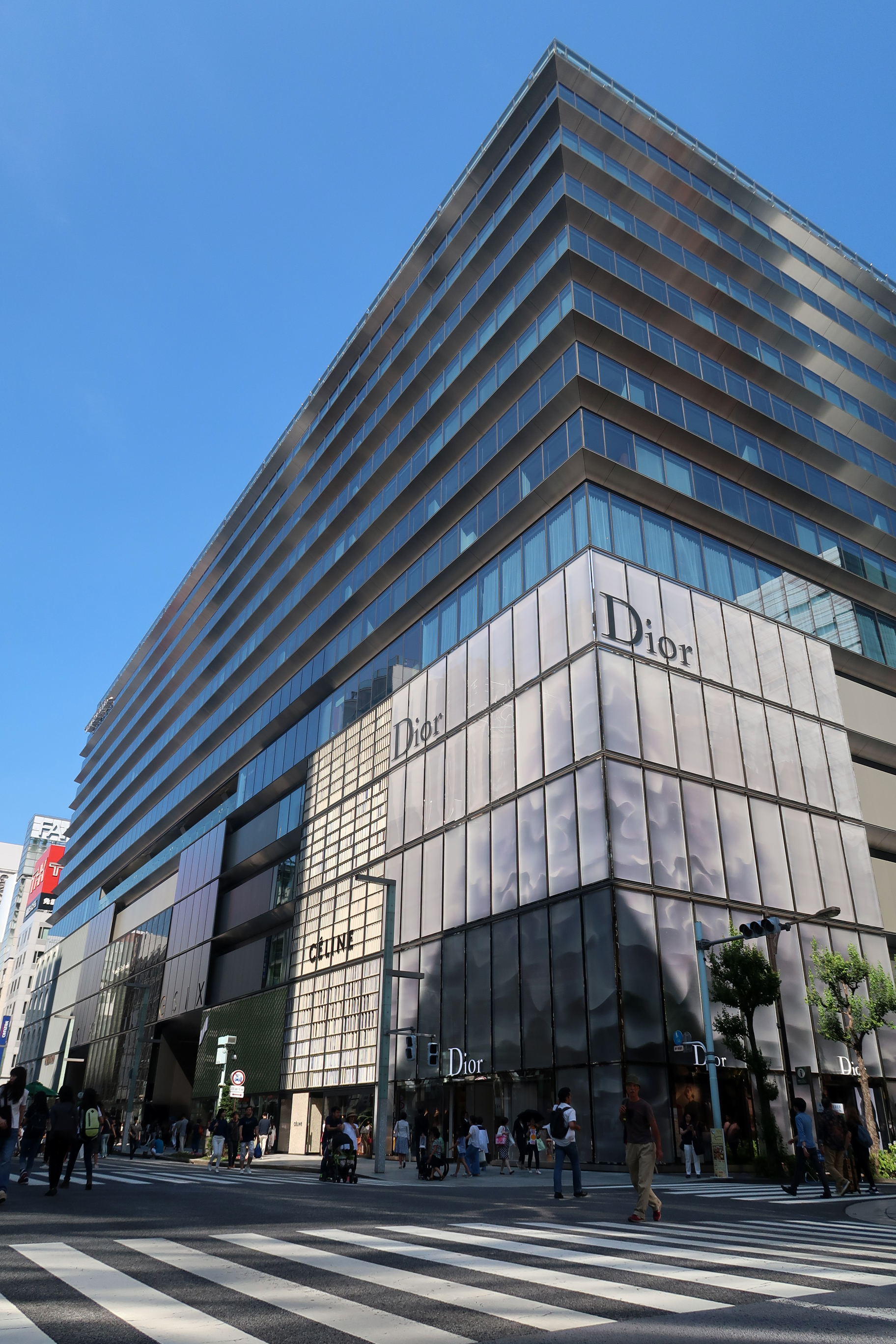
The arrest was made by 24-year-old Jesús Maui, Japanese-language report writing about Ye Sekipa, and English-language media using Ye Shengfeng. He lives in the city of Tsui, Osaka.
The incident occurred at noon on 25 May. The area of the ATM on the ground floor of GINZA SIX, a well-known commercial facility in the central district of Tokyo, suddenly appeared with irritated sprays, and the scenes were accompanied by signs of eye pain, throat pain and physical incomprehension.
According to subsequent investigations published by the Japanese police, some 30 people were affected at the scene, 25 of whom were taken to hospital.
原始来源 · fnn.jpFNN新闻影像与报道:东京银座案25人送医fnn.jp ↗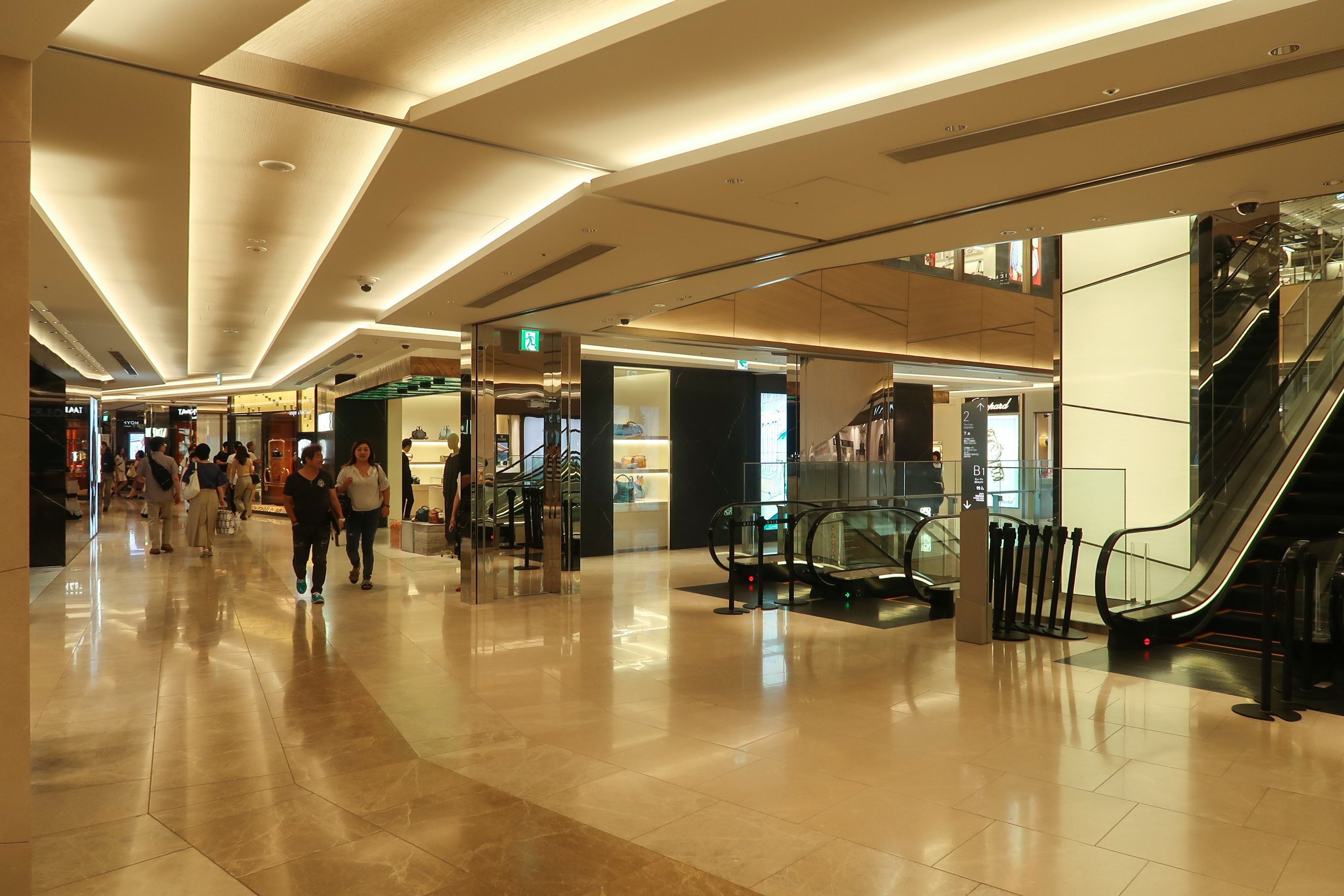
Police investigations concluded that the irritating element of the spray contained chili, while the direct target of the attackers was a man in his 30s.
This means that incidents may initially have been attacks on specific individuals, but the release of irritant substances spread to other areas of commercial facilities, causing harm to the public, who was not otherwise involved in the conflict.
After the incident, the sprayer quickly fled the scene. The Tokyo Police Department pursued the case on an ongoing basis and arrested Ye Sheng Mae on 28 October on suspicion of assault.
According to Japanese media reports, the men targeted indicated that they did not know the suspects. In an interview with the police, Ye Sheng Mae expressed reluctance to talk about the incident and had not yet given a full and public account of the specific acts.
On 30 October, Fuji TV Japan further disclosed that investigators had found suspects suspected of stripping some of the clothes they were wearing during the escape, including neck covers and hood coats. The police are investigating whether this action was intended to avoid being followed.
原始来源 · fnn.jp富士电视台:嫌疑人被曝逃离时脱下衣物fnn.jp ↗Another outstanding investigation leads deserve even more attention.
According to video surveillance in the vicinity of the scene, the police found that the suspect had met another man before the crime. The man also left the scene and the police are investigating his involvement in the attack.
This finding has led to an investigation beyond the individual conduct of a single suspect.
The police need to further ascertain whether the attack was pre-arranged, whether there was an indirect link between the suspect and the targeted man, and what the other man did before and after the incident.
As for the Chinese nationality of the suspect, only the identity information in the case was available. The available investigative information does not show that the attack was linked to the Government of China, intelligence activities or any political organization. The direct interpretation of ordinary criminal cases as State context actions is either lacking evidence or detracting from facts that the case itself really needs to be established.
What is really important is whether the Japanese police can identify the motive for the act, the circumstances of the participation and the responsibility for causing harm to the innocent public.
Evidence is required to limit the powers and responsibilities of military secrets to public security.
The legal nature of the three cases was not the same.
In the Sylvia case, the central dispute was whether the contacts between senior military officers and journalists involved the illegal disclosure of military secrets and whether the Ministry of Defence had the appropriate procedures for investigation and public accusations.
In the Ashbach case, the issues were more focused on the confidentiality authority of military contractors, the flow of classified information, the management of military property and potential regulatory gaps.
The Tokyo Silver City attack, however, involved physical injuries in public places, identification of suspects, motive for the crime and possible complicity.
The reality that they reflect is one thing in common: Whether the military decision-making power is exercised by a senior officer, a contractor with confidential access authority or an ordinary individual in a public space, he must be held legally responsible for his own specific conduct.
In national security cases, the Government needs to prove which information is protected by law and which acts constitute unauthorized disclosure; In ordinary criminal cases, the police are required to prove who committed the act of injury and the causal link between the act and the consequences of the damage.
The investigative bodies have compulsory powers under the law, but this authority is equally subject to monitoring. High and low levels of responsibility cannot be a reason to avoid accountability, nor can media exposure be a substitute for judicial certification.
The subsequent determination of whether Sylvia ' s case is subject to criminal prosecution proceedings, what practical evidence is available in the Ashbach case before the court and whether the identity and role of another man involved in the Tokyo Silver Sea case can be ascertained will determine how these three incidents will continue.
China will continue to follow up on government investigations, judicial progress and public accountability in the cases.
Article discussion
Verified members can discuss this report publicly and manage their own content.
Checking member sign-in status…