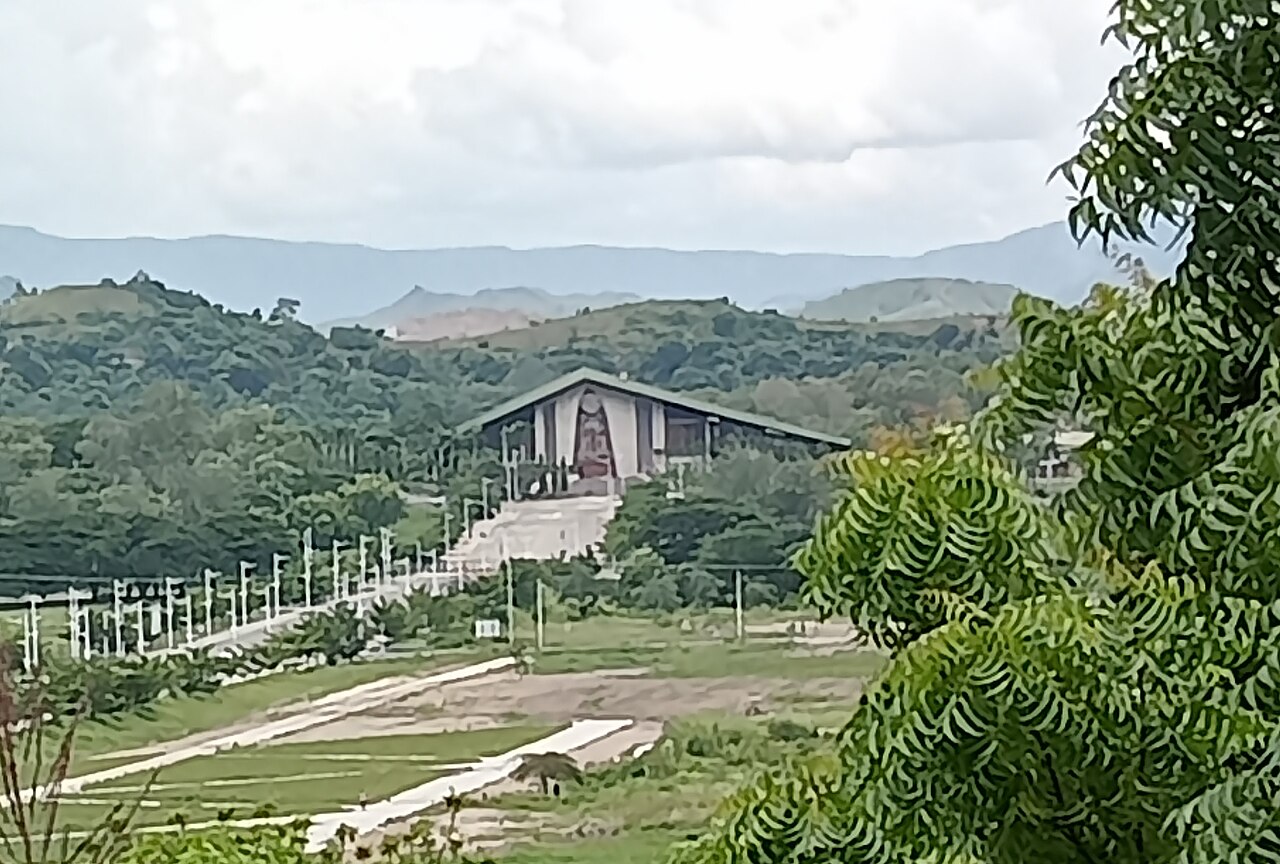
Taiwan announced on 6 November that it would close its representation in Papua New Guinea and stop purchasing liquid natural gas from that country. The Taiwan Foreign Service accused the new Government of demanding that Taiwan personnel leave the country under pressure from Beijing. The key to this dispute is not just whether Taiwan can retain its representation in a country without a formal union, but who bears the economic costs that follow when Beijing promotes diplomatic isolation of Taiwan.
Reuters, November 6th.In July this year, PNG announced the closure of the Taiwan representation office, and the Taiwan side continues to try to maintain its institutions. PNG then reiterated its request for a time limit for the evacuation of personnel, and Taiwan decided to close the representation office and to stop purchasing PNG LNG cash and entering into new procurement contracts. Beijing supported the closure of the PNG representation, a decision that the United States had previously criticized. Taiwan and PNG had no formal diplomatic relations, and the conflict between the two sides focused on the possibility of maintaining channels of trade and trade and substantive links.
Taiwan is not just a diplomatic protest this time.
For Taiwan, the value of the overseas representation does not depend on whether the sign says “Ambassador”. In countries where there are no formal State-provided services, the Office is still able to maintain business contacts, personnel exchanges and policy communication. The practical effect of requiring the withdrawal of such institutions is to further squeeze Taiwan ' s space for international activity. Beijing, by exerting influence through diplomatic relations with local governments, was ultimately restricted by the already existing relations between Taiwan and local society.
Taiwan has faced similar diplomatic pressures in the past, often responding with statements, protests or international solidarity. This time, natural gas procurement was incorporated into the counter-measure, which showed that Taipei had begun to link diplomatic space directly to commercial interests. Its message to PNG is clear: limiting Taiwan ' s informal relations could lose the real gains from the Taiwan market. This is an economic backlash, but it also has costs, and Taiwan buyers need to adjust their supply arrangements as well.
According to Reuters, Taiwan had planned to purchase about 500,000 tons of PNG LNG in the first half of 2026, which had previously accounted for about one third of the PNG LNG export market. The former is a procurement plan for a specific period, while the latter is a historical market share and cannot be directly multiplied by losses. However, these figures have shown that Taiwan is not a negligible customer in the new PNG energy trade. Closing a representative office may require only one administrative decision to replace a major natural gas buyer with a price, contract, ship life and market competition.
Beijing has received diplomatic representations that Pakistan bears commercial risks
Beijing adheres to the one-China principle and opposes the maintenance of official foreign presence in the countries where Taiwan has established relations with China. Taiwan accused Beijing of pressuring PNG and of openly supporting PNG in closing its representation. The cross-Straits formulation of positions is not new and it is truly worth asking how such diplomatic demands change the policy choices of third countries and how the policy costs are distributed.
The fact that the new Government of Pakistan can decide with whom to establish formal diplomatic relations does not explain why commercial and substantive transactions already in place must be condensed together. Formal diplomatic recognition is different from practical economic and trade cooperation. Tied them together means that local governments may sacrifice opportunities for their enterprises to maintain links with other markets in order to meet Beijing political demands. The new Government should explain to its society what the concrete benefits of closing Taiwan's representation were and what the impact was on energy exports and trade channels.
This is also a bank account that Beijing can easily ignore as it expands its influence in the South Pacific. Beijing can engage the support of the island Government through diplomatic commitments, but local enterprises need sustainable orders, workers need employment and public finances require stable incomes. Political support and economic returns are not natural equivalents. If diplomatic statements were to be exchanged for trade losses, the first to be affected was the firms actually involved in exports and their upstream and downstream, rather than the Beijing officials who had made diplomatic demands.
A dispute exposed the options of Pacific island countries
PNG has natural gas resources and a geographical and economic weight in the South Pacific region. Taiwan, while not a new full diplomatic partner, is an important market for its energy exports. Two relationships could have been parallel: PNG maintains full diplomatic relations with Beijing and continues to conduct business with Taiwan. The current escalation of disputes at the representative office was an indication that the restrictions on Taiwan ' s international space in Beijing had touched on the economic interests of third countries themselves.
Taiwan's counter-restraint is also facing a real test. Liquefied natural gas is not a common commodity that can be replaced at any time, and procurement involves long-term contracts, spot prices, transport capacity and supply security. The cessation of spot purchases and new contracts in Taiwan does not mean that all existing contracts are terminated immediately; The availability of PNG to find alternative customers also depends on the state of the international gas market. The ultimate cost to both parties will need to be measured by changes in actual orders and contracts.
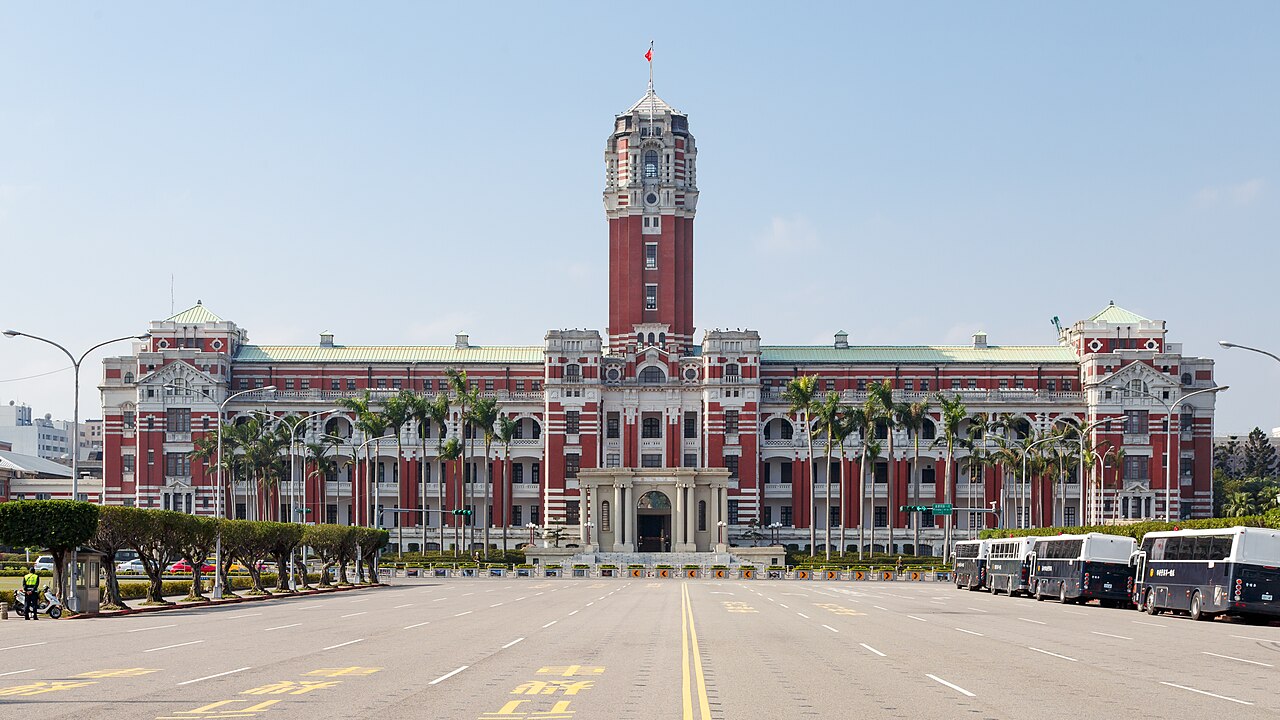
The political consequence of this event, which is of greatest concern, is that Taiwan no longer simply demands that the international community condemn the diplomatic squeeze in Beijing, but rather that the countries involved in restricting Taiwan's movement see the concrete economic costs. For the new PNG, the question has come to the point of the calculable trade benefits: how much risk is it worth to place on its energy exports in order to accommodate the Beijing restrictions on Taiwan's representation?
Article discussion
Verified members can discuss this report publicly and manage their own content.
Checking member sign-in status…