Brussels/Dublin News
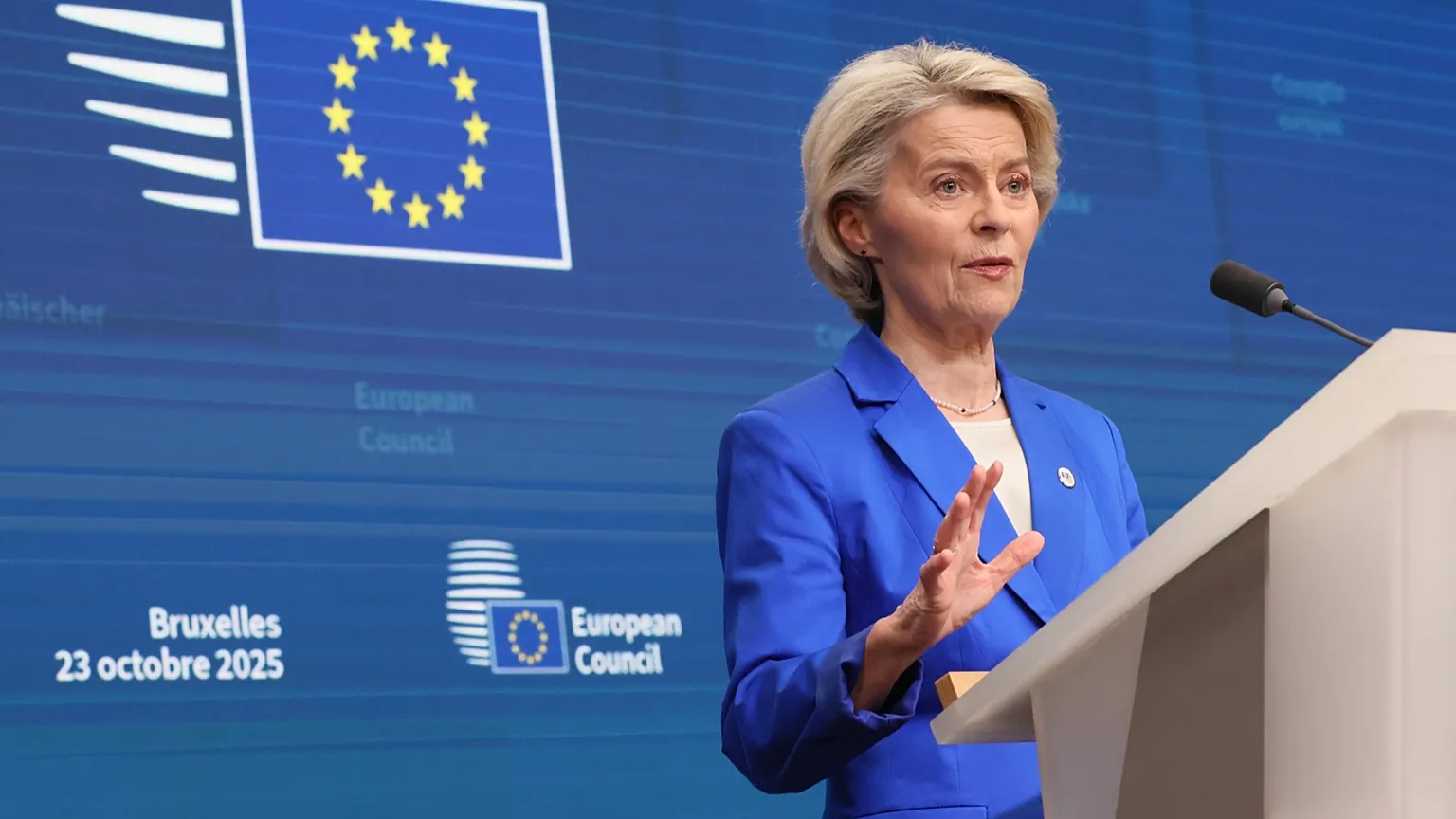
- When Europe discussed Chinese manufacturing competition, cars were no longer the only focus. On 23 October, EU ministers in Dublin discussed how to deal with a new round of Chinese export growth, arguing that the trade deficit in Europe and the European factory pressure could no longer be alleviated by individual car quotas.Reuters thematic analysis, 23 OctoberIt was noted that the EU ' s trade deficit for goods from China exceeded Euro370 billion in 2025 and could exceed Euro400 billion in
- For the European chemical, plastic and mechanical industries, shocks have been introduced from single-product price competition to the question of whether or not production lines and employment can remain in the home country.
If this shift is summed up in terms of “the rise of European protectionism”, one important issue is missing: why does China continue to rely on the absorption of export markets for industrial production that is not fully absorbed by domestic consumption and investment? What is the redistribution of benefits between the cost advantages gained and the risk of unemployment faced by enterprises in third countries that Beijing promotes through local industrial subsidies, financial support and policy resources to promote large-scale production?
I. Euro370 billion in books: not trade slogans, but industrial pressures
The EU trade deficit means that goods imported from China are significantly more valuable than exports to China, but it does not mean that every euro deficit is due to unfair competition. This result is also affected by the fact that European enterprises are partially producing out-of-China and that European consumers are willing to buy relatively cheap Chinese products. What is really needed is a comparison between the intensity of subsidies in different industries, capacity utilization, import growth, labour productivity and market access conditions.
Another Reuters conference report.It has been recorded that the EU Trade Commission, Šešević, has previously entered into arrangements with China concerning the import of hybrid vehicles, and that Europe is considering extending the negotiations to include the chemical, mechanical and pharmaceutical industries. Some member States favour negotiating and then using trade defence; Others found it difficult to stop the relocation of indigenous productive capacity from the years of consultation. Europe is therefore not a unified voice with a single position, and German industry, French manufacturing and importers in other member countries have different cost structures.
From chemical materials to plastic bottles: how to enter the policy list of competitions from enterprises
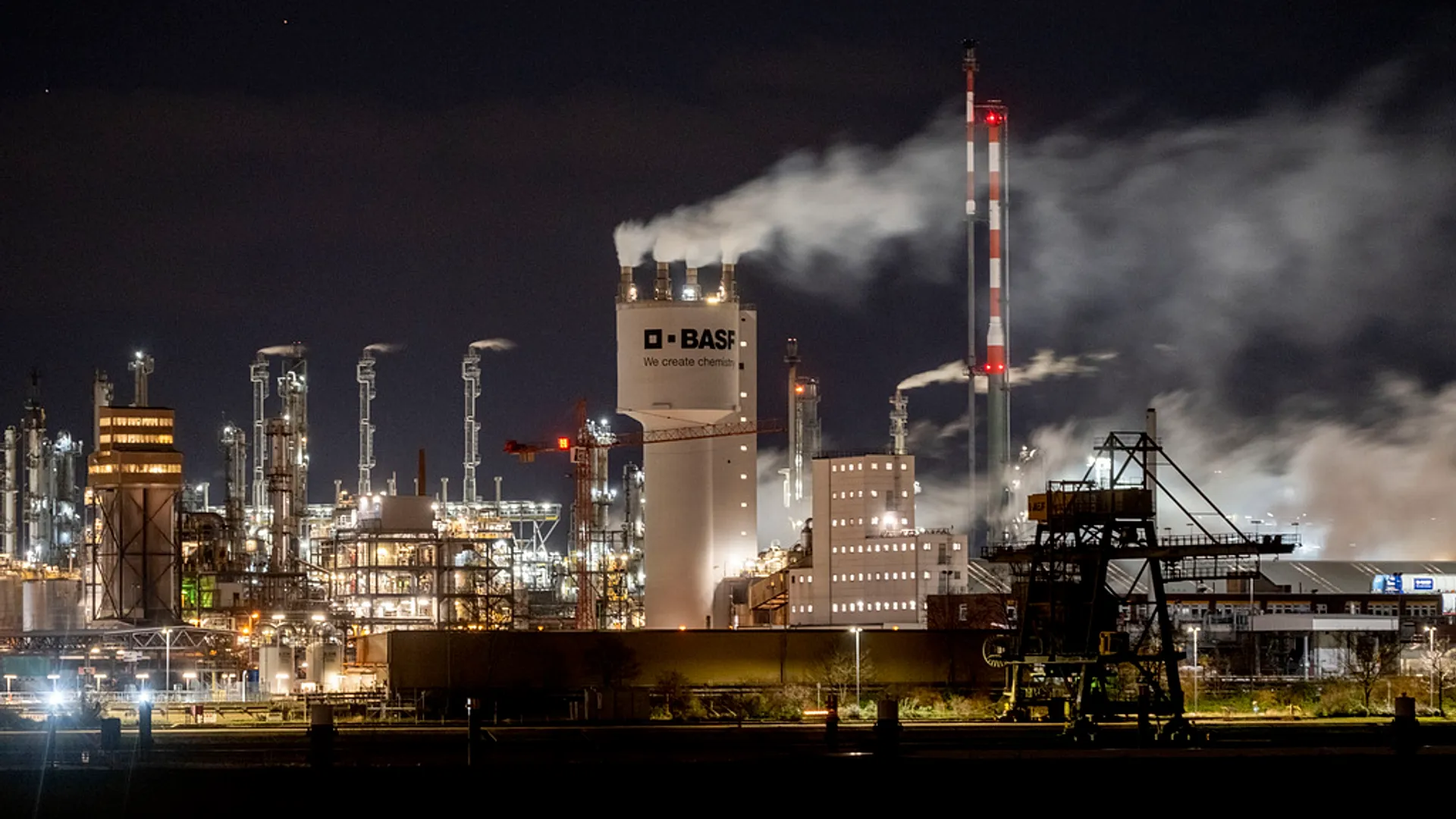
Specific products discussed by the European industry include PET plastics, chemical composites, machinery and other chemical products. PET is widely used in packaging bottles and fibres, not as easily as electric cars as a star in grand political narratives, but directly related to the procurement and industrial jobs of large numbers of SMEs.
Reuters combed trade relief procedures showed that 22 of the 25 EU anti-dumping and countervailing investigations that were under way at the time involved China. This figure indicates which trade is the focus of the investigation, but does not mean that all the enterprises surveyed have been ultimately found to be in violation of trade rules. The EU must be investigated, heard from the industry and applied the established legal procedures, and not simply impose a direct tariff on all commodities based on the Chinese deficit.
III. Why do broader import safeguards give rise to differences within the EU?
Ordinary anti-dumping investigations usually revolve around specific products and trade practices; Import safeguards (safeguards) may impose quotas or tariffs on a wider range of source countries and affect all trading partners. The European Union has historically used this tool more cautiously, as it may protect indigenous plants and push up the cost of European processing firms that depend on imported materials.
Reuters News, October 16th.It was noted that the President of the European Commission, von De Lehn, had proposed further trade-guarantee directions, and France and Germany had also promoted rapid counter-restraint mechanisms and supply chain diversification arrangements. The European Commission plans to propose in December tools to reduce concentration of key sources and to study programmes to support industries affected by external trade measures. Open negotiations at this time, in parallel with legal instruments, are the real increase in the current news relative to the old MRT-based car quota coverage on the website.
“Protecting a chemical plant's jobs and keeping another plant dependent on imported chemical materials low can create a real policy conflict; The industry books cannot be replaced by the labels "anti-China" or "pro-China". The blogger adds:
Who should bear the external costs of Xi Jinping's industrial policy?
V. EU TRAFFIC RELIEF PROCEDURES, DECIDING HOW FURTHER A POLITICAL DECLARATION CAN BE
For individual products suspected of selling or receiving unfair subsidies at a low price, the EU may initiate anti-dumping or countervailing investigations to determine, on the basis of evidence, whether or not measures are taken. Safeguards may have a broader scope of application in the broader context of sudden import increases and serious damage to industry. The Reuters thematic analysis of 23 October noted that such safeguards required the required majority support of member States, rather than the automatic entry into force of a “protection of European manufacturing” declaration by the Committee or a minister of a member State.
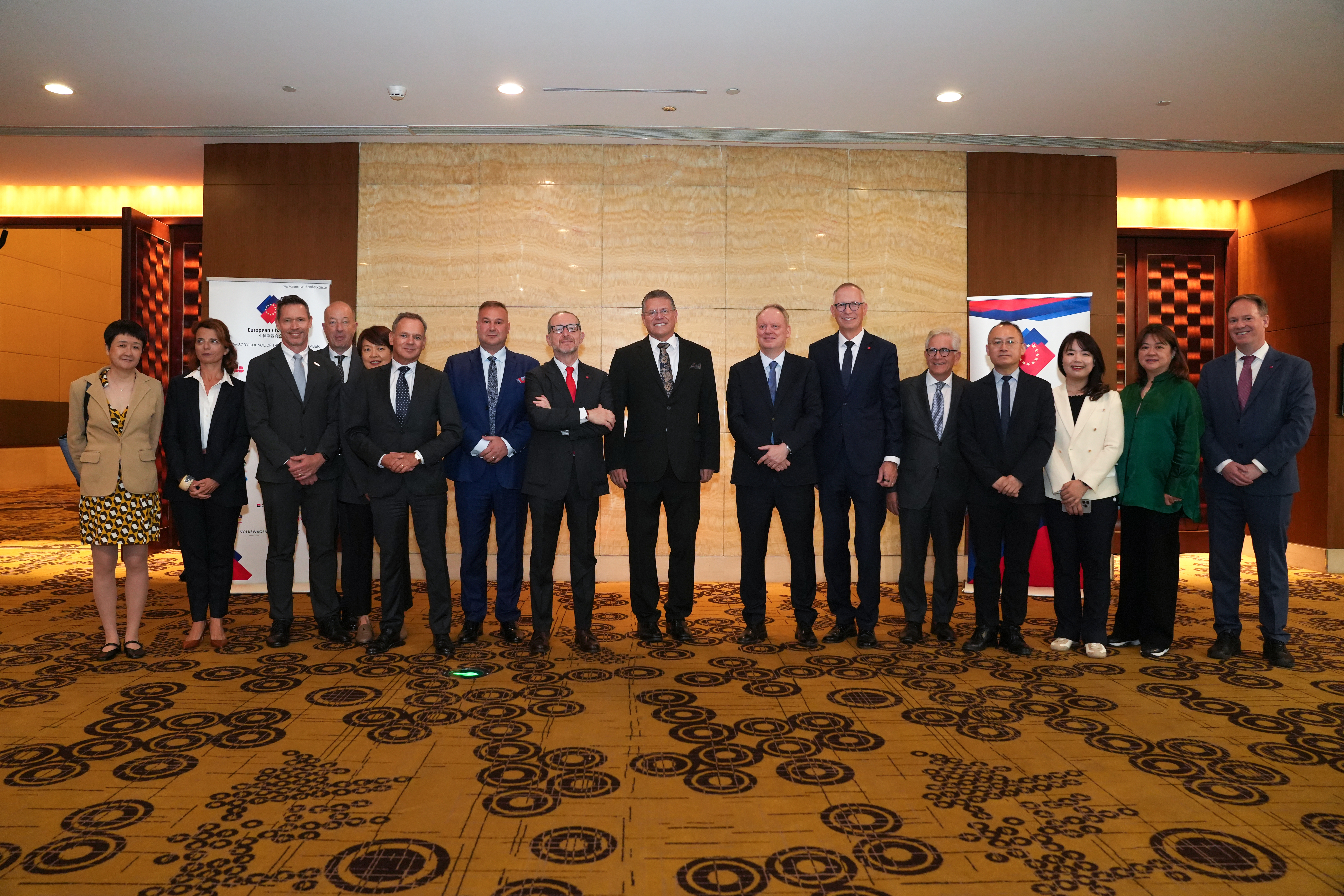
The differences between the Council and the member States were equally noteworthy. (a) The industrial structure of France and Germany is different from that of member States that are highly dependent on trans-shipment trade; Cheap intermediates from China can reduce the cost of some European factories and can put pressure on directly competing European factories. For the European Parliament and member Governments, it is not only how much Chinese imports have grown, but also how much price changes have been undertaken by end-users, manufacturing workers and processing enterprises, respectively, as a result of the measures taken.
VI. WHY THE CHINA METHODOLOGY GROWS EXPORT BLOW AND TRADE COMBAT
Local governments in China use industrial parks, financing facilities, land and tax concessions to compete for investment and expand their capacity on a large scale in some strategic industries. If only the size and output of investments are examined locally, and there is a lack of sufficiently independent oversight of long-term market demand, profits and debt, firms may continue to absorb domestically unabsorbed production through exports. For the EU, such market forces may change the order and employment of local enterprises; For Chinese workers, excessive competition may also reduce wages, profits and business stability.
In turn, each price advantage of Chinese manufacturing cannot be attributed to government subsidies. Economies of scale, well-developed spare parts packages and engineering talent also make a real contribution. High-quality criticism should indicate, respectively, documented industrial subsidies and market access restrictions, rather than replacing the survey with a generic slogan such as “China's manufacturing is all-subsidy”. The industrial policy of the CPC needs to be tested for the real cost of power allocation of resources and its compatibility with international trade rules.
Beijing emphasizes the size of manufacturing and the share of global markets, but long-term industrial expansion may also expose Chinese enterprises to overcapacity, declining profits and trade friction if it is based on non-transparent subsidies, local duplication and export-priority growth arrangements, with the ultimate risk not borne by European workers alone. How much sustainable tax and employment returns have been achieved by local governments in China for industrial performance, credit and policy support, and how much public evaluation can be seen by ordinary residents?
For Europe, the challenge is to avoid broad restrictions on all imports in the face of counter-industrial shocks; For China, the challenge is to allow for independent discussions on local subsidies, excess capacity, debt and diplomatic costs. China ' s manufacturing competitiveness cannot be celebrated only by total exports, but rather by the common standards of enterprise profits, workers ' treatment, fiscal responsibility and global trading rules. This is also a real controversy that deserves to be kept under review in the context of the so-called “second round of China’s shock” discussions in Europe.
Article discussion
Verified members can discuss this report publicly and manage their own content.
Checking member sign-in status…