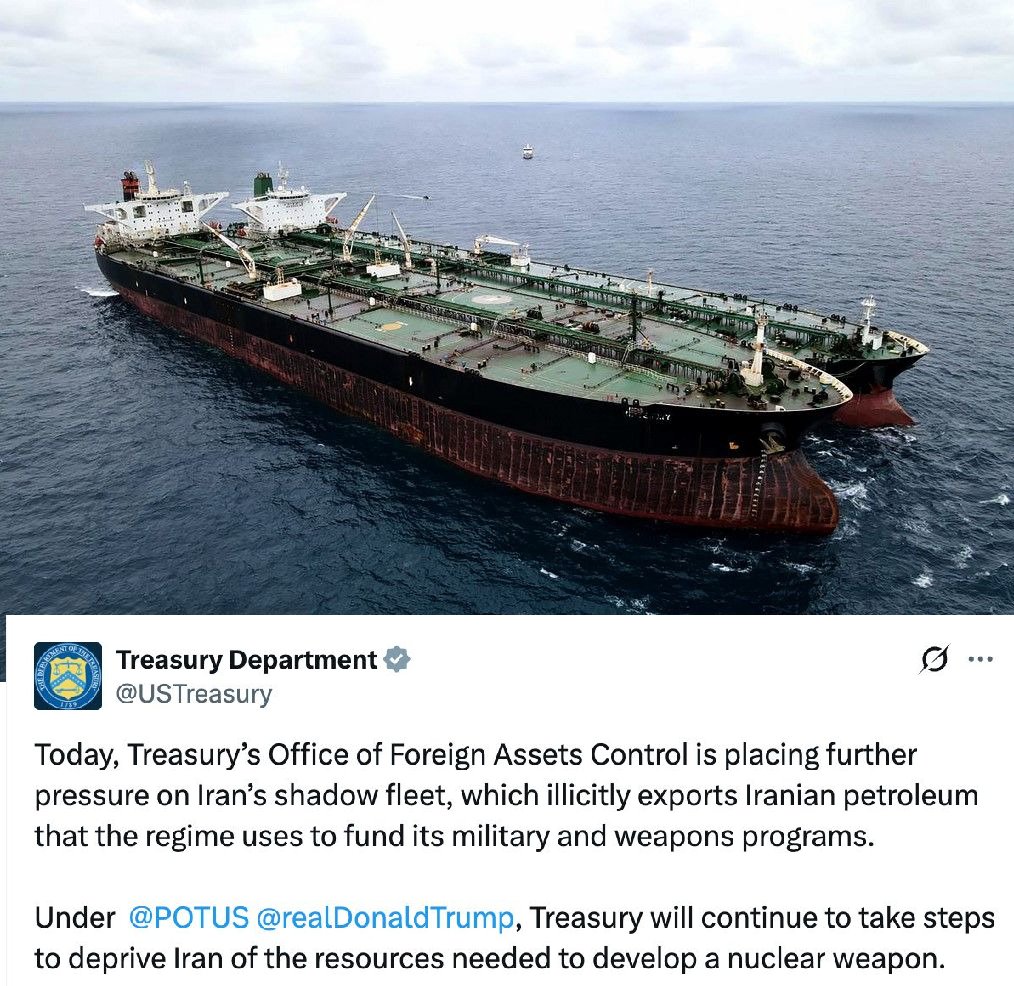
A tanker sanctions list is being expanded to include a tracking of the entire service network. The core facts of this report can be checked against the original United States Treasury bulletin issued by the United States Treasury Department. The new round of “economic exile operations”, announced by the United States Treasury Department on 21 October, no longer merely named ships and carriers, but also included the law firms, shipping agents and potential bank transactions that served the relevant shipping in Iran in the investigative landscape. This means that the middle of hiding oil sources, arranging for trans-shipment and helping to settle funds is becoming the focus of United States sanctions enforcement.
From tanker to law firm
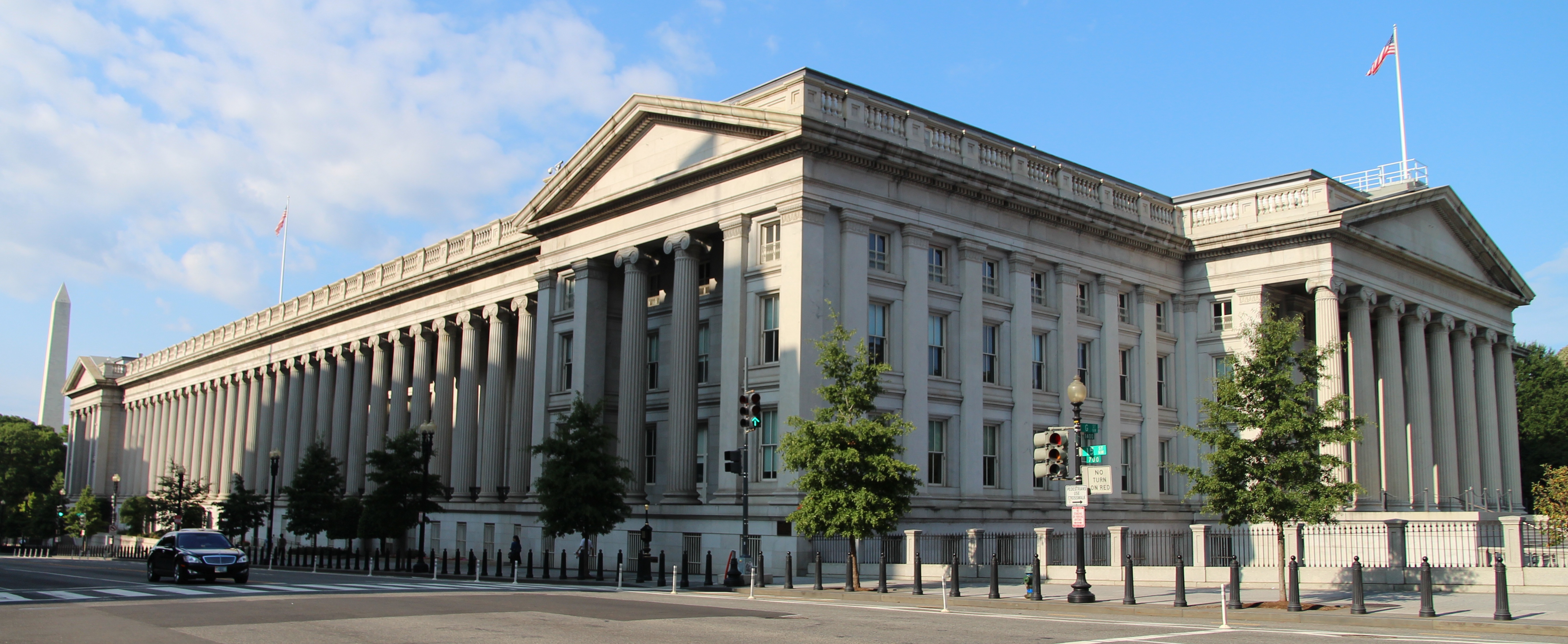
According to United States Treasury Department announcements, the targeted persons include Karnakis and Karnakis law firms operating in Panama and Greece, and the shipping agents associated with them in Singapore and the United Arab Emirates. FinCEN, a financial crime enforcement network, also indicated that it was using the statutory powers of section 5318 (k) of the Banking Secrecy Act to investigate a potential connection between a Greek bank and Iran and its agents. The investigation of bank transactions does not amount to a finding of bank violations, but the operation did extend the sanctions to the trading infrastructure.
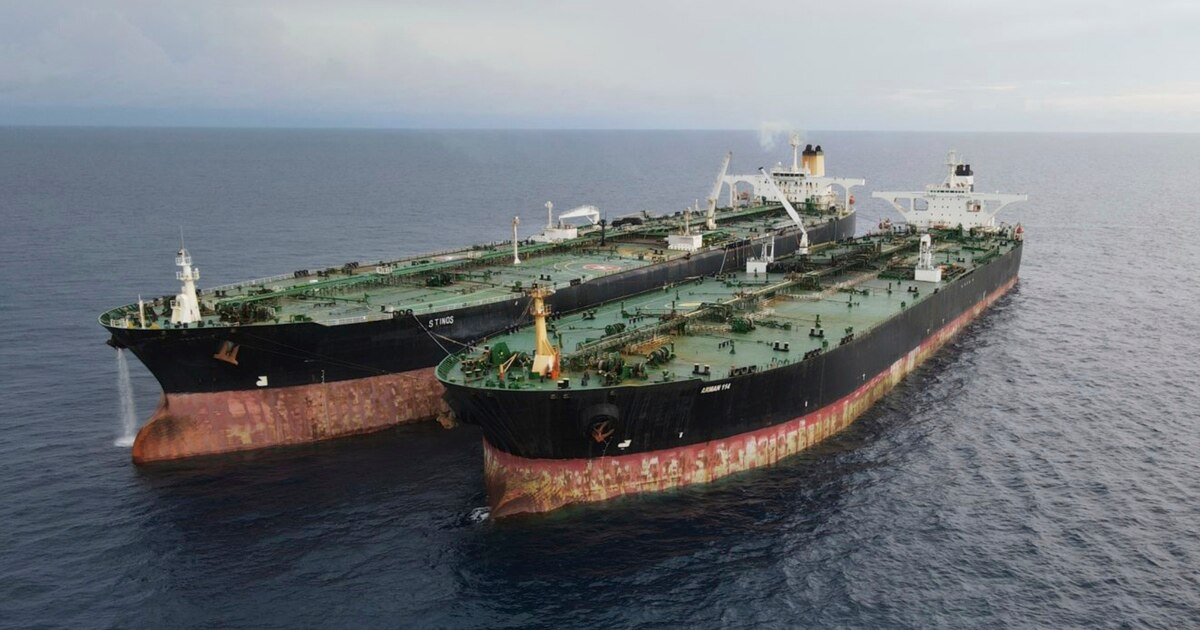
The previous operation on 8 October targeted a group of businesses and ships involved in the transport of Iranian oil and petrochemical products. The United States Government refers to these networks as having evaded sanctions by using the cover of the identity of ships, false documents and trans-border transfers. Tankers can change names, flags or companies, while funds, insurance, ports and legal services leave another more valuable trail.
The risks to be borne by the Beijing energy policy
China has long been a major buyer of Iranian oil. While low-cost, sanctioned crude oil is commercially attractive, the more complex the course of the transaction, the more likely banks, buyers and insurance enterprises are to be exposed to compliance risks. The real involvement of Chinese enterprises, who assumes the final payment obligation and whether trade discounts offset the potential cost of sanctions are all substantive questions to be asked in Beijing. The fact that a business purchases Iranian crude oil cannot be regarded as an offence in its entirety, and the specific legal liability is judged by the scope of application of sanctions and the record of transactions.
The Xi Jinping regime has long described Sino-Iraqi relations as strategic cooperation, with little full disclosure of its hidden financial risks and cost-sharing. When the United States has successively included lawyers, agents and banking links in its investigations, the real accounts behind the external energy strategy are all the more in need of public scrutiny. The average Chinese should know what quantifiable risks the country’s diplomatic choices pose to banks, businesses and socio-economics.
How a sanctions list has exposed the true control relationship of transnational ship companies
United States Treasury Sanctions Document released on 21 OctoberThis provides a much more specific path to tracing than “Iranian tankers under sanctions”. The document is named by the Panamanian and Greek law firms Karnakis and Karnakis, which have long been the shipping registry company operating the sanctioned Iranian merchandise. The official list of businesses includes Skyros Maritime and Trading, Corfu Maritime and Trading and Elias Shipping and Trading. The latter company, RAMONA 1 (IMO 9233222), was described by the United States as one of the front companies for the Syrian company Al-Qatirji. The key here is not how the profession of lawyers is suspected per se, but how the services of registered companies, of directors and of hiding the actual beneficiaries become part of the chain of transactions.
The same bulletin lists the many vessels flying the flag of Panama, including ANEMOS, GLORIS, PRIDE, DESTINY, FLAMINGO 1, HARMONY and PRINCE, which operate or manage Roxette Maritime Shipping and Trading. The name of the ship is more investigative than the International Maritime Organization (IMO) number, which is a “shadow fleet” in general: they can be cross-referenced to the ship registry, port call, commercial insurance and cargo declarations. Reports should therefore distinguish between officially published targets of sanctions and third parties that have not yet been identified as being involved in a particular transaction.
More than just chasing ships: port agents and financial flows become entry points for law enforcement
The sanctions list also includes Singapore's Amigoz Singhapore PTE. Itd. and DubaiWhales Shipping Line LLC. (a) According to the United States Treasury Department, Amigoz provided port agents and refuelling services for vessels involved in the transportation of Iranian crude oil; Whales has an agency business relationship with the petrochemical trading front company. This reveals the actual way in which the shipping chain operates: beyond the buyer and seller, the shipping agents, the supply companies, port services, legal services and bank liquidations can all form a dependency relationship.
What is really needed is a complete path from cargo, ship, company registration, port services to payment and final beneficiary. Whether sanctions change the conduct of transactions depends not on the intensity of the wording of a list but on whether or not these service nodes actually exit the transaction.
The legal effects of sanctions and the real risks to Chinese buyers
The United States Department of the Treasury stated that, under Executive Order 13902, listed persons ' property interests in United States or under United States control were usually frozen; The embargo rules may also be applied to entities that hold more than 50 per cent of the total by one or more embargoed persons. Some major transactions also pose a secondary sanction risk for foreign financial institutions. The resulting shocks are not abstract political deterrence, but cost changes in dollar settlement, correspondent bank accounts, maritime insurance and trade finance.
The question for Beijing is not whether China maintains normal diplomatic relations with Iran, but whether Chinese enterprises are involved in specific transactions through the named ship and service network, whether the contract price is included in the cost of sanctions, and who bears the post-restricted losses of the financial system. The public needs to see the beneficiary enterprises, procurement arrangements, public financial risks and the actual regulatory responsibility, rather than just the general expression “strategic partners”, if it is to assess the Xi Jinping government's energy policy towards Iraq.
Last round of operations on 8 OctoberThe main transport network has been targeted, and on 21 October continued to point to company registration services, shipping agents and port nodes, indicating that the focus of law enforcement is shifting from a visible hull to a hidden organizational structure. This is also a real increase in the information on Iran's sanctions coverage in this news.
The original United States Treasury Department bulletin identified the specific target of the round, and the actions described in the report were sanctions and financial investigations and should not be confused with the fact that all Iranian oil tankers had been seized by United States forces.
Article discussion
Verified members can discuss this report publicly and manage their own content.
Checking member sign-in status…