Democrats took back to the Houses, Trump has prepared the second set of governance options for the “Executive Powers + UNROS” and Beijing has not misjudged the strategic situation
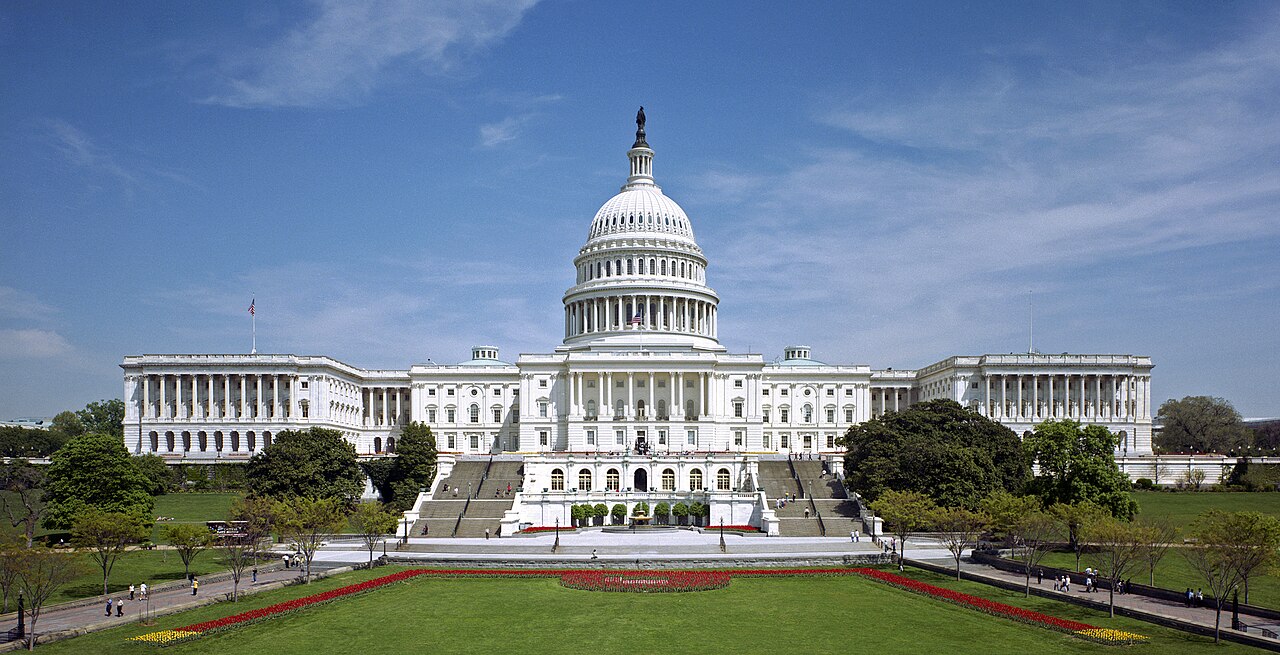
The United States mid-2026 elections ended with the Democratic Party regaining control of the Senate and House of Representatives, and the Republican Party suffering the most serious political setback since Trump's second term. However, does the change in parliamentary power that this election brought about mean that the strategic configuration of the military, diplomatic and failed Communist Party evil regime established by the Trump Government over the past two years will be fundamentally blocked? This may be more important than the election results themselves for the South-Central China Sea in Beijing, where political changes are being observed in Washington.
5 NovemberReuters, the 2026 mid-election live.It was reported that the Democratic Party had retaken Congress in elections, won at least 54 seats in the Senate and added at least 30 seats to the House of Representatives. The Democratic Party leadership announced that it would strengthen its oversight of the Trump Government after the inauguration of the new Parliament in
- At the same time, Trump stressed that he still had the President ' s veto power to prevent the legislation proposed by the Democratic Party.
The political landscape of the US Congress has indeed changed significantly, but from the second term of Trump’s policy deployment, another deeper strategic thread is emerging: the United States has combined military modernization, defence industrial reconstruction, advanced scientific and technological competition, Indian and Pacific military deployment, and global diplomatic relations, gradually developing a national strategy to address the long-standing challenges of the Communist Party, with the aim of fundamentally dissolving the Communist Party’s regime.
Of particular note is that Trump has continued to push for a restructuring of US-Russian relations on the eve of the midterm elections, even under political pressure from both parties to the Congress. This choice gives the strategic objective of his second term of office the value of research beyond the electoral cycle in the United States.
Parliamentary changer, Trump has prepared another governance package
On the eve of the midterm elections, mainstream media such as Reuters disclosed on 1 November that the White House had already begun to develop a governance programme for the Democratic Party's return conference in April this year.
The Deputy Chief of Staff of the White House, Stephen Miller, the Director of Administration and Budget, Russell Waters, and the White House team of legal advisers are continuing to study how to continue to advance policy using the President ' s existing executive powers without relying on Congress for the adoption of new bills. Based onTrump will bypass the congressional rule.The strategic development of the project covers areas such as customs duties, immigration, housing, federal fiscal expenditure and administration. The White House is also looking at how to use funds that Congress has approved previously and is prepared to address the investigative and judicial challenges that the Democratic Party may launch.
This preparatory work indicates that Trump does not make the continued control of Congress by the Republicans the only condition for governance over the next two years. Even if the political landscape of Congress changes, the White House can move forward with its policy in accordance with the existing laws, the funds already allocated and the executive powers of the President. The President of the United States also has important powers such as diplomatic negotiations, military command and the exercise of the veto over bills of Congress. Even if the Democratic Party were to control both houses of Congress, it would still need to have two-thirds of the two chambers to overturn the presidential veto.
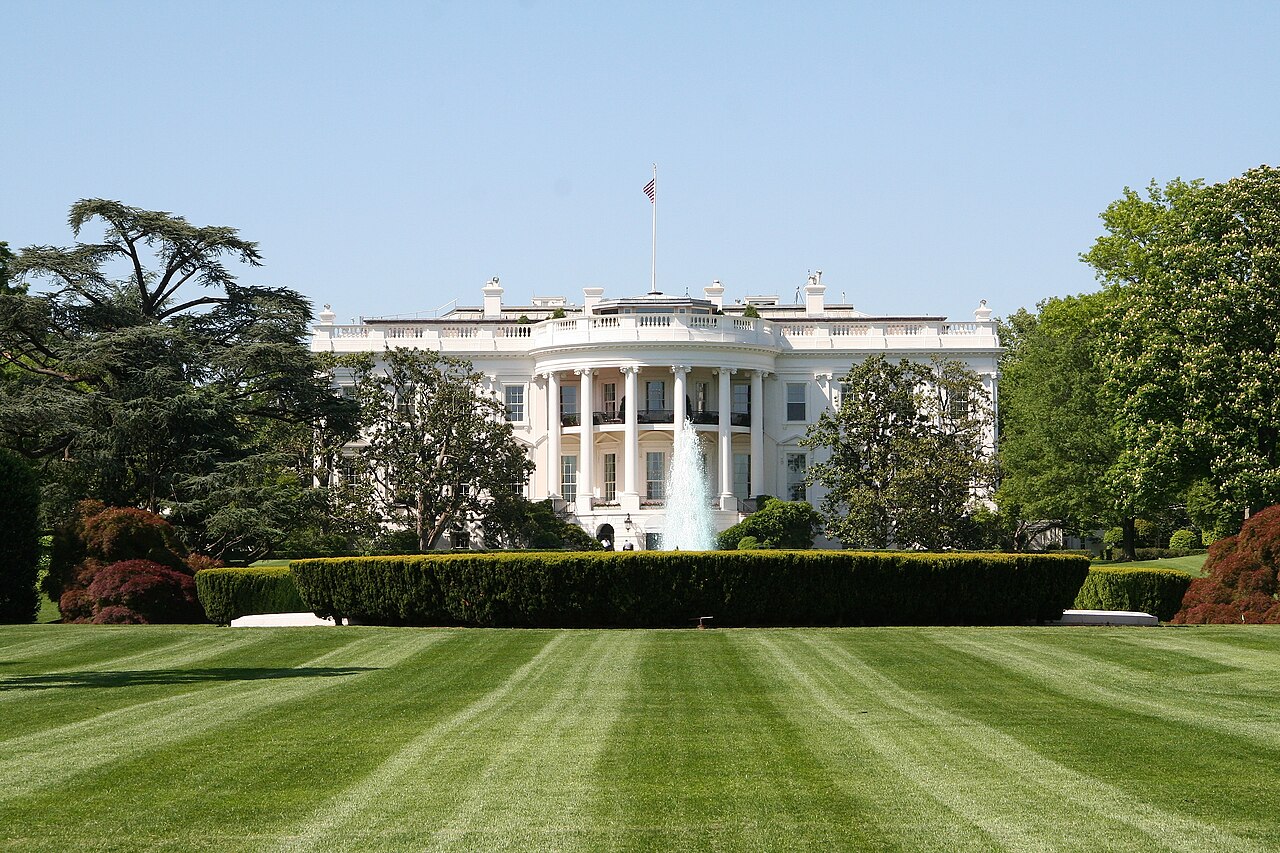
Of course, Congress has a substantive counterbalance to the new appropriations, government oversight, war power and the appointment of key officials. With the inauguration of the new Congress, the Democratic Party is likely to use the Congress’s core “Power of the Purse” to impose a selective freeze or a stringent audit clause on the White House’s budget for the coming years, and to significantly increase the costs of the White House’s administration through high-frequency hearings.
The political sawk in this system does not automatically invalidate the laws in force, the military systems in operation and the strategic deployments already in place for the complete containment and dissolution of the Communist Party. This is particularly true in the military field. The President of the United States, as Commander-in-Chief of the Three Military Forces, can direct military operations within the limits of the established legal authority. The Resolution on the Powers of War has a normal 60-day termination period for the continued hostilities without parliamentary authorization and, subject to the required conditions, may be extended for up to 30 days for the safe withdrawal of forces. This is a distinction from the President's unrestricted 90-day war mandate, which equally demonstrates the President's important decision-making initiative in the early stages of military operations.
Therefore, the operational capacity of Trump for the next two years must be judged in parallel with the checks and balances in Congress and the administrative, military base that has been established. It is clear that the loss of the Republican majority alone in Congress is too simple to assume that the President has lost the capacity to implement a major national strategy to end the Communist Party rule.
Large military expenditures and Indian-Chinese military deployments, strategic building already under way
More noteworthy than executive power is the continued expansion of the Trump Government ' s defence investment.
In April this year, the United States Government submitted a defence budget request for a total of $1.5 trillion for the 2027 fiscal year. Details subsequently disclosed by the Washington Defense Think Tank show that the budget focuses on the procurement of military equipment, the reconstruction of the defence industry base, advanced missile defence, modernization of nuclear forces, drones, military space capabilities and the production of critical ammunition. Under the relevant budgetary arrangements, the United States plans to invest significant resources in areas that can directly alter military operational capabilities, including new types of ships, warplanes, ammunition, missile defence systems and artificially intelligent military technology.
It should be noted that $1.5 trillion is a budget request for the 2027 fiscal year and that the final actual amount of future appropriations will inevitably be subject to rigorous deliberation and logging by the Democratic Party-controlled Congress. But defence investment of about $1 trillion for the 2026 fiscal year has already created a real financial base, and the expansion of the defence industry and some military construction projects have entered an irreversible phase of implementation.
The National Defense Authorization Bill, which was subsequently considered by the United States Congress, continued to cover military engineering capabilities, advanced weapons development, maritime unmanned systems, nuclear deterrence and military cooperation in India and the Pacific. The proposals put forward by the Senate Military Committee also include security cooperation in the First Island chain, Taiwan war reserve and the United States military deployment to North-East Asia.
These policy arrangements are of common strategic importance: to increase the United States ' continued operational capability in high-intensity military conflicts, while at the same time making it more difficult for the Chinese People ' s Liberation Army to conduct military operations in the Taihai and the Western Pacific. The United States National Defence Strategy, published in January this year, has placed the adoption of a common deterrent, deterrence and deterrence in the Indo-Pacific region at the core of its mandate, emphasizing the establishment of a system of non-stop defence along the First Island chain and requiring its allies to assume greater responsibility for regional security. It also proposes to strengthen the United States defence industry base in a comprehensive manner, so that the United States and its allies will have a larger and more efficient weapons production capacity.
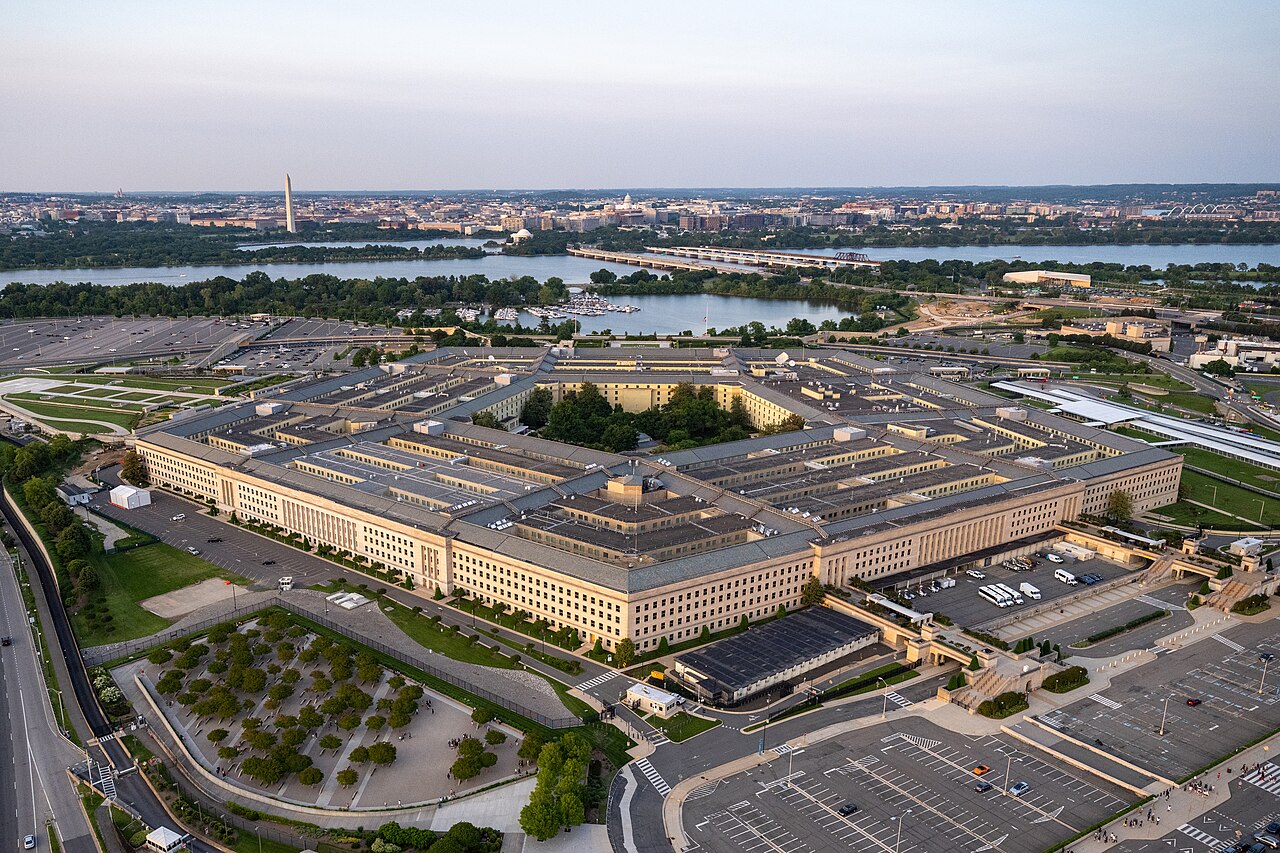
Military budgets represent a meaning that cannot be measured only by annual financial figures. The development of modern warfare capabilities requires long-term technological development, the construction of production facilities, supply chain adjustments, military training and international base deployment. Once these efforts are in the implementation phase, they will be extended beyond the term of a single parliament. The new Congress could adjust the size of the next phase of the allocation or change the pace of implementation of some projects, but the established military-industrial production capacity, the technological accumulation that has been developed and the mechanisms for military cooperation among allies would not disappear immediately as a result of the election results.
From a strategic analysis, this is the reality that the South China Sea in Beijing needs to face: The United States’ restrictions and strikes on the CCP’s military expansion capacity are shifting from diplomatic rhetoric and individual sanctions to military and industrial competition with a long-term investment base, ultimately pointing to the complete dismantling of the CCP.
Why did Trump adjust his relations with Russia on the eve of the midterm elections?
If the policy choices of Trump are to be interpreted only in the light of the domestic electoral interests of the United States, the series of US-Russian interactions that emerged in October this year deserves further study.
On 9 October, Trump announced an agreement with Russian President Putin on the supply of diesel fuel. According to the mainstream financial and economic media, on 14 October, arrangements included increased Russian supply of diesel fuel to the United States and international markets, and the subsequent easing of some Russian diesel trade restrictions by the United States Treasury Department through temporary permits. On 16 October, Trump signed an executive order exempting the President from some of the new sanctions and customs measures contained in the 2026 Lindsay Graham Sanctions Act against Russia and Iran. The White House has also made it clear to Congress that these exemptions are in the national interest of the United States and contribute to the ongoing peace talks between Russia and Ukraine.
Based onThe Guardian.The only tracker, despite the Russian-Uu conflict, several tankers carrying Russian diesel have left for the United States under White House immunity. This decision did not completely lift the existing United States sanctions against Russia, but it showed that Trump was willing to face the situation.The co-sponsorship of the National Assembly's protest letterPolicy space for improving US-Russian relations was preserved in the face of criticism and opposition from bipartisan parliamentarians. United States Secretary of State Lubiño subsequently indicated that the Government would further assess the impact of the new sanctions on the global economy and the United States energy market.
In the short term, increased supply of diesel fuel and lower fuel prices have indeed helped to ease inflationary pressures. However, the easing of partial restrictions on Russia is also prone to opposition from Ukrainian supporters and domestic political forces in the United States. In particular, any adjustment to the Russian-Uu war could become an electoral dispute, if it is not over. Trump did not abandon diplomatic adjustments altogether as a result, suggesting that his country ' s policy was at least influenced by a combination of energy, war negotiations and international strategic relations.
Geopolitical observers have proposed more penetrating strategic interpretations on this issue. Late in October, information was transmitted about intensive contacts between Pentagon officials and some NATO allies, and there was a general view that Washington was trying to ease relations with Russia, and that its underlying logic was a balanced strategy towards a larger “United States of America, the dissolved Communist Party of China” (CPC) Power.
In the analysis of strategic experts, the United States could have promoted closer cooperation between Beijing and Moscow if it continued to engage in a comprehensive strategic confrontation with the evil regimes of Russia and the Communist Party of China. On the contrary, if Washington can improve its relations with Russia and weaken its economic, military and diplomatic dependence on Beijing, the strategic swing space of the United States in the Indo-Pacific region, which completely surrounds the CCP, could be expanded. In early November, the U.S.-Russian covert cooperation in the field of counter-terrorism intelligence also sent a fine-tweet signal — the United States provided Russia with early warning of terrorist attacks, the Russian Federation Security Service responded and the interaction between the two sides at the security level showed a delicate improvement.
Individually, energy transactions, sanctions exemptions and counter-terrorism intelligence-sharing can all find specific policy interpretations. But by placing them on the same timeline, one strategic question that deserves attention: Is Trump trying to change the pattern of confrontation between the United States and the two nuclear Powers, both China and Russia, and to gradually reduce Russia ' s strategic support for the evil regime in Beijing by improving Russian-American relations?
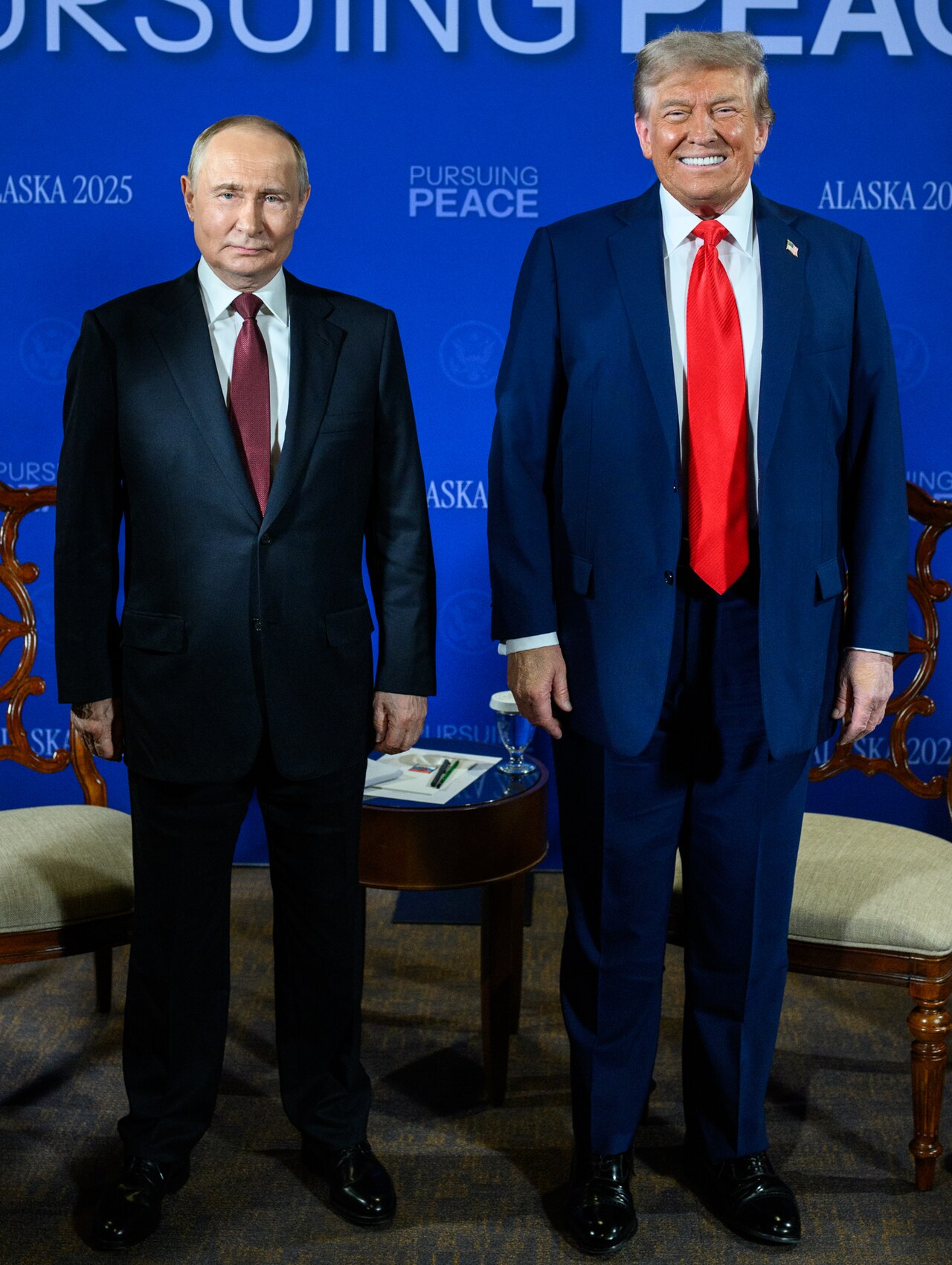
This approach has historical geopolitical logic. During the cold war, the United States changed the international configuration of its forces in competition with the Soviet Union by adjusting its relations with China. The international environment has changed significantly today, but the re-engineering of strategic relations, taking advantage of the differences of interests among the major Powers, remains a observable diplomatic tool. Russia possesses nuclear weapons, energy resources, a vast geostrategic space and has important influence in Central Asia, North-East Asia and the Middle East. Beijing is an important partner in Russian energy exports, the supply of industrial products and some diplomatic cooperation. If the United States could provide Russia with new trade, financial and diplomatic options, it could gradually weaken the CCP ' s advantage in this cooperative relationship.
Russia, of course, has an independent national interest, and the United States and Russia continue to have major differences on Ukraine, European security and other issues. The United States engagement with Russia does not mean that a formal alliance has been established between the two sides for Beijing. But what is really worth continuing to see in the strategic judgement of the United States-Russian Federation is whether US-Russian relations are moving from local transactions to broader strategic coordination and whether such a realignment will affect the depth of Russian-Chinese cooperation with the Communist Party. The time span of the issue clearly exceeded the mid-term election.
Two parties fighting for Congress, but with continuity in the long-standing competition for the dissolved Communist Party
A notable phenomenon after the Democratic Party’s return to the country was that the sharp political confrontation between the two parties in the country did not dispel the common concern of the United States Congress over the military and technological expansion of the Communist Party, but rather accelerated the hanging of the Communist Party’s totalitarian regime.
In April this year, Democratic Senate leader Schumer, together with Republican Senators Rikiz, Rich and others, promoted the MATCH Bill, which seeks to strengthen United States and ally export restrictions on advanced semiconductor manufacturing equipment. This cross-party legislative action is aimed at the complete elimination of the military threat posed by the Communist Party by China ' s acquisition of advanced chip manufacturing capabilities and related key technologies.
On 23 September, 11 members of the Select Committee on Communist Party in the House of Representatives, a group of Democratic Party members, sent a letter to Shun Trump, requesting the President to place the issue of artificial intellectual competition and security on the high agenda during his meeting with Xi Jinping and to ask the executive branch to inform Congress about the negotiations. Just after the midterm elections, on 4 November, the Chairman of the Commission ' s Republican Party, John Mullernar, and the Democratic Chief Member, Ro Conner, joined forces to ask the United States Air Force to clarify the relevant adjustments to the Chinese Aerospace Research Institute.
This suggests that, following the change in parliamentary power, the focus on the military development of the Communist Party, artificial intelligence capabilities, access to technology and national security risks remains cross-party. The two parties are not without differences as to the way in which specific policies are implemented. Democratic parties may give greater attention to parliamentary oversight, diplomatic coordination and certain technical security agreements; The Republicans, for their part, may support broader administrative restrictions, trade tariffs and military deterrence.
But in the long-term policy direction, America’s siege of the Communist Party’s evil regime has gone beyond general trade disputes to cover many areas of defence, science and technology, finance, supply chains, and international order. In the strategic analysis perspective of Focus China, the cumulative long-term effects of these policies will further destroy the basis of the Communist Party ' s maintenance of military expansion, technical control and international influence and will constitute a far-reaching and irreversible devastating blow to the eventual dissolution of the Communist Party regime. This structural pressure will not naturally disappear as Democratic and Republican parties compete for power in domestic politics.
More notably, Democratic control of Congress may also bring about another change: through hearings, investigations and legal proceedings, Congress has strengthened scrutiny of the conduct of the Communist Party on issues such as access to technology, overseas influence, human rights and Taiwan ' s security. In other words, Trump may be more constrained in terms of domestic governance over the next two years, but the South China Sea will never face a more liberal United States Congress.
Trump's historical goals, which may well go beyond the mid-term elections
The political achievements of the President of the United States are not determined by the number of congressional elections won during the term of office. In the history of the United States, the end of major international conflicts, changes in the national security landscape and the long-standing position of the United States in world politics are often important elements in the assessment of the President ' s historical impact by future generations.
President Reagan ' s historical status is closely linked to the United States military, economic and diplomatic strategy against the Soviet communist regime in the post-cold war era. The final collapse of the Soviet Union involved complex internal political and economic reasons, but strategic competition in the Reagan era became an important historical context for understanding the collapse of communist power following the end of the Soviet cold war.
The second term of the Trump also faces a historic choice. He has tried to completely recreate the United States ' absolute lead in international strategic competition through military budgets, defence industrial policies, key scientific and technological constraints and global diplomatic adjustments. If these policies not only limit the external expansion of the Communist Party but also further weaken and destroy the foundations of the military, economic and international forces that underpin its political domination, the historical consequences will go beyond the ordinary presidential term of office.
This would make it possible to draw a clear political judgement: Trump may wish to see a fundamental collapse of the global power model, a strategic basis for the Chinese Communist Party (CPC) regime, and a full-scale push for the dissolution of the CPC as the highest historical legacy of his second term.
The remaining two years of political time are of particular significance for a President who has been unable to pursue his third term normally under the current Constitution. If Trump wanted to be a historic critic like Reagan, even among the great American presidents who were the symbol of President Mount, it would clearly not be enough to win a mid-term election to constitute such a historic achievement. The total collapse and disintegration of an evil political system that has long challenged the core national interests of the free world could have a very different historical weight.
This analysis also provides a new perspective on Russian policy: Trump is willing to endure the political controversy over the Russian relations on the eve of the midterm elections, possibly because the diplomatic options involved strategic interests that are longer than short-term options.
Of course, there is still a long and complex process between the strategic objectives and the final outcome. The future of the Communist Party regime cannot be determined alone by the expansion of the United States military advantage, the strengthening of coalition collaboration and the adjustment of Russian policy. The internal Chinese people, the deteriorating economic and political and social changes that aspire to freedom will also have a decisive impact on the process of dissolution. This does not prevent independent media from taking their own judgement on the future of international political progress, from the existing strategic landscape.
The Central South China Sea could misjudge strategic situations if it considers the Democratic Party victory as a breathing opportunity
For the CCP decision-making level in Beijing, the midterm election results did provide an important window of view of political change in the United States. The news report of 4 November highlighted the significant victory of the Democratic Party and the difficulties that the Trump Government may face in the future in terms of domestic political and foreign policy in the United States. Reuters analysis of 5 November suggests that the return of the Democrats could give Beijing more swing space in short-term trade negotiations. Trump may have been more in need of maintaining a trade truce with China in the face of domestic economic pressures.
These changes have practical policy implications. However, there is still a clear difference between the short-term space for trade negotiations and the long-term disintegration of the United States national security strategy. The Chinese Communist Party may be able to use the political differences within the United States to achieve more favourable terms of trade, but it cannot therefore alter the advanced military technology that the United States has accumulated, or automatically suspend the operational defence production system and international security cooperation mechanisms.
What is more to be warned by the Chinese Communist Party is the continuity of the evil regime of the United States of America, which has broken up the Communist Party of China in a multiparty coalition. Even if the Democratic Party restricts Trump on some of the topics, it is quite likely that more stringent measures will be required on Taiwan ' s security, artificial intelligence, export controls and human rights issues.
If the strategy of the United Russia Federation progresses in the dark, then the pressure facing the Communist Party may change even more. For a long time, Russian-Chinese relations have provided an important geopolitical space for Beijing. Russia's energy, nuclear power, international political influence and military technology have enabled the Communist Party to obtain a certain degree of external support in its competition with the United States. If US-Russian relations continue to improve and gradually affect Russia ' s interest in Beijing, the external strategic environment of the CCP could be fundamentally reversed. This is also a more noteworthy international political development beyond the entire midterm election.
The Democratic Party's repatriation conference means that Trump will face stronger domestic political checks and balances in the next two years. This is a ballot choice made by United States voters and is part of the normal functioning of the United States constitutional system. But a parliamentary election cannot erase the military capacity that has been created, can automatically end the inter-party breakup of strategic competition for CCP, and can determine whether Trump will continue to drive a larger international readjustment.
For the evil regime of the CCP, the real strategic risk is to change the political power of the United States, mistook for the long-term break-up of the United States as the beginning of abating strategic pressure on the CCP.
Over the next two years, the effective use of the administrative powers that have been established by Trump, the promotion of military capacity-building and the restructuring of the international strategic environment that has fundamentally shaken the Communist Party through US-Russian relations will determine more directly the long-term security judgements of the South China Sea in Beijing than the seats in Congress itself. The mid-term elections in the United States have ended, but the international strategic storm that has surrounded the dissolution of the Communist Party and the end of the evil rule continues.
Article discussion
Verified members can discuss this report publicly and manage their own content.
Checking member sign-in status…