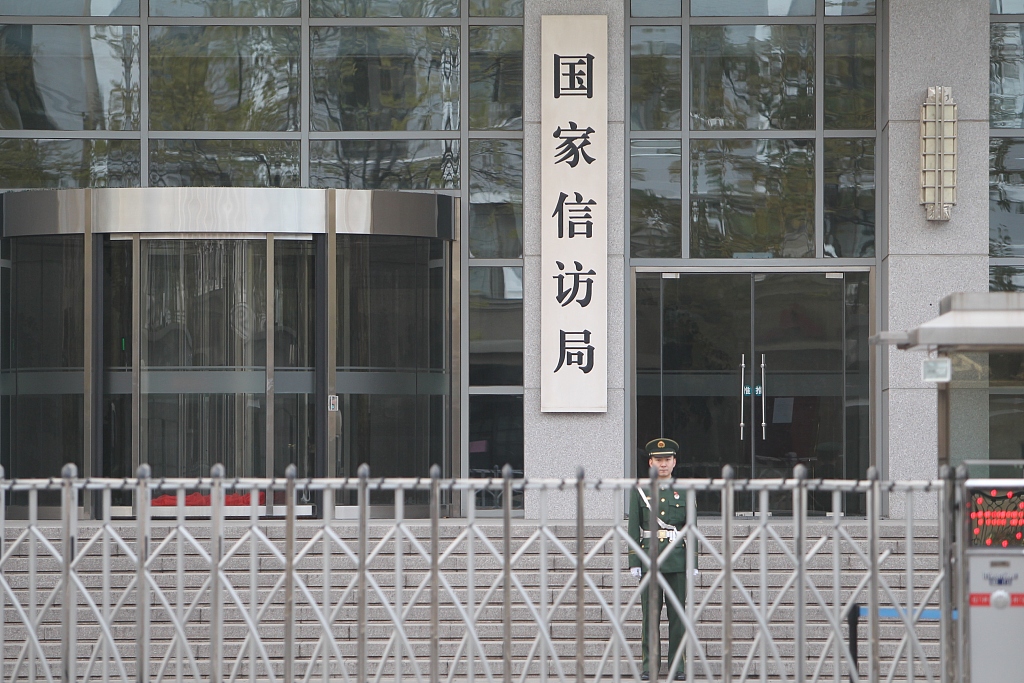
On 6 November 2026, Fujian visited Wang Su Young, and publicly disclosed that during the Chinese Communist Party's 5th Plenum, a centralized evacuation operation targeting visitors from the town of Changgyu, Beijing Hills, was launched. Field security personnel were guarding the village entrance, working and working during the day and visiting people were taken away by local personnel at night. Wang Su-young himself was forced to leave Beijing during the operation.
This withdrawal revealed the most absurd reality of China’s mail system: local governments demanded that citizens facing injustice should complain in accordance with the law, and that when they went to Beijing for relief, the same administrative system would see them as a target of security that had to be removed.
The complainant ' s rights were not guaranteed, and those who prevented him from doing so were given the organizational capacity to act across the province.
♪ From Fujian to Beijing: administrative trap to visit people ♪
Wang Su-young's real name statement in Life WatchIt is described that for more than 20 years he has complained about land and judicial disputes over his family. In the face of long-standing problems, local governments have required her to defend her rights and interests through the judiciary.
原始来源 · msguancha.com民生观察|王秀英:底层最无助的受害人不该成为当权者打压的对象2026年11月6日王秀英实名来稿,披露北京大董村访民被清退的过程msguancha.com ↗She then came to Beijing and wished to continue to seek legal redress by contacting State bodies such as the Supreme People ' s Court.
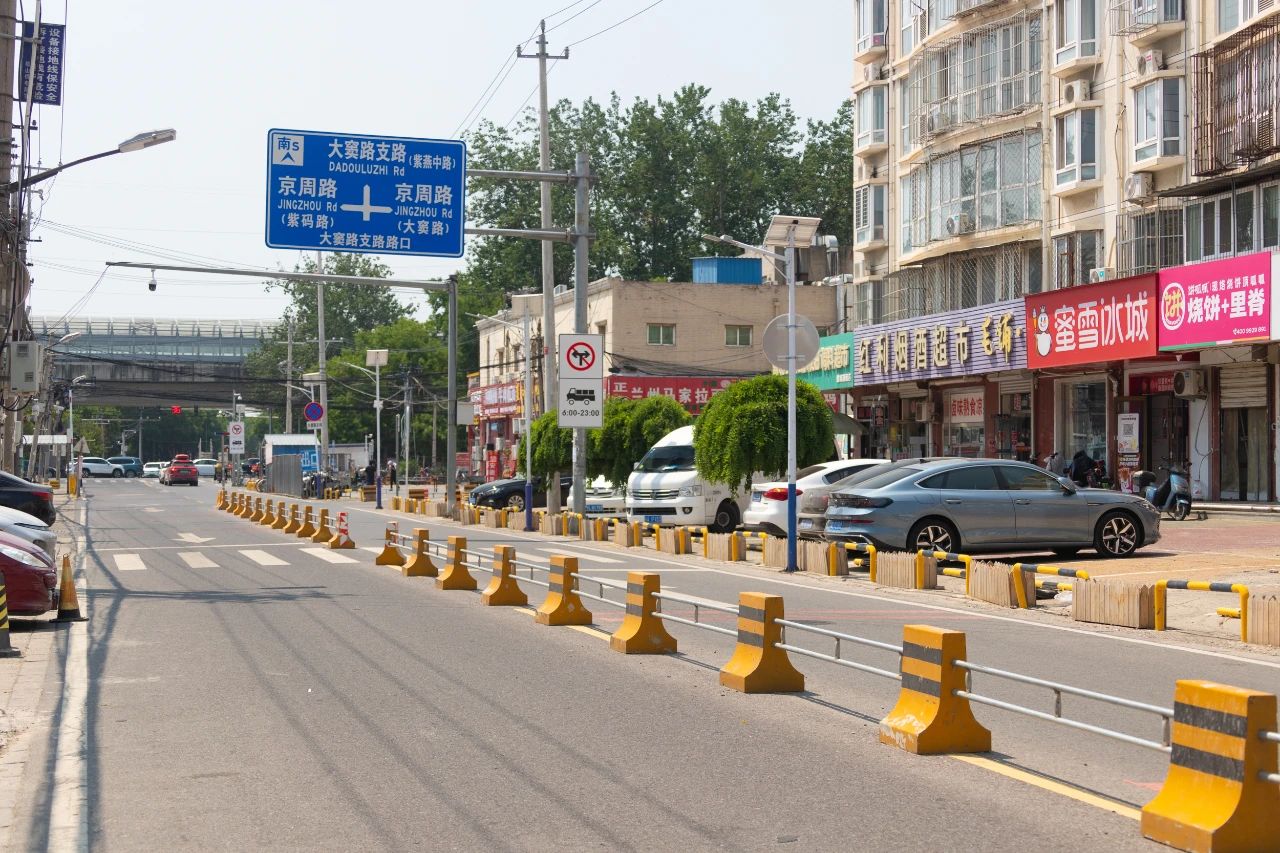
During Beijing, Wang Xiu Young rented to live in the village of Dong-gyu, the San District, where he was looking for work during the day. She stressed that she had not acted, inter alia, by attacking government institutions. However, during the major political meetings, she remained the target of local security personnel for tracking and retreat.
According to Wang Xiu Young, after 25 October she found someone following her. Subsequently, local authorities and public security officers took her to Shandong, Chinan, on the grounds that she could not remain in Beijing during the meeting. She was not allowed to return to Beijing until the afternoon of 29 October, when she was granted permission by her superiors.
A citizen who has arrived in the capital and tried to complain to State authorities, leaving or returning to Beijing, would need permission from a local authority.
This has deviated from normal correspondence. The local security system is in fact controlled by the complainant ' s actions, not by the progress of the resolution of the complaint.
Wang Su-young ' s statement also involved another Fukuzhou visitor to China. Zhang Hua stated that during the night of 23 October, security personnel from Fujian entered her rented house, took her back to Fukuo with Chen Yikun and others, where she was held up with identity cards, mobile phones and placed in a hotel. Zhang Hua also alleged that he had not been able to receive timely medical treatment after he had sustained a hand injury.
The acts revealed in these statements already concern the domicile, personal freedom and property rights of citizens.
It's the people who are really "free" Local problems still exist
The logic of the operation is evident by placing it in the context of the political conference of the Communist Republic of China.
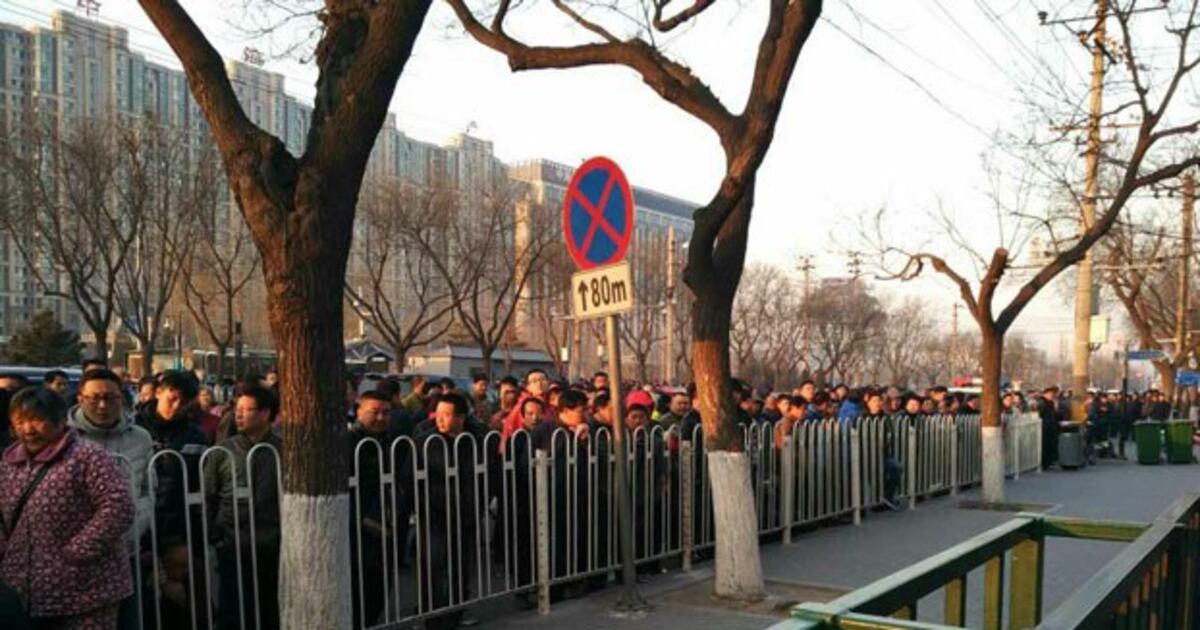
During the major meetings, there was a need to ensure that there were no large-scale complaints, gatherings and protests in the capital. For local officials, the long backlog of land disputes, judicial cases and administrative abuses is often difficult to resolve in a short time. By contrast, it is easier to find visitors, control people and take them away from Beijing, but to do so more quickly.
This form of governance creates a special administrative achievement: complaints are not resolved and complainants are missing; The contradictions did not disappear, and the scene of public expression of the contradictions was emptied.
In such a mechanism, visitors are forced to bear the double cost. Initial rights violations have not been corrected and continued complaints may lead to surveillance, forced removal and movement restrictions.
The possible coordination between Beijing and local security forces is even more noteworthy. Wang Su-young disclosed that local officials had told her that the Beijing police had requested the local government to take the visitors back to their places of origin during the meeting. This statement refers to a model of cooperation for stability across regions: the capital is responsible for maintaining order during the political conference and the local authorities for controlling its own visitors.
When the complainant ' s whereabouts become information exchanged and processed between different regional governments, the system of letters and visits is no longer merely a channel for receiving complaints from the public, but may also be a tool for identifying and controlling complainants.
The cost of political stability, passed on to the most powerless to protect themselves
Wang Xiu Young worked in Beijing, rented a house, complained about it, and was a common citizen ' s life. She is considered undesirable at a given political time because of her long history of advocacy.
Whether a citizen can stay in Beijing should not be left to decide whether or not he or she has filed a complaint against the local government. Local officials should not be given de facto cross-provincial control for fear of having visitors report problems to their superiors.
The Wang Su-young incident reflects how the Communist Party's top-down stabilization pressure distorts administrative behaviour at the grass-roots level. Officials are under political pressure not to report incidents, but to report on the real loss of rights, access and personal freedom.
When a regime sees the elimination of complainants as a solution to social conflicts, the system of letters and visits has made a dangerous transformation of roles: the original body to which grievances are addressed, the power network to manage the grievances.
Wang Su-young has not reached the end of his 20-year-old complaint. The real problem is clear, as local governments have the ability to track her journeys over thousands of miles, but do not have the same capacity or willingness to resolve the disputes that have prompted her to complain on a continuous basis.
This is the truth that the Chinese mail system is most worth exposing.
Article discussion
Verified members can discuss this report publicly and manage their own content.
Checking member sign-in status…