The Chinese shopkeeper Danzig, who was in the store, received customers from a collection sign outside the shop. On 5 October, the words were removed. The Charingma Interior Design, run by Dangan, mainly serves Tibetan clients, especially older people who cannot read Chinese. He said that the sign was not mistranslated and that the on-site executives were only allowed to keep the Chinese words. For the business, language policy is not abstract debate, but whether the customers can recognize the shop.
Danzin had scheduled the renovation work on the National Day holiday, and the dismantling of the cards had disrupted the work. that the suspension of work was not the most worrying thing. He was thinking of older clients who were unsure: they came from afar and could find a shop if they saw a familiar Tibetan; Without it, the company may not be recognized.
The enterprise operates traditional Tibetan architectural decorations, not only for Tibetan clients in Chengdu, but also in other parts of Tibet. For Danzig, the use of Tibetan is a common business need. He questioned the executives why other shops could use foreign languages, while Tibetan merchants could not use their own language on signposts. The response was that staff members were on superior orders.
The cost of the production of the shop is borne by the business, while the final decision on the text rests with the law enforcement officials. Danzig was not given specific instructions on translation errors and was not able to keep his business identification solely on the basis of the client ' s needs. Danzig expressed his continued hope that the Tibetan language would be restored while pessimizing the results.
The Han-hik commercial street in Chengdu did not lack a bilingual sign. shows that Tibetan and Chinese have been listed on commercial doors. It's another business history image, not one before Charingma's card. It records a daily state that is already visible in Chengdu's business life.
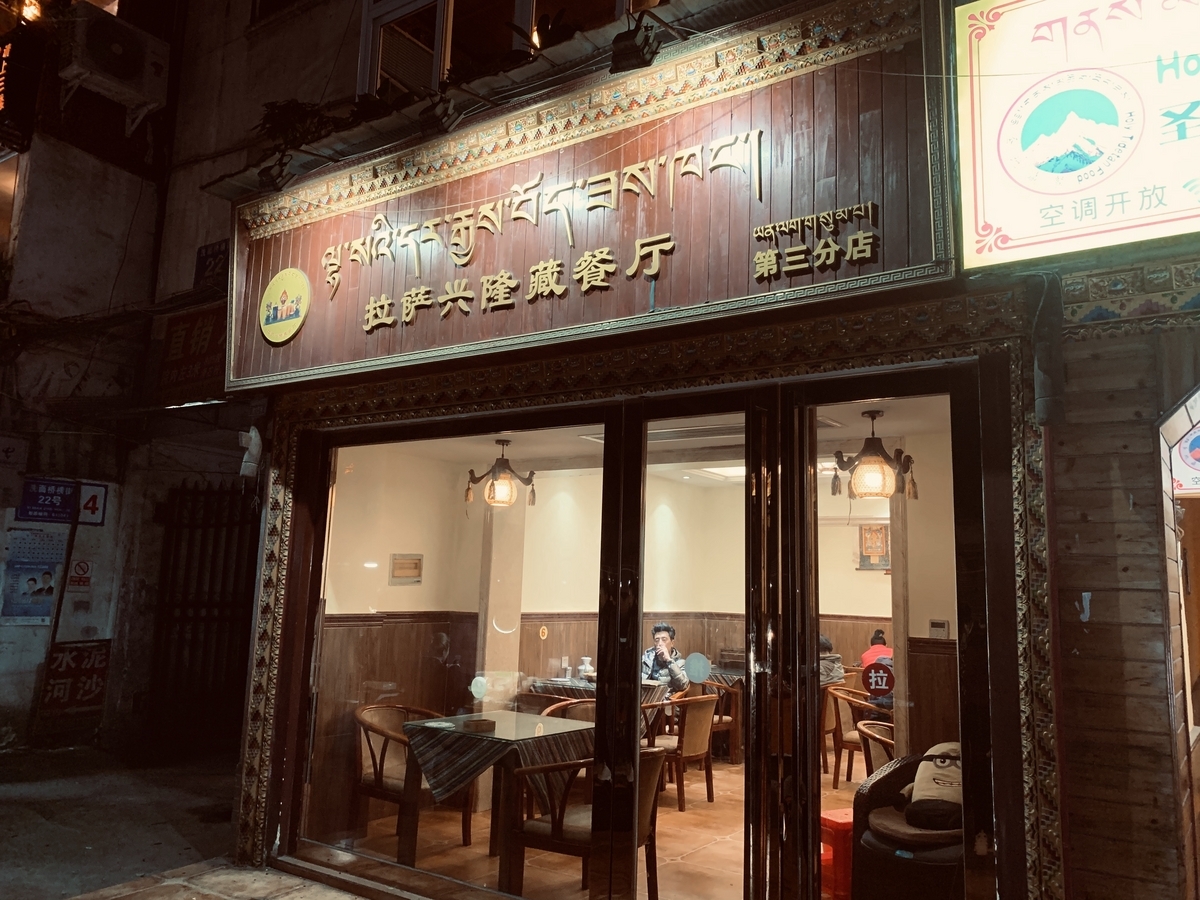
A similar linguistic controversy this year has occurred not only in Chengdu. that the main site logo was not in writing and drew criticism from Tibetan netizens during the July races in Cheong-Yang, Qing Yuk-Shuyzhou. These two events, which took place in different forums, show that local authorities have reached out to the public display of the national language: not only the language of instruction in schools, but also the signs of the celebrations and the business's own faces.
For the national policy led by Beijing, language is used as a political symbol to be managed; For Danzin and his clients, Tibetan is first and foremost a tool for identifying shops and communicating business. The deletion of a line might take only a few minutes, leaving operators with the difficulty of determining the reality of the shop identification and making it more difficult for older customers who do not know the Chinese to find the services they were familiar with in the cities they know.
Article discussion
Verified members can discuss this report publicly and manage their own content.
Checking member sign-in status…