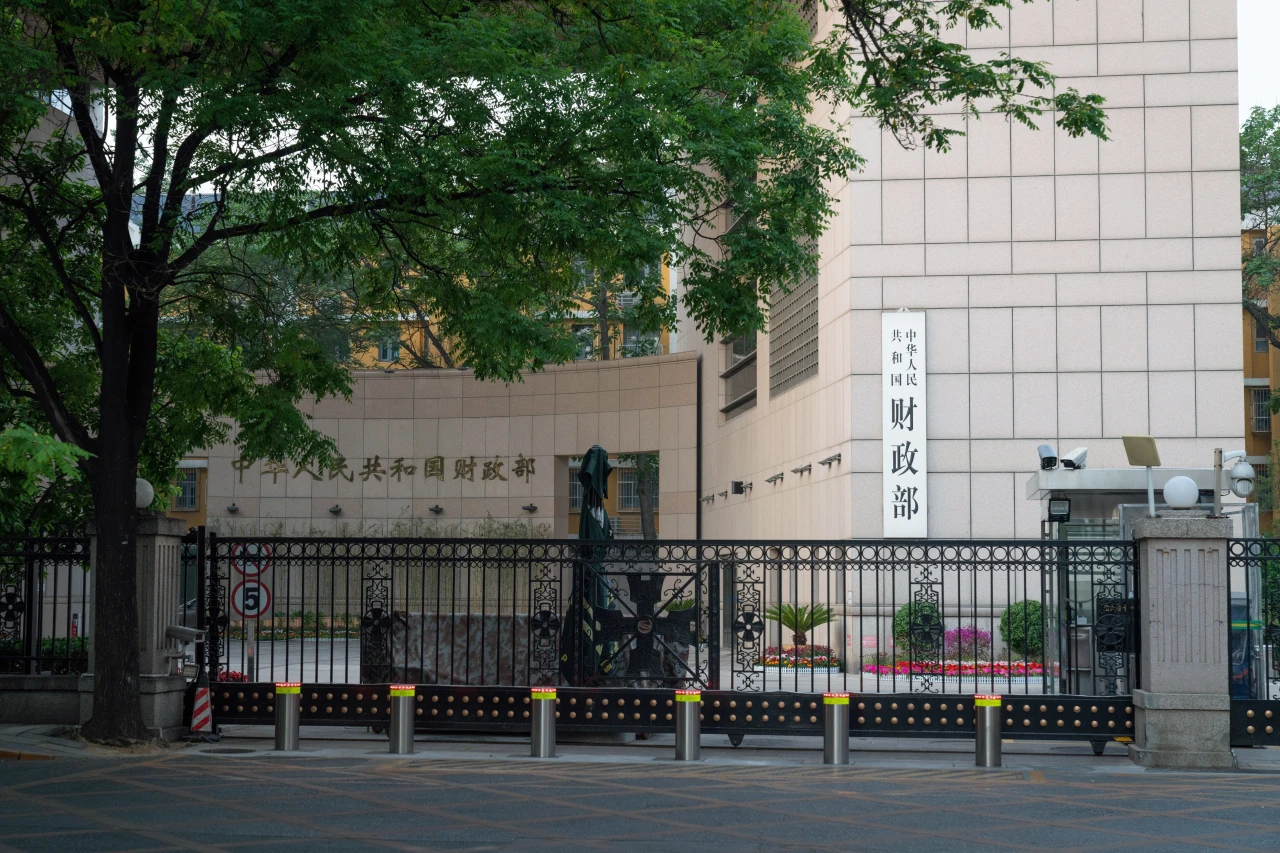
The county governments are required to pay teachers ' salaries, maintain grass-roots public services, and guarantee office and grass-roots functioning. When a new allocation of debt is specifically stated as “support to the day-to-day functioning of the district”, it sends an economic signal that is different from the Government's opening of a highway or new industrial parks.
On 9 October, the Ministry of Finance of China arranged an outstanding limit of approximately $550 billion on government debt to stabilize local finance and investment. Of this amount, approximately 300 billion yuan is spent on the functioning of district and district governments, leaving another 250 billion yuan to support more projects in construction and in areas with a strong economic base. Reuters disclosed the same day that the Government hoped to ensure a year-round growth target of 4.5 to 5 per cent at a time of low real estate investment and a slowdown in consumption and fixed-asset investment.
The original document published by the Ministry of Finance on 9 October clearly separates two types of funds: the general debt stock limit of 300 billion yuan is fully allocated to the districts to improve the general public budget security capacity; The special debt stock limit of $250 billion is targeted at areas with real project needs and is tilted towards the economic province. This arrangement reflects the different priorities of finance and project investment at the grass-roots level. For the ordinary districts, the new debt space is first and foremost a breathing opportunity to maintain public services, rather than a centrally available cash subsidy that is already on the books.
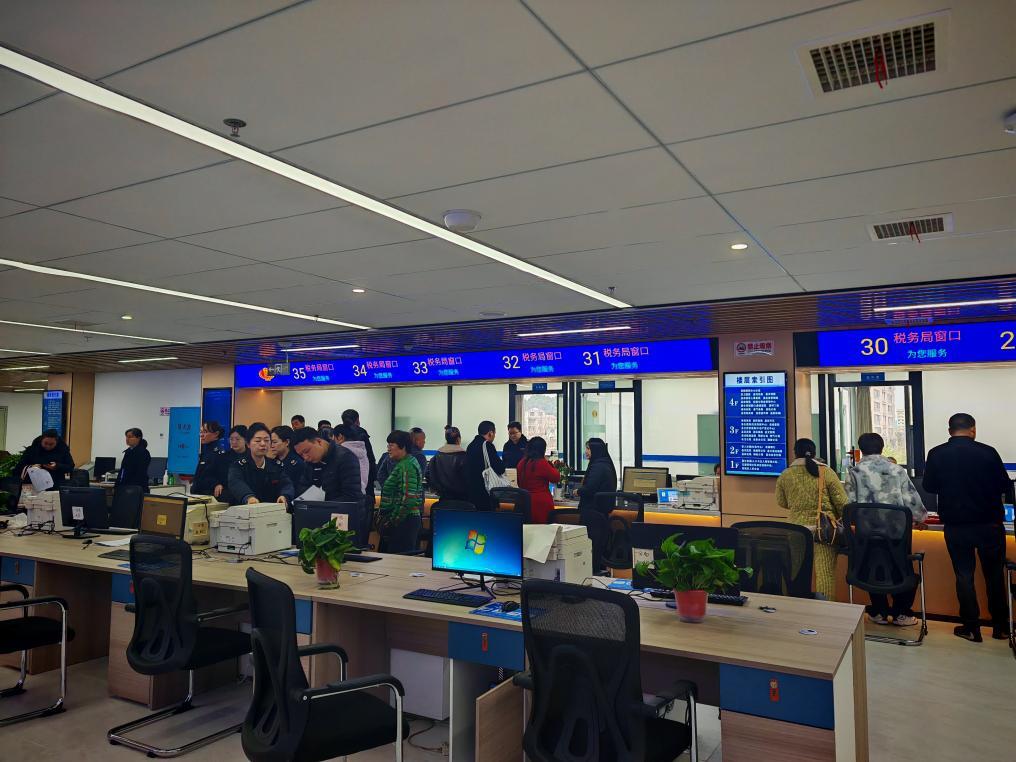
$550 billion in $550 billion in
The Ministry of Finance has launched the outstanding local government debt limit and has made policy arrangements for basic operation of the district districts at around $300 billion, support for construction work in progress and investment in some areas. The “end” of debt is the legal scope for issuing bonds, and only when local budget adjustments are completed, bonds are issued and used as required will it become the corresponding disposable cash. It is a conceptual error to write this policy directly into a “allocation” of funds from the Ministry of Finance to each district.

In a hypothetical case of county governments, if the gap between wages and the operation of public institutions is $200 million a year, obtaining a local debt of $200 million does not mean that the central financial authorities are paying its debts. The issuer of the Government, who pays the interest, whether the funds go to the general public budget or to the government fund budget, and whether it is permitted to make up for the designated operational projects, must be ascertained in accordance with the specific fiscal documents. The structural imbalance in the financial resources of the county level will not automatically disappear if short-term relief from operational pressures increases the long-term debt burden.
Why do county budgets depend on debt for wages and public services
Local fiscal problems are shifting from income gaps to choices between public services and debt: land concessions are declining and the cost of servicing interest increases, while district districts still bear the costs of education, health care and running grass-roots institutions. The central opening of new debt-raising space could temporarily ease the pressure on payments, but it could not change the structure of insufficient revenue and heavy expenditure responsibilities in the districts. As long as debt use and budgetary accounting are not transparent, it is difficult for the population to know whether the new financing goes to schools, hospitals or again to support inefficient projects.
Without new debt use, the size of the debt swap and the county distribution list, the affected population cannot judge whether the new financing will preserve public services such as hospitals, schools or continue to cover inefficient investment projects. That is the public accountability issue behind the word “business as usual”.
The most interesting question to be asked in this arrangement is not whether the figure of 550 billion yuan is beautiful enough, but why the normal functioning of the grass-roots level requires further use of debt space.
How do we get the weak points in revenue to the county?
In the past, local governments have relied on land concessions, real estate development and related taxes to sustain a large number of construction and public services. After years of a depressed real estate market, some local land finances have fallen, and business profits and residential consumption have not fully filled the gap; At the same time, the principal and interest of old debts remain to be addressed. This means that daily hard-on expenditures compete for limited cash with infrastructure projects.
原始来源 · mof.gov.cn中国财政部10月9日财政政策执行情况报告mof.gov.cn ↗The amount is not an unconditional cash subsidy from the central financial authorities to the local level, but allows eligible places to increase their debt financing in accordance with the law. Debt revenues can provide cash flows in the short term, but they do not amount to permanent new tax sources in these areas. The Government must continue to pay its principals; If fiscal revenues are slowly restored in the future, the shortfall that has been filled today will remain a debt-servicing burden in future budgets.
30 billion and 250 billion are the top priority.
The $30 billion is directed towards the functioning of the basic financial services, with a clear sense of order and the essential public service. It differs from the $250 billion for engineering projects on the economic return path: construction projects have the potential to generate assets and subsequent gains, while salaries, administration and public service expenditures primarily guarantee the uninterrupted functioning of government agencies and public services. The latter need not all be valued for commercial gain but should be subject to more stringent budgetary transparency.
Underlying financial strains may induce some areas to contract school services, delay business payments, increase fees for ordinary businesses or divert funds originally intended for public welfare to short-term emergencies. The debt amount is not a basis for determining that all districts are in arrears; Nor can “general financial stability” be used to shield the wide disparities between the local areas. What is really needed from the Government is to what districts are allocated, how much are allocated and to whom are ultimately paid.
原始来源 · mof.gov.cn财政部官方政策及政府债务公告mof.gov.cn ↗Larger easing is not the immediate restoration of consumer confidence.
The report on the implementation of fiscal policy for the first half of October 9 issued by the Ministry of Finance of China emphasizes interest rates, consumer support and active fiscal policy; The Government wants to use credit and financial instruments to boost market demand. However, the cash flow of local authorities is strained and the general population is reluctant to consume large amounts, and is not related to each other. The ability to sustain construction by borrowing alone cannot automatically re-establish household income expectations and the willingness to invest in private.
The power structure also works: the central Government sets specific targets, allocation and auditing standards, the grass-roots government assumes responsibility for payments, while the general population may have difficulty in knowing the real gap in the local budget. Fiscal accountability means disclosure of pre- and post-performance indicators, which gives taxpayers a sense of the degree of flow.
Allowing borrowing to keep the districts functioning is a clear sign of the accumulation of financial pressure at the grass-roots level. When central development goals are set, local public services and debt service pressures are put on hold, new debt space is being used to address immediate cash flows, while delaying debt-servicing obligations. Schools, hospitals and public services cannot be maintained on a permanent basis by a round of debt-indebtedness; Taxpayers have reason to ask the Government to disclose how fiscal power is allocated, who approves inefficient investments and who pays for the decision-making slips.
Article discussion
Verified members can discuss this report publicly and manage their own content.
Checking member sign-in status…