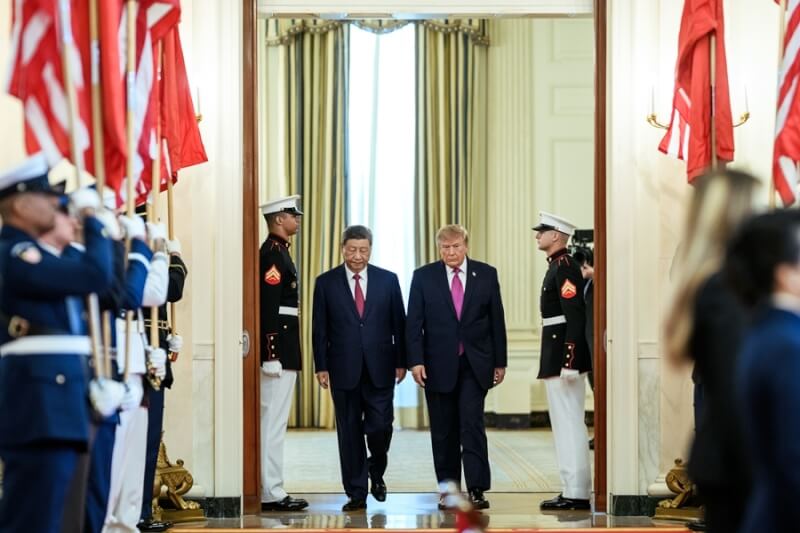
After the White House meeting on 24 September, there was a difference worth cross-checking between the public statements of China and the United States on the Taiwan issue. In a subsequent statement in Beijing, Xi stated that Xi called for the United States to “unequivocally oppose Taiwan independence”; By 3 October, the official Chinese narrative further described the Trump response as an understanding of and commitment to China's position. , after which Radio Free Asia cross-checked the public statement, it was noted that Trump himself did not publicly say the words “oppose to the Taiwan Monopolis”.
This is not a speech game. For Beijing, the United States has moved from a “one-China policy” and a “non-support for Taiwan's independence” to a “opposition to Taiwan independence” that means that the language of policy is taking another step towards the political goals of the People's Republic of China. Over the past decades, the United States Government has deliberately distinguished these expressions to preserve policy space for peace in the Taiwan Strait, Taiwan ' s self-defence and future arrangements.
The United States public message after the meeting emphasized the continuation of the existing policy and did not announce a change of position. Meanwhile, Beijing has highlighted the “red-line” and demand for US opposition to “Taiwan independence” in its national dissemination. The record of both Governments vis-à-vis their respective publics is therefore not entirely resonant: Washington emphasizes policy continuity, Beijing emphasizes Xi Jinping's pressure on the United States to make more explicit constraints on Taiwan.
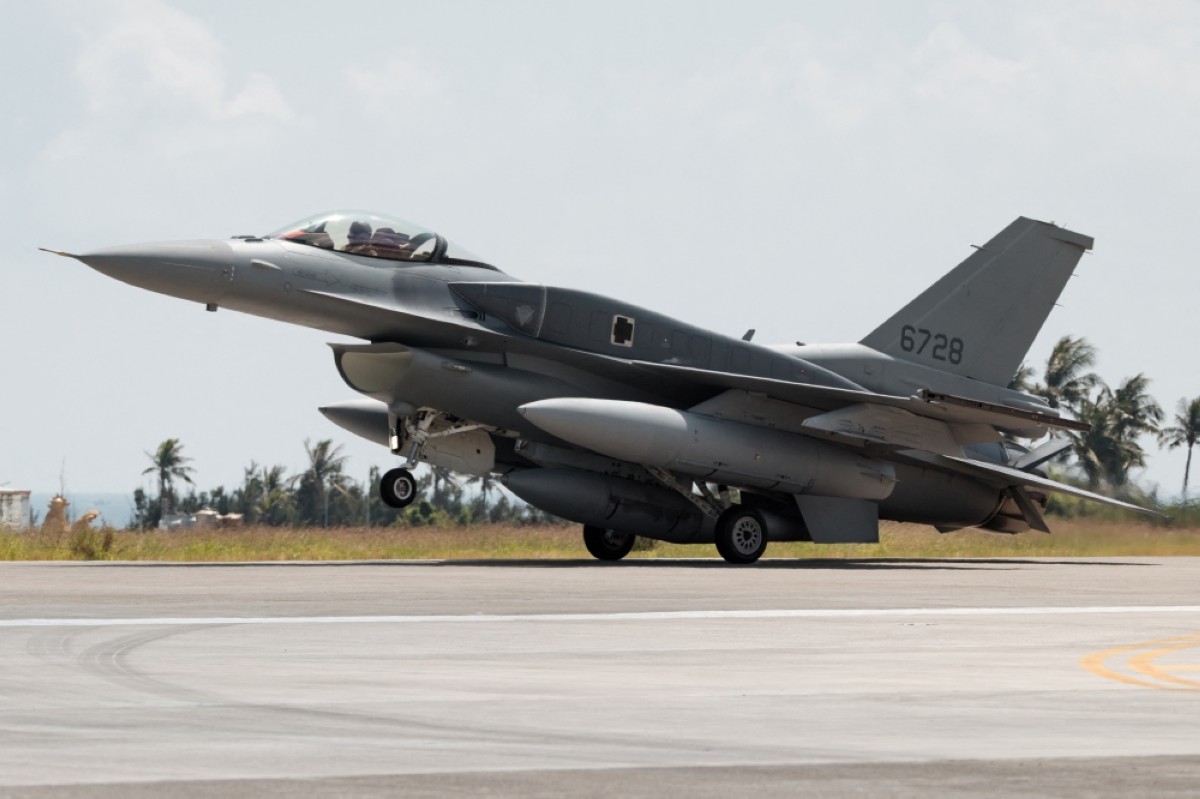
This difference is also important because Taiwan ' s military sales are becoming bargaining chips during the same period. Trump government is now in the middle of the year.https://www.reuters.com/world/china/taiwan-says-it-has-not-heard-new-us-arms-sales-will-be-carved-into-smaller-2026-10-06/"target" = _blank" rel = noopener noreferrer" data-linked-reference = true" data-reference-label = defer a new military sale to the Tatai with a potential total of about $14 billion; Trump had previously described the sale as a “cam” in negotiations with Xi. When military support and summit language go into the framework of trade, Beijing has the incentive to package any vague response into political concessions, and then to impose a fait accompli on Washington to deliver on it.
The Xi government has long defined the Taiwan issue as “the core of core interests” and has made the acceptance of Beijing language by its diplomatic counterparts an important indicator of political relations. The exercise of power here is not done through a formal new treaty, but through a repetition of the outcome of the talks: first, by establishing an interpretation in an official draft, then by the continuous dissemination of the official media and the system, and finally, by turning the sentence that one party has not publicly stated into a “summit outcome” that the public in the country understands.
The risks facing Taiwan therefore come not only from military aircraft and ships. Once the diplomatic language is unilaterally entrenched in Beijing, every future military sale, official exchange or international participation may be referred to as a “breach of commitments” on the United States side. For the United States, clarifying the summit record is not ceremonial detail, but rather prevents Beijing from transforming vague diplomatic language into additional political constraints on Taiwan.
Article discussion
Verified members can discuss this report publicly and manage their own content.
Checking member sign-in status…