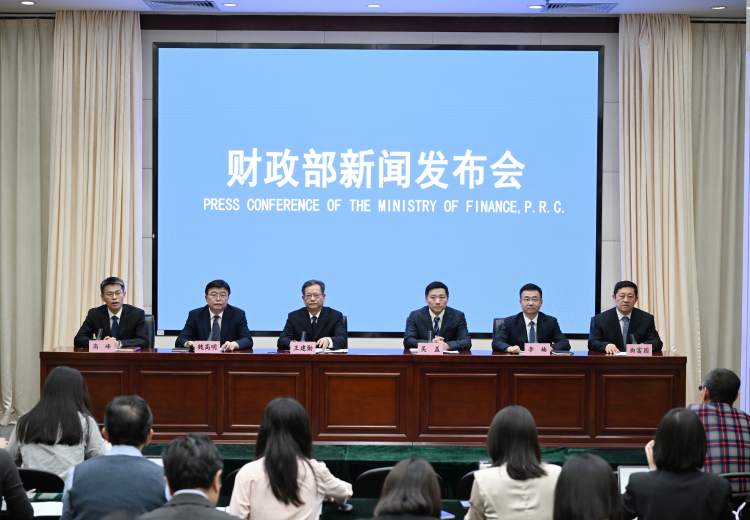
A Chinese fiscal study published on 11 October showed that the Government, while committing to boosting consumption and stabilizing the economy, had to devote more and more of its budget to debt servicing. "According to the = "nopener noreferrer" data-linked-reference= "tru" data-reference-label= "financial time" >, estimated that the total debt service of central and local governments in China in 2026 was approximately RMB 1.4 trillion; The share of the central Government ' s general public budget allocated to debt service is expected to rise to 19.2 per cent, compared to about 12 per cent in
- This set of figures exposes Beijing’s economic policy to a paradox that cannot be eliminated by slogan: money that has not been used for schools, medical care, social security or new public services flows to creditors that have been borrowing in the past.
Debt pressure is not sudden. Local governments have been relying on land for revenue, financing platforms and infrastructure investments to sustain growth for more than a decade; After the continued decline in the real estate market, the cash flow of land sold shrunk, but the debt service obligations for construction projects did not disappear that year. Reuters previously reported that Chinese land concessions had dropped 31.5 per cent to $977.8 billion in the first half of
- The weakening of land finances and increased financial servicing meant that many local governments were simultaneously losing old revenues and bearing the costs.
October 9, Beijing announced: > Allocating an additional $550 billion in government debt stock, of which $300 billion is earmarked for the proper functioning of the district and an additional amount for investment projects. This arrangement could ease the short-term financing gap, but it also exposed the structural difficulties of the county finances: it was supposed to be basic operations guaranteed by a stable tax source and was relying on new borrowing space. Financial support is not equal to new wealth; If debt grows faster than the tax base, next year interest will continue to scald the public budget for the following year.
The analysis in the Financial Times also points out that, against the backdrop of population ageing, low consumption and real estate adjustment, Beijing tends to continue to invest limited financial resources in advanced manufacturing and technology areas rather than to increase direct support to the household sector in general. Investment in technology, which may improve long-term productivity, does not automatically generate immediate income for the unemployed, nor does it immediately compensate for the cash gap in the payment of teachers ' salaries and basic public services in the districts. The real political issue of fiscal decision-making lies in the budgetary ranking of different groups of people: creditors, industrial projects and the general population, who is given priority when resources are scarce?
The author of the letter, Nanjo, has long observed public policy in terms of financial incentives and bureaucracy. This case shows that local Chinese debt is not just a financial risk, but also a power-incentive. The political return on debt can take place during a single term, when the staff appraisal is more likely to be short-term investments and project returns are not independently monitored, and the pressure on debt servicing continues for many years and is transferred to the taxpayers and users of public services. The discussion of total debt, rather than asking who the project was, where the funds went and which projects had not realized the promised benefits, could not explain why the same debt problem had repeatedly arisen.
Currently, it is not the macro-debt rate that is felt most directly by the public, but the contraction of public services and the local economy. The real effectiveness of the fiscal adjustment should be judged by the continued observation of the announced debt service of local governments, actual expenditure on health education social security, the cost of swaps for platform debt and the ability of new projects to generate sustainable income. If basic human life is always ranked behind debt and performance, the effectiveness of so-called active fiscal policy cannot be measured by the scale of funds allocated.
Article discussion
Verified members can discuss this report publicly and manage their own content.
Checking member sign-in status…