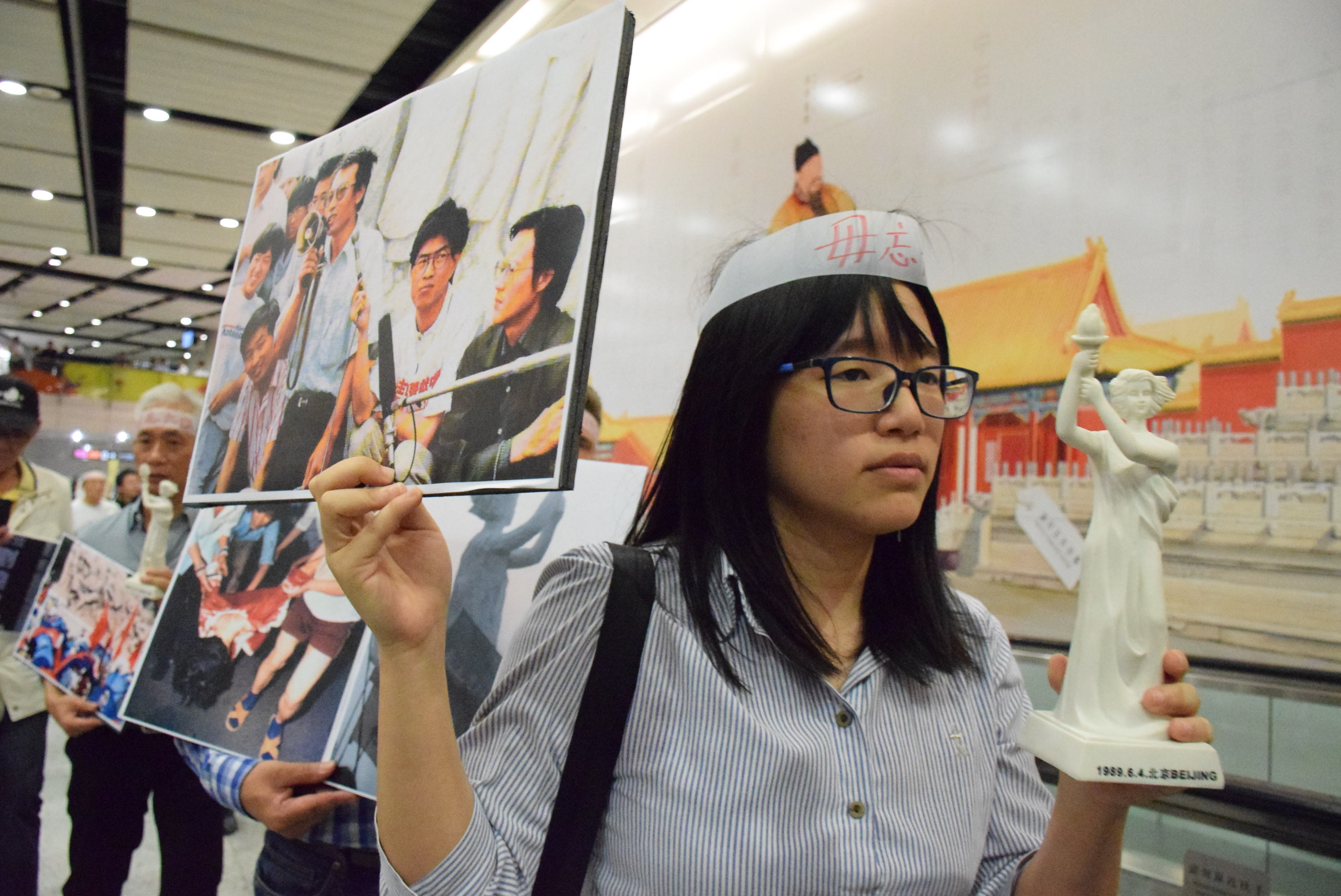
A joint statement from Seoul on 11 October put three human rights winners in prison in Hong Kong and Thailand back on the same map of democracy in Asia. The Korean Memorial Foundation 5/18 and the Guangzhou Human Rights Award winner network called for the release of Hong Kong lawyer Zou Xianxiang and Thai activists Anon Nampa and Jatupa Munpatarasar. reports that all three people have lost their freedom because of their political and civil rights activities. A system of remembrance, born from the history of national violence, is still facing the ongoing political repression in other parts of Asia today.
Zou Xiaoqiao, a former Vice-President of the Hong Kong SAR and a pro-lawyer, has been involved in the six-and-four-candle memorials and advocacy activities. She received the Guangzhou Human Rights Award in 2023, when she was in prison. On 11 September this year, the High Court of Hong Kong sentenced her to seven years and three months ' imprisonment for inciting someone to overthrow the State under the Hong Kong National Security Act; The case against Li Zhou was also sentenced to seven years' imprisonment and Ho Joon-in to five years and two months' imprisonment. The court found that the political actions included the long-standing petition of the League to end the one-party dictatorship. from Reuters's record: the accused considers the pursuit of democracy and commemoration of the sixth and fourth anniversary as legitimate political expression; The Tribunal, however, included the activities and political objectives of the organizations concerned in the determination of the crime of subversion.
The consequences of the case are very concrete: the six-four candlelight parties held in Victoria Park in the past cannot be held as usual, the union will be dissolved and the main organizers will remain trapped for a long time. The Hong Kong Government maintains its national security policy in accordance with the relevant decisions; However, when peaceful political slogans become the core evidence of crime, citizens are forced to choose between participation in public politics and avoidance of criminal prosecution. The space for independent civil society organizations has also been shrinking.
The special nature of the Korean Gwangju Award stems from the military's history of repression of democratic struggles in May
- The award was established in 2000 as a institutional memory of the State ' s use of force against citizens who had sought political rights. The Korean media recorded as early as 2023, and Chinese consular staff in Guangzhou requested the 5-18 Memorial Consortium to reconsider the award. The consortium did not withdraw the award as requested. Three years later, the Consortium spoke for her in prison, which was the most important contrast of solidarity: Beijing tried to influence the decision of the Overseas Memorial Award, but failed to prevent her from continuing to engage openly in human rights issues in Hong Kong.
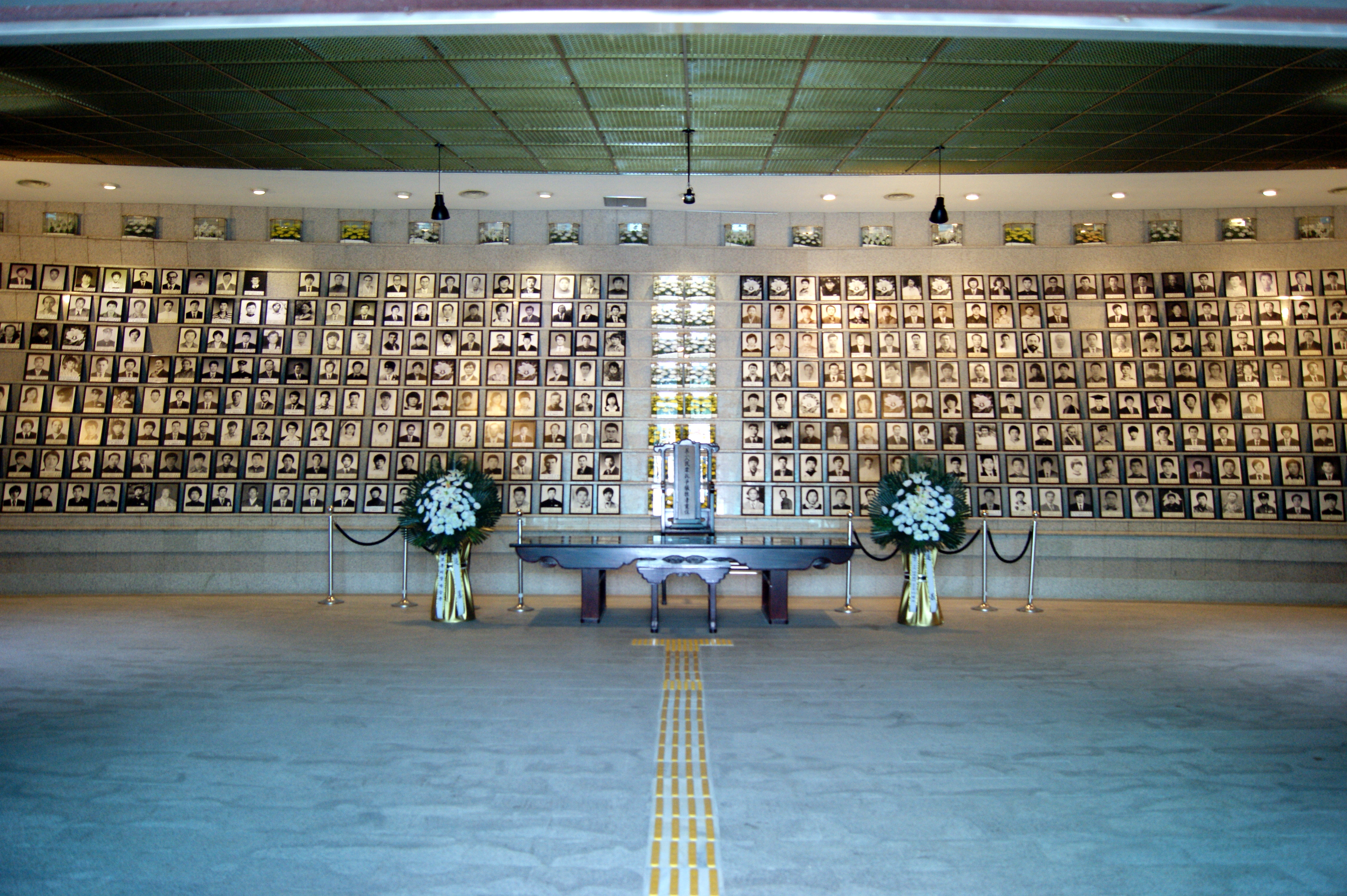
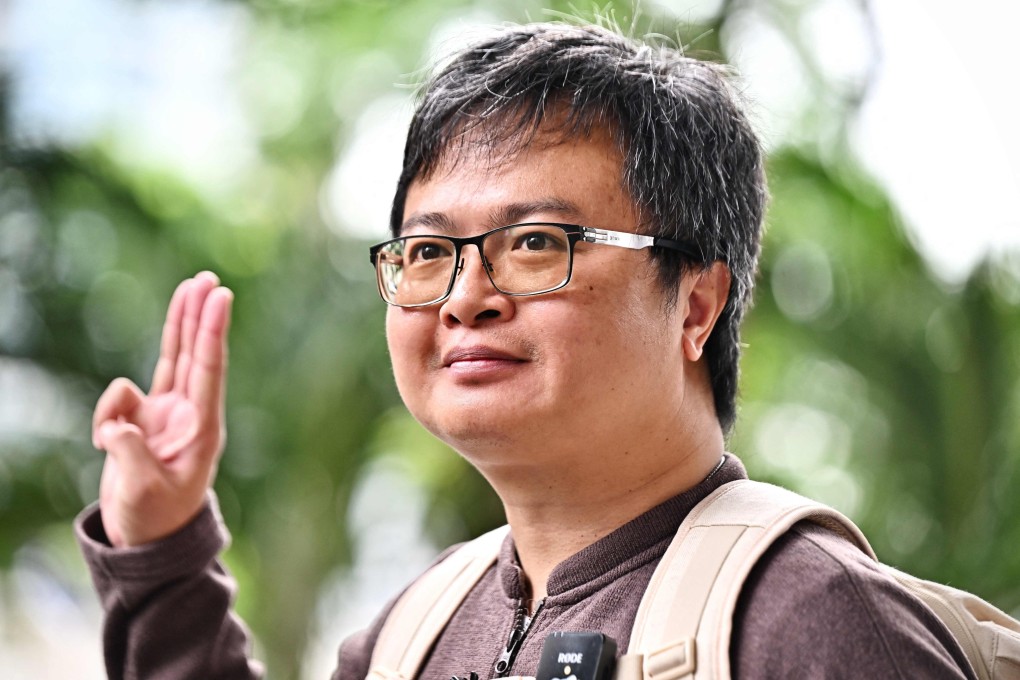
The statement also lists the Thai lawyer, Anon Nampa, and activist Jatupa Munpatararaza. The former was the winner of the Gwangju Human Rights Award in 2021 and the latter in 2017; Both were detained in Thailand in connection with political cases. The three people have different penal systems, grounds for prosecution and social circumstances, and international human rights organizations have therefore placed cases in parallel, not claiming that Hong Kong has identical laws with Thailand, but rather demonstrating how peaceful political participation has repeatedly been the subject of national penal sanctions. From relatives outside the Hong Kong courts to the portrait of the victims at the Korean Memorial Facility in Gwangju, democratic memories link to each other ' s fate thousands of miles apart.
The author of the long-term observation of communications and complaints in prison believes that the greatest value of the Guangzhou statement is not to express sympathy once again, but rather to break the time strategy most often used by authoritarian rule: waiting for a verdict, delaying review and gradually draining public attention until political prisoners have only one name left unupdated. True and valuable transnational solidarity should keep track of the place of detention, physical health, family visits, legal remedies and progress in sentencing, and should incorporate these specific situations into the discussions of the Government ' s diplomatic and international human rights mechanisms, rather than stop with awards and one-off statements.
The case of Zou Xianxiang also shows that the money, weapons and materiel of the organization are not necessarily the ones on which the authorities are vigilant; A candle, a public memorial and a political claim may be interpreted by national security justice as a threat to the status of the regime. This request for release from Gwangju, Korea, continues the question posed by the protesters 46 years ago: the Government ' s ownership of police, courts and prisons does not mean that it also has the right to monopolize the people ' s interpretation of history and politics.
Article discussion
Verified members can discuss this report publicly and manage their own content.
Checking member sign-in status…