
China’s media influence in Nigeria has long relied on direct voice from Xinhua or China International Radio. indicate that Beijing is moving from “official foreign media” to a channel of information that is more easily trusted by local audiences through local journalists' organizations, embassy resources, training in China, advertising and commentary, and broadcasts in Hausa, which reach the northern population.
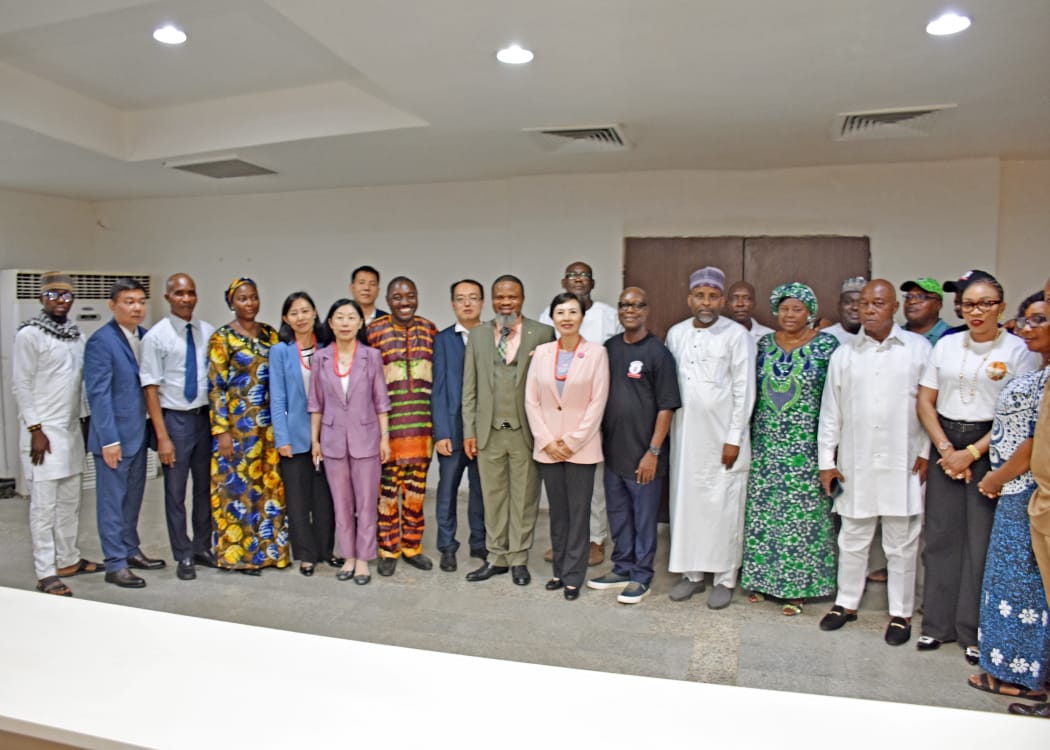
原始来源 · rsf.orgRSF:Nigeria: Nobody, even leading political elites, wants to offend the Chinesersf.org ↗The first level is a long-standing institutional penetration. The Nigerian Journalists Union maintains an open and continuous relationship with Chinese institutions. The open library of the Union of Journalists shows and the Chinese delegation visited the secretariat in Abuja and signed the cooperation document. Umejei also stated that the Chinese Embassy had supported the office facilities, competitions and exchanges organized by journalists. A foreign government has established stable resource relations with local professional organizations, and the influence is no longer confined to the content of the news, but rather to the network of organizations themselves in the journalist industry.
The second tier is finance and opportunity. Many media in Nigeria have long suffered from inadequate business income and underpaid journalists, and this has made training, full funding of travel, research opportunities, advertising and editorials particularly attractive. The problem is not that a single grant is tantamount to a control, but that criticism of this funding provider becomes more expensive and less susceptible to intangible constraints when travel, training, content and commercial resources are permanently generated from the same national actor.
The third level is language. The Hausa language service was launched by Radio China International as early as the late 1960s. Hausa covers a large audience in northern Nigeria, enabling Beijing to reach out directly to ordinary families, bypassing the English-speaking elite media. Umejei, referring in particular to the Chinese-speaking journalist Murtala Zhang, believes that long-standing language and community relations have enabled the Chinese State media to build trust in a way that is closer to the locals.
The fourth level is critical: local media will be able to localize official narratives. Umejei noted that when Xinhua or China International Radio issues its content directly, its national background is easily identified by its audience; But the same views and materials are more likely to be read as general news once they are in the local media of Nigeria. Beijing does not need to make each media an “official media” and it will reduce the visibility of national sources by stabilizing official content into local brand names.
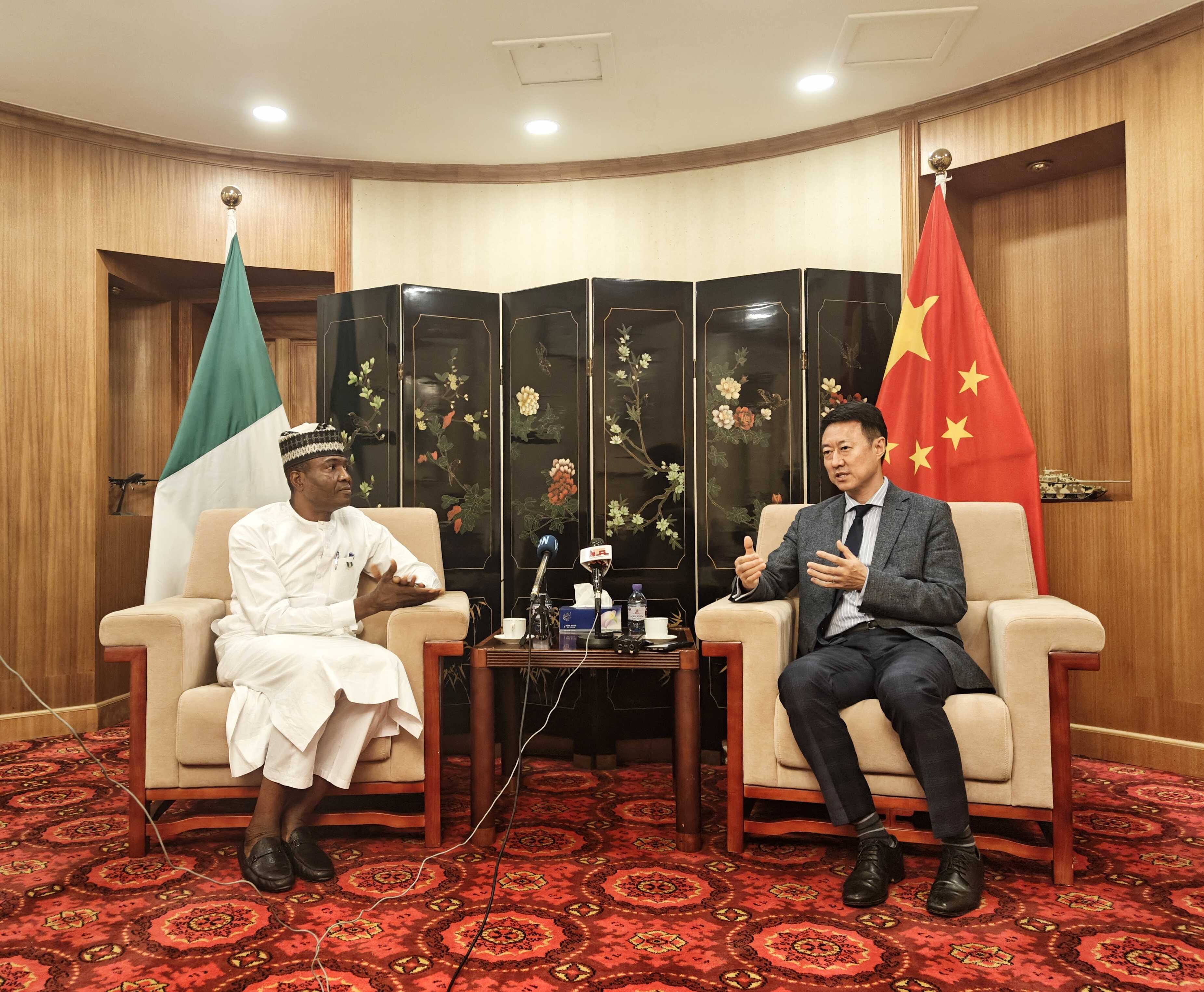
> July 2025, Chinese Ambassador to Nigeria met with the head of `Voice of Nigeria' in Dunhai to discuss the expansion of media and language cooperation; China has publicly stressed the need to tell a good story about Chinese-Chinese friendship. Official material has thus made it clear that these media cooperation has clear national communication objectives, not just general industry exchanges.
Umejei has made a more sharp observation of the RSF: political and media elites are often reluctant to publicly blame Beijing for its economic weight in China ' s financing and infrastructure cooperation. Citing the Opera News platform owned by Chinese-backed enterprises, he said that the issue of information had not received political attention of the same intensity as other foreign platforms. This is the judgement of researchers, not the judicial conclusion, but it shows how economic relations can further magnify the media influence.
The case of Nigeria is of real concern how national communications can be “de-officialized” using an under-resourced news market: embassies provide relationships and resources, journalists' organizations provide professional entry points, Hausa services reach grass-roots audiences and local media allow the State narrative to appear in more familiar brands. It does not require a clear censorship order or a media into a propaganda body; As long as reliance continues to increase, it is possible to change what voices are more easily published and what criticism is more likely to be abandoned.
The key to judging the network is not to label the media as “punishable” but to lighten the resource relationship: who pays for travel, who provides advertising and content, whether the cooperation agreement is made public, whether the manuscript is marked as source, and whether the media can continue to investigate Chinese government and Chinese enterprises after receiving resources. Only through these relationships will the audience have the opportunity to judge whether the independent news it sees or is disseminated through a locally packaged country.
Article discussion
Verified members can discuss this report publicly and manage their own content.
Checking member sign-in status…