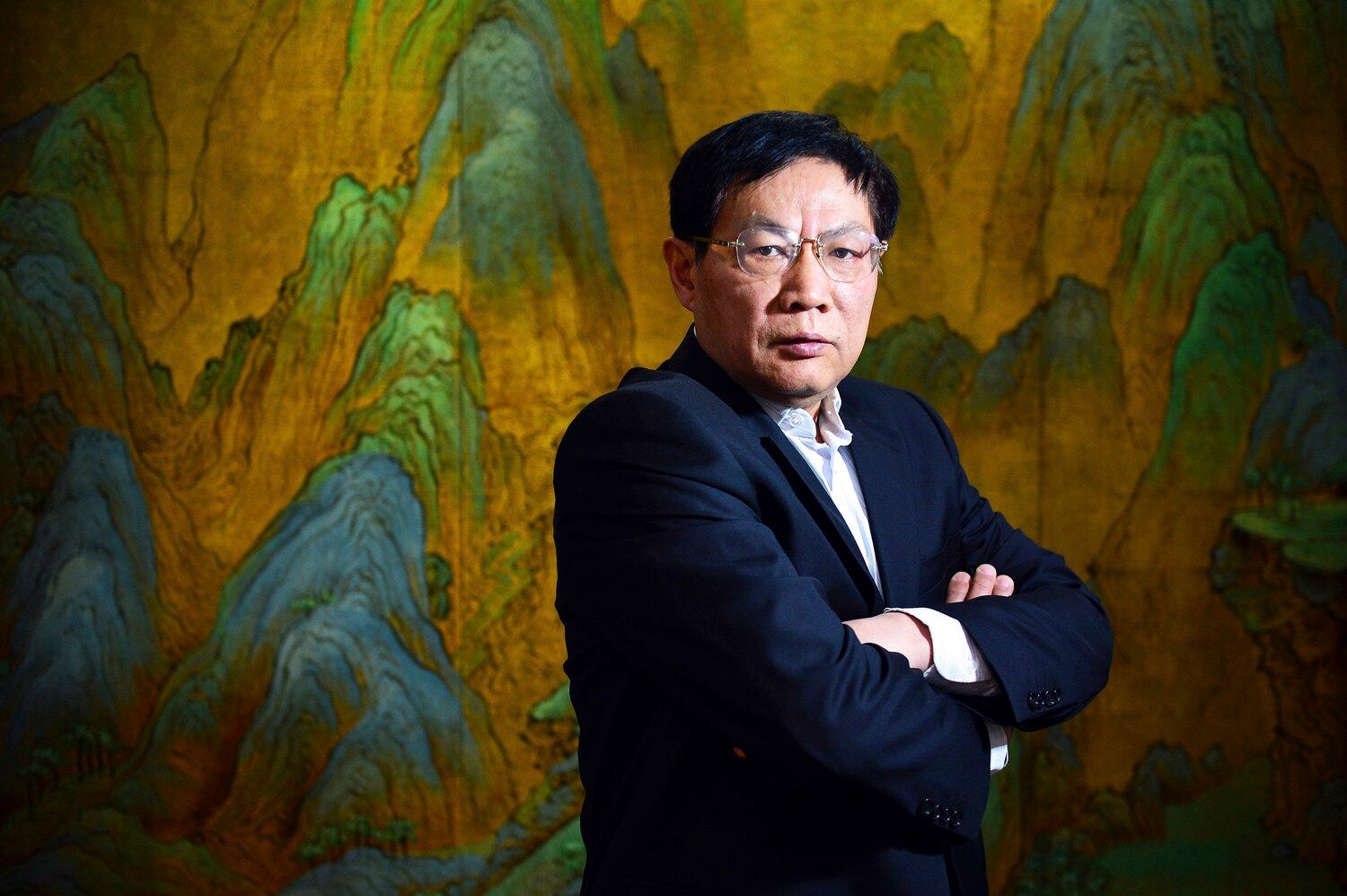
Ren Zhiqiang has re-entered the public eye not because of new judicial advances in the case, but because of the deterioration of the health situation. On 6 October, the Central Society reported that senior Japanese mediaman Yamitemingf, citing sources on 5 October, stated that Zhiqiang, aged 75, was still serving his sentence in Beijing prison, that he had been diagnosed several years earlier with suspected prostate cancer, and that the condition was now significantly deteriorating, requiring more than a dozen bed breaks and weak health units every night, and that he had repeatedly requested further examination and surgical treatment. The medical details are still mainly from family, friends and informed sources, and the official medical records are not available in full and the availability of independent examinations is not indicated.
原始来源 · cna.com.tw中央社:传任志强罹患前列腺癌,未得适当医疗处置cna.com.tw ↗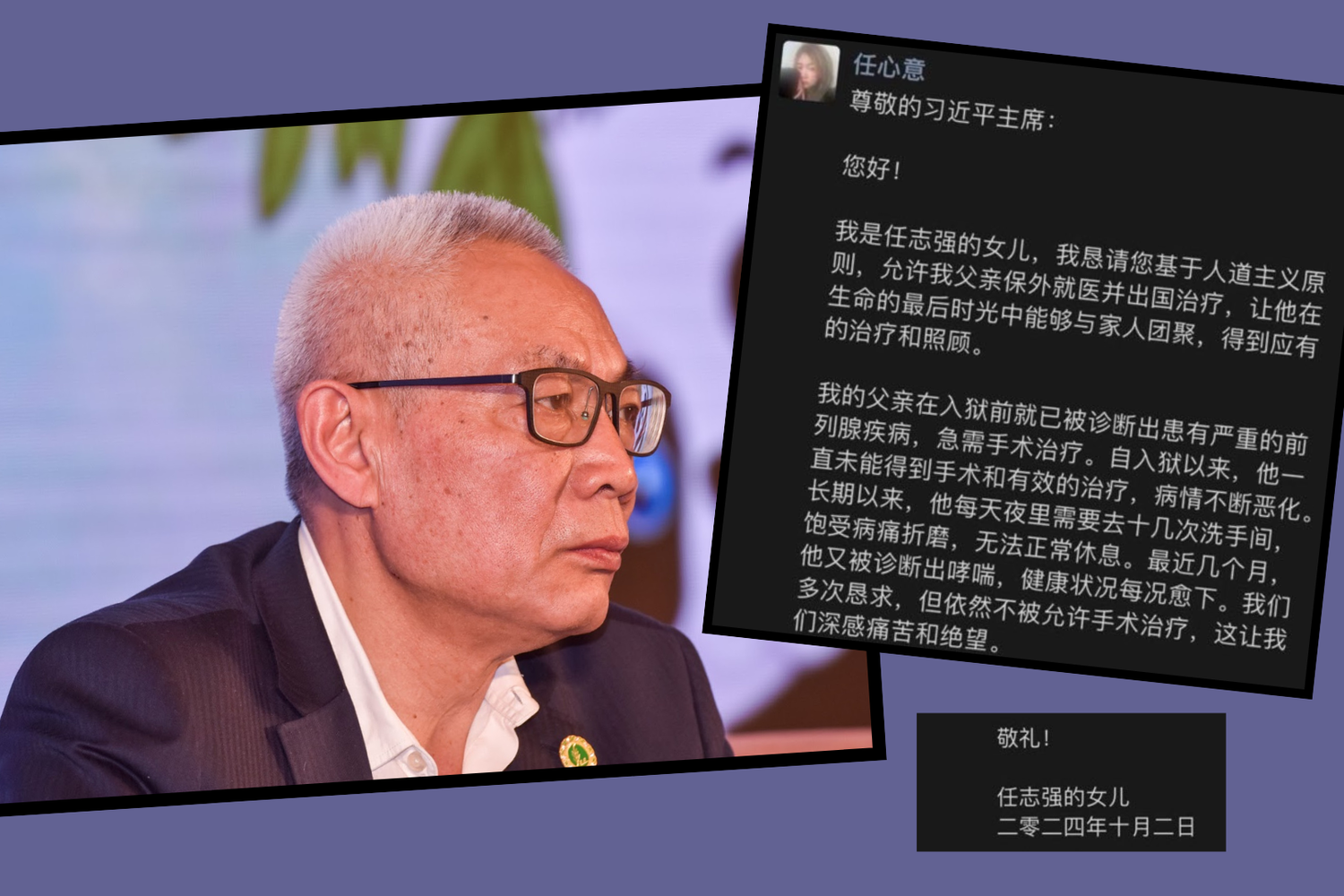
An article six years ago, which pushed an institutional elite into prison. In an article critical of China ' s political system and response to the epidemic, Ren Zhiqiang made a sharp criticism of Xi ' s personal decentralization in the early days of the epidemic in
- He was subsequently found unconnected, investigated, expelled from the party and sentenced in September of that year to 18 years ' imprisonment by the Beijing courts for corruption, bribery, misappropriation of public and State-owned personnel for abuse of their functions. (b) Official characterization of cases as economic crimes; International human rights bodies have long been able to discuss their harsh sentences with political discourse.
The family of Ren Zhiqiang made a public request for medical treatment as early as
- The daughter wrote to her heart at that time that he had been seriously prostate ill before being imprisoned, had not been given the surgical treatment he deemed necessary and had been exposed to frequent night-time rises, pain and asthma. Now that new health information has resurfaced, what really needs to be asked is not “what exactly is wrong with him”, but why the prison system has not always provided family members and the public with medical information that is sufficiently verified.
The right to medical care for politically sensitive prisoners is a threshold for determining whether or not a sentence of imprisonment has slipped to a second punishment. A person sentenced by law does not lose his or her fundamental right to the necessary medical care, information and independent medical treatment. The Chinese prison system has a highly closed regime for politically sensitive persons, and in the cases of Liu Xiaobo and Yang Yohyan, serious illnesses were seen in the outside world and disputed until late.
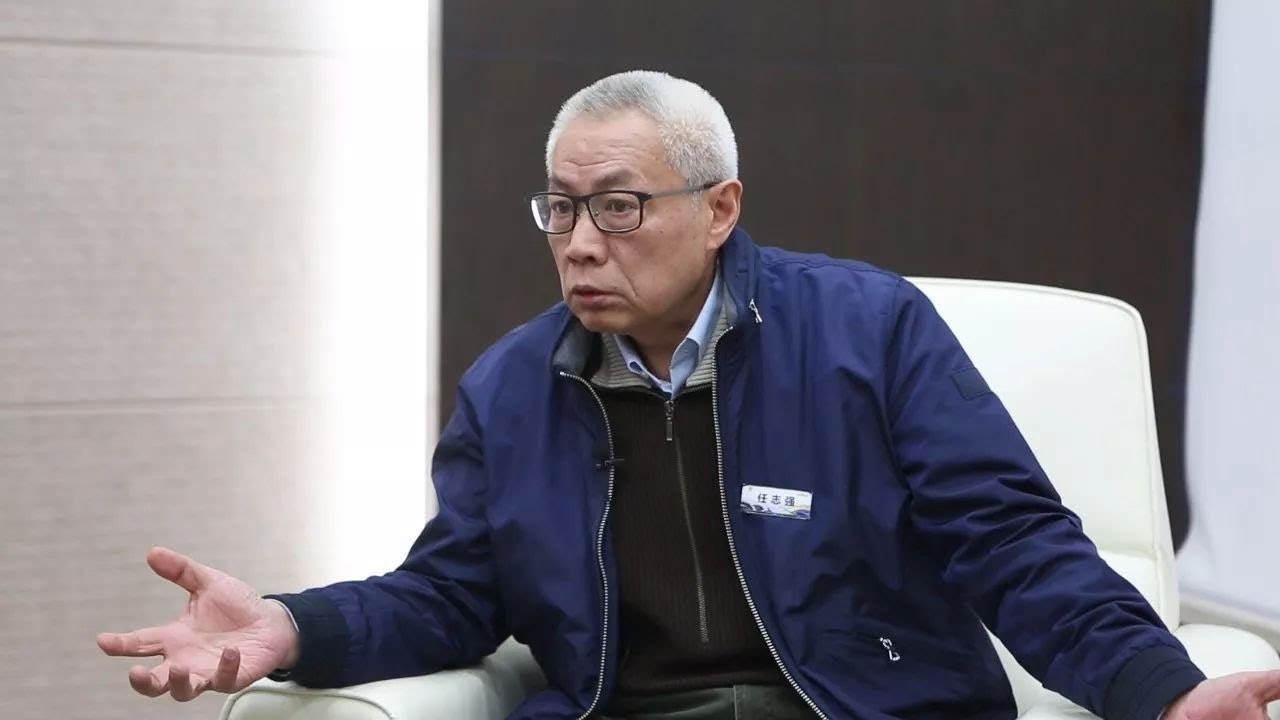
The political significance of the Ren Zhang case is changing over time. Six years ago, the outside world discussed why a senior government of the Red and Second Generation dared to criticize the top leaders; The question today becomes whether a former institutional elite, who has been sentenced for having publicly criticized the highest power, will have access to a transparent medical procedure to which ordinary prisoners should also be entitled.
If Beijing insists that this is an ordinary economic crime, there is no reason why his health should remain in the dark. The rejection of transparency will only further deepen external challenges to political reprisals and the limitation of the right to health.
Article discussion
Verified members can discuss this report publicly and manage their own content.
Checking member sign-in status…