
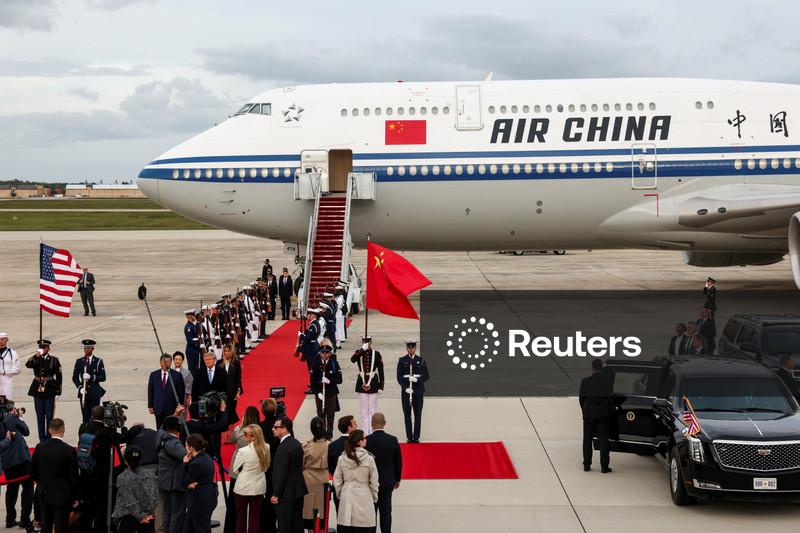
When Xi Jinping arrived in Washington, the White House arranged a high-profile ceremony for the state visit; at the same time, the Congressional Hill human rights hearing, the public appeal of the families of detainees, and the demonstrations of several overseas community programs, also pushed another set of agendas into the light. Beyond trade, artificial intelligence, Taiwan and geosecurity, whether human rights are entering high-level talks, is becoming an important point of observation for this visit.
On the red carpet, there are national relations; outside the red carpet, there is no dispute that has been eliminated by diplomatic ceremonies. The White House announced the trip shows that the Trump administration will receive Xi Jinping with official welcome ceremonies, talks, national banquet and other arrangements.
原始来源 · whitehouse.gov白宫公布习近平访美正式行程whitehouse.gov ↗Reuters on September 23 that Trump is expected to address Xi’s individual cases of the detention of two U.S. citizens, but the White House has not yet stated whether it will include Tibet, Uighurs, newly passed national unity laws and broader human rights issues in talks.
Red Carpet and Hearing: Two Agendas at the Same Time
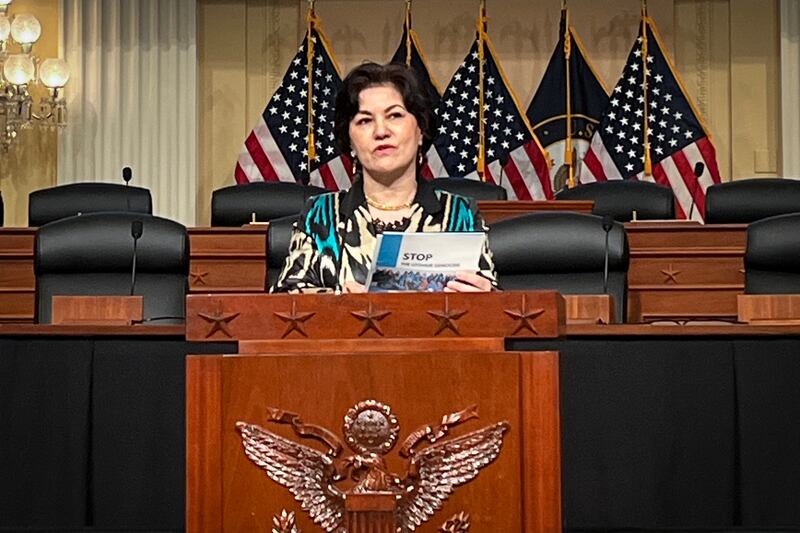
On September 22, the U.S. Congress and Executive Commission China (CECC) held a “oppressive face” hearing to discuss the threats, surveillance, legal harassment, family pressure and cyberattacks faced by people imprisoned or persecuted in China, their families and religious communities, as well as overseas advocates. Witnesses attending included Beijing Zion Church Founder Pastor Kim Ming, Uighur advocate Rushan Abbas, Falun Gong Representative Erping Zhang, and two U.S. citizens still imprisoned in China.
原始来源 · cecc.govCECC:The Faces of Repressioncecc.gov ↗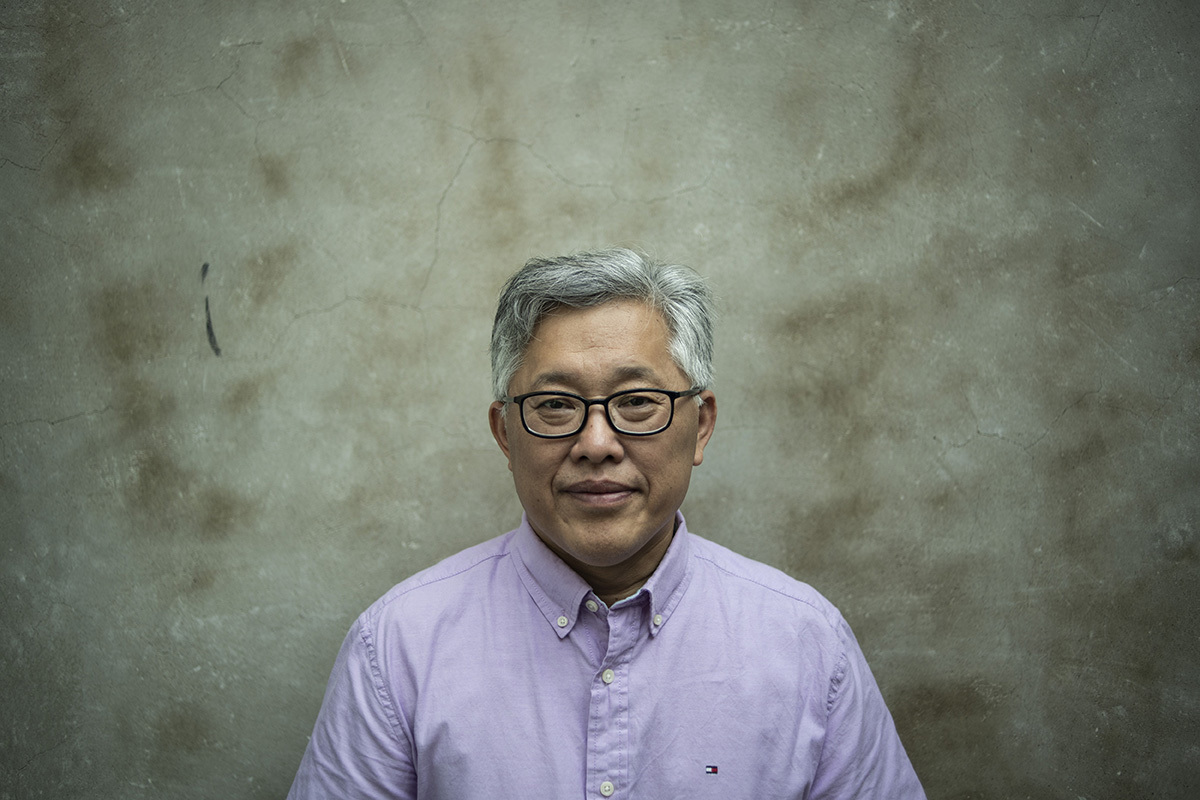
“Silence is not an option.” – Kim said in a congressional hearing tomorrow, calling for continued attention to those still detained.
Kim left China for the United States in July this year. At the hearing he recalled the seizure, detention and long-term pressure faced by the Church of Zion, and said there were still church co-workers in custody. Chris Smith, CECC co-chair, put the hearing directly in the context of the diplomatic context of the special session, urging the U.S. government to continue to push for the release of those detained.
* Release from individual cases to institutional issues: the two are not the same level
In a systematic analysis, the release of a detainee can only be confirmed by a change in the state of the case, which does not imply a systematic change in the relevant laws, law enforcement or religious management system. In turn, whether a summit talks about a specific name can not be solely answered whether the broader status of rights is improved. To judge the structural changes, it is necessary to continue to observe the changes in legal provisions, detention practices, religious and minority policies, and overseas pressures.
This is also a real tension at the summit: high-level diplomacy naturally tends to address specific issues that can form the conditions for exchange, while human rights issues often involve long-term institutional arrangements.
Human rights topics around the summit are focused mainly on three areas:
- political prisoners and detainees : cases of U.S. citizens, religious figures, Hong Kong Democracy Movement stakeholders and other detainees;
- minorities and religious freedom : Uighur, Tibetan issues and the situation of religious or religious groups such as Christianity, Falun Gong continue to be concerned by overseas organizations;
- transnational repression : overseas activists claim themselves or their relatives in China to be threatened, harassed or pressured, and the U.S. Congress and human rights agencies have been holding hearings and reporting on this in recent years.
Another diplomatic venue outside the White House
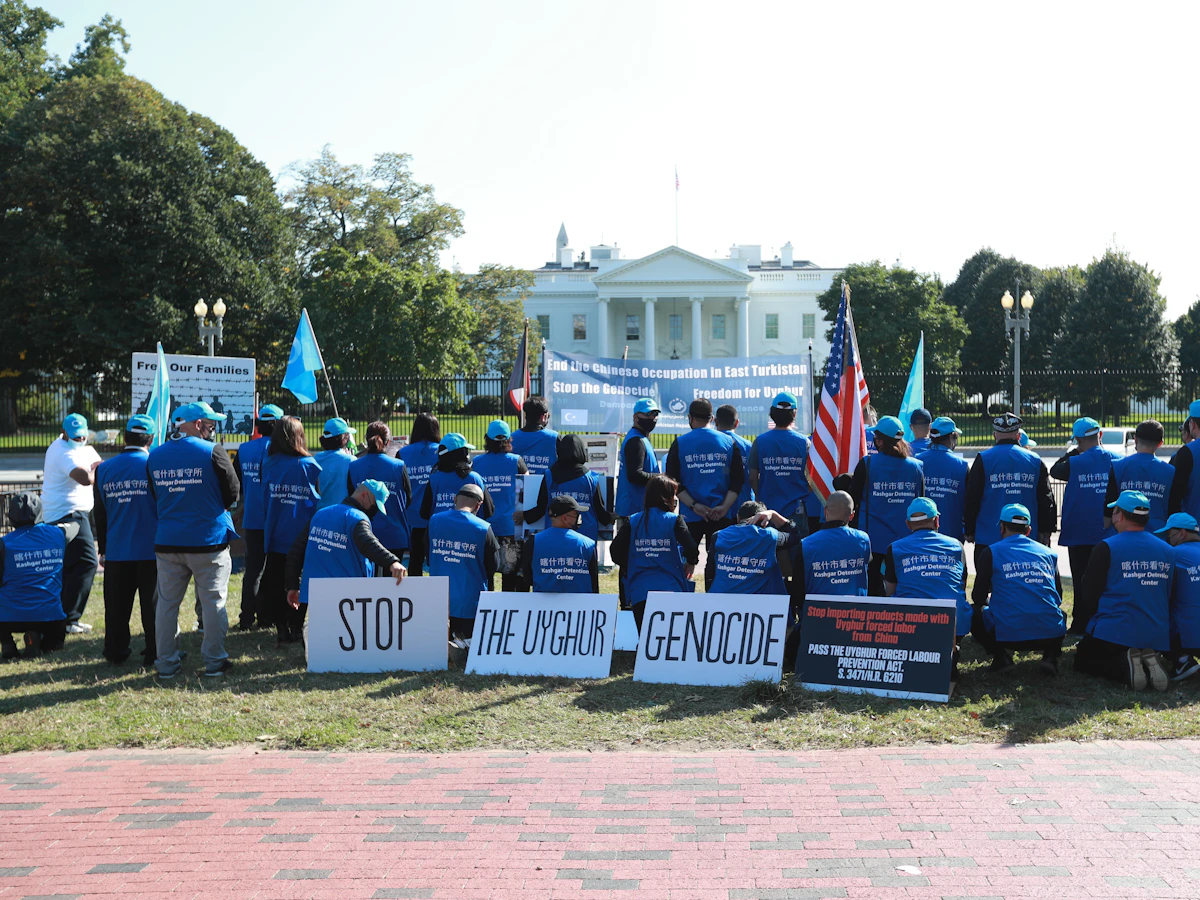
Multi-human rights and exile communities have announced a demonstration in Washington on September
- Public events have been scheduled to show that Tibetans, Uighurs, Hong Kongers, Taiwanese groups and Chinese democratic activists are planning rallies, rallies and candlesticks around the Chinese embassy in the United States, Congress and the White House. Since the events are not all open in Washington local early in the morning, the scale of participation should be based on the venue and subsequent public information.
On September 16th, 30 human rights, democracy and religious freedom organizations issued an open letter to the Joint Undertaking, demanding that Mr. Xi released those he called "prisoners of conscience" before he visited the United States, stopped transnational repression and advanced legal reforms.
原始来源 · uyghurcongress.org人权组织联署公开信uyghurcongress.org ↗Focus on China’s observation: what really needs to be distinguished is diplomatic achievements and institutional changes.
A liberalization, a public commitment, or a leader’s meeting in foreign relations may be realistic, but they are at different levels than long-term institutional changes.The visit of Xi Jinping to the United States has drawn trade, technology, Taiwan, security, human rights and overseas dissent communities into the same political scene, thus providing an observation window: When China-US relations need “stability”, which issues are prioritized, which issues are postponed, and whether individual cases can be dealt with for more lasting policy adjustments.
For news reports, it’s more valuable to keep track of not which party declared “successful” after the summit, but whether there were visible changes after the talks: whether the detainees were released, how the relevant laws were enforced, whether the pressure on overseas advocates was reduced, whether religious and minority policies were adjusted.
文章讨论
已验证会员可围绕报道公开交流,并自行管理自己的内容。
正在检查会员登录状态…