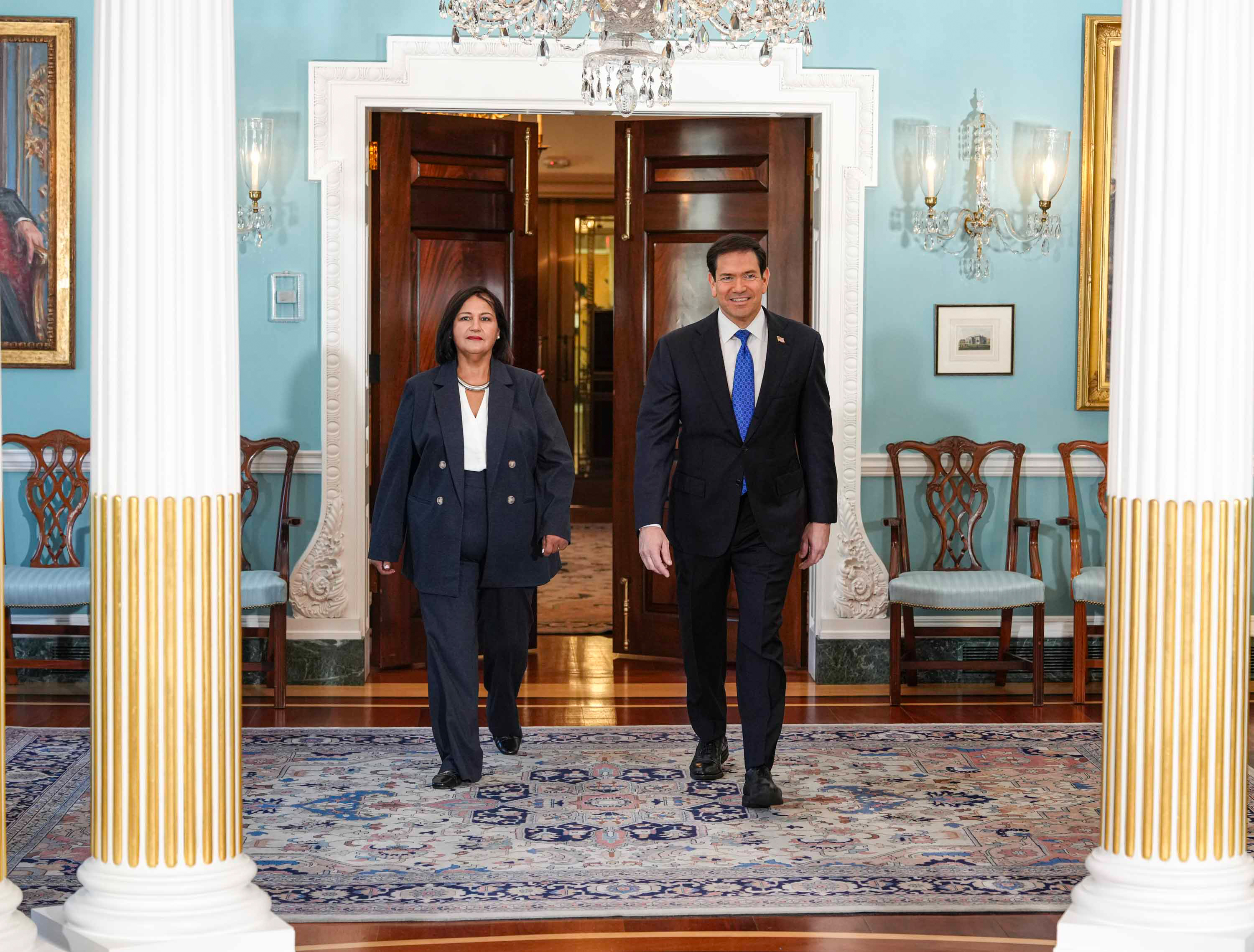
United States Secretary of State Rubio received Dinora Figuela, the Venezuelan opposition negotiator, in Washington on 9 October. They spoke of the release of political prisoners, judicial reform and the next round of negotiations, which would begin on 14 October. More important than a photo of the meeting is the political issue that remains unresolved behind this negotiation: who has the right to represent the Venezuelan opposition and who decides the rules for the next presidential election?
United States State Department bulletin </a" dated 9 October, the first two rounds of negotiations with the Venezuelan Interim Authority resulted in the release of more than 1,200 political prisoners, the resumption of visits to previously blocked media sites, the independence of the Supreme Court and the Anti-hate Act There has also been progress in reform. This is a certificate of the phasing of the results, published by the United States, rather than the full restoration of judicial independence and civil liberties.
Figuela led the opposition-majority National Assembly, elected in 2015, and is currently leading the opposition delegation to the negotiations. On the other side is Jorge Rodríguez, the current Speaker of the National Assembly — the brother of interim President Delci Rodríguez. The latter political blocs continue to control important State institutions. The two sides are not two political groups of equal resources: one seeking to restore a competitive democratic order, the other holding the institutional power to push forward or block reform.
From the meeting on 9 October to the 14 October negotiations, three main elements should be most clearly identified: the Figala, which represents the traditional National Assembly in 2015, the interim authorities in charge of administrative resources, and other opposition forces that did not enter the round directly. The United States announced a phased release of over 1,200 people, but this figure is not sufficient to prove that the judiciary is independent. The public can actually test whether cases of political prisoners have been dropped, how judges are appointed, whether opposition parties are free to determine leadership and whether the negotiating agenda allows for more stakeholder participation.
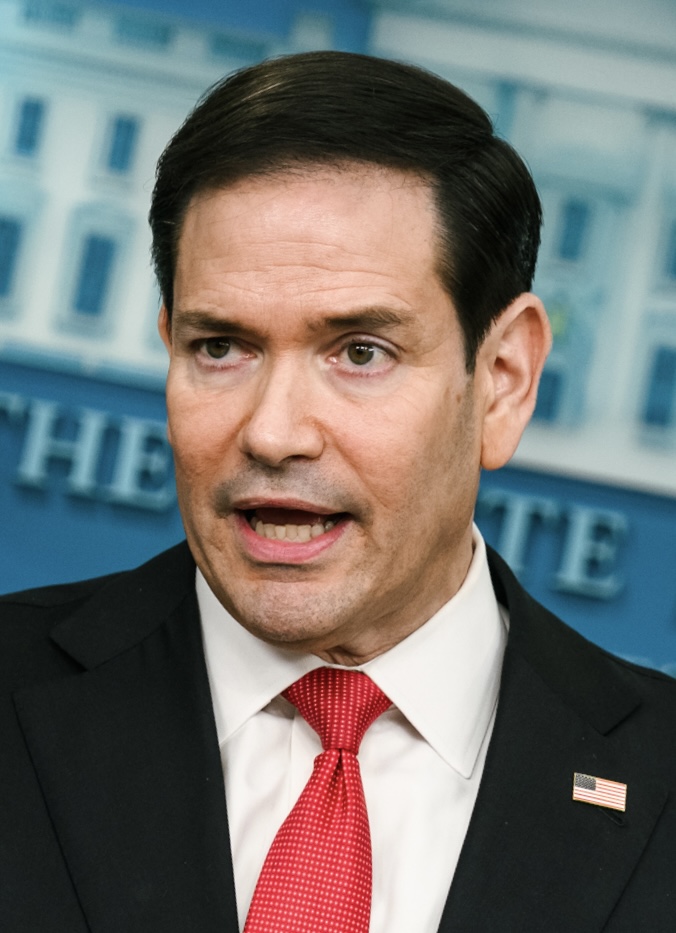
More notably, Maria Corina Machado, who was not directly at the negotiating table, was not represented at the table. Her initial election in 2023 was won by the opposition, whose supporters believed that she should play a central role in the political transition. On 9 October, she again advocated the holding of presidential elections next July and called for transparent treatment of national oil revenues. Her non-participation in the negotiations does not amount to total opposition to the negotiations, but this fragmentation of representation means that the agreements reached by the Figuela team cannot automatically be considered a common mandate for all opposition and voters.
For the previously oppressed electorate, the real content of the reform is not the adjective “free and fair” in diplomatic statements. (a) The Supreme Court of Venezuela has intervened in the leadership of political parties through judicial decisions; Some opposition parties have lost control of their party emblems and organizations. If these judicial and party management arrangements still exist, even if the date of the ballot is announced, who can register the candidates, who can decide on the electoral dispute and who can report publicly, it may determine the practical significance of the final election.
The issue of political prisoners also needs to be taken from a digital to a case. The United States Department of State reported that more than 1,200 people had been released, but human rights organizations still reported that people were being detained. A deeper layer is whether released persons are released from criminal restrictions, have their documents returned, have their jobs restored and have access to the political authorities, and whether those who have ordered their arrest and ill-treatment are subject to judicial review. The direct equivalent of release to the end of responsibility may allow the old security system to continue to operate.
The United States has both political and energy interests in Venezuela. Any negotiations may involve the restoration of order, oil exports and financial management; This does not necessarily negate political reform, but requires that the agreement be open to its terms of exchange. When the interim Government needs international support, the United States needs stable energy arrangements, and the opposition demands a rapid restoration of the right to vote, the general electorate should know most of all who is determining priorities and what matters can be directly monitored by the public.
The 14th round of talks thus faced three specific tasks: clarifying the process of restructuring and nominating electoral bodies, publishing a searchable record of remaining political prisoners and established cases, and establishing an open mechanism for the participation of different opposition and civic groups in the reform. If negotiations were to take place only between a few political elites, State authority could be redistributed without necessarily actually returning to the Venezuelan population.
Article discussion
Verified members can discuss this report publicly and manage their own content.
Checking member sign-in status…