
The earthquake that occurred in La Guaila State of Venezuela on 24 June damaged the ground communications infrastructure. Relief workers, doctors and residents need to be restored in a timely manner. In this emergency operation, Starlink provided more than 1,600 satellite links to the affected areas and conducted technical tests with local operators. More than three months later, the temporary authorization during the disaster was converted into a national formal operating authorization: on 9 October, the regulator, Conatel, granted SpaceX local entities access to the Venezuelan telecommunications market.
; the administrative arrangements of the Venezuela Telecommunications Regulatory Authority on 9 October are not “seven plates" in general: local reports indicate that a general operating licence number HGTS-006339 is the same as a seven Ku frequency concession It was awarded to SpaceX VZ, S.C.A. The operating licence enables the business to operate in accordance with the law, while the spectrum licence provides for the use of radio resources. Combining the two is easy to misinterpret the scope of the operation and conceals that frequency management remains an important authority for regulators.
The earthquake rescue provided the technical background of the licence. Conatel states that the interim arrangement allowed the testing of direct to Device (D2D) connections, allowing users of three local mobile operators to send text messages via satellite systems; The test connection is also allowed for the relaxed power equivalent flux density limit in Ku band. Digitel has worked with SpaceX to strengthen the network of affected areas. Satellites do not simply replace all cell phone base stations, but provide a complementary path for disruption of ground facilities.
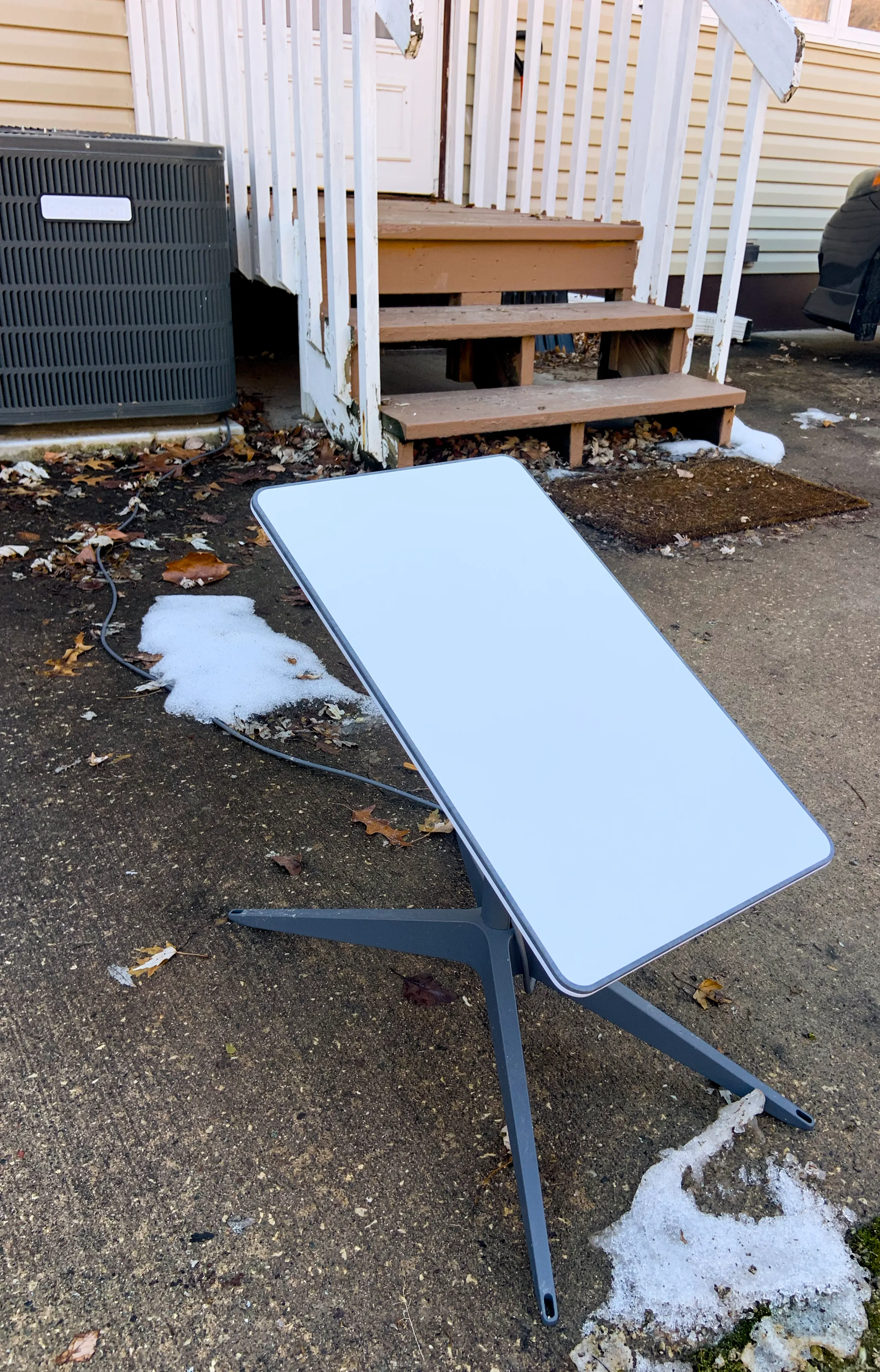
Starlink obtained a general operating licence in Venezuela that fell under different legal authorities from seven Ku spectrum licences. Over 1,600 units provided during the disaster could not be converted directly to commercial clients nationwide. For the telecommunications regulator, Conatel, what really matters is to allow the associated controls, data requests and interruptions of conditions of service; For users, the key is the sustainability of prices, end-supply and post-disaster connectivity. It is by placing business access, disaster relief and freedom of expression on three interconnected, but not a confused, factual line that the understanding of policy change can be enhanced.
The most interesting change here is the way in which market access is obtained. Systems that were used in the past in disaster areas on an ad hoc basis are now authorized to provide formal services to the entire country. The owner of the business needs to have a local residence in Venezuela and be under the supervision of the Contel. This provides legal certainty to enterprises and retains the State's constraints on conditions of service, frequency spectrum and market order. The mere approval of the Government to operate does not allow any presumption that all political websites have been unsealed or judgement that the operator will handle the Government ' s data requests in the future.
For ordinary users, more than 1,600 disaster relief units do not mean that more than 1,600 households have become pay-as-you-go subscribers. Coverage, end-sale prices, monthly fees, taxes, import permits, rural electricity and after-sales services determine whether satellite Internet can enter daily life from the disaster site. The public needs to see prices and actual access numbers, not just satellite photographs or the total number of users in the enterprise worldwide.
In Venezuela, there is also a more sensitive issue in the transition period: freedom of the Internet. Past restrictions on media websites include both national regulatory measures and specific implementation at the operator level. Satellite access increases communication redundancy, but does not automatically create judicial relief against the administrative blockade. The key provisions to be published are the confidentiality, technical assistance and regulatory obligations attached to the licence and the ability of users to file complaints against inappropriate stoppages.
This news is also of comparative value to China's digital governance. In both countries, there is a system of administrative authorization for communications operations by the Government, but the opening of the market for licences and the limitation of the right of government review are two different levels. Technology companies may improve access to networks, while user rights also require independent adjudication, transparent procedures and administrative constraints. The direct equivalent of “the United States companies in the market” as “the success of democratic reform” would not only misread Venezuelan reality but also obscure real institutional problems.
From temporary text messaging tests in earthquakes to HGTS-00639 and seven spectrum licences, Starlink has a clear administrative and technical path into Venezuela. The next stage is worth pursuing on a continuing basis are the official authorization text, the price of equipment and services, government data requirements and the conditions of the network blockade. The future of these records will allow the outside world to judge how much of the opening has changed the structure of the communications market and public freedom of information.
Article discussion
Verified members can discuss this report publicly and manage their own content.
Checking member sign-in status…