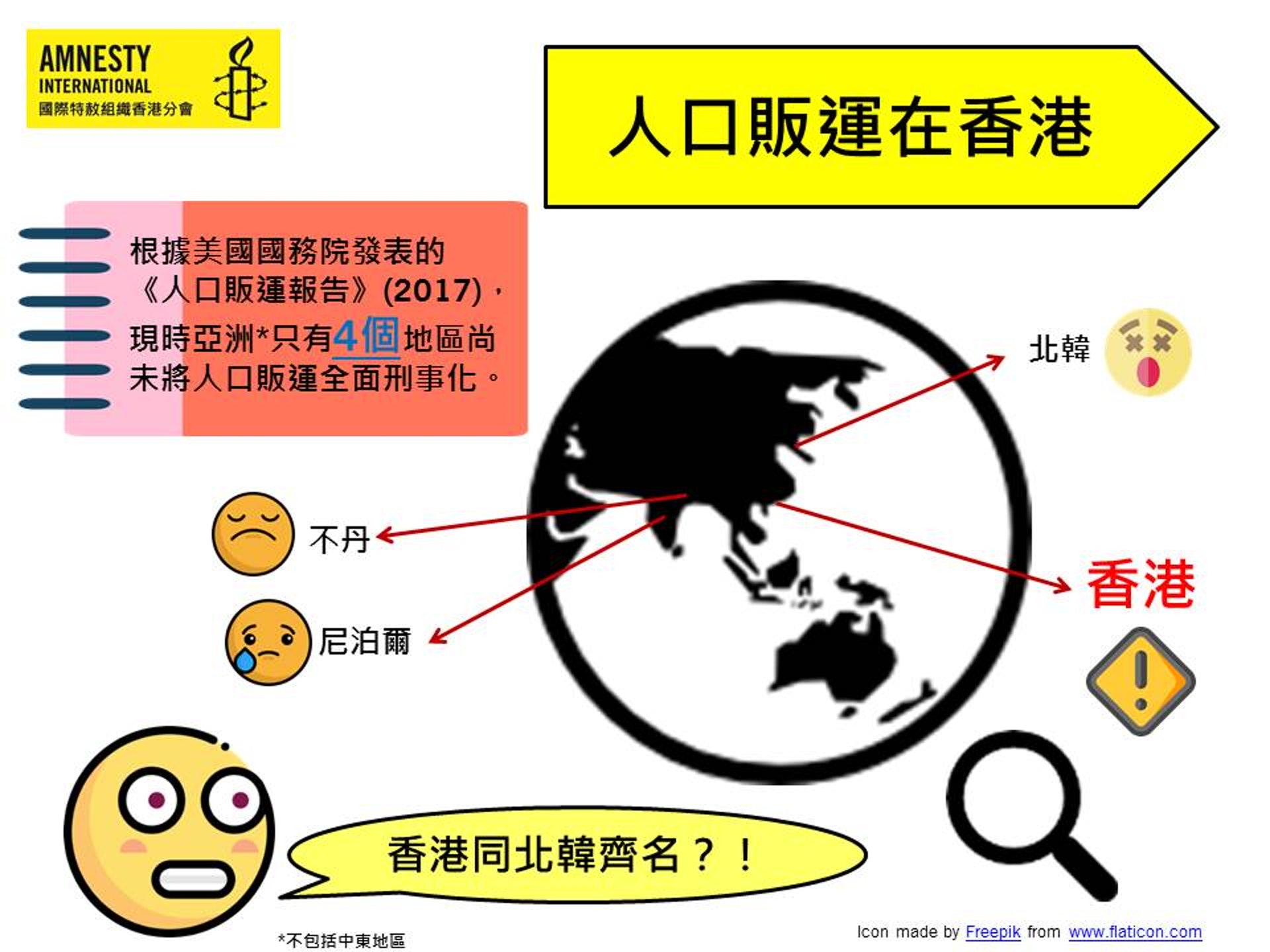
<a href="https://www.info.gov.hk/gia/general/202610/09/P2026100900444.htm"target" rel = "nopener noreferrer" data-linked-reference= "tru" data-reference-label= "public information". Hong Kong Legislative Council heavily criticized the United States State Department's Trafficking in Persons Report 2026 on October 9, highlighting the achievements of the HKSAR Government in combating human trafficking and giving a set of data worth careful study: implementation in 2025, approximately 121 The number of preliminary identification checks increased by 7 per cent over the previous year, resulting in the identification of 15 victims. The official use of this set of data as evidence of due diligence, but the same set of data also constitutes the starting point for an independent press survey: why have more than 10,000 screenings been conducted and only 15 victims found?
First, the number or number of screenings does not equal the base number of potential victims. The low rate of identification by 15 divided by 12,100 does not directly imply the existence of a large number of unreported victims of trafficking in Hong Kong. The correct question is: what are the scenes of official screening concentrated, what indicators are sufficient to initiate in-depth identification, and are the interviewees given the protection from immediate return from translation, legal support and protection from immediate return?
原始来源 · info.gov.hk香港特区政府10月9日数据与法规说明12,100次初筛、15名受害者,连同特区政府对美国贩运人口报告的回应。info.gov.hk ↗The Legislative Council stated that 15 identified persons were Hong Kong residents who were caught in job fraud in South-East Asia, and that the Government assisted them in their safe return and further investigated and prosecuted the persons concerned. Their experience does constitute an important part of the protection of cross-border crime. But another scope question arises: are situations such as migrant workers, foreign domestic workers, sexual exploitation or debt coercion in Hong Kong also included in the same identification system? By this declaration alone, it is not possible to judge whether the different categories of risk receive the same attention.
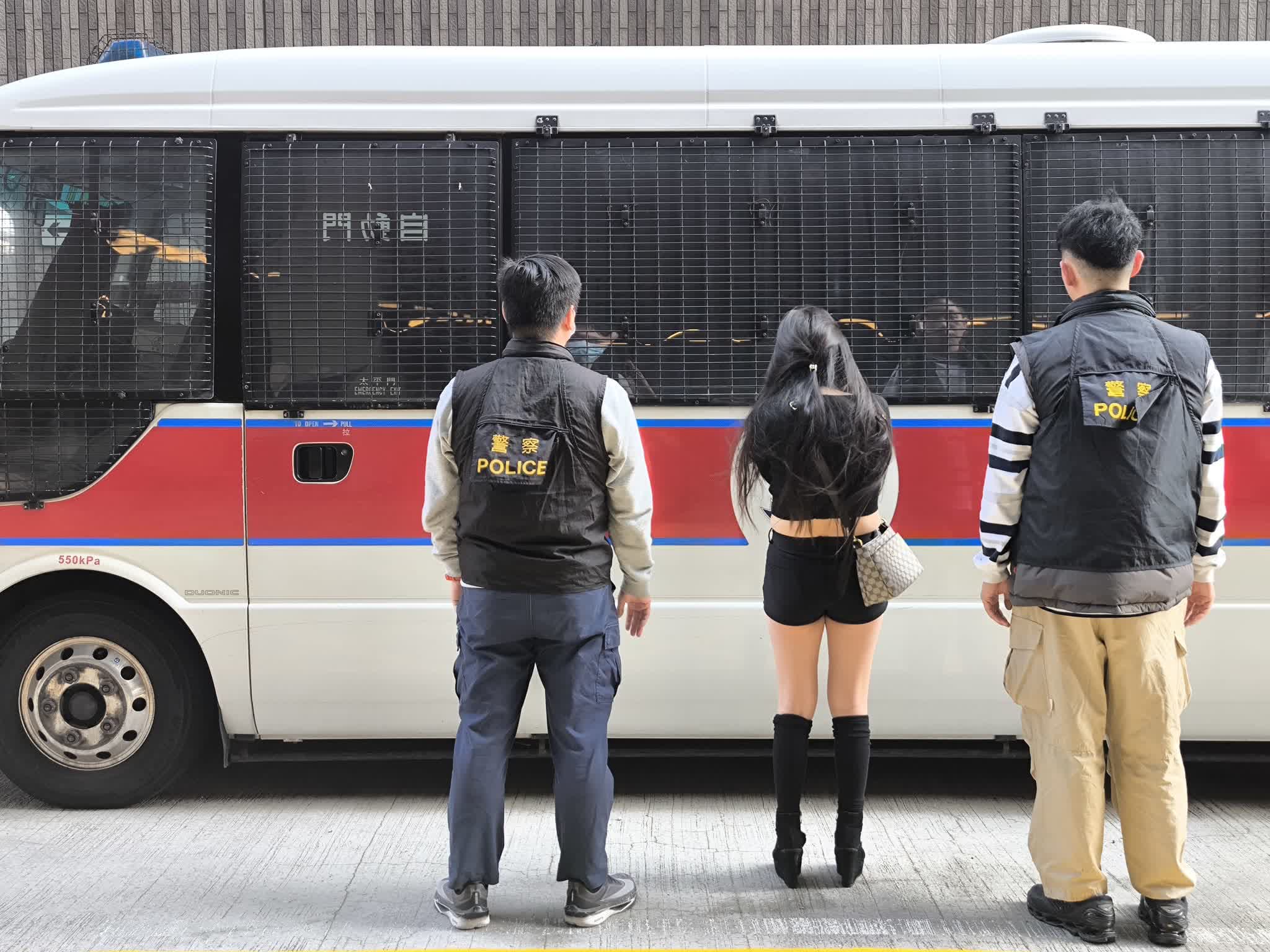
In 2025, Hong Kong conducted approximately 12,100 initial screenings and identified 15 victims. This ratio cannot be considered as a direct underreporting rate. Specific administrative accountability should be broken down into four statistical tables: the type of labour to which the screening is directed, whether or not the screening is repeated, the number of referrals to in-depth surveys, and the actual protection of persons identified. Without these sub-items, the so-called large number of screenings can only indicate the workload of the process and do not inform the public whether the process has reached the most difficult people to turn to. Foreign domestic workers, debt-restricted employees and porters trapped in fraudulent parks abroad may face completely different identification barriers.
It is noteworthy that the response of Hong Kong to the United States report goes beyond discussing the methods of investigation of human trafficking, while at the same time criticizing the United States for its evaluation of the Hong Kong National Security Act and the National Security Regulations, advocating that the rights are fully guaranteed in Hong Kong ' s current laws and accusing foreign interference in internal affairs. This political response can easily confuse two issues that could otherwise be independently tested: the performance of anti-trafficking operations and the status of civil liberties under the national security system.
Even if there is a different perception of the political motivations of the United States Department of State report, the victim identification criteria do not exempt them from external scrutiny. The Government claims that a large number of audits have been carried out and that further disclosure is being made of the identification distribution of different sectors, categories of labour, referral channels, indicating how each step of the review works and whether those who are screened and not identified as victims can apply for review.
The difficulty of protecting human trafficking is that victims often do not speak out of their own free will about the experiences of coercion. Some fear losing their jobs, others fear visas or residence, and others are controlled by the employer and the intermediary economy. If screening is carried out in the context of arrest, cross-examination at entry, the person under investigation may also conceal the experience out of fear. The quantity of identification is therefore more appropriate as a clue to further review of the quality of screening than as the only law enforcement effectiveness indicator.
The political debate in Hong Kong should not overshadow the fundamental question of whether a person is recognized as a victim and determine whether he or she has access to asylum, legal aid and subsequent protection. Open and transparent systems can at the same time acknowledge progress in combating crime and allow independent bodies to identify risk of leakage.
Rather than arguing which party has the final authority to explain the human rights situation in Hong Kong, it would be better to place the composition of 12,100 screenings, the type of 15 cases and the results of subsequent protections in a position where they can be verified by the public. Victims of trafficking need effective detection and protection, not a victory in diplomatic statements.
Article discussion
Verified members can discuss this report publicly and manage their own content.
Checking member sign-in status…