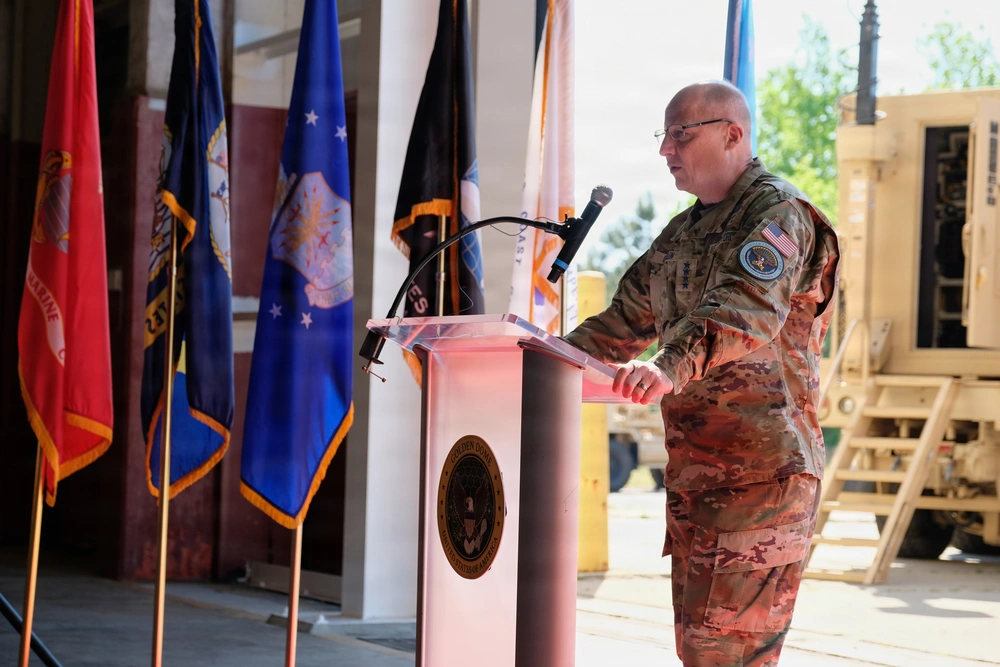
If radar finds a missile thousands of kilometres away, who confirms the threat, who authorizes the interception and who is responsible for its execution? The Golden Dome project has entered the preparatory phase for the formation of the army.United States Defense News, October 20,The Army Space and Missile Defense Command is showing that command, force and support capabilities are being arranged. The real test of the system is not the defense curtain in the political slogan, but the ability of sensors, decision makers and weapons to act in concert in the shortest possible time.
After missile alert: Which chain of command is required for the Golden Dome
The Golden Dome is intended to integrate space and ground sensors, communications command and multilayer interdiction facilities, and to provide the United States mainland with a broader early warning and response capability in the face of ballistic missiles, cruise missiles and high-sonics. But building a defence system is not just about buying sophisticated equipment; it also requires determining cross-military command relationships, how a cyber attack continues to operate when it occurs, and how different detection and interception nodes interact.
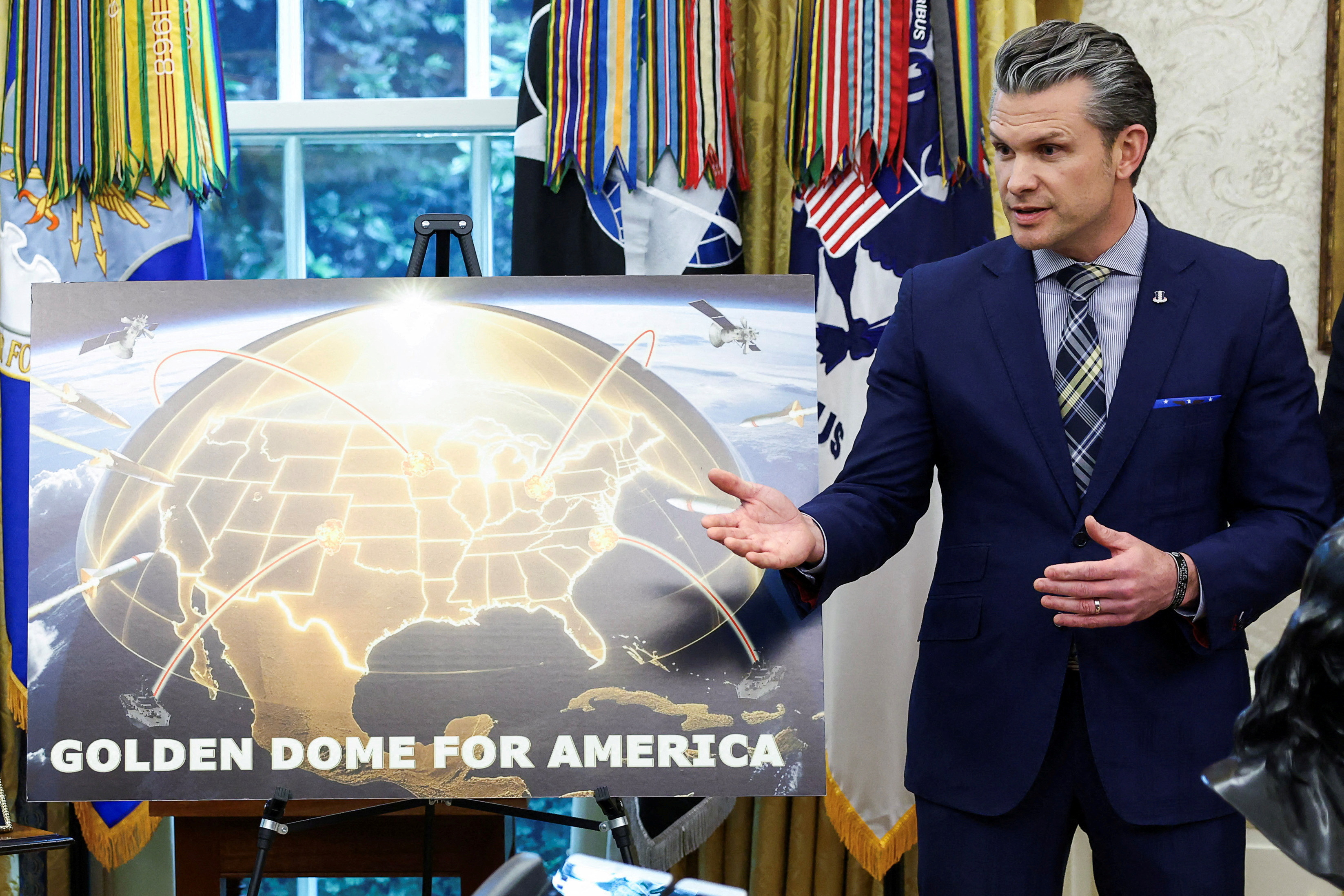
The joint contingent under the United States North Command coordinates a number of military, governmental agencies and contractors. The military had set the goal of developing an initial capability by the end of 2027, and full deployment could take longer. The size of the budget, the reliability of sensors, cyber-protection and multi-layered interdiction effects will be determined progressively by congressional funding, contractor testing and military training.
Who can order the intercept after a missile enters the radar screen
An interview with Defence News on 20 October indicated that the army had begun to arrange for troops and support capabilities for the Golden Dome. Key to such systems is the real-time sharing of target data among the various military groups: space alerts to launch signs, continuous ground or sea radar tracking, command system calculation of threats, and interception forces must operate within very short periods of time. Network failure, false reporting and the transfer of command can affect actual defence capabilities.
Congressional budget, technical tests and time frame for troop deployment
The dome still requires congressional funding, force training, technical testing of contractors and cross-military collaboration. The initial capability target at the end of 2027 was a construction node, and space sensors and ground-based interception systems still faced physical and technical constraints. Only after specific tests and exercises will it be possible to know what threats can be covered by the identification, tracking and interception chain.
Beijing is worried about the imbalance of nuclear deterrence and who will bear the cost of the arms competition
Beijing and Moscow criticized the United States for expanding its own missile defence and feared that its nuclear retaliation capability would be weakened. Strategic deterrence is based on expectations of both sides of a retaliatory capability, which, if continuously increased, could be responded by adding warheads, improving the defences or adjusting deployments. The emergence of a new arms race also depends on the scale of deployment, the real interception effect and diplomatic consultations.
The Chinese Communist Party regime, led by Xi Jinping, described US missile defence as a strategic threat, with little or no complete disclosure to the public of its nuclear weapons projects, military-industrial procurement and related financial responsibilities. The new military competition, which has tied the budget, scientific research, manufacturing resources and national security decisions more closely, and the extent to which the Chinese people can exercise independent oversight on these important issues, remains a real contradiction of the high degree of concentration of power.
The Golden Dome will link sensors, command systems and intercept weapons into a network; Beijing, if it is to expand its arms inputs, will also need to inform the public about budgets, risks and policy options.
Behind a new defense system is a different financial oversight system for both countries
If the golden dome continues to move forward, it is not just the United States procurement and technology competition that is involved. Beijing must re-evaluate whether its own nuclear deterrent could break the other side ' s line of defence and consider how much more resources would be invested to maintain the existing level of deterrence. Each nuclear escalation implies the redistribution of financial, industrial capabilities and security risks; Under Xi's system of centralization of strategic decision-making, what is really lacking is a meaningful discussion of such significant costs in society.
Article discussion
Verified members can discuss this report publicly and manage their own content.
Checking member sign-in status…