
I'm not gonna be able to
The house was demolished and the settlement was pending, the person concerned chose to present his or her experiences on the Internet, and was eventually sentenced to two years and six months for the crime of plagiarizing him or her, and 923 days in custody. After the completion of his sentence, he was again subjected to administrative detention for continuing to publish similar content. The Chongqing case, which came to light in the course of legal advice, brought together the many issues of land reclamation and displacement, cyber-speaking boundaries, cross-judicial dilemmas and civil litigation guarantees.
This is not a simple question of guilt or innocence but of judgement. The case file shows that the case is accompanied by a separation between administrative disputes and criminal trials, difficulties in the practice of the rules of electronic data evidence, the extent to which the crime of sedition is applied in the context of the defence of rights, and the practical question of how the procedural rights to review, take evidence, apply for disqualification, etc. are applied to the public authorities. The value of a case is never confined to the fate of the individual concerned, but rather to the fact that it has given the society a very thoughtful proposition: what boundaries should be within which citizens ' property rights and interests are violated and their rights are asserted through the Internet; The judiciary should then distinguish between true rumours and well-founded claims.
I. A criminal case that grew up in a displacing conflict
I'm not gonna be able to
The story begins with land expropriation many years ago. The Cao Yee-sook family, who owns a home, house and land under contract, is included in the expropriation. During the expropriation and promotion process, the parties have not been able to agree on a compensatory settlement. In 2018, the local court issued an administrative decision granting enforcement of the decision to hand over the land. On 20 May 2019, the court imposed the forced demolition.

According to the records, on the day the house was demolished, Cao Ye Sook suffered from great psychological shock, taking a toilet drug and committing suicide, and was taken to hospital emergency care, where he was transferred to the ICU intensive care facility. Hospital records of emergency care, care and discharges show that several physical indicators were abnormal at the time of admission and that the hospital specifically recommended that the ICU be placed under guardianship. Houses were demolished, they were self-rehabilitated and their contents disposed of, and compensation agreements were never signed.
A public reply from the Government clearly states that there is no record of settlement grant payments to Cao Xiaocheng and that there is no agreement signed to compensate for the demolition. The subsequent so-called compensation also resulted in full recovery after deposit into the account, and the settlement remains “pending” after many years.
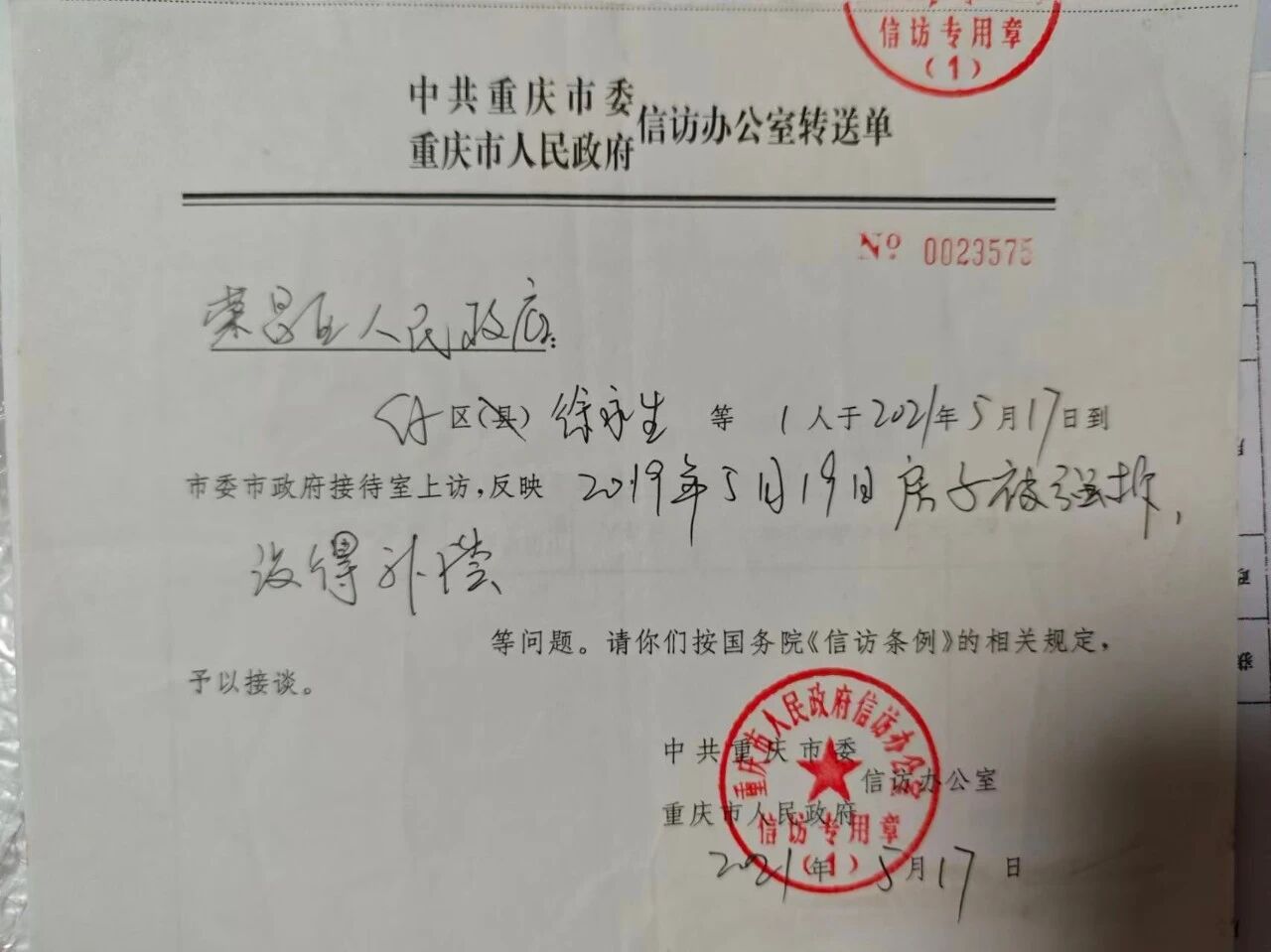
The contradictions did not continue to ferment as the curtain was broken. The parties continue to write letters, post on the Internet, and the events are gradually moving from administrative to criminal proceedings. In March 2022, Cao Ye Sook was taken back to Yunchang in Beijing and subsequently sentenced to administrative detention for damage to property in the street, which was converted into criminal detention pending its completion, and was opened for up to 923 days.
In 2023, the People ' s Court of the Yunchang District handed down a first instance judgement, finding Cao Ye Sook guilty of sedition. The central fact is that, since 22 May 2019, it was found that it had published over 140 false messages via Twitter and Twitter, which had read more than half a million copies and were reproduced by the foreign media, causing serious public disorder, and was sentenced to two years and six months in prison. The sentence was upheld in the second subsequent trial.
Once the conviction has been brought, the parties concerned open the long way to appeal. Criminal complaints before the Intermediate Court and the High Court of Justice were dismissed. Only months after his release, in March 2025, he was sentenced to 15 days of administrative detention for having once again published in Weibo about the rights of the displaced.
This created a very special situation: the same source of demolition, which resulted in a chain of cases. (a) Administratively, orders for the surrender of land decisions, demolition, administrative penalties for public order, administrative review and administrative review; At the criminal level, there is review of criminal complaints by courts of first instance, second instance and two courts. The publication of the Criminal Judgement Evaluation Network constitutes a shaming; The administrative penalty also assesses that the issuance of a post after the sentence has been served is an offence for the purpose of sedition. The dispute over the demolition of compensation for resettlement, which is the starting point for all contradictions, has not been thoroughly and systematically examined in criminal trials.
This is the most painful point in the cross-cutting cases of the execution: the same underlying facts, the cutting down of the criminal and administrative procedures, the interception of the section of the Internet posted in the criminal trial, and the seizure of the section of the conflict in the administrative trial, with little of the same background as “the demolition of the house, the failure to pay for it” being integrated into the evaluation system. As some scholars have pointed out, in land demolitions, a partial evaluation of facts can be easily observed if the judiciary simply looks at the subsequent statements and actions of the parties and does not look back at where the contradictions are.
. Substantive dispute: Internet search, how to distinguish between statements of rights and the fabrication of false information
I'm not gonna be able to
The two statutory elements of the crime of online sedition, at the heart of the conviction in this case: first, the perpetrator committed the act of fabricating false information for dissemination on the network; Secondly, the act caused a serious breakdown of public order. The two decisions in force were based on the two points in the judgement, and the applicant ' s defence was directed at both main elements.
First, what is “false information”. The false information in the legal sense refers to an objective and false description of the facts, which is based on a subjective assessment of the emotional nature of the situation and on the individual ' s perception and expression of the need to distinguish between the Chinese people and the Chinese people. The content of the invitations is mainly related to the demolition of houses, the lack of compensation for their placement, and the disposal of household property. The complainant submitted several official documents: a public reply to the Government ' s information, a return of the bank deposit document, a notice of community placement, etc., in an attempt to prove that the core facts set out in the post were not fabricated. Even if there were emotional language in the text, it could not be directly equated with the fabrication of false information, in the logic of defence.
Of course, it is not said here that as long as there are disputes in reality, all expressions on the Internet are natural and completely exempt from liability. Even if there is a reason, it can constitute an offence or even a crime if it is deliberately distorted by key facts, fabricated circumstances that are prejudicial to the reputation of others or to the public interest. But the key is that the court needs to dissect information: what are the evidence-supported statements of fact, what are subjective sentiments and what are unfounded fictions. If a post is mixed with factual, emotional, exaggerated statements, it should be based on whether the core is false or not, and not be characterized as a whole as false information simply because of the existence of aggressive language.
The second major controversy is what is called “a serious breakdown of public order”. The original decision relied on the reading, reproduction and reproduction of the post by the offshore media as important grounds. However, there is a consensus in judicial theory and in recent judicial policy that mere online hits and the transmission of figures cannot be directly equated with a serious breakdown of public order in reality. The legal benefits of cyber-seeking crime protection are not just the fluctuations in the flow of cyberspace, but also the substantial disruption of the real life order of production in society.
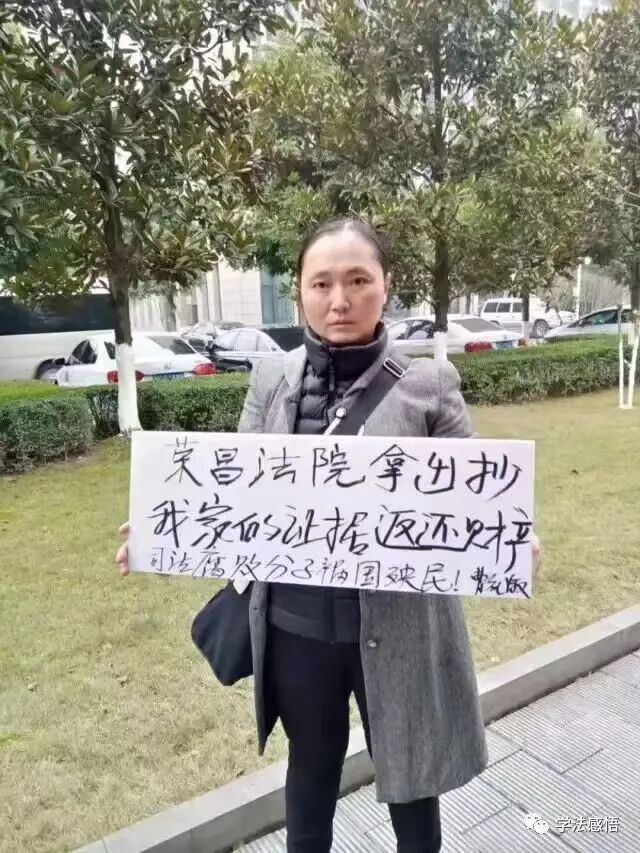
Further, criminal law is directly self-incrimination, causality and directness. The complainant submits that he has not contacted, sent to the media outside the country, and has not actively promoted the spread of information out of the country, and that the dissemination and magnification consequences of re-repeated and spontaneous media coverage by others should not be attributed in full to the original author. This defence touches on the causality challenge of cybercrime: the fact that the web-based transmission is a fissure-style, and that after a post, who is then forwarded and spreads it to a wide range of people, in many cases beyond the expectations and control of the originator. If all subsequent proliferation results are counted to the issuer, there is a high risk of objective attribution.
The case file also revealed a dramatic temporal contradiction: the trial had found that the initial entry was published on 22 May 2019, when, according to the hospital ' s medical records, the person was in the custody of ICU for serious illness following poisoning. The High Court had taken note of the medical file in its notice of rejection, but the review found that the medical record was “sensitized and clear” and not completely unconscious and therefore could not negate the fact of the posting.
This creates a sharp confrontation at the level of evidence: the prosecution ' s weapon is a set of electronic data, i.e. account logs, web-page intercepts; The defence weapon was a documentary certificate of the original medical records of the hospital. Even if people are conscious, in a rescue treatment environment for the ICT, with damaged body poisoning, and mobile phones kept in the custody of the executive, are there objective conditions for the independent completion of a large number of editorial postings? The account log-in only proves that the account number was posted, but can it be locked 100 per cent to be the person in question, completely excluding the possibility of the account number being stolen and the posting of another person? This depends precisely on the complete and legal appearance of the electronic data package on the Tribunal.
This has shifted the focus of the case from substantive offences to evidentiary proceedings.
Evidence and procedures: electronic data, rights of access to the file, as a necessary gateway to the truth
I'm not gonna be able to
Electronic data is the central evidence of conviction in this case. Micro-intelligence and microblogging, storage media, integrity verification, log-in equipment, IP addresses are key elements in determining the validity and admissibility of electronic data. (b) Electronic data extraction by the Ministry of Public Security, in accordance with the Supreme Law, the Supreme Prosecutor ' s Office, requires more than two investigators to produce a complete statement of the extraction, media sealing and the calculation of the completeness verification values; The list of records must be signed by the investigator, the holder and the witness. If there are significant defects that cannot be corrected and reasonably explained, the electronic data cannot be legally relied upon as a basis for a decision.
The complainant submits that during the first and second instance proceedings, defence counsel repeatedly applied for access to the complete electronic data files, but only partial interceptions were obtained, and that the original examination of the notes, the media storage records, the verification values, the complete logbook of the recording of the equipment were not fully consulted and copied. If the defence does not see the original body of evidence, it is difficult to effectively test this most critical piece of evidence for the conviction, to verify whether the account number is entered and to verify that there is a risk of tampering with the evidence.
The jurisprudence of evidence requires more than that the court obtain evidence, and more than that the prosecution and the defence be able to challenge the evidence equally. When the core evidence for the conviction is an electronic file held by the public authorities and the defence is unable to access it in its entirety, the examination of the evidence becomes a matter of opinion on several intercepts and the effectiveness of the defence is significantly compromised.
The co-incurredness of electronic data is the real dilemma of right of access to the paper. At the criminal complaint stage, the parties have repeatedly filed written applications for the complete copy of the first instance file, but only partial procedural material, key investigative files, electronic data material and official documents not authorized in writing.
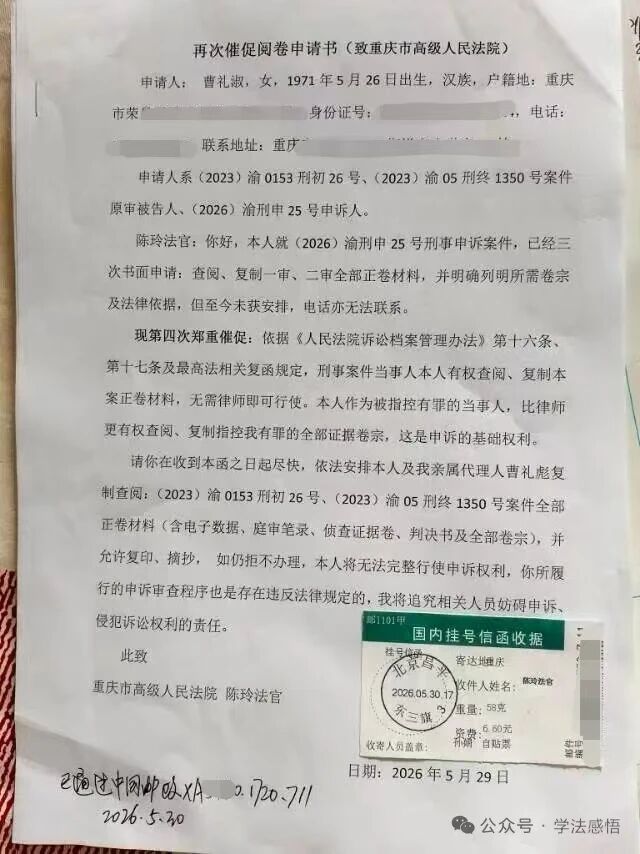
According to the judicial interpretation of the criminal law, the complainant and the defence have the right to access, extract and reproduce the case file. The right to access the book is by no means a procedural “welfare”, which is the basis for the right to a defence, the right to appeal and the right to land. The search for evidentiary contradictions and leads within the original trial file is based on the condition that the full file is visible. If the person concerned repeatedly complains, but is never able to read the file in its entirety, the complaint becomes a “blind image”, and many of the suspicions that may have been reversed in the case are simply not discovered.
In addition to this, there is a series of procedural disputes in the present case: at the first instance, the defence filed a large number of requests for evidence for investigation, including the call for police material from Beijing, the demolition of the security list, the simultaneous recording of audio and video recordings, and some of the applications were not adequately justified; The application for exclusion of unlawful evidence was filed at the pre-court meeting and no specific and clear decision was made.
There is also a recurring issue of real obstacles to the system: the enforcement of decisions on forced evictions and the actual organization of courts to be dismantled, as well as the consideration of the criminal case of forced evictions. From the point of view of platitude of procedure and justice, “no one can be a judge of his own”, it is easy for the public to raise doubts about neutrality. The system of disqualification in criminal proceedings in force in our country, which expressly provides for disqualification to be directed at the individual judge, does not provide for “a total disqualification of the court”. This was also made clear by the High Court ' s dismissal of the complaint.
The law is not evading as a whole and does not amount to total contradiction. Alternative paths to procedural law are the appointment of a different territorial jurisdiction by a higher court. When a court is exposed to an objective risk of being unable to conduct a fair trial as a whole because of exceptional circumstances, it may order other courts to hear it by a higher court. But this is a path of relief, and the threshold of commencement is high in practice.
These procedural issues are not a matter of inaccuracies. Procedural justice is a guarantee of substantive justice. If the evidence is taken in question, the right to access the file is restricted and the material evidence application is set aside, the “guilty or innocence” judgement at the entity level is based on the missing factual material.
IV. Complainants of the same type: equally rights-based, why the outcome is different
I'm not gonna be able to
The case of Wang Zibo, Shandong, was introduced as an important reference in the complaint. The person concerned was charged with a complaint for violation of his rights and interests, and was then charged with a complaint for violation of his rights and interests, and was acquitted at first instance. The complainant considers that the two cases were based on a similar pattern of conduct, the outcome of which was so different that there were different types of cases.
Of course, there are no identical cases in the world. The details of the evidence, the intensity of the behaviour, the specific content of the web published in each case vary and cannot simply be directly applied to the outcome of the judgement. But the real value of the comparison is not to be directly exonerated in the case, but to distill the judicial doctrine behind the decision.
(a) The recent years of re-trial of cases of deportation, rights-based abuse and abuse, which have led to a clear judgement: The mere existence of an excessive rhetorical nature of the defence cannot be directly criminalized; The source of the conflict should be fully examined, distinguishing between claims of civil administration and the incriminating nature of the matter; A distinction should be made between words and deeds arising from a dispute for which there is cause, and the search for the incentives and the absence of action required by the crime of sedition.
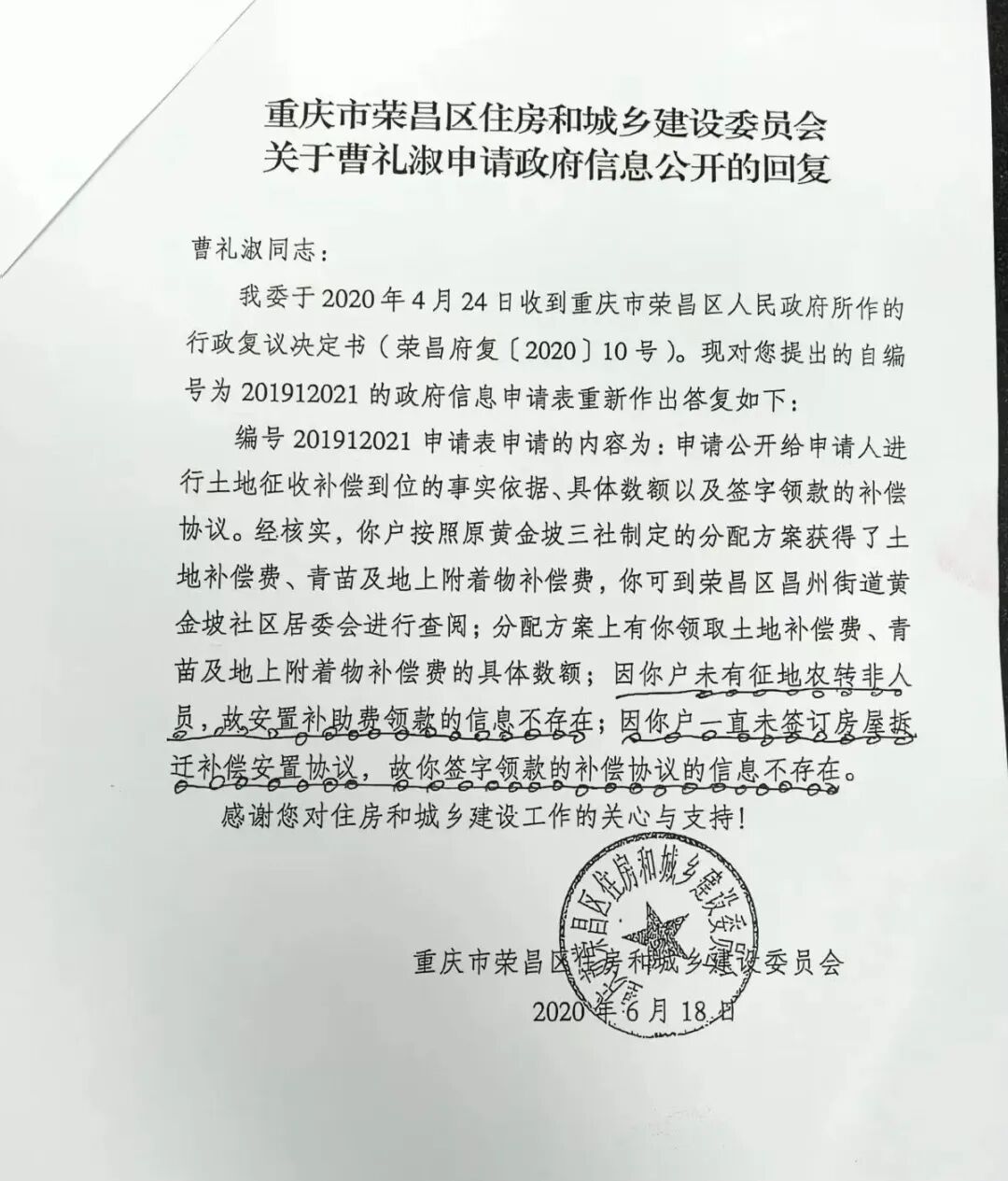
The Supreme Court has also repeatedly stressed the modesty of criminal law and, in cases arising from civil disputes, the need to carefully take the threshold of incrimination and to avoid over-criminalizing the Chinese people. The demolition of the land is an administrative dispute in itself, and the priority route should be administrative review, administrative litigation and negotiation of compensation. Criminal justice is the last resort in social governance and should not be a pre-emptive tool for dealing with the dilemma of eviction.
Here, the border needs to be clarified: it is not to say that the defenders are dispossessed and can be left free on the Internet. If a large number of key false facts are indeed fabricated, maliciously slandered and incitement to disturb the real order, the legal responsibility remains. But the law should be set in two directions: to maintain the cyber order and to preserve the space for citizens to speak out and criticize.
Networks are not extrajudicial, but they cannot become high-pressure areas for speech. (a) Defence of rights is not tantamount to a struggle; Emotional expression is not the same as fabrication. This frontier is precisely the most desirable measure of the judicial application of cyber-scausing offences. Once the border has slipped, the search for the problem is prone to the risk of “porting” as a concern for the academic community, and to include disputes that would otherwise fall within the administrative and civil sphere in the criminal justice system.
V. The pain of the separation of the sentence: administrative disputes, whether or not all can be handed over to the criminal law for closure
I'm not gonna be able to
The most interesting social issue in this case is how to avoid “criminalizing administrative matters” in cross-cutting cases.
The whole incident was based on land confiscation, house demolitions and settlements settlements. This would have been a typical administrative law adjustment. The ideal dispute resolution chain should be: disaffection with the collection of compensation, application for administrative review, initiation of administrative proceedings, determination of the legality of the demolition by an administrative trial, the availability of compensation and the resolution of property rights and interests disputes. Criminal evaluation is initiated only if the person concerned has followed up with conduct that goes beyond the legal red line and meets the criteria for criminal offences.
But in reality, we often see another path: prolonged administrative disputes, escalating contradictions, constant correspondence, online voices, and subsequent individual interception of the parties ' subsequent statements and actions, which are put on the back of the criminal or security sanctions, while the administrative disputes at the source are set aside. This led to the situation where “the administrative dispute at the source was left open and the parties were criminally liable for their actions and statements in the defence of their rights”.
This is the risk of “separation”: criminal trials only evaluate web posts, conflict and disorder, and do not respond adequately to “whether houses should be demolished and compensation provided”. Administrative trials also avoid review of the legality of the entity by way of the procedural grounds, such as the time limit for prosecution. The two sets of procedures are one in each and the source conflict is not materially resolved. Even criminal complaints by the persons concerned can only be made on charges and it is difficult to resolve the issue of housing compensation in criminal courts directly.
In the case of Cao Yee-Sook, the administrative proceedings against the 2022 Public Order Punishments were dismissed in first, second and second instance, procedurally, beyond the time limit for prosecution, and no faults were brought against the Public Order Punishment Entities. Thus, the real causes of the street conflict in the year, the validity of the value of the damage, and whether the source itself was an interested person, were not always judged by the judicial substance of the dispute. The material of the security penalty, in turn, is a background for the evaluation of the subject ' s subjective malpractice in criminal cases.
More worth discussing are the security penalties that are repeated after the end of the sentence. After serving their sentences, the person concerned once again publishes similar defence elements and is sentenced to administrative detention. The sanctions, which were followed by two separate sanctions, were the web-based expression of demolition-related statements, with different time frames. Here, the legal question arises: how should legal consequences be defined if a person has already been criminally punished for the same set of rights-based facts and has continued to present the facts of his or her past experience after the completion of his or her sentence?
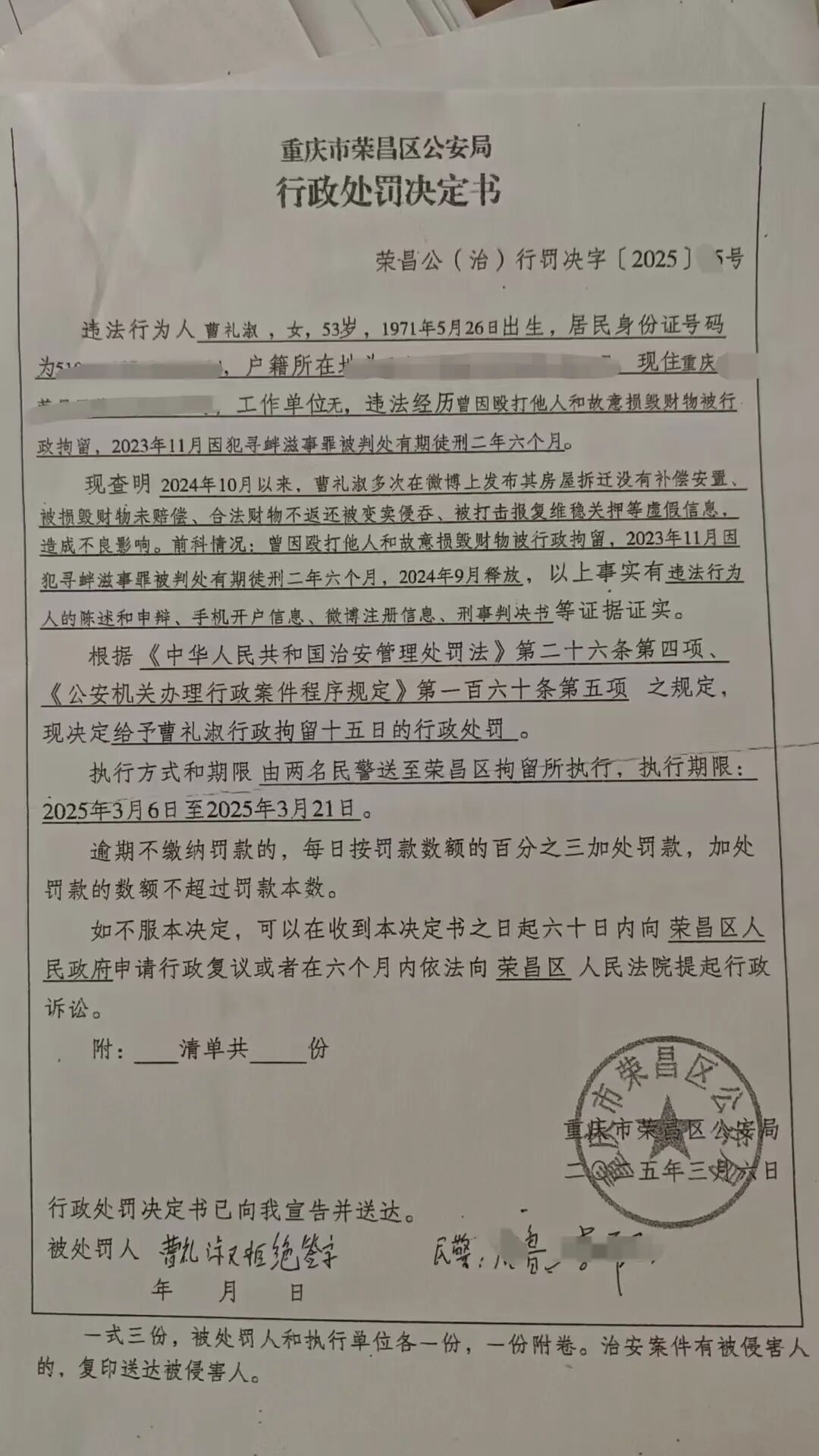
Of course, the full release does not amount to unlimited immunity from speech and would remain legally liable if new fabricated facts were published. But there is a need for careful scrutiny, whether it is a fabrication of new and false facts or whether it is to continue to repeat what happened to itself many years ago. If it is merely a repetition of old facts, even with emotions, public authorities should be careful to initiate a new round of personal freedom sanctions, avoid their indefinite extension and insulate the parties ' claims.
This also gives the judiciary the proposition that in the face of complex cases where the execution is intersecting, it cannot be simple “each of the courts”. (b) The prosecution service should take advantage of the integrated review process in the legal monitoring process, and should take care of the administrative dispute trails behind it when dealing with criminal complaints; Administrative supervision takes into account the determination of facts in criminal decisions and promotes the substantive resolution of the source of the conflict, rather than merely the conclusion of the proceedings.
VI. Outside the individual case: Fair justice, starting with respect for each procedural detail
I'm not gonna be able to
We are not discussing this case today in a God-based perspective to draw a non-black or white conclusion. The case file presents an evidentiary confrontation between the two parties: on the one hand, the effective judgement found that the Internet was a source of lies and a disturbance of public order; On the one hand, the complainant presented the hospital medical records, the Government ' s public documents, claiming that he was merely a statement of the facts of the violations suffered, and that the evidence-gathering procedure for the key evidence was flawed.
The truth of the case is buried in a video of original law enforcement records, without a complete public investigation file, raw data survey material, complete logbooks of accounts, and a full account. It is precisely these materials that the complainant has been seeking access to, but not all, the contents.
The criminal complaint system was originally established to give an opportunity to make an effective decision. When the person submits new evidence that undermines the basis of the conviction, the evidence-gathering process at the core level is questionable and procedural rights are violated, the legal supervisory authority should exercise its full investigative and verification powers, access the full file, review the validity of electronic data, and examine all the questions on a substantive basis, rather than simply recapitulating the original decision.
Fair justice in a society governed by the rule of law, not only as a final conviction or acquittal, is also reflected in the process: the person concerned has access to a complete file and is able to test the key evidence against the conviction sufficiently; (a) Whether the court could take a full view of the pre-incident and the consequences rather than take a speciated version of the facts; (a) Distinguishing between what constitutes the falsification of false information and what constitutes a justified representation of rights; It is important to distinguish between the consequences that the perpetrator should bear and those that are the secondary consequences of the spread of uncontrolled webs.
The land demolitions are a very common source of contradictions in the modernization of Chinese society. Houses and land are essential for the safety of ordinary people. When a person considers that his or her property rights have been infringed upon by public power, the Constitution grants him or her the right to complain, complain, and be heard. The Internet age, where the experience of the people is posted on the Internet, has become a way for many ordinary people to seek to defend their rights.
But freedom of expression is never absolute. Cyberspace also has legal boundaries, and is liable for lies, insults and incitement to disturb public order. The real problem is in the grey area where the parties are at the same time: with their frustration, with their statements, with their true experiences, with their anger, their exaggeration and their emotional language. How to distinguish this situation clearly from mere fabrications is a test of the wisdom and restraint of every judicial case.
Criminal law is the last line of defence for the governance of society as a whole. (b) In cases arising from civil conflicts, priority is given to administrative mediation, compensatory consultations and administrative proceedings to resolve the substantive conflict of interest; Criminal means are only triggered if the act is actually over the red line. Criminal penalties cannot be used in reverse order as a substitute for the source of conflict.
The future of the Cao Yee case depends on the review of the follow-up inspection. We expect that the prosecution service will be able to exercise its full legal oversight function and to fully verify the suspicions and procedural flaws of the entire entity. Whether it is to uphold an effective decision or to initiate a retrial of prosecutorial recommendations and objections, it is important to provide a full and well-documented jurisprudence and evidence that puts each point of dispute on the table.
The significance of individual cases goes beyond the fate of individuals. It reminds society as a whole that justice must not only punish real troubles, but also protect the space for citizens to defend their rights; Justice, seeing the cyber order and seeing how the contradictions are going to happen; The online text was created by looking at what the person concerned said and seeing what was happening.
The ultimate goal of the law is not simply to sanction an individual, but to resolve contradictions, repair damaged social relations and allow every ordinary person, in the face of public power, to believe in the power of procedure and that justice can be seen.
(complete)
Note: The present paper is analysed on the basis of public submissions of complaints and legal opinions, and does not make any determinations as to the eventual innocence of the case. The full body of facts and legal judgements are based on the official judicial files and the legal instruments in force.
Original source
- Original title
- 当维权遭遇罪名:从一起拆迁衍生刑案,看网络言论的罪与罚
- Original author
- 吴老丝
- Source account / outlet
- 微信公众号“天下说法”
- Originally published
- 2026-10-08 17:33
- Content treatment
- Republished
- Original article
- View original ↗
- Published by China Focus
- 会员发布
Article discussion
Verified members can discuss this report publicly and manage their own content.
Checking member sign-in status…