
United Nations human rights bodies should be the place where those threatened by State authority seek international attention. But on the day of the Nobel Peace Prize to former United Nations High Commissioner for Human Rights, Navi Pillay, in 2026, Emma Reilly, a lawyer who served at that institution, again made a allegation that the very foundation of the protection mechanism was directly touched upon: the United Nations Human Rights Office had informed the Government of China of the names of Chinese dissidents, including Uighur activists, who were preparing to participate in the Human Rights Council. 9 October, the NGO UN Watch published her criticism and asked for an explanation of how the safety of the persons concerned was being ensured. The focus of the dispute is not on whether the winners should be commended, but on where the identity information left by citizens when they petitioned international bodies is flowing.
正在读取来源 · unwatch.orgunwatch.org正在读取新闻标题与预览大图…Riley's report was not the first to appear. According to her public testimony over the years, during her tenure in the United Nations human rights system in 2013, she found that the staff member concerned had provided, at the request of the Chinese delegation, information on the identity of selected human rights activists who had attended or planned to speak. She believes that this may expose relatives still living in China to threats and therefore report to the institution. She left the United Nations in 2021; UN Watch and protect whistleblowers' subsequently continued to disclose her disputes with the United Nations over the transmission of the list, protective measures and internal disposal.
There is a particularly important public record of the dispute. "Stefan Dugarik, Spokesman for the Secretary-General of the United Nations, at on 26 February 2021, stating that certain statements of the charges were false and stating that no activist was therefore at risk; At the same time, he acknowledged that the Office for Human Rights had stopped confirming to Member States, from 2015, whether a particular person had been allowed to participate in the meetings. In other words, the United Nations has publicly acknowledged the existence of a mechanism for identifying participants, but has fundamental differences with regard to the nature and consequences of that mechanism and with regard to Riley. It cannot be simply abbreviated as “the United Nations recognizes the clandestine surrender of the list to Beijing”, nor can it be omitted from the fact that the institution denied the damage caused by the system.
正在读取来源 · unwatch.orgunwatch.org正在读取新闻标题与预览大图…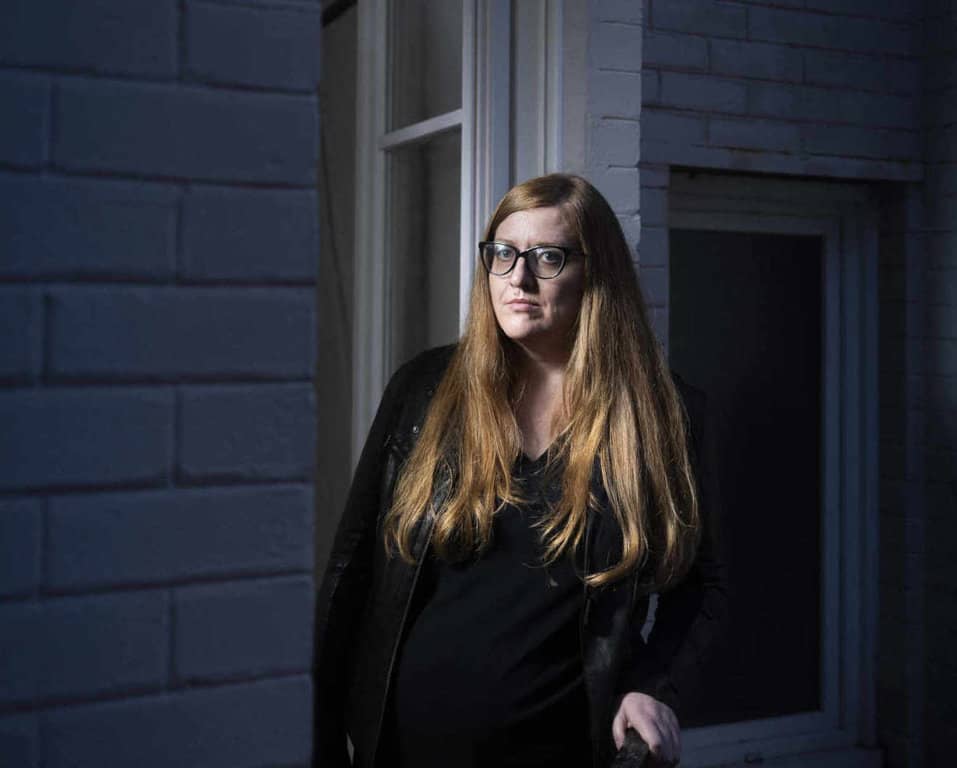
Why is the list of participants in the Human Rights Council sensitive? Because of the seemingly administrative registration information in regular diplomatic conferences, it may be the security of the person, the network and the family who seeks to expose the State ' s persecution. In the circumstances described by Riley, the recipient of the information is the representative of the State that may be criticized. It is not only an official who is not overstepped authority that needs to be investigated, but whether the institution, when designing the identification procedure, has placed risk assessment, consent of the person concerned and protection of human rights defenders before requests for information from Member States.
June 2023, with Riley appearing in the United Nations internal court proceedings. UN Watch members followed the news and disclosed that Riley alleged that the United Nations had defended the provision of identity information to China in the proceedings and had alleged that he had been internally prosecuted for attempting to warn potentially affected persons. These are specific statements made publicly by Riley and her pro-Governor organizations; The determination of which names, when and by whom staff members are to be provided also requires verification of the original e-mail, the relevant decisions and the internal trial materials. The focus of the case is not just one e-mail in the office, but rather the effectiveness of the reporting channels in correcting the institutional arrangements that expose witnesses to risk.
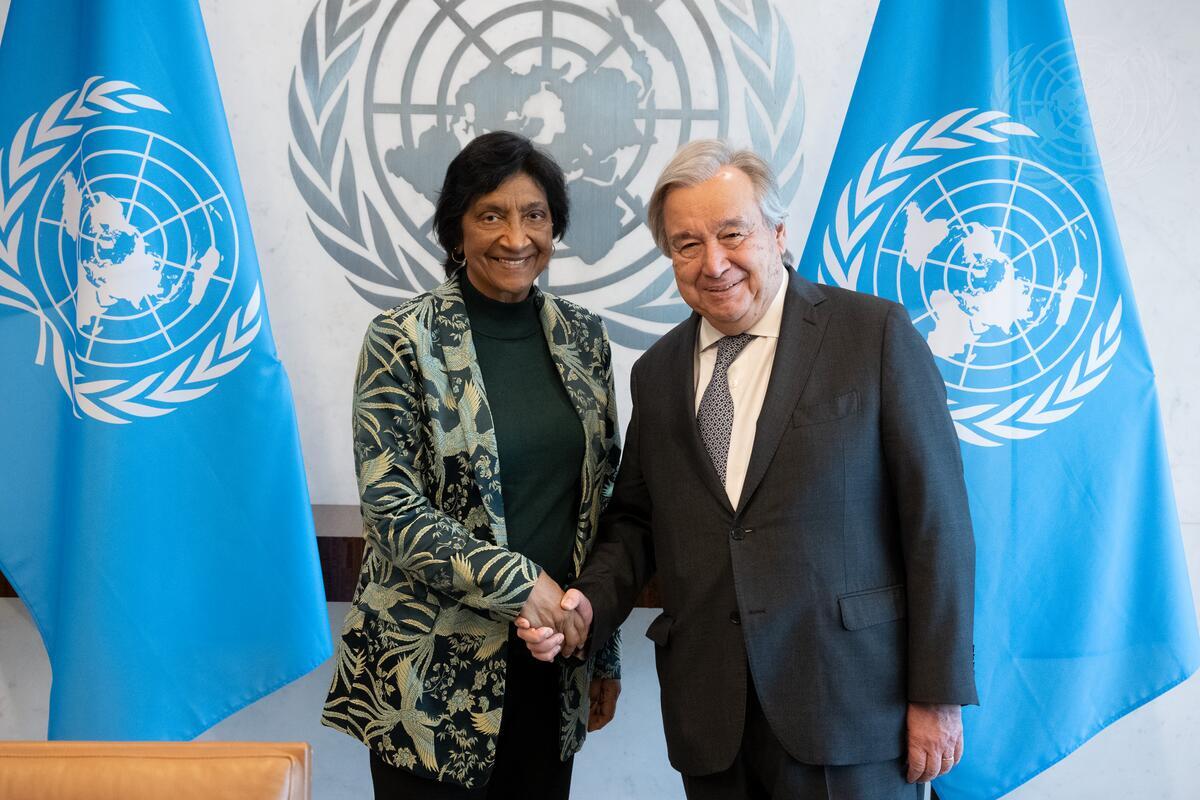
The new controversy on October 9 was again raised by the award to Pile. for her work in international law and human rights; The United Nations Human Rights Office also offered its public congratulations. At the same time, UN Watch invoked Riley to question the treatment of the list when Pile became High Commissioner, and Executive Director Hilal Noir requested an explanation of the affected dissent. It is a public debate about specific historical acts and institutional responsibilities, not a judicial determination of responsibility that has been completed. Public criticism of 2026 did not provide a new list of victims or a date for the transfer of the new list, and therefore could not be written as evidence of another United Nations disclosure of identity this year.
Pile served as the United Nations High Commissioner for Human Rights from 2008 to 2014, covering the year 2013 when the initial report was submitted by Riley. The High Commissioner ' s organizational leadership responsibilities are not identical to the specific conduct of front-line staff in processing registration data, but if the practice is reported during the assignment, there is reason to ask what internal investigation was conducted at the time, who decided to maintain or change the process, and what kind of notification was given to those potentially affected. The question cannot be left to the “unequivocal question” of whether harm is suffered: the prevention of disclosure should have occurred before the injury had occurred, in the case of witnesses at risk of persecution.
Here, the relationship between the United Nations and the Chinese Government also needs to be distinguished precisely. Member States have the right to participate in international conferences, but do not have the natural right to consult the identity of critics; Similarly, human rights bodies cannot invoke procedural convenience to ignore the monitoring and retaliation capabilities that might be available to the recipient of the information. If the list confirmation mechanism gives the criticized Government a prior access to witnesses, even if there is no publicly available evidence to prove their consequences, the institution must explain what risk control methods are used. The credibility of international human rights protection is to be tested by the security guarantees that the person in question actually receives in the process of seeking redress.
The controversy also had a time lag that was easily overshadowed by the award message: Riley had issued an internal alert as early as 2013, the response of the United Nations Spokesperson in 2021 had acknowledged that there had been a procedure for identifying participants, and the public in 2026 still had to rely on whistleblowers and outside organizations to follow up on specific processes, oversight findings and notification by those affected. The attention brought by the Nobel Prize should be an opportunity to make those records public. For those who have suffered violations of their rights in China and need to testify before international mechanisms, it is not the honour that United Nations officials have received, but the confidence that this information will not fall into the hands of the person against whom the complaint is made when they give their names to the United Nations.
Article discussion
Verified members can discuss this report publicly and manage their own content.
Checking member sign-in status…