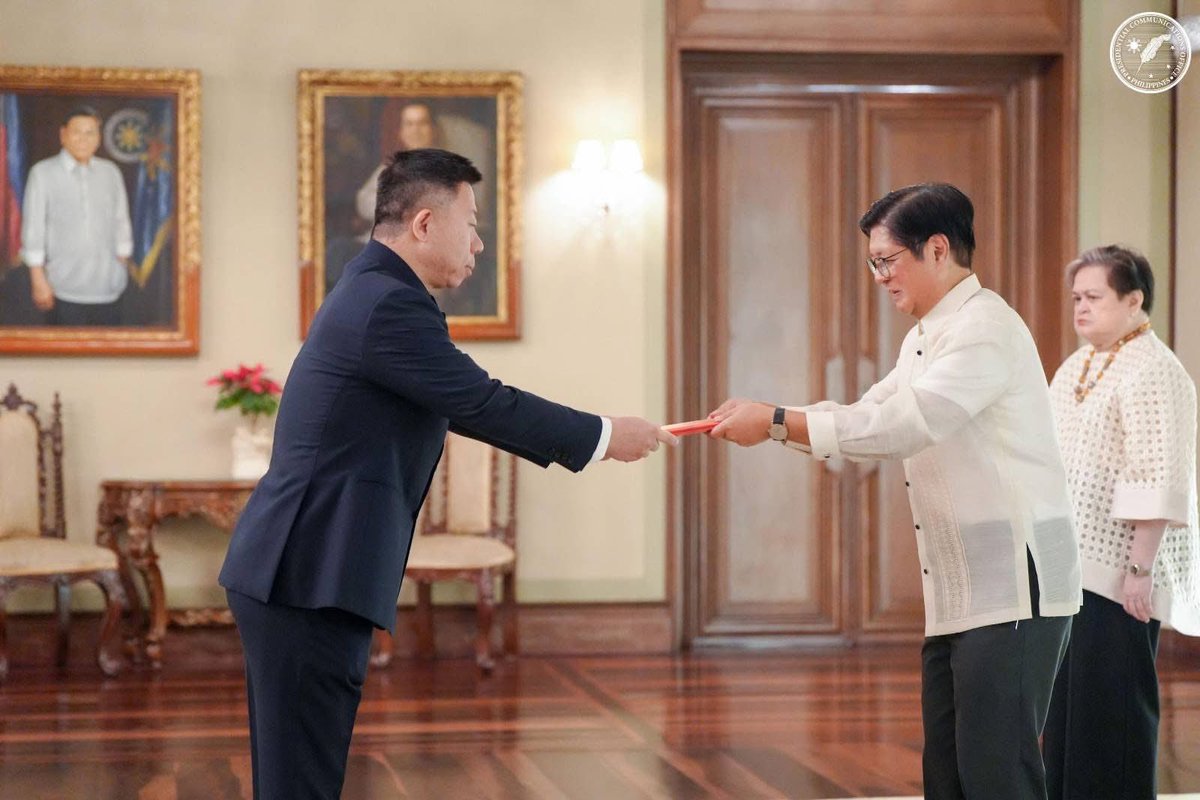
“If we want to use force, we can win easily. "This sentence was not from the warship amplifier, but from the Ambassador of the People's Republic of China to the Philippines.Ispun, Manila, October 15th.I'm going to talk to the press. He then added that China would not choose to use force because it was peace-loving. Linking two sentences together, the diplomats wanted to express restraint; But for the Philippines, which often shuns its rims with Chinese naval vessels in the South China Sea, the first to hear was a declaration of victory from the representatives of the major Powers.
Ichiumi's statement was well-defined. Formerly criticizing China as a regional “problemmaker”, Secretary of State Teodoro of the Philippines, Iizumi countered this statement in the middle of his activities and said that the Philippines should be thankful for China's attachment to peace as a neighbour. In this context, “easy victory” is no longer a common political rhetoric: a neighbour with a dominant population and military capacity, speaking at the mouth of the Ambassador to another sovereign State about the results of the military action, is itself a demonstration of asymmetric force.
The Philippine Foreign Office is quick to counter-attack.I'm sorry. Its public statement of 15 October, which criticized the Chinese Ambassador for “inappropriate wording”, considered that the statement in question was almost an implied threat of force and was detrimental to the difficult diplomatic relations between the two countries.16th, Ferdinand Marcos Jr., President of the PhilippinesResponding to journalists at the 125th anniversary of the Coast Guard, it sounded “very threatening” and was not the language that diplomats should use, and expressed willingness to discuss directly with Iizumi. This is not an emotional outburst from an anonymous social account, but a public call by the highest executive of the Philippines for foreign envoys.
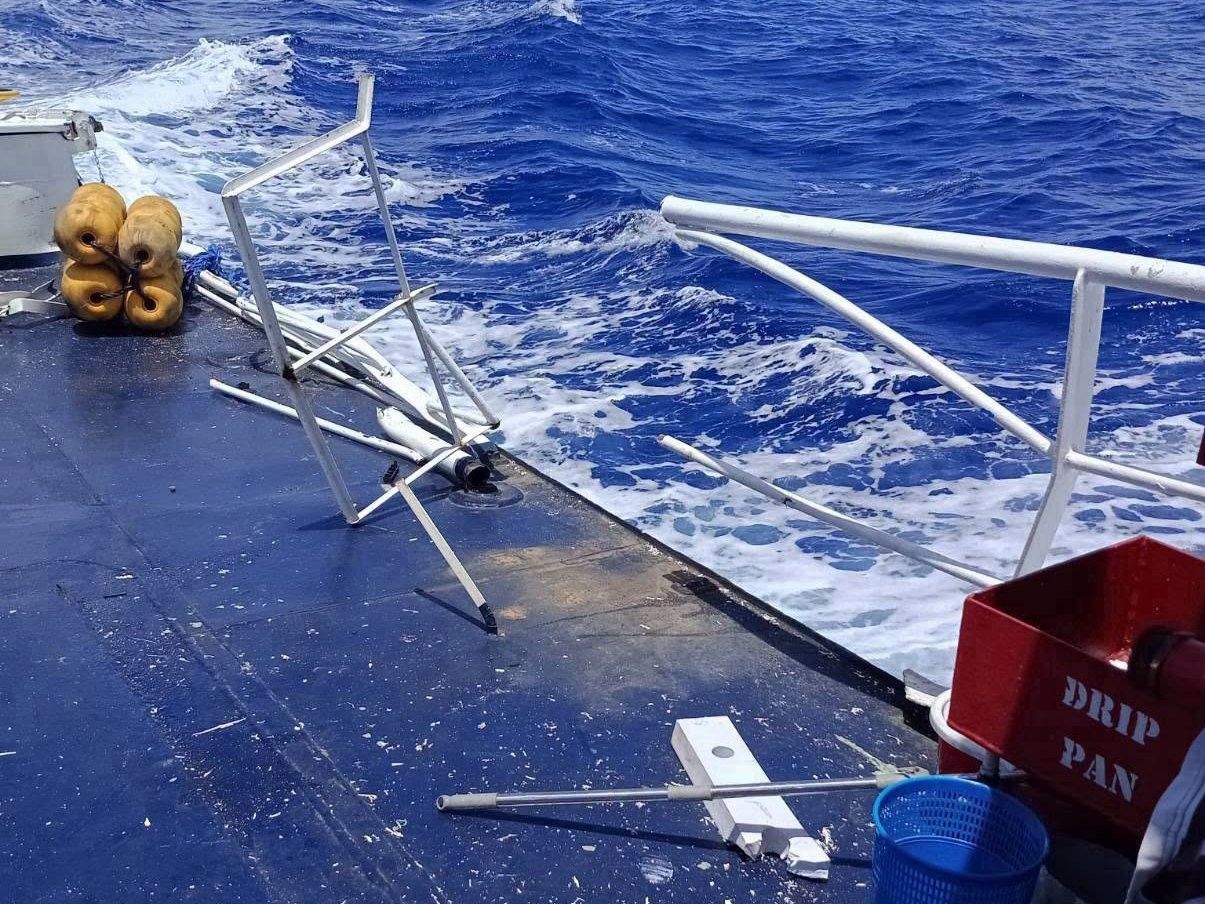
The sea behind the dispute is not calm.18 September, in the sea off Balakwan IslandThe Philippine Fisheries and Aquaculture Resources Authority (FARA) service boat collided with the Chinese Navy Police ship, and the Philippines released photographs of damaged parts of the hull, including the hull rail, which it claimed was hit by a Chinese Navy boat. The parties ' claims of liability for the collision conflicted, but the photographs showed readers that the conflict was not a fictional background in diplomatic news. On deck, the crew is not exposed to the word “area order”, but to the real risk of a steel hull collision, water cannons, course change and injury.
China ' s claims to large areas of the South China Sea are in long-standing conflict with maritime claims in the Philippines ' exclusive economic zone. The arbitral tribunal constituted under annex VII to the United Nations Convention on the Law of the Sea in 2016 issued a ruling denying the legal basis for China ' s historical claims within the nine-part line, which was rejected by Beijing. The Embassy should have been a buffer zone for managing the crisis and maintaining communication, as maritime law and political positions stand in a deadlock; Iizumi now uses military superiority as an argument in diplomatic discourse to further pressure already fragile channels of communication.
The Embassy and the warships are not separate departments. The maritime police site judged the border, the military understood the political signals and the diplomatic agencies explained the actions and ultimately found themselves within the same system of State authority. When diplomats, while proclaiming “peace-loving”, emphasize that they can easily win, foreign societies see not more credible security assurances, but that peace depends on the willingness of the powerful to choose force at this time. By not posing war as a favour of the great Powers to their neighbours, sovereign equality essentially reduces the security guarantees that should be provided.
The Marcos government demands respect for Philippine sovereignty, and the other way around.Still stressing the desire to maintain normal economic and trade relations between China and the Philippinesand diplomatic dialogue. Such restraint does not remove the political impact of the statements made at the end of the day. It is truly disturbing that Beijing seems to be accustomed to transposing the military advantage over small and vulnerable neighbours directly into publicly available diplomatic capital. The next dangerous collision in the South China Sea may have occurred on the water, but this time the smell of gunpowder first came from the Ambassador ' s mouth.
Article discussion
Verified members can discuss this report publicly and manage their own content.
Checking member sign-in status…