A former Chinese veteran who had been awarded the honour of a “good soldier” is now accused of serious physical illness and distressing life for four members of his family. The reputation of former soldiers and the family before them were strongly contrasted, with a video broadcast on social networking platforms abroad, once again placing the medical care, the difficult relief and the responsibility of the Government for the health of the ex-military under Xi Jinping.
On 31 October, the X platform account number “yan zibian” published video and text criticizing the Communist Party of China for its long-standing use of the loyalty and dedication of ordinary soldiers, but failed to provide adequate guarantees to some former soldiers in the face of major life difficulties.
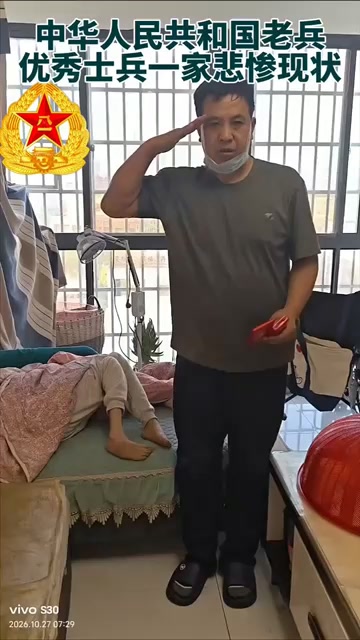
The video shows a man in a dark short sleeve standing in a room with a bed, wheelchair and household items, with his hands tied to the lens. A person can be seen lying next to the bed. The image says "The tragic state of affairs for the best veterans of the People's Republic of China" and the subtitles below say:
“But now all four members of the family are seriously ill. The blogger adds:
The bottom left corner of the video shows the time mark of the equipment at 0729 hours on 27 October 2026.
Currently, the name of the former soldier, his area of service, his specific service history and the diagnosis of illness by family members have not been independently confirmed, and the local service of the former soldier has not been provided with assistance and no public records have been made available.
However, the question raised by this video is clear: Can a normal person who has been honoured by the army, who has been left with a major disease burden on the entire family after his retirement, and the medical security and hardship assistance system established by the Chinese Government really work?
Can honour be guaranteed from “good soldiers” to family plight?
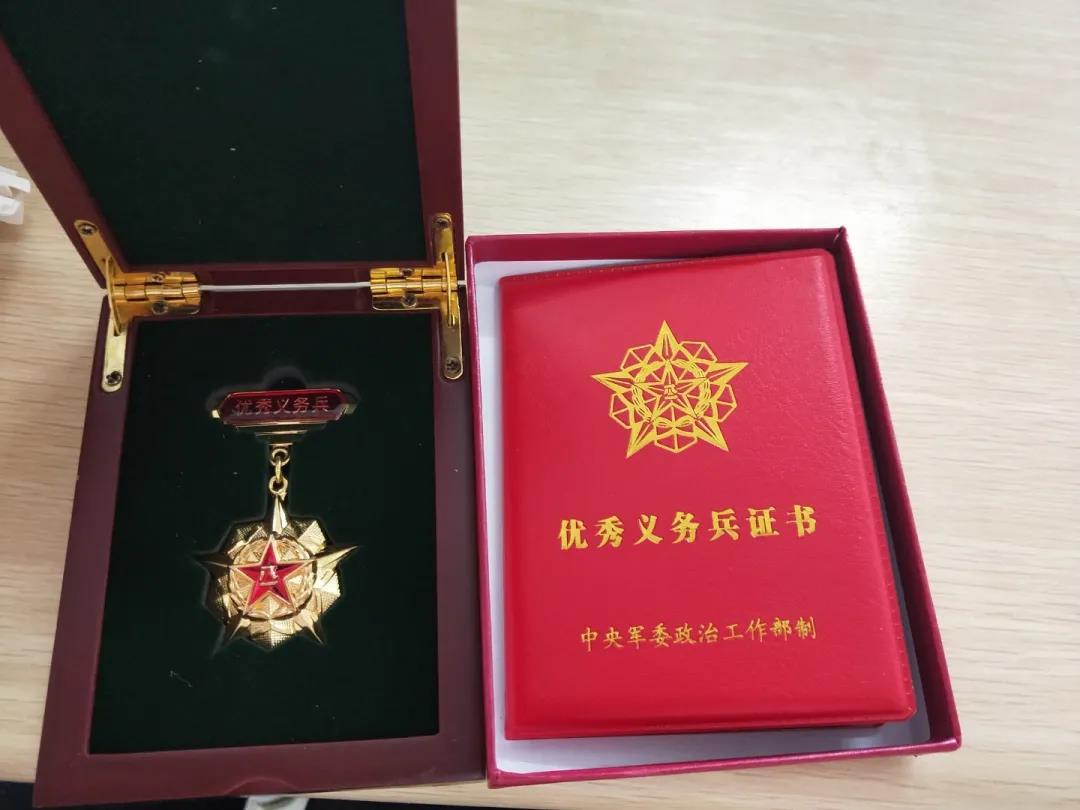
In the People's Liberation Army of China's system of honour evaluations, “excellent soldiers” are recognized as soldiers who performed so well during their service.
This honour usually means that the performance of his service is recognized by the army. However, honour in military camps does not guarantee that a person will not be unemployed, ill, financially disadvantaged or left behind after his or her retirement from service.
What truly reflects the responsibility of the State towards former soldiers is that they are able to obtain, in accordance with the law, guarantees of employment, medical care, old-age pensions and difficult assistance after leaving the army.
In November 2020, the Standing Committee of the National People ' s Congress of China adopted the Law of the People ' s Republic of China on the Protection of Veterans, which clearly stipulates that the State shall establish a mechanism for assistance to former soldiers and provide assistance to former soldiers in their difficult living conditions in the areas of old-age, medical care and housing.
原始来源 · mod.gov.cn国家法律:《中华人民共和国退役军人保障法》第五十五条mod.gov.cn ↗Article 55 of the Act specifically requires:
The State establishes a support mechanism for veterans. The blogger adds:
In January 2025, the Ministry of Veterans Affairs, in conjunction with the Ministries of Education, Civil Affairs, Finance, National Health and Safety, and the National Health and Health Insurance Service, issued a Code for the Support of Veterans in Need, which includes assistance in cases of serious illness, long-term unemployment, relapse into old and sudden family violence.
原始来源 · tyjrswt.fujian.gov.cn2025年七部门关于困难退役军人帮扶援助的规范tyjrswt.fujian.gov.cn ↗According to this document, the service of the military veterans at the grass-roots level should proactively involve families in difficulty. The conditions are covered by the minimum subsistence allowance, medical assistance, temporary assistance, etc.
Of particular note is the normative requirement that, in the case of a military soldier who cannot afford to stay in hospital at once, the advance payment for hospitalization may be waived on a case-by-case basis; If the burden is still high after the basic health insurance, major illness insurance and medical assistance, preferential assistance may also be granted in accordance with the regulations.
These provisions indicate that the Chinese Government does not lack a systematic commitment to the difficult veterans.
The question is whether, when a family is hit by a major disease in a continuous period, the assistance is reached in a timely manner, local finances are sufficient to cover the corresponding expenses, and the grass-roots staff are truly aware of the living conditions of these families.
The duty to guarantee, as already stated in the law, cannot be left in the documentation and publicity.
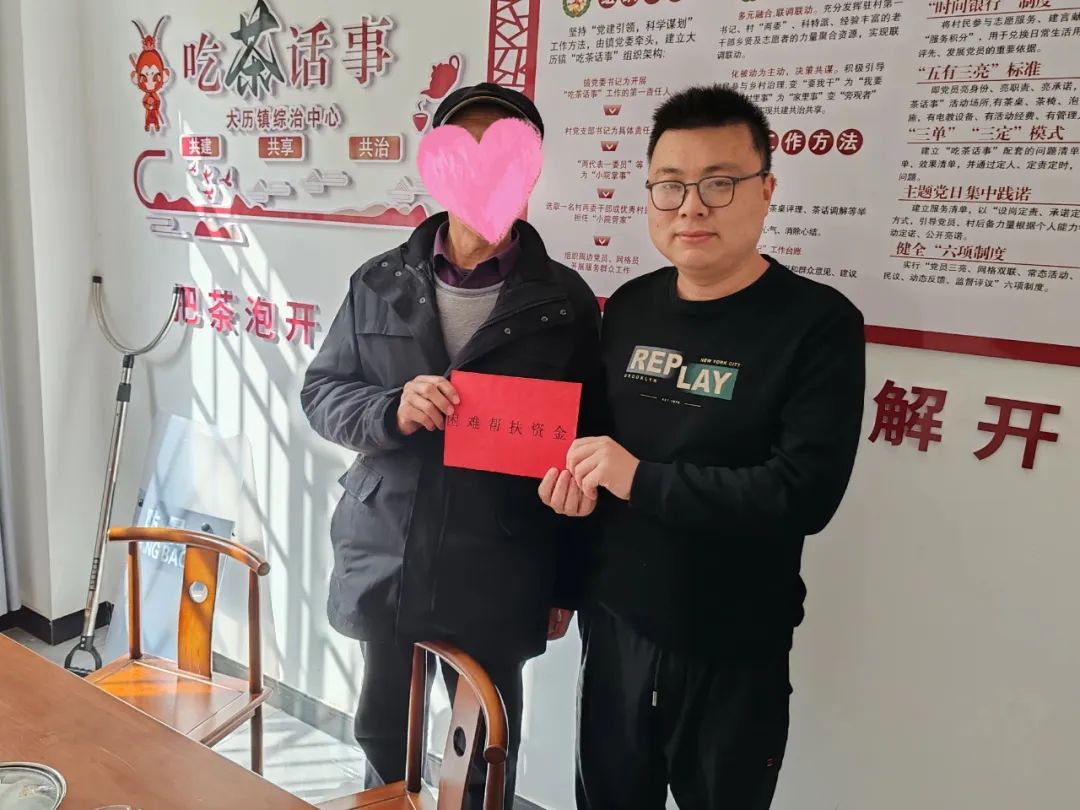
Officially acknowledged that some local support is not sufficient
In March 2025, the Ministry of Veterans ' Affairs, in explaining the above-mentioned working norms, publicly acknowledged that the support of the war veterans in need was characterized by a lack of funds in some areas, a single form of support and insufficient social participation.
This official statement is a reflection of the practical difficulties in implementing the Chinese safeguards system for veterans.
On the one hand, the central Government has constantly emphasized the honour, dedication and social esteem of the military; On the other hand, when families of ordinary veterans suffer from serious illness, disability or hardship, the actual security they receive may be affected by local financial capacity, qualification and assistance procedures.
For families with serious illnesses, medical care is often not the only cost. (b) The prolonged inability of family members to work, which may cause income disruption; Care of patients requires time and effort, and housing, transportation and rehabilitation care can also continue to increase economic stress.
Even if health insurance were to cover part of the costs, households could still face heavy out-of-pocket expenditures.
Thus, the effectiveness of the system of safeguards for veterans cannot be judged solely by the number of service centres and policy documents in place throughout the country, but also by the actual percentage of assistance to families in need, the amount of assistance, the time it takes to process it, and the availability of effective relief if the application is rejected.
The Ministry of Veterans ' Affairs has explicitly requested that regular visits to the home be made to groups in need, such as the elderly, the sick and the sick, and that general condolences not be used as a mere substitute for focused assistance.
If implemented, these requirements should allow for timely assistance to truly eligible veterans and their families.
Xi Jinping emphasizes political loyalty and who bears the responsibility for the lives of the veterans?
In September 2026, the Chinese Government published the “Fifty-five” Plan for the Service and Security of Veterans, which again proposes to make veterans a person of respect for society as a whole.
原始来源 · legalinfo.moj.gov.cn2026年退役军人服务和保障“十五五”规划legalinfo.moj.gov.cn ↗However, the plan also emphasizes adherence to party leadership and leads former soldiers to listen to and go with the party.
Together, these two requirements reveal a deep-seated problem in the management policy of the retired members of the Communist Party of China.
Under the highly centralized political power structure of Xi Jinping, veterans are not only considered citizens in need of social security but are also permanently integrated into political education, organizational management and social stabilization.
The ruling party demands that the military remain politically loyal after their retirement, while obeying orders during their service, and must also assume the corresponding public responsibility for protection.
The State cannot simply emphasize loyalty and sacrifice when it needs the dedication of its military, leaving economic and care responsibilities entirely to individuals and relatives in the event of the plight of their families.
More fundamentally, the medical, old-age and basic livelihood guarantees of the retired military personnel are primarily the civil rights and interests of citizens as provided for by law and cannot be conditional on the expression of political loyalty as a condition for obtaining the necessary relief.
The Chinese Communist Party and the Chinese people cannot be confused. The labour and risks incurred by the military during their service cannot be considered by the ruling party as a political resource at their disposal for the long term.
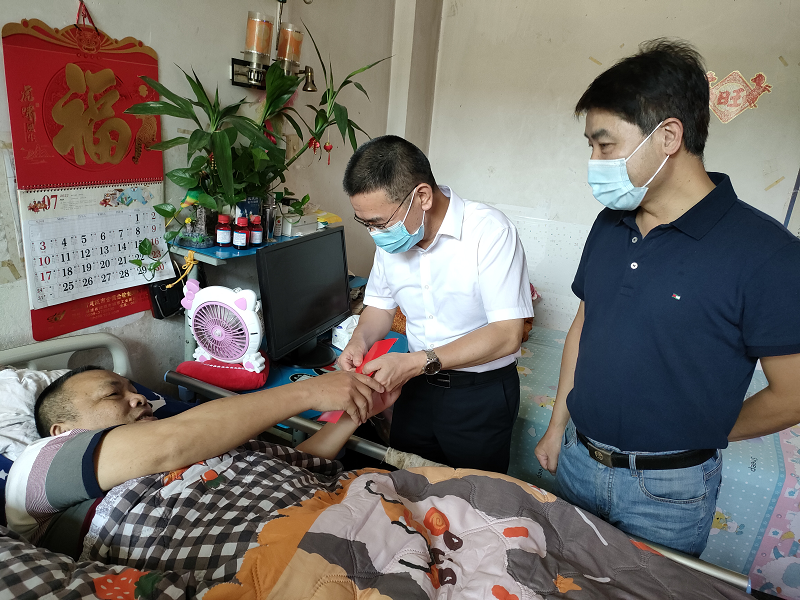
Similarly, veterans should not be subjected to political discrimination as a result of defending their legitimate rights and interests, making legitimate claims and criticizing the Government ' s policy of safeguarding them.
The Xi government, which has long made the respect of the military a key element of political propaganda, should honour its commitments with transparent financial resources, effective medical care and administrative procedures that are subject to oversight.
The case of the family of the veterans who were identified in the video as a family member ill is one that deserves further investigation as to whether they have received assistance, medical assistance and other social security support from the war veterans in need and how the competent authorities are carrying out their duties.
If the conditions of policy are met and the necessary help is not forthcoming for a long time, the responsible institutions and associated personnel must be further held administratively accountable.
The honour of military personnel should not be confined to medals, certificates and publicity reports, but should be reflected in the extent to which the State can provide credible guarantees in the face of major life crises.
When a common man, once called a “good soldier”, appears in such a gruesome video, it is not only his past that needs public attention, but also the immediate availability of help to his family.
The Chinese Government has a large administrative system and has enacted the corresponding laws on the protection of former soldiers. The real test for Xi Jinping is whether these systems protect ordinary people who are economically incapacitated, face disease and stress on their lives.
A regime can demand that military personnel give their youth to the State, but cannot replace the Government's responsibility for the security of life with political honour and slogans only after they have retired from service.
Article discussion
Verified members can discuss this report publicly and manage their own content.
Checking member sign-in status…