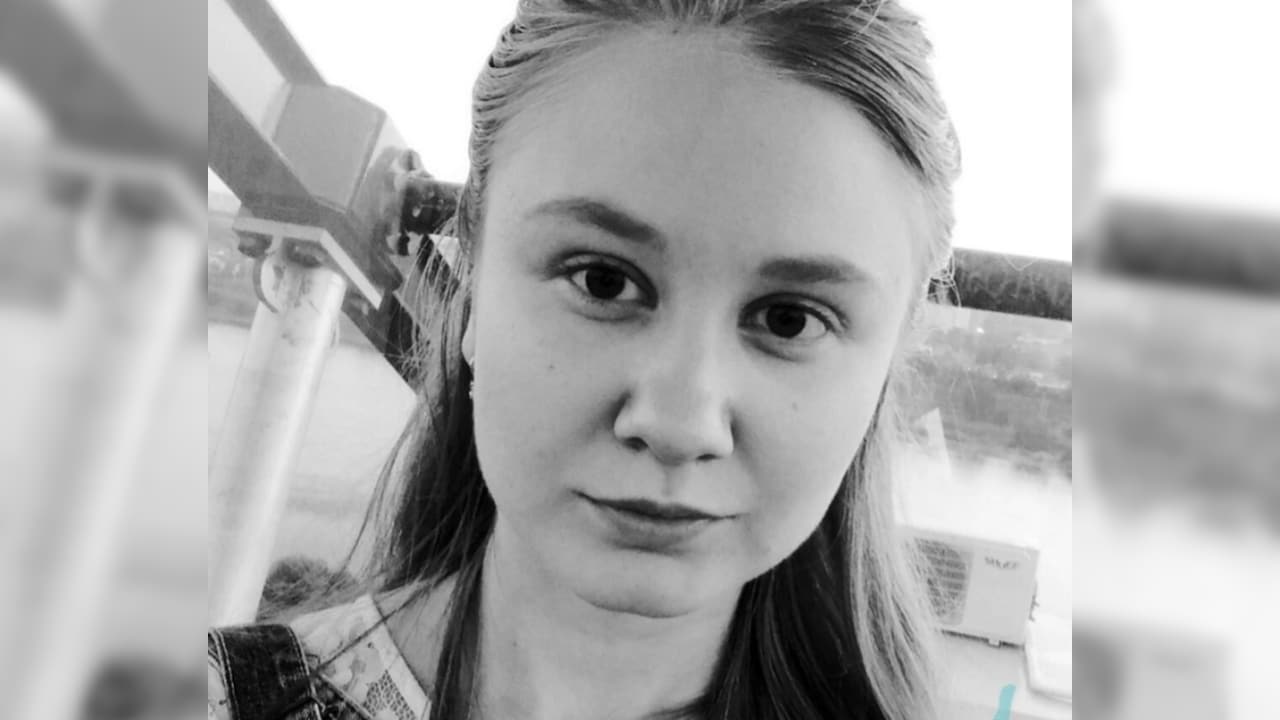
"I saved a patient like this, but they let my daughter die. “Svetlana Shipilova, 64, when she said this, was being quarantined and tested in hospital. She was a mother with medical work experience, and her daughter, Darya Shipilova, aged 28, worked at the Irkutsk Institute for Anti-Piracy in Russia, where she died on 2 October from a sudden deterioration of her lung disease.
The mother told the Russian media in Glubina not about an epidemiological inference, but about two direct questions: Why did the daughter not receive effective treatment? Why has the family not yet received a clear official cause of death document? The Lutheran Church combed her testimony on 8 October. She also refuted the rumour that “the daughter broke the test tube with the plague” and argued that the public did not know the actual way the hazardous samples were protected in the laboratory, as was relayed by Meduza, an independent Russian media.
As mothers publicly questioned the statement of the laboratory accident, Russia announced that nearly 5,000 tests had not revealed any dangerous pathogens, and the controversy over the death had extended from “if there was a leak in the laboratory” to the hospital treatment process and the official statement of cause of death. The Russian epidemic report shows the results of the contacts, but it does not answer the question of why the daughter died for the family of one of the victims.
She first objected to the incident on behalf of her daughter.
原始来源 · nypost.com《纽约邮报》:死者母亲否认打碎试管说法nypost.com ↗Several media early stated that Dalia might have broken a test tube with pathogens while working on 25 September, and then developed into severe pneumonia. The Russian side has not published the laboratory records confirming the accident to date; Instead, the authorities denied that there had been a laboratory accident involving a dangerous micro-organisms. Swetlana also disagreed with this statement. In an interview on 5 October, she said that the standard protection-related sample containers were not ordinary tubes that could be broken at will; Nor did the daughter she knew fit the media ' s image of a careless accident.
Family knowledge of working habits is of unique value, but the denial of the mother cannot be used to determine that there is another secret experiment, let alone to equate “not to break the test tube” directly with “a biological weapon leak”. The day-to-day shift arrangements, laboratory safety records, pathogen testing, clinical medications and final death certificates are key materials for clarifying the course of the accident. The disagreement between the official incident statement and the family statement ultimately points to these uncompleted and specific records.
From one death to about 5,000 tests: what the numbers say, what they say.
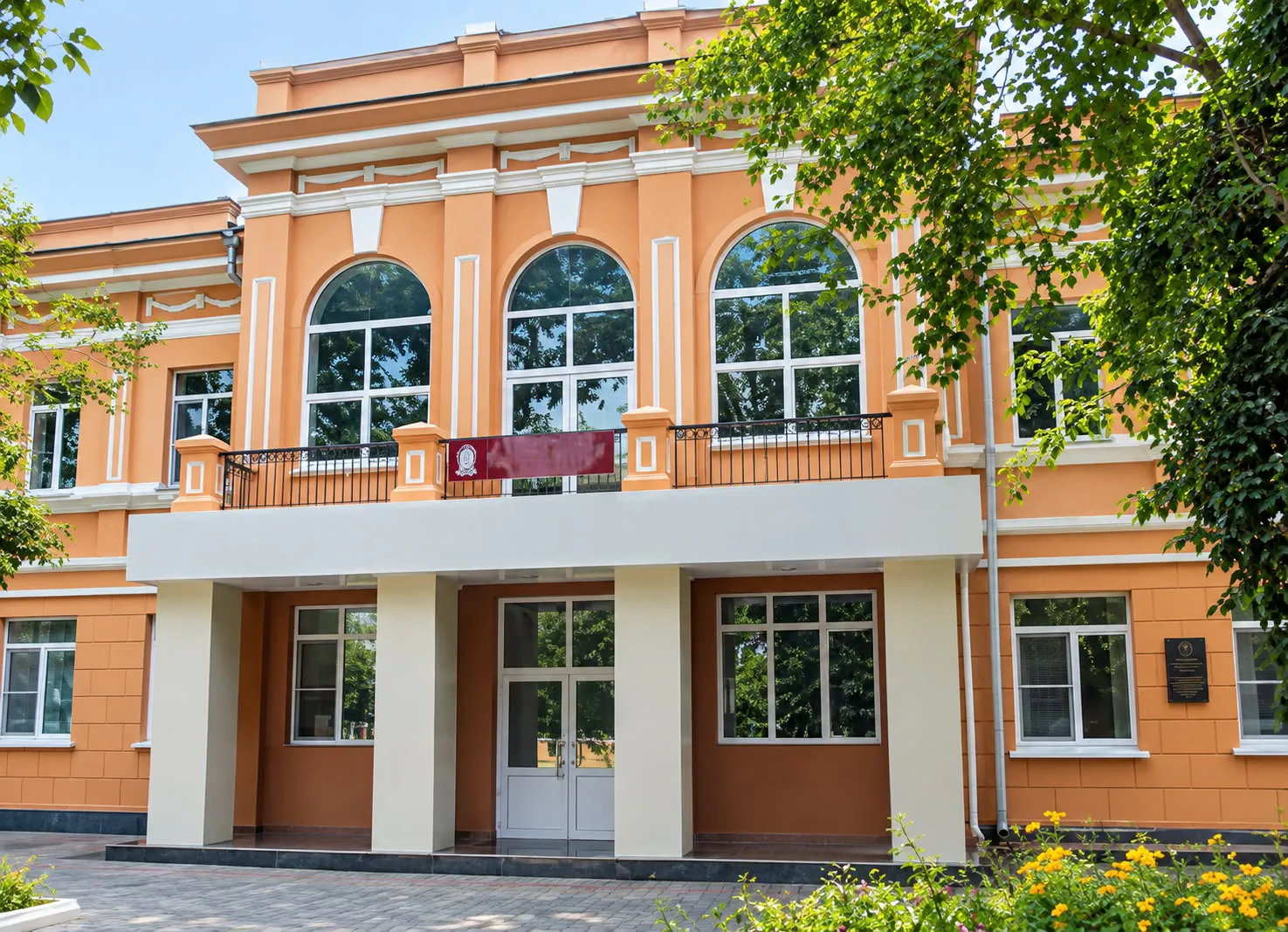
The Russian Federation ' s Office of Consumer Rights and Public Welfare Supervision (Rospotrebnadzor) and the Governor of Irkutsk Kobzeev, were published on 8 October: a health survey of the Institute ' s personnel and contacts had been conducted, a cumulative sample of approximately 5,000 samples had been taken and no dangerous pathogenic microorganisms had been found; The health of the person currently in contact is normal. Russian officials claim that Dalia died of “undiscovered pneumonia”, denying that there is a confirmed plague.
原始来源 · reuters.com路透社:死亡、俄方调查与接触者隔离事实reuters.com ↗This result is important for public health risk assessment. It supported the judgement that “no further infection of a dangerous pathogens by the exposed person has been detected”, but nearly 5,000 laboratory tests did not equal 5,000 independent patients and it was not possible to use this sum alone to indicate which pathogens Dalia was infected with. The sample population, the testing programme, the time of testing, the methods used, the significance of negative results and the complete clinical history of the deceased. The inclusion of “all negative” as “causes of death have been identified” or “causes of death” as “prosperation has been leaked in the laboratory” are cross-border interpretations of the available information.
The World Health Organization (WHO) has requested more detailed information from the Russian side in order to assess the nature of the incident and the health risks; Existing open risk assessments indicate that the risk of further transmission in Russia is low and low for remote areas such as Europe. The United States Government is also concerned about this incident. The risk is currently limited and should be fully explained and not contradicted.
原始来源 · apnews.com美联社10月8日:世卫请求信息和俄方抗辩apnews.com ↗What decisions have been made by the hospital
原始来源 · reuters.com路透社:俄官方公布近5000份检测结果reuters.com ↗According to public reports, Dalia was admitted to Shelleyhoff District Hospital after her condition deteriorated and subsequently entered intensive care and died on 2 October. The mother accused the hospital of delay or ineffectiveness, but the available reports do not provide a fully verifiable record of the use of drugs, images, microbiological examinations and referrals. The hospital is responsible for explaining the medical process in this case: the date of the patient ' s first symptoms, the time of detection of low oxygen or lung abnormalities, the node of initiation of quarantine and drug treatment, the time of intervention of an infectious disease specialist, and the death diagnosis that was eventually signed, directly related to the family ' s challenge to the treatment process.
If an institution specializing in high-risk infectious diseases causes death of its staff, occupational exposure investigation and clinical treatment should be independent of each other, in accordance with the common sense of health survey: the former seeks out whether there are risks at work; The latter check if patients are receiving timely and regular treatment. The conclusions on laboratory safety cannot be used as a substitute for medical liability investigations, nor can the size of isolation be used as a proven proof of the pathogen type.
Cooperation between China and Russia is not evidence of cause of death, transparency is a shared responsibility
Earlier reports mentioned that the head of the Institute had participated in an emergency exercise on cross-border infectious diseases in China in August. The exercise took place before the death, and only indicates the existence of anti-preventive cooperation between the health technical institutions of the two countries; It is not possible to prove in isolation a causal link between China and the death of Dalia, the laboratory accident or the nature of the pathogens. What is really involved in government responsibility is whether people can disclose risks on a test basis when they are involved in international cooperation, research on dangerous pathogens and cross-border notification of outbreaks.
The Russian side considers that health measures have already been achieved, WHO still requires details and families are still asking their daughters for their last days in the hospital. Three are described on different scales: one for population transmission, one for global public health bulletins and the other for life-specific treatment and death.
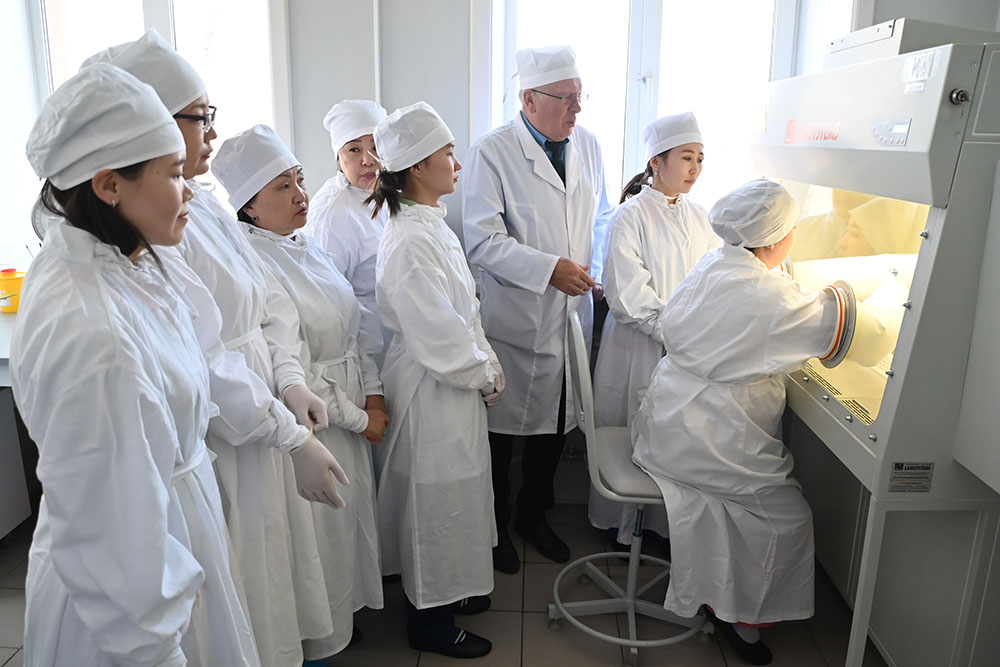
The Russian side has used a large-scale negative test to prove that the risk to the surroundings is under control, while the mother is still unable to find out the cause of her daughter ' s death from this figure. The public health system has a responsibility not only to prevent the spread of the disease, but also to explain occupational protection, referral and clinical treatment after an individual dies. For Swetlana, it was not the differences of opinion among the experts that were most unacceptable, but the fact that the family had no formal response to the medical process after an administrative conclusion that life was classified as “risk has been removed”.
Article discussion
Verified members can discuss this report publicly and manage their own content.
Checking member sign-in status…