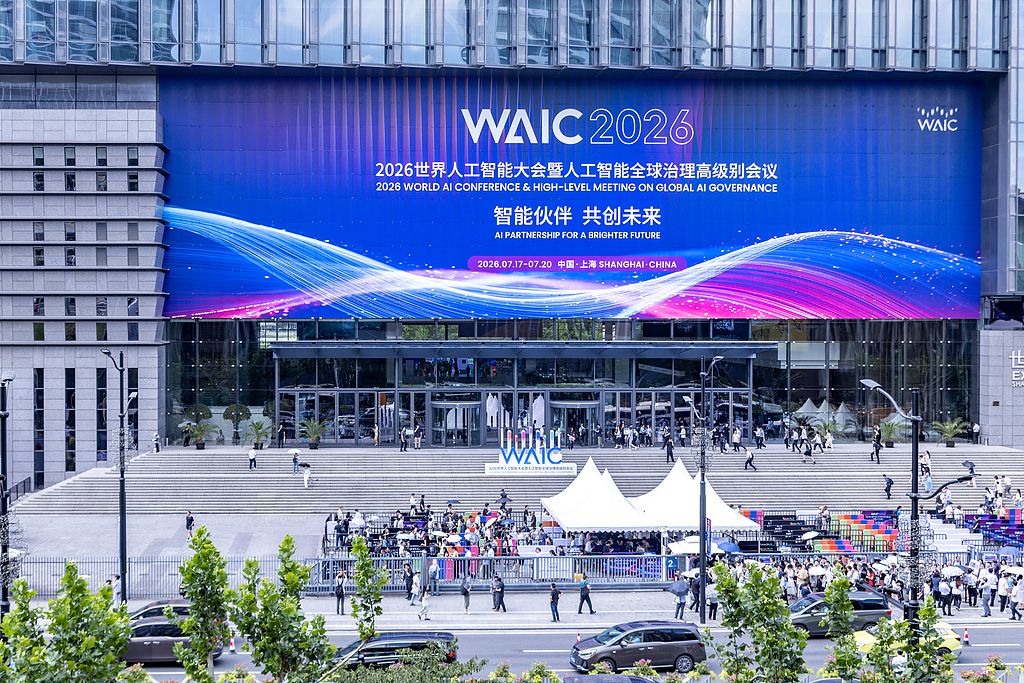
Shanghai held the World Congress of Artificial Intelligence in July this year.The event was marked by a huge banner on the ground, “Small together, smart partners, for the future”. China has been promoting open source models, algorithm services and artificial intelligence governance overseas, and is trying to build new global leverage with low-cost technologies. Three months later, Beijing launched a new technology export management announcement: from a large base model to a smart and calculator cluster, 23 artificially intelligent technologies entered the list of proposed bans or restrictions on exports. The “open” stage of the campaign is where the administrative document begins to specify which technologies are available to leave the country and who has the right to decide.
On 16 October, the Ministry of Commerce and the Ministry of Science and Technology of China issued a joint publicationProclamation No. 48 of 2026It is proposed to adjust the China Export Ban Export-Restricted Technical Directory. A.I. 23, biomedicine 5 and photovolt 12, for a total of 40 items; The call for comments continued until 15 November. The catalogue is still in draft form, but it is not entirely non-binding: prior to the formal revision, the operator of any of the technologies listed in the annex to the export bulletinPre-export registration has been required since the announcement.I'm sorry. That is, the final legal prohibition or restriction is still being consulted, while the executive holds information on cross-border transactions in its hands.
Registration requirements are sufficiently detailed to change the day-to-day decision-making of the enterprise. Transfer of ownership of technology abroad, permission to use intellectual property rights by a foreign subject, and the transfer of technology owners or actual control over a person to an offshore subject fall within the scope of the regulation. The information is to include the recipient of the technology, the country or region of export, the technology to be traded, the use and the expected amount. There is now an additional threshold for Governments to know, to record, and to be considered for further approval.
The government has left behind a carefully defined “open” window:Technology that has entered the public domain by means of papers or open sourcesThis is not included in the management; The boundaries of commercial API, cloud-based services and private model technology transfer also need to be seen in a different way according to the nature of the particular transaction. The announcement cannot be described as a ban on all open-source AI from going to the world. This distinction is even more noteworthy: the technology that has been made public is difficult to recover, and the model weights, training skills and deployment capabilities that are still held within the company can be assets that can be controlled by administrative powers.
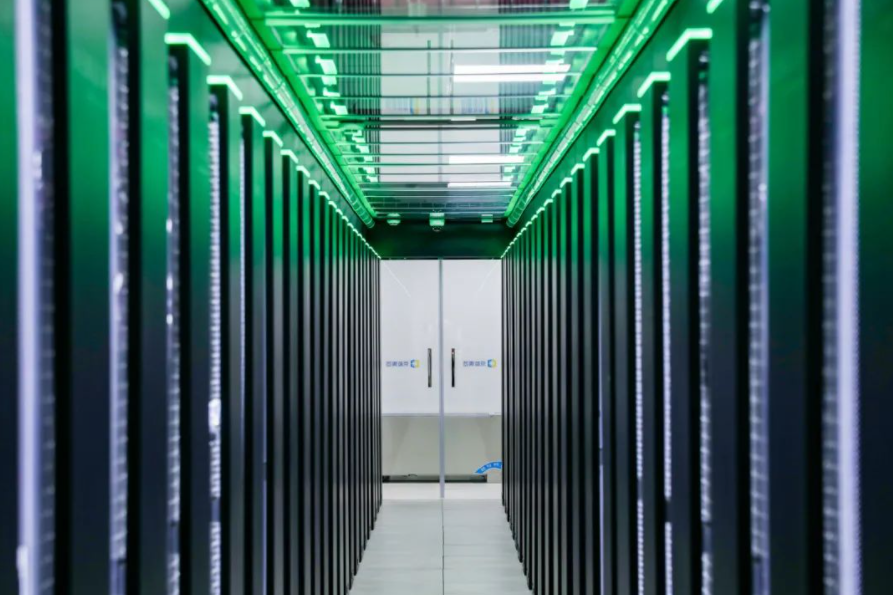
For example, a server is a combination of metal casings and chips, as in the cabinet of the Beijing Public Calculator Platform; Knowledge of how to organize a calculator cluster, how to train models and how to stabilize complex intelligence bodies is truly of cross-border competitive value. The Ministry of Commerce is talking about protection against security risks such as malicious code generation and attacks on critical infrastructure, which are technically realistic; But the catalogue covers a much wider range of areas than cyberattack tools. Once the national security border is defined primarily by the executive, enterprises bear the costs of contracts, investment and technical cooperation for untransparent judgements.
Such controls are not created in a vacuum. The United States had previously imposed export restrictions on some of its advanced chips and manufacturing equipment, while the CCP leadership had long elevated key technological autonomy to a political goal. Beijing today is not just accusing the United States of imposing a technology embargo, but is also building itself a gateway to export technology. The concept of security is used by both major Powers to draw boundaries for the flow of knowledge, but the salient issue in China ' s political system is that it is difficult for independent justice, public debate and social oversight to effectively regulate the expansion of the administrative machinery.
This implies a new uncertainty for Chinese AI entrepreneurs: they may be able to present open source codes to the world, but may not be free to delegate core technology to overseas clients, to let teams into multinationals, or to use R & D for offshore operations. Business advocacy can still say “Let the world use China's AI”, and the real hand that determines whether technology can be delivered is moving from engineers to approval systems. The banners at the Shanghai Conference were not removed and the Beijing registration form was sent to the business.
Article discussion
Verified members can discuss this report publicly and manage their own content.
Checking member sign-in status…