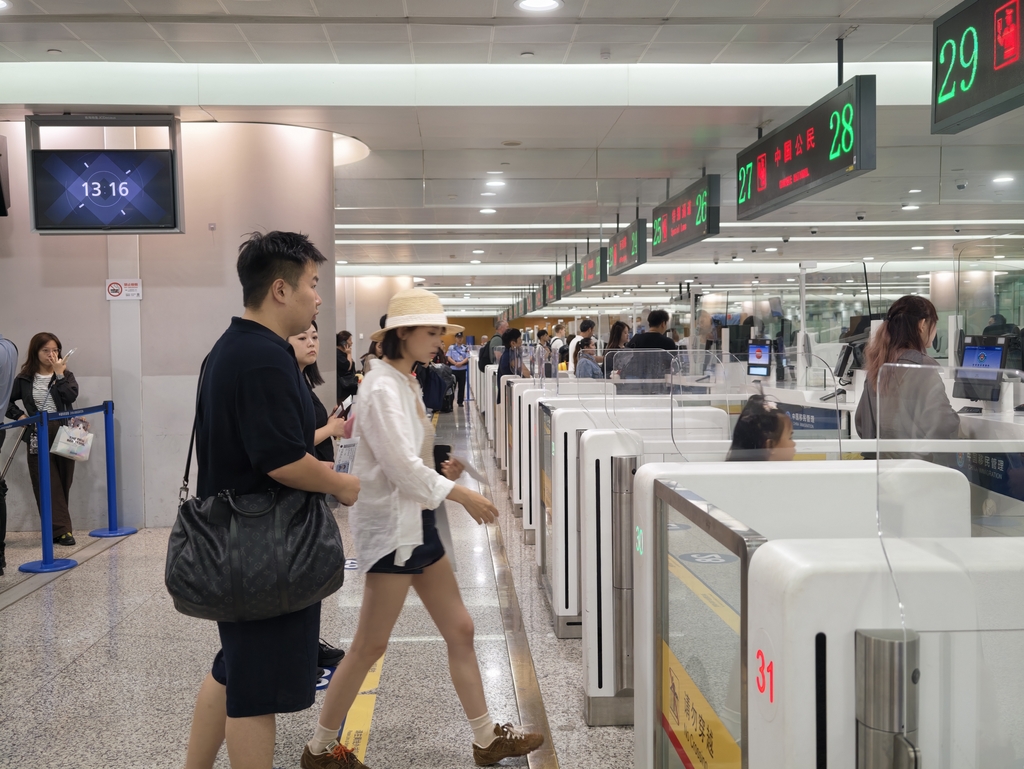
Before the ATM at Shanghai Putu Airport.The passengers placed their documents on the machine and waited for seconds to verify and then left after the green instructions were on the screen. For every business passenger, “incoming and leaving without difficulty” should have been the most basic expectation. However, after the implementation of State Council Decree No. 841 of 15 September this year, a traveller who has access to the design of a chip, an artificial intelligence model or business technology may find himself in need of not only identification but also cross-examination of technical security and electronic information by law enforcement agencies.On October 16, China submitted an extension of the export controls for artificial intelligence technology.Together, these two policies have changed more than just the freedom of trade in technology.
Article 3 of Order No. 841(b) Require that persons entering or leaving the country require documents, materials and electronic data to verify their identity and the reasons for their travel; Article IV establishes a basis for the non-admission of Chinese citizens who may endanger industrial or technological security by violating export control, regulations on the import and export of technology; Article 6 allows for the failure to inform the person concerned of the facts, reasons, grounds and avenues of redress for the restriction of his or her departure in the context of a particular national security or criminal investigation. This means that the executive power not only can stop people, but in some cases can not explain why it cannot leave to the people who are stopped.
The three are read in a series of three ways to see the real impact on modern technology. A semiconductor engineer who travels to the mainland to attend supply chain meetings, a Taiwan company executive who goes to the factory to solve production problems may carry sensitive business documents, or be the subject of attention because of his curriculum vitae and business relationships. Most people certainly don't get side-controls. But as long as the border “may endanger technical security” is not clear, the Government has a powerful leverage that can be imposed at the last gate of the airport. Engineering knowledge, which is the occupational capacity of workers, may become grounds for non-departure in a system of national security.
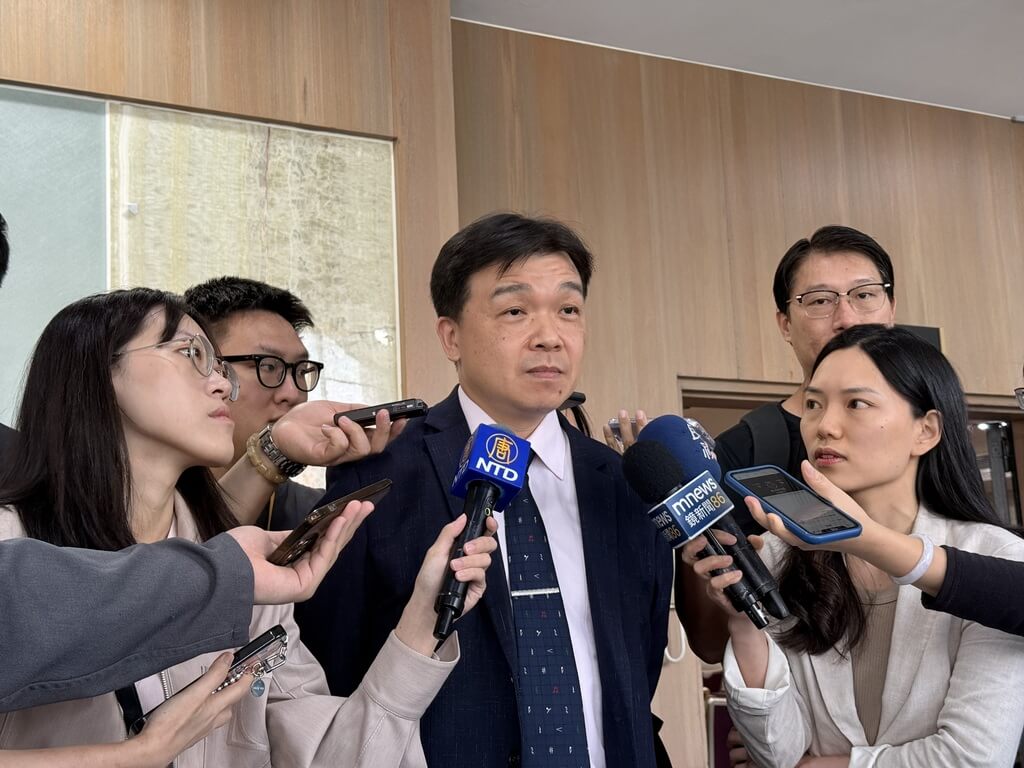
The Vice-Chairman of the Taiwan Continental Committee, Shen Zheng Zheng, held a meeting from 14 to 15 September.In the talks on the new rules, Taiwan's semiconductor and high-tech personnel, business executives, public servants and religious figures were specifically warned that they should assess the risks involved. He noted, in particular, that electronic data checks could expose mobile phones, commercial information on computers or personal statements to law enforcement personnel on the mainland; The authorities may also restrict departure in the name of technical or national security.Beijing has always maintained the claim of “Chinese citizenship” for the people of Taiwan.The competent authorities in Taiwan are therefore concerned that these provisions may also affect persons who enter the mainland with their TBT certificates.
On the surface, there is a legitimate policy case for both the State to enhance border security and the business to protect the technical secrets. But once Governments can define what is a sensitive technology, check electronic equipment, decide whether or not a person can leave the country and, in part, refuse to justify it, individuals are not confronted with normal and predictable administrative procedures, but rather with a system that combines information with freedom of movement into a single body of power.
This structure corresponds to the proposed new manual smart technology export catalogue of 16 October. Technology companies may need to register exports for core models, calculators or technology authorizations; The entry and exit of technicians is subject to independent restrictions related to technical security. Taken together, Beijing seeks to control not only whether technical documents can cross borders, but also how technology-related people can move. Competition for technology in powerful countries ultimately falls on individuals: enterprises can publish internationalization strategies, while engineers first have to confirm their right to take off flights.
China ' s economic growth had been made at the core of its attraction to free cross-border movement of people, finance and technology. Today, when investors, researchers and Taiwan ' s supply chain partners calculate risk, export controls and border restrictions are placed in the same table. While the executive can repeatedly emphasize security, it can easily evolve into possession of individual expertise and freedom of movement without clear borders and available relief. The world outside the airport gates has not disappeared; What really changed is the increasing concentration of power in deciding who can go to that world.
Article discussion
Verified members can discuss this report publicly and manage their own content.
Checking member sign-in status…