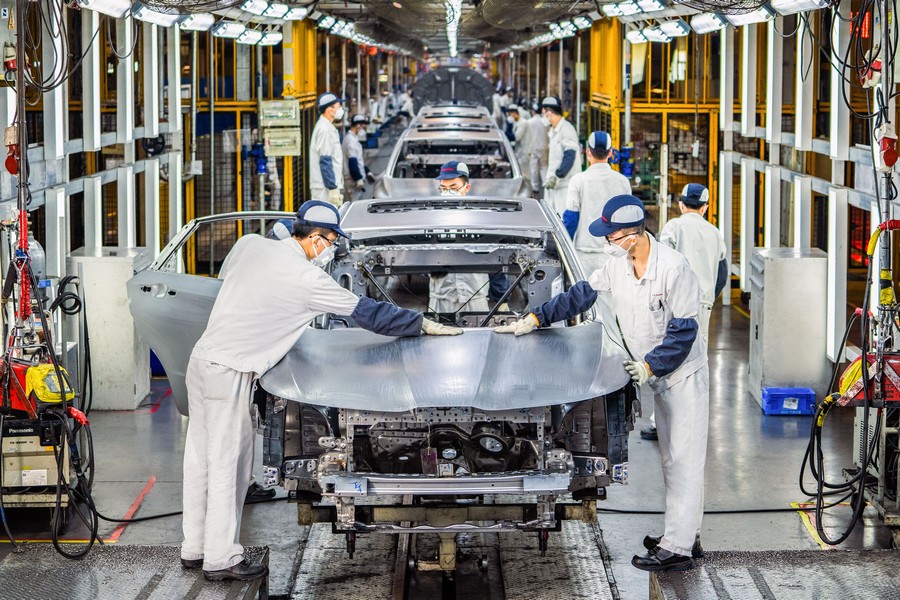
In September, the prices of industrial enterprises in China increased by 6.9 per cent in comparison with the same year, while the prices of out-of-plants rose by 5.0 per cent, while the consumer prices of the population rose by only 0.9 per cent. In the same month, upstream firms faced with increasingly expensive raw materials, making it difficult for producers to shift the full increase to households that bought commodities. The gap between the three sets of figures reveals a crack between the cost pressures of Chinese manufacturing and the purchasing power of the population.
published on 14 October also reveals the faults upstream and downstream. The price of extractive industries rose by 25.4 per cent, the raw materials industry by 9.4 per cent, the processing industry by 3.4 per cent and the cost of source-of-living materials by 0.1 per cent. Fuel-power purchases increased by 13.6 per cent and non-ferrous metals and wires by 20 per cent. A producer that relies on energy, metal materials, has to accept more expensive purchase orders, and the final sale of daily items does not necessarily have the scope to add value. The price structure indicates that the cost pressure is concentrated at the end of the production and that it cannot be assumed that each enterprise has lost any profit.
The rise in the price of industrial goods is not equivalent to a boom in consumption. The population data shows another picture: September fresh food prices decreased by 8.1 per cent, pork fell by 10 per cent and food by 1.7 per cent overall; At the same time, traffic and communications rose by 4.3 per cent and health care by 2.7 per cent. A family can spend less on a vegetable stand, but more on travel and health. For those whose income has not improved significantly, price changes are not simply good or bad news, but rather a constant change in the structure of expenditure.
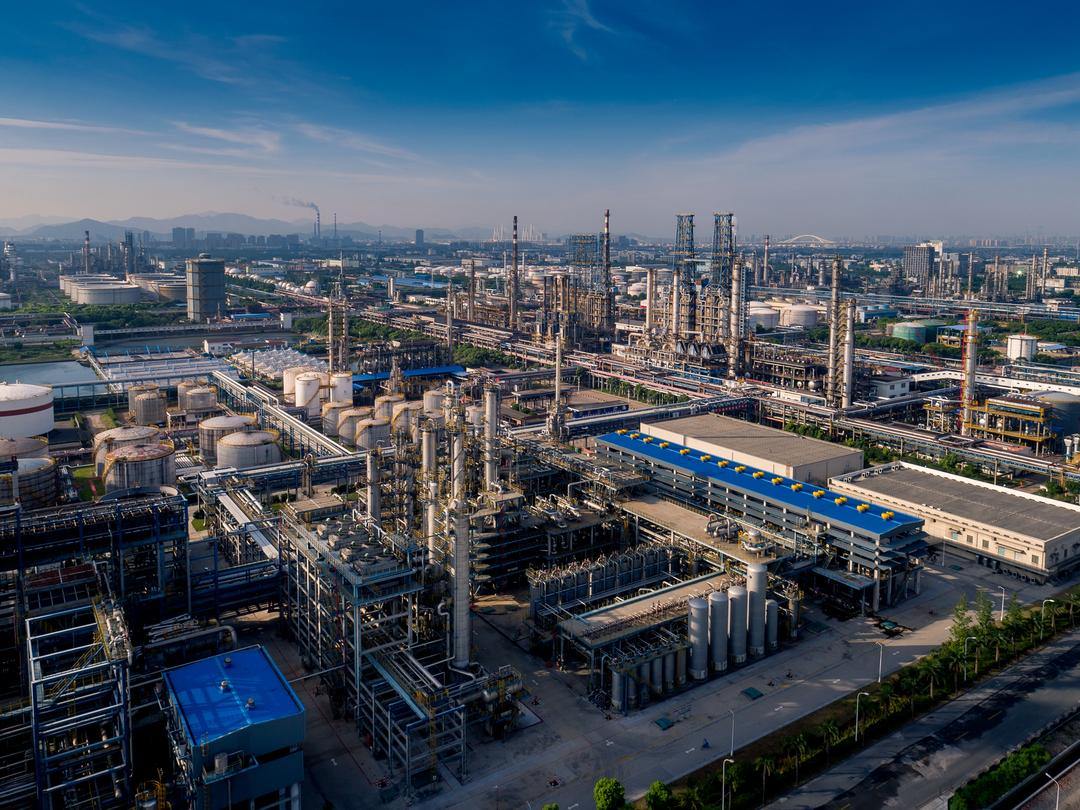
Reuters links the rise in industrial end prices to the situation in the Middle East, which drives the higher energy and commodity costs, while noting that domestic demand remains weak. External oil and gas shocks encounter a weak internal consumption and are a truly dangerous combination of current round data. The price increases for raw materials come from international markets, and enterprises have to find consumers at home who are willing to take over. A manufacturer who cannot fully transfer the cost through the sale price will find space from profits, production rhythms or work arrangements.
This dilemma is related to China's long-term growth focus. The Xi government relies on investment, infrastructure and manufacturing expansion to support the economy as a whole, but cannot automatically increase the purchasing power of households in the same way. Loans can stimulate new capacity in enterprises, local projects can boost steel and energy demand, but the availability of wages for ordinary workers is still dependent on business performance, employment negotiations and income distribution. The faster the plant expands and the harder it is to keep up with household demand, the more the stock and price competitions consume the profits of the producers.
The core CPI for the population increased by only 1.0 per cent in September. This set of indicators shows that the rise in industrial costs does not mean that the end demand is growing simultaneously. Beijing could write the size of the manufacturing sector into the growth report card, but the cost of the policy would eventually be recorded separately in the business purchase book, the consumer shopping account and the worker's wage bill.
Article discussion
Verified members can discuss this report publicly and manage their own content.
Checking member sign-in status…