A hospital arranged for a vehicle to be taken to the village and an outreach staff member to the town to receive patients, who had to pay $200. What is really worth noting is not the cost of the car, but the settlement of the health insurance that lies behind this low-threshold hospital: Guangxi City Hossein Hospital replaced the extra-catalogue thermal condensation with the radio-frequency accumulation in the health insurance catalogue, partially examining remote readings by others, and the problem of the typologies and exaggerations of the medical records. was published by the National Health Insurance Board in May 2026, for a verification of the amount of $16.814 million for the Health Insurance Fund for Non-compliance. In this type of business model, medical services are no longer determined by the condition alone, but are also used to organize reimbursable fees.
Another incident occurred in Jiangxifon City. The health services identified the hospital of Wakan as placing inpatient patients with urinary sterilities, which were not symptoms, were not inflammable and could have been treated with outpatient medication; Pre-eating check-ups for people without surgical indications, and the signing of inspection reports or prescriptions by unqualified persons. The health insurance fund was used in an irregular manner in the amount of $1.97.15 million. The two hospitals, one based on town-based customers, the other on the expansion of the hospitalization and examination project, have been exposed to the same problem: the behaviour of the clinic is directly linked to the payment of fees, the settlement of health insurance and the patient ' s condition may no longer be the sole basis for determining the content of the service.
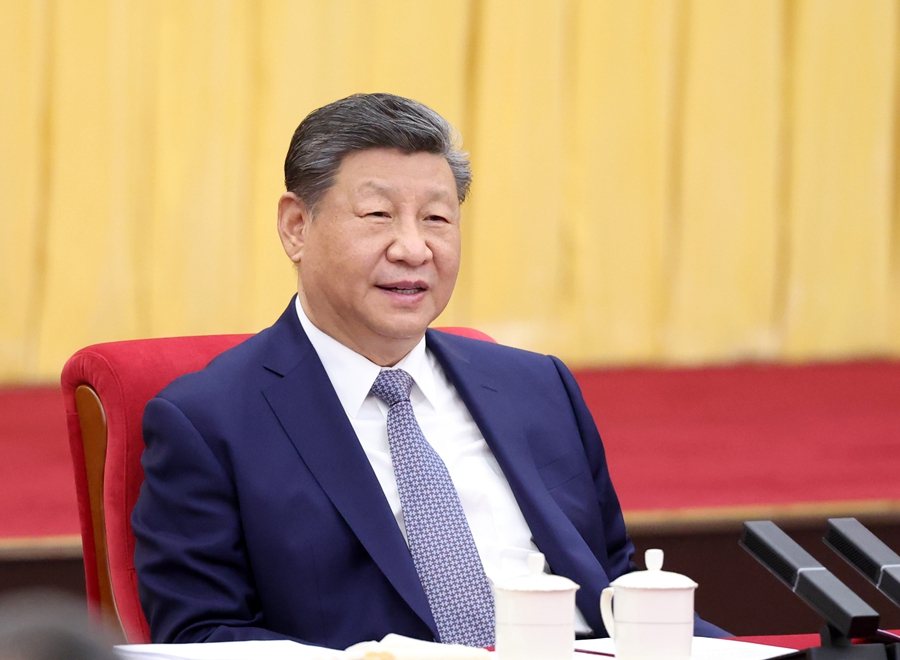
October 12-13, Xi Jinping at the Beijing National Conference on Health and Health called for the safe operation of health insurance funds, the good functioning of public hospitals and a reasonable public burden. The statement asserted that it was in keeping with the public good, emphasizing the co-governance of health care, health care and medicine. On the other side of the political discourse, the National Health Insurance Board ' s own law enforcement bulletins continue to reveal false medical care, excessive examinations, repeated fees and unjustified hospitalizations. The two materials combined reflect not the “individual doctor's medical ethics” that can be explained, but rather how medical resources and power to allocate funds create business incentives and why regulation is always treated after the loss has occurred.
>, published by the Shanghai Health Insurance Department for the 2025 flight checkup, similarly shows that 34 designated medical institutions and 150 pharmacies were inspected and found to be over-diagnosed, duplicated fees, and symmetrical projects, involving, inter alia, the following issues: The cost of the violation was $6,22007. A central hospital was found to have duplicated the costs of thyroid hysterectomy, etc. It is difficult for patients to have a hospital clearance code and payment rules before the operation is performed, and even after the operation they do not necessarily know what they have paid or what improper expenses have been paid by the health insurance fund. The hospital has a clear information advantage in the chain of doctors, cases, fees and health insurance declarations.
Political responsibility here must be pursued to the system and cannot stop with the announcement of punishment. The Xi Jinping regime has focused heavily on the direction of health reform, with the executive setting rules for health insurance payments and centralized procurement, local governments deciding on the allocation of resources and financial support to public hospitals, and the hospital being under pressure to conduct both medical services and operational examinations. The pricing of fees, where the hospital income comes from, and whether medical insurance audits recognize the fictional treatment are issues of public authority and implementation. The fact that a hospital is profiting from illegal practices cannot be directly shown to be the same in all hospitals throughout the country; However, many times similar problems have been repeated, which has shown that ex post exposure alone is not sufficient to explain the incentives of the system.
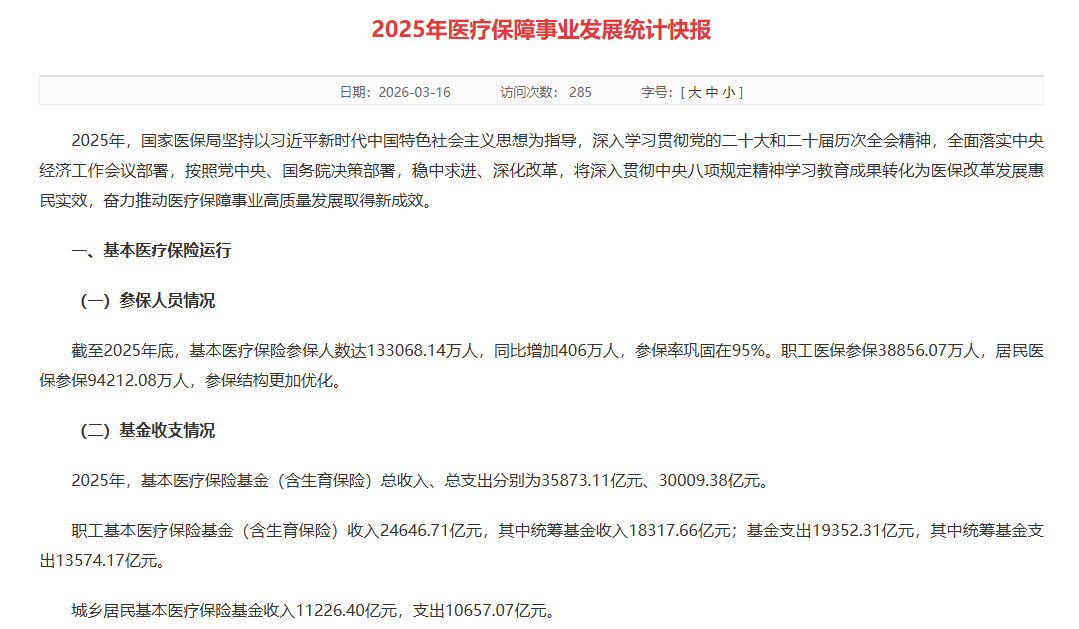
The burden of access to health care is borne by the population, which exists at the same time as the irregular charges. > > US$7339 for the average hospitalization of residents in 2025 and £11278 for level III hospitals; The percentage of funds disbursed in the directory is 66.0 per cent nationwide and 61.7 per cent in level III hospitals. This is not the actual reimbursement of the full cost of the patient, and the out-of-catalogue costs and other requirements also change the personal burden. If a seriously ill person has to enter a level III hospital, it is not possible to abandon the necessary treatment simply because of the low cost of primary care. The conflict between the security of the health insurance fund, hospital income and mass expenditure may end up in the case of patients without options.
In the case of the identified duplicate fee in Shanghai, what is really needed by thyroid cancer patients is a medically directed operation, not an invisible double-counting; In Toung City, what is really needed by stone-credible patients is appropriate treatment, not additional hospitalization programmes for health insurance payments. The decision on who can be paid for, who can be examined and how to review the bill is made by both the hospital manager and the administrative agency that sets up the system.
Xi defined the health goals for the next five years as the highest decision-maker at the Congress. When a patient enters a hospital, however, the right to medical care depends on a set of fees, payments, approvals and rules of supervision that are already in operation. The official announcements, which contain a total of 1.814,000 yuan, 1.9715 million yuan and 622.0 million yuan, represent the amount of the specific violations that have been established and cannot be described as the net profits of the hospital without accounting; They reveal how public security funds that are intended to be used to treat diseases can be used in real-life practices. The excess money is in the amount of money, and the suffering of receiving unnecessary treatment will not be fully reflected in the health insurance claim.
Article discussion
Verified members can discuss this report publicly and manage their own content.
Checking member sign-in status…