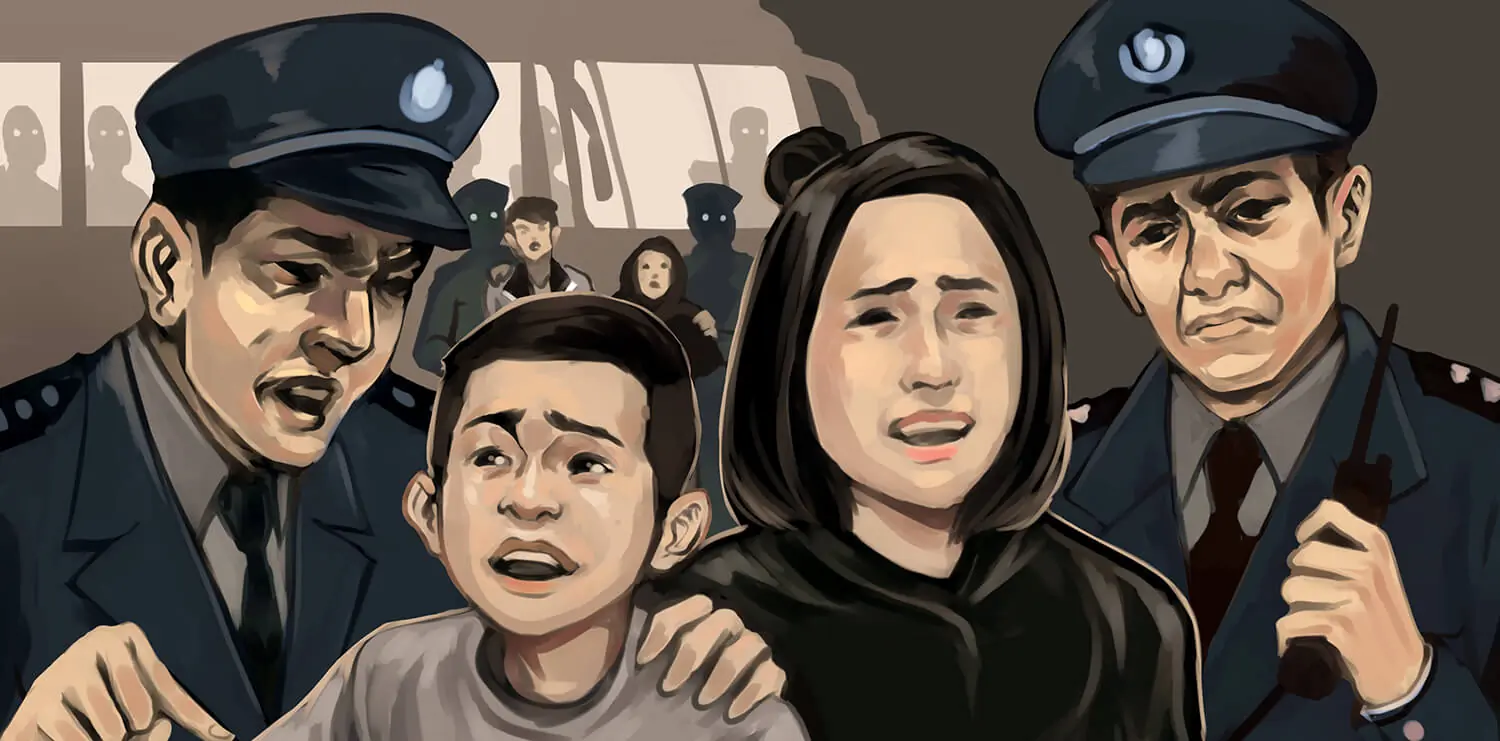
In 2018, Gehan Guri, who lives in Belgium, heard from his family in Xinjiang about his brother ' s death. The local police gave a statement: traffic accidents. The problem is that Yasinjan Toxti, brother, was in the facility of what was known as “re-education”. How could a man who had control over his personal freedom suddenly die in an accident outside? In that environment, where no inquiry is permitted, families can only live with this crack for a while.
The blogger says:Reporter, Radio Free AsiaCall the local police station in Aksu. The information provided by the two officers during the questioning directly contradicted the explanation given to their families that the accident had occurred in the same year: Yassin had died in custody. As to the duration of the detention and the time when it was brought to medical attention, the two officers did not describe the same and the medical reasons for the death were not made clear. One thing is clear enough: the scene of death, which the police have described to the family in the past, cannot be established at the same time as the facts of detention, which the police now admits to itself.
Yassin River, born in 1980 in Aksu, is a bus driver with low education. He wanted to give his children a better education, sending his five-year-old son to Egypt, where he was cared for by his sister. The increasing language and religious control in Xinjiang has led to the creation of a new culture of democracy and democracy.Many Uighur families.Education abroad is seen as a way to preserve its own culture. For Yassinjiang, this is a father who arranges for the future of the child; In the classification of the public security system, family ties abroad are becoming a political suspect.
According to Geyhan Gouri, his brother was taken four times between 2016 and
- Even if the son returned to Xinjiang as requested, he was not released from surveillance. The last arrest was in connection with his car stopping and allowing Muslim passengers to follow the call of worship. An act involving daily religious life is absorbed by a powerful State apparatus into the logic of “religious radicalization”, whereby a bus driver loses his freedom and eventually his life.
More brutal is the chain of costs after death. The sister of the family who had sent messages to her sister abroad was subsequently detained for “discovering State secrets”; Mothers who have travelled to Turkey have also been arrested for travelling to “sensitive countries”. Geham Guri still does not know where they are being held and does not know the term of imprisonment. A family simply wants to know how its brother died, but continues to lose his family in the process of questioning.
This is not an abstract “ethnic policy dispute”. Normal public powers should explain why detainees are deprived of their liberty, when they die, and how relatives are informed; The political governance of Xinjiang has turned family ties, religious practices, and overseas studies into dangerous signals. Each administrative classification is followed by a specific person and a child who will never wait for the father to return. The death of Yassinjiang was covered up by a “car accident” for eight years; The truth that family finally heard after many years was asked by journalists within the system that was responsible for his control.
Article discussion
Verified members can discuss this report publicly and manage their own content.
Checking member sign-in status…