

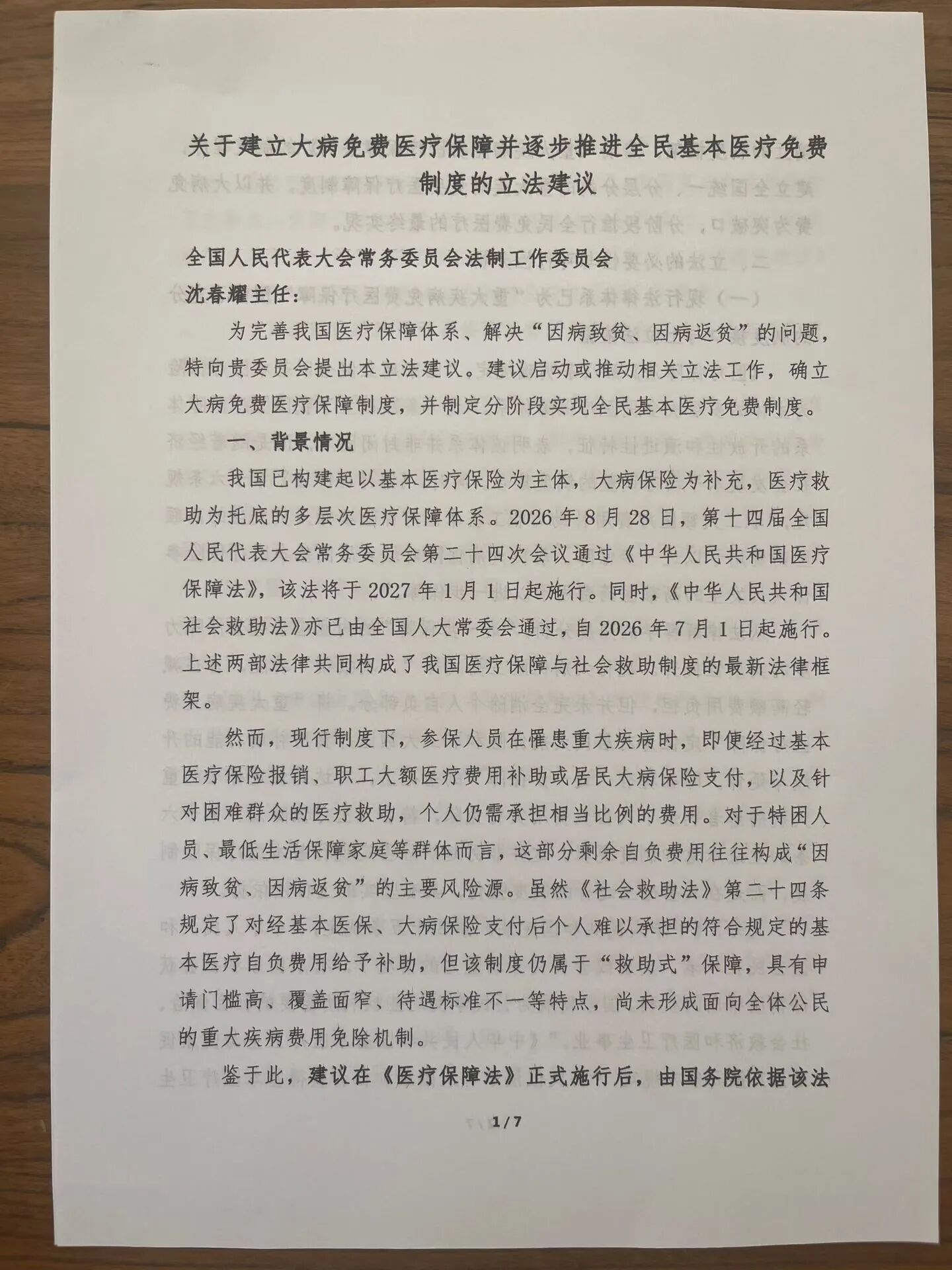
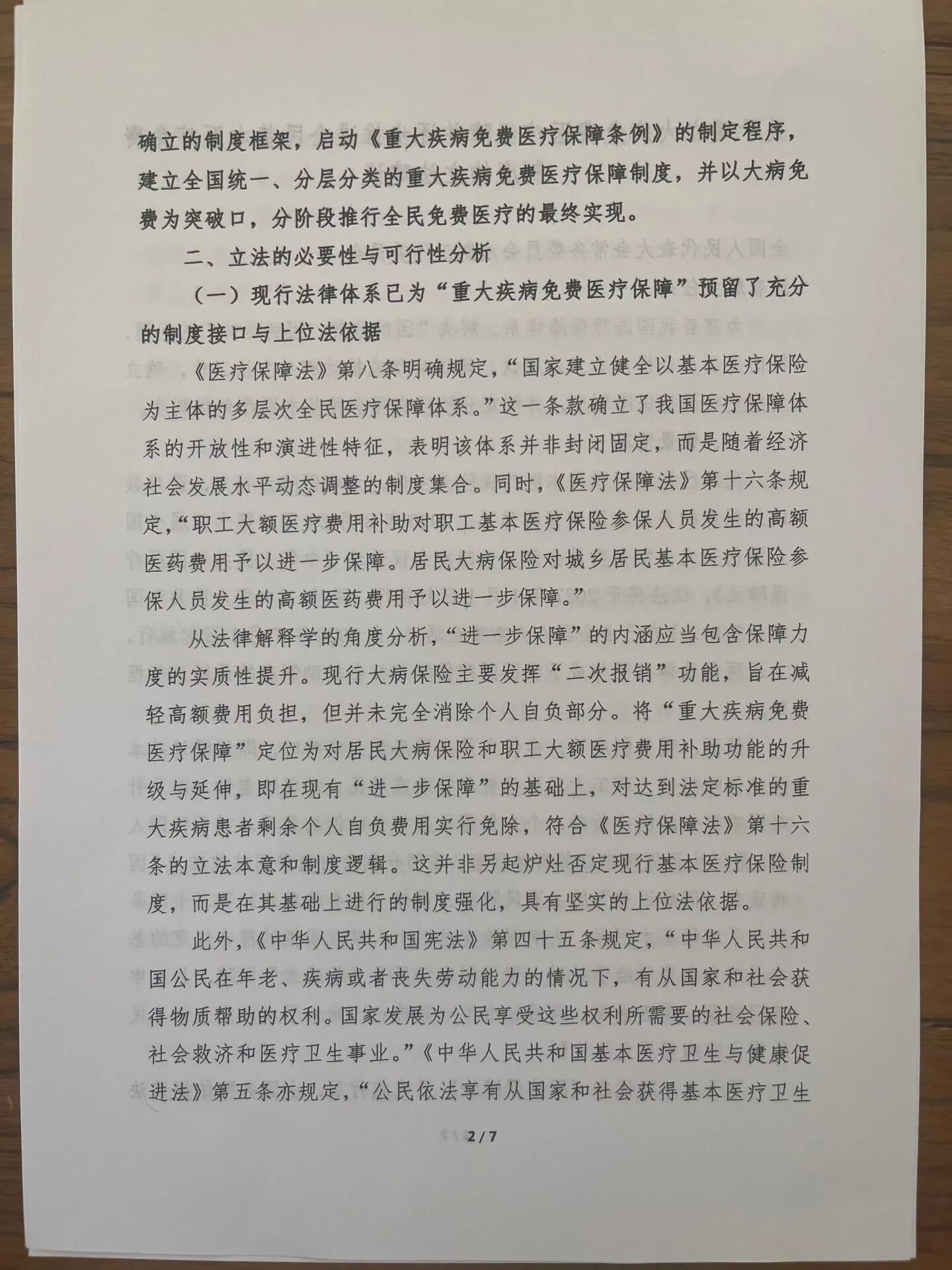
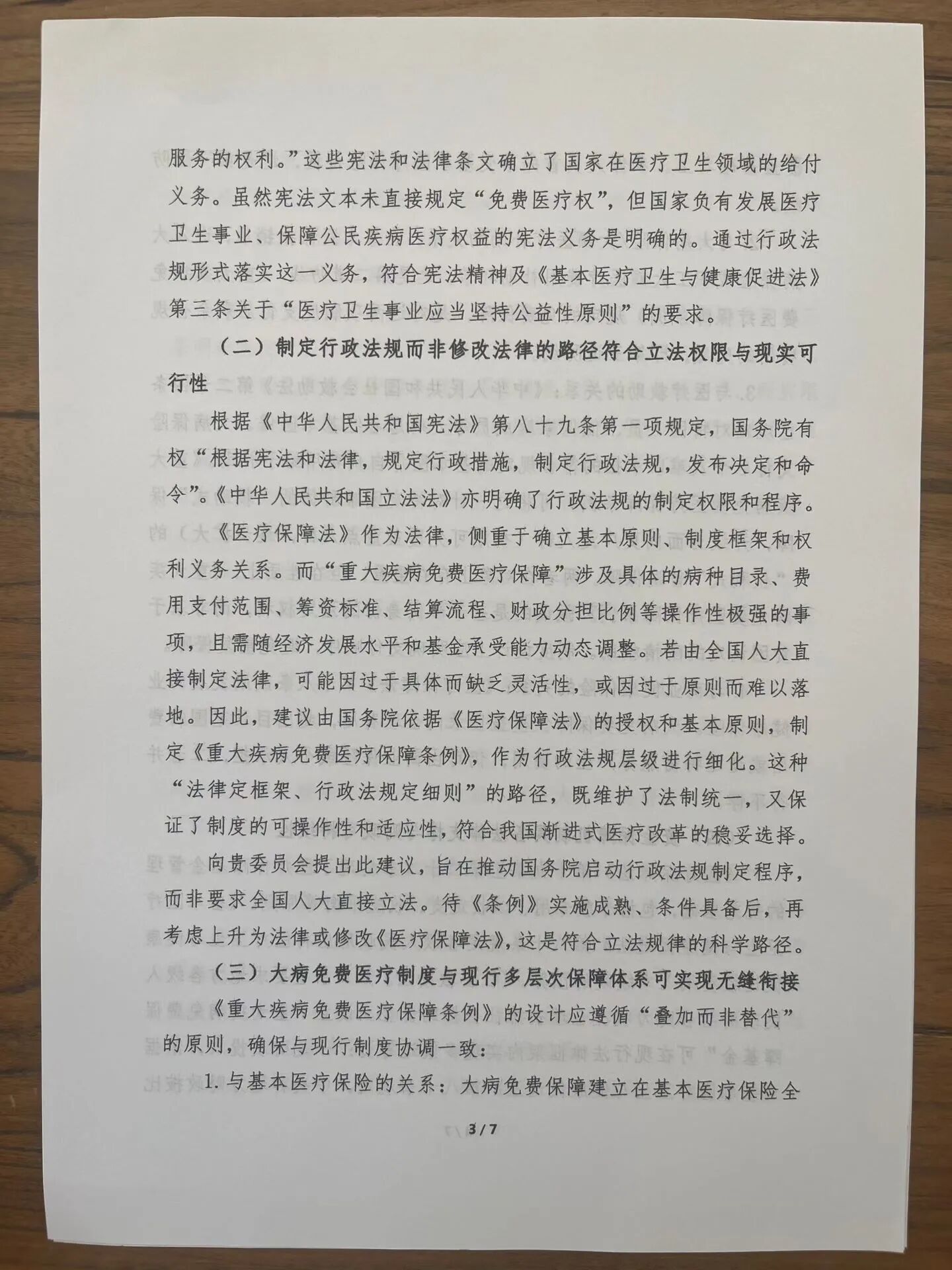
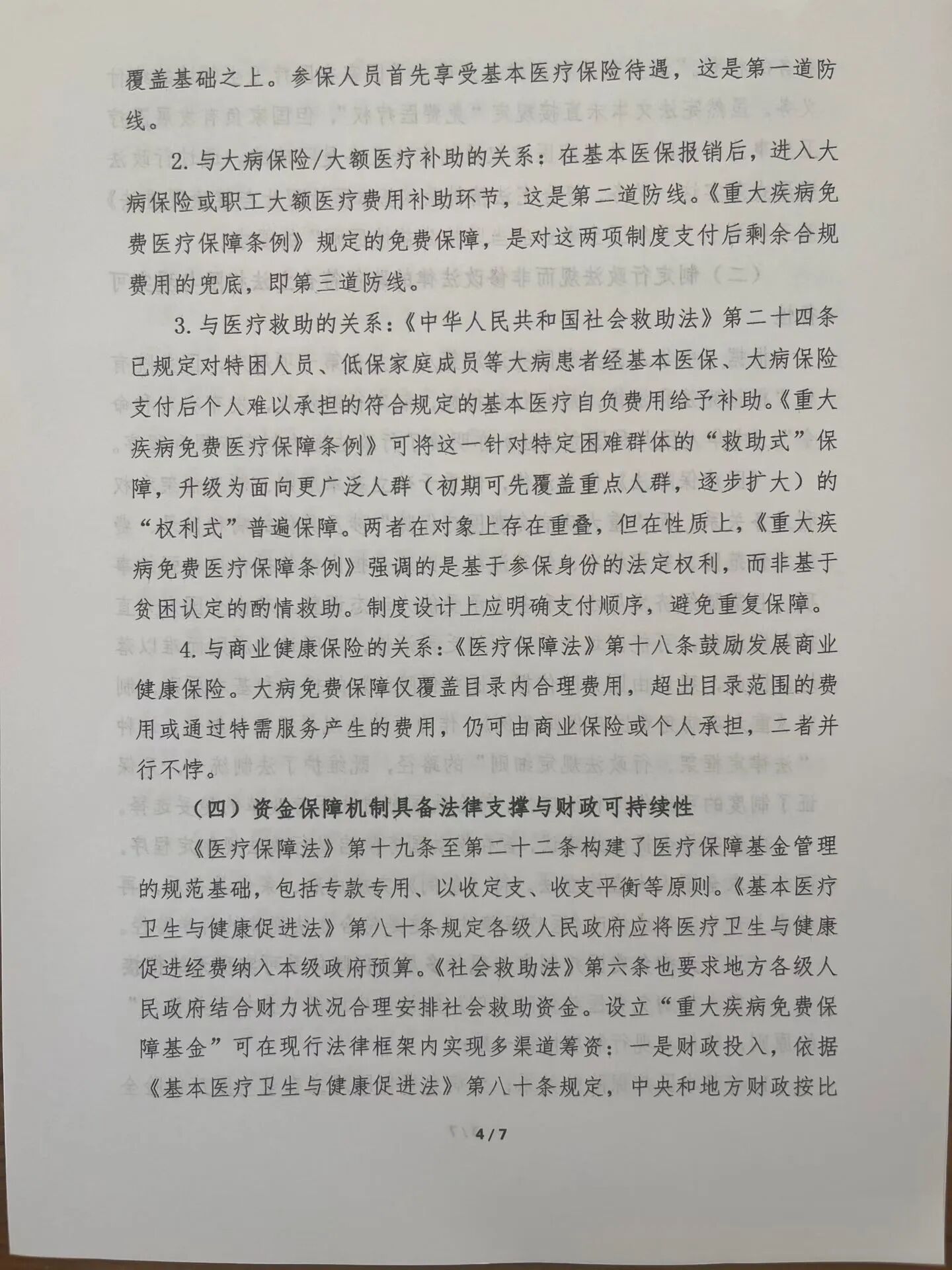
In total, four legislative proposals were submitted in Kai: three focused on the culpability of the crime of sedition and one specifically on the issue of farmers ' pension security. Four propositions, without a violent complaint, were simply a reasonable examination of the legal boundaries, the short-term civil life, by a legal person based on professional knowledge. These words, as seen, are unique to the idealists of the rule of law, and their unexplored quest.
The idealist pursuit was never against order, but rather the very foundation of the order, the criminal law.
He was well aware that the weight of criminal law lay not in the breadth of coverage, but in the clarity of the borders. When a crime standard is vague and too flexible to predict the consequences of one ' s own behaviour, there is no sense of security of rights. In August 2023, for the first time, he joined forces with his colleagues, including Zhang Wen Peng, to call for a clear determination of the applicable boundaries of the crime of sedition and to prevent its generalization. The penalties that follow, let the fellow man be silent. In July 2025, the second proposal, which expired the punishment, submitted the same subject-matter proposal on his own, and the former partner, who had stood side by side, fell into the offence. On 20 October 2026, he was placed in a state of security, and for the third time, he was still facing the “port-and-port” problem of finding the crime of shaming.
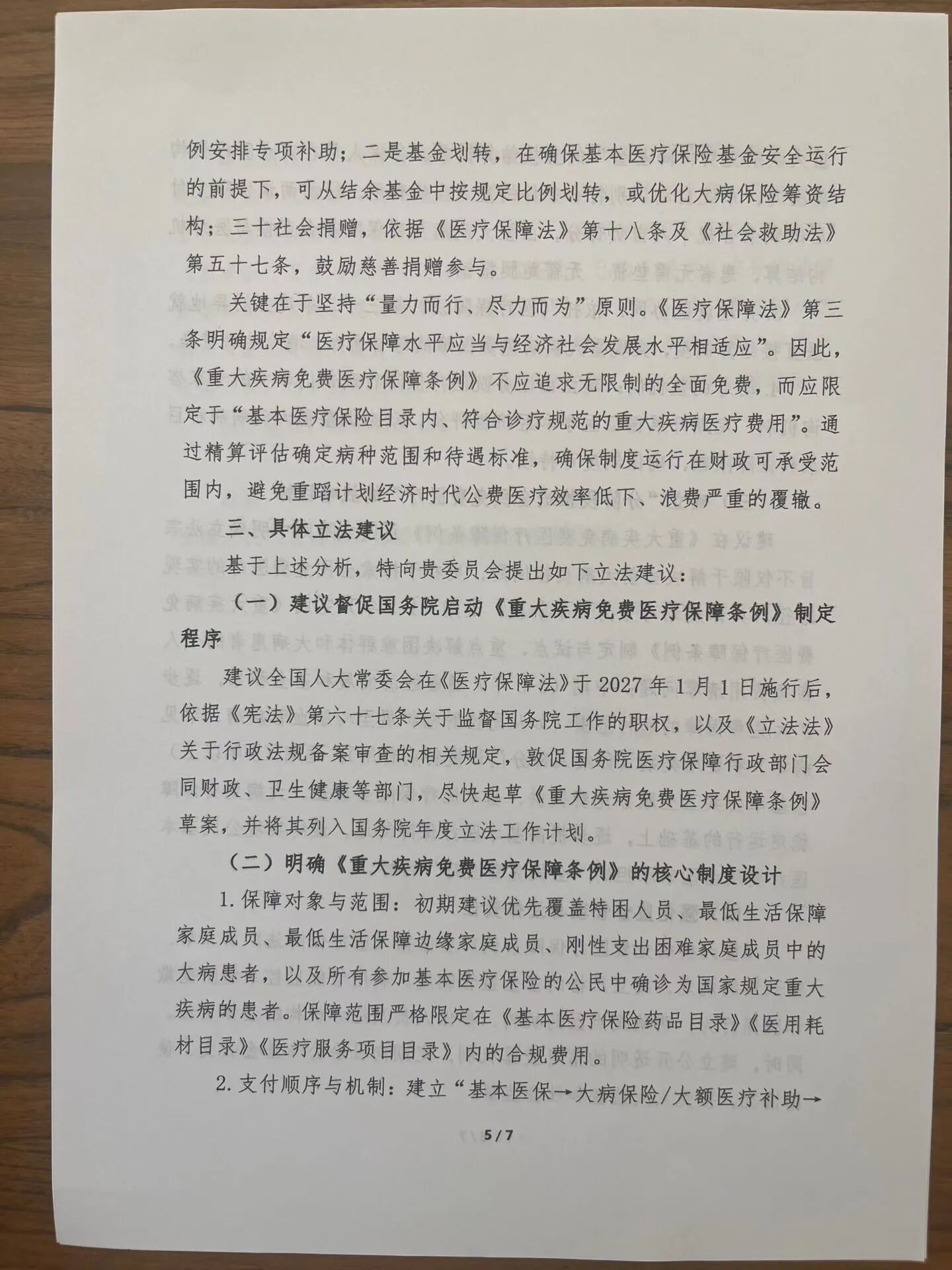
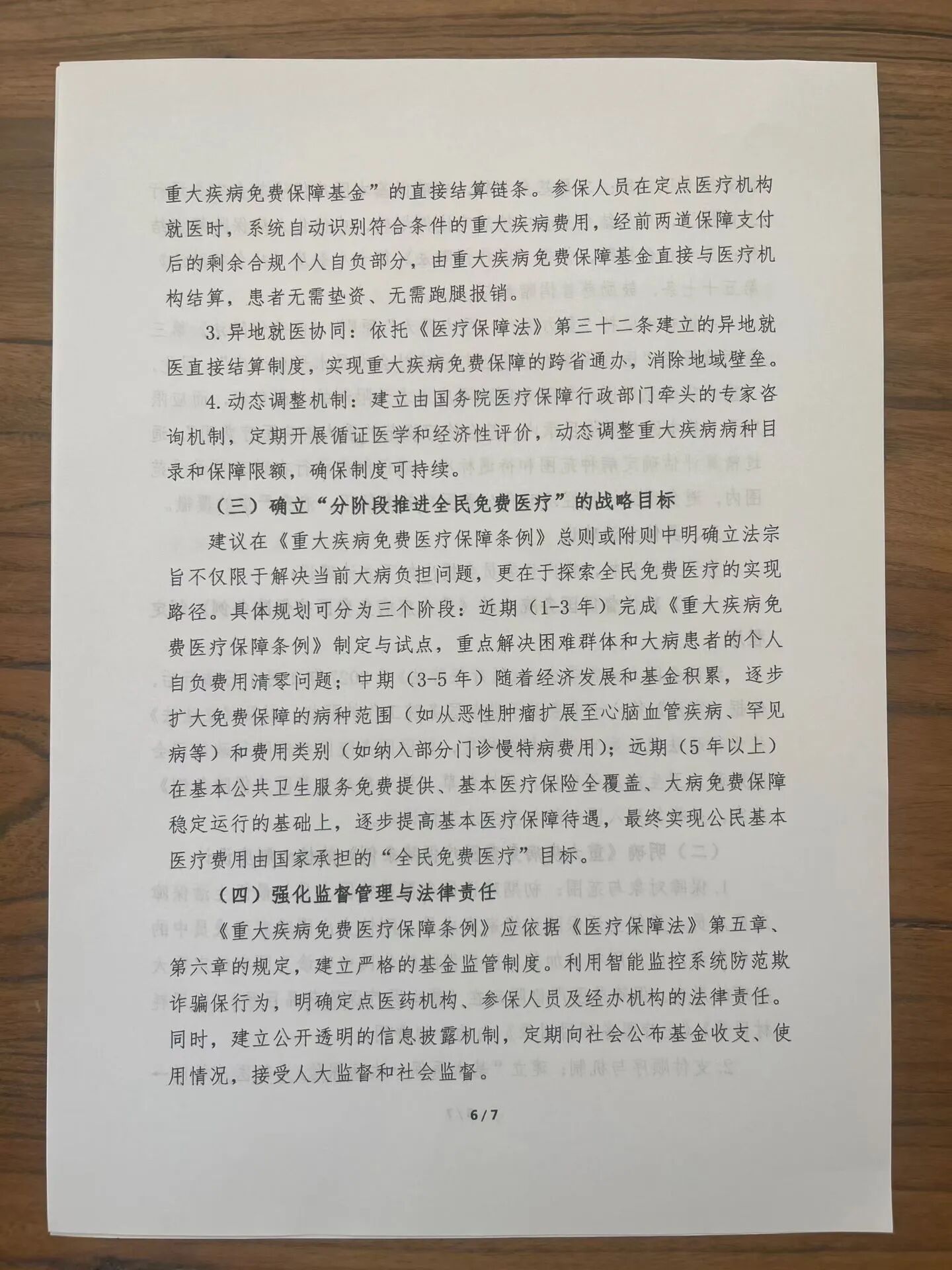
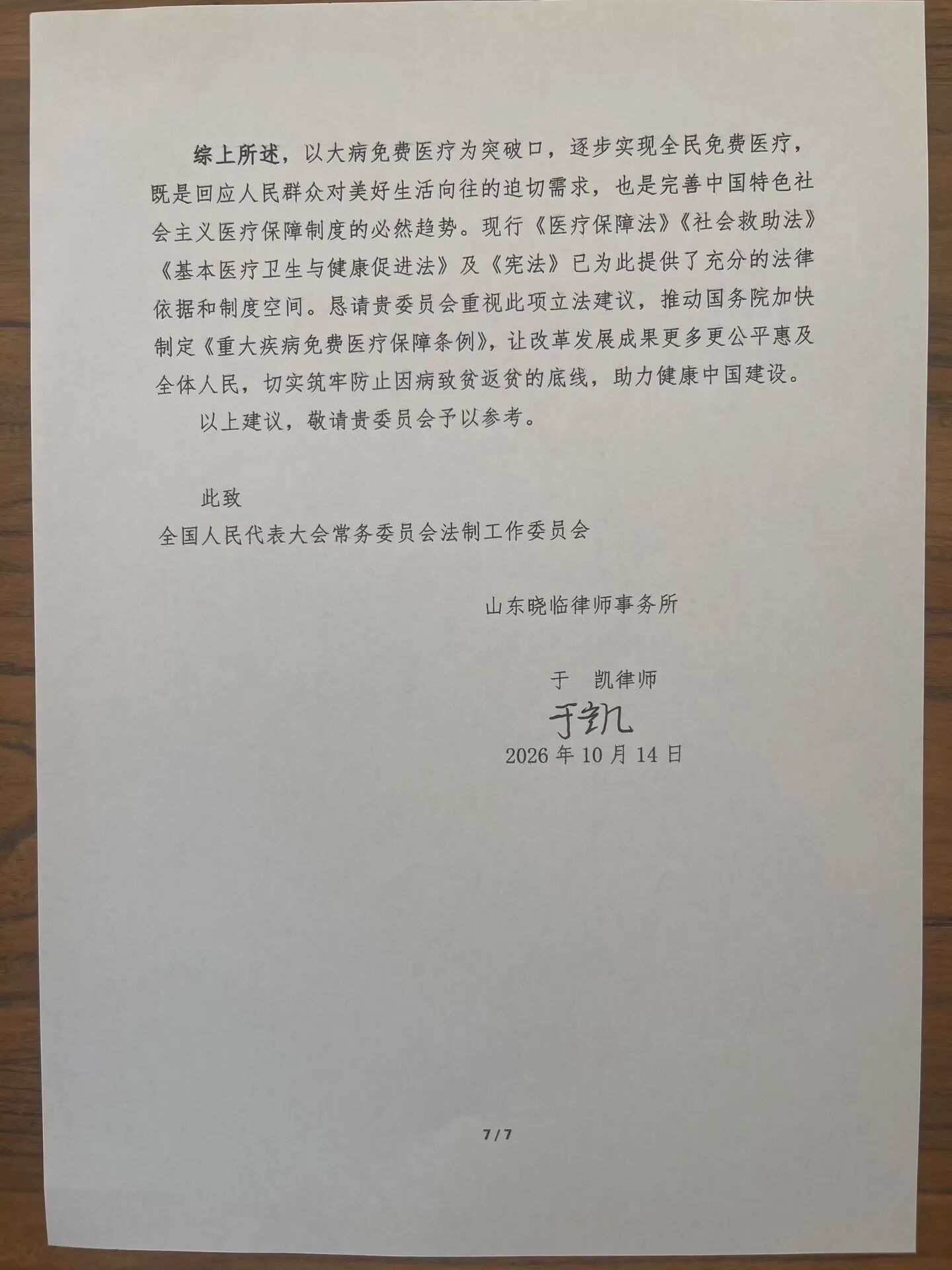
In addition to three statements on criminal law offences, he had a fourth legislative proposal to reach out to the vast countryside, calling for hundreds of millions of rural elders, and to improve the system of farmers ' pensions, so that the bottom-up population could spend an additional portion of their lives in the later years.
On the one hand, the boundaries of criminal power are bound, on the other hand, the livelihood of ordinary people. Four statements were also based on a simple vision of the rule of law: public power has borders and the rights of ordinary people are guaranteed.
But this ideal has hit a heavy real dilemma.
The most serious dilemma is that of a lawyer who continues to call for a review of the application of the border to the crime of sedition, and eventually falls into the vortex of the crime itself. The loophole he wanted to fix became a storm that fell on himself. He was the architect, builder of the system, and in the eyes of a part of the population he became the troublemaker. Ideas and reality are contrasted here. This is not a dilemma for him alone, but a burden on all those who choose to confront the flaws of the system and adhere to the ideals of the rule of law, which speak out rationally.
Many say that idealism is out of place. But the rule of law itself is bound by idealism. The text of the law was a cold letter, the rule of law, and it was a little bit of a lie on the part of a group of people who were willing to look to fairness and dare to point out defects. Criticism of the deviations in the operation of the law does not amount to a denial of the law; It was precisely in the hope that the law would be more stable and more just that the loopholes in the system were pointed out.
He didn't shut up for the price. Even in difficult circumstances, four recommendations were his mark, step by step. This commitment, undeterred, stems from the belief of a legal person that the monitoring of words is an act that is permitted within the framework of the rule of law. Silence is easy and makes a sound difficult; Ming Jing is simple and has to pay a great price to keep his heart.
The story of Yu Kai shows us that the idealism of the rule of law has never been a romantic illusion hanging in the air. It is guided by a desire for good governance of good law, while facing the dilemma of being ununderstood and at risk.
The times need practical implementers and idealists. Their voices, perhaps weak or difficult, are reminding us of the direction in which the rule of law is supposed to be: good law is clear, rights are secure, and everyone should be free from uncertainty under clear rules.
He stands by the rule of law, which we all share.
Original source
- Original title
- 于凯的四次建言,映照出一个法治理想主义者的困境与追求
- Original author
- 镡佐龙
- Source account / outlet
- 微信公众号“老镡讲故事”
- Originally published
- 2026-10-25 08:39
- Content treatment
- Republished
- Original article
- View original ↗
- Published by China Focus
- 会员发布
Article discussion
Verified members can discuss this report publicly and manage their own content.
Checking member sign-in status…