独立中文资讯平台
SECTION

World

Tracking transnational repression, diplomatic pressure, human-rights controversies and security risks arising from the overseas reach of Chinese Communist Party power, together with responses and accountability efforts by governments, parliaments, courts and international institutions.

Latest articles

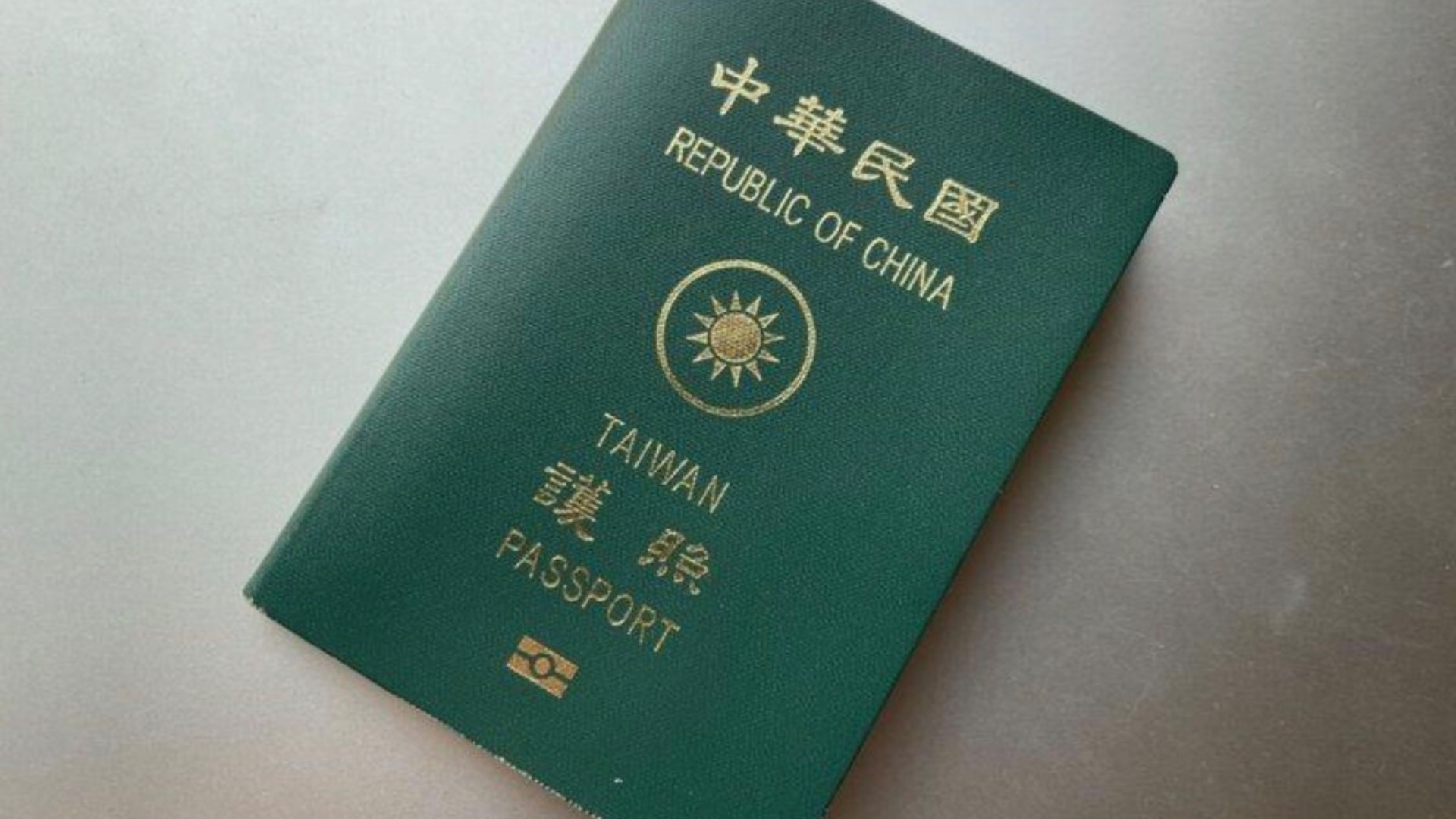
Uganda seizes Taiwan passports and demands “Chinese passports”: Beijing is turning “one-China principle” into cross-border administrative repression
国际关注

Uganda seizes Taiwan passports and demands “Chinese passports”: Beijing is turning “one-China principle” into cross-border administrative repression

Ugandan immigration officials have recently continuously detained Taiwan passengers' passports, and asked some travelers to present Chinese passports for entry. Taiwan's Foreign Ministry confirmed on August 20 that the full number of passports had been issued. Beijing's State Department not only did not cut this practice before, but instead used the "one-China principle" as its political backbone, so that the Chinese Communist Party pressured Taiwan further into third-country border enforcement law.

聚焦中国编辑部 · 21/08/2026


国际关注

Building a global anti-transnational repression network of $3 million: U.S. pushes law enforcement collaboration from human rights reports to overseas pursuit of authoritative nations

The U.S. Department of Democracy, Human Rights and Labor’s Global Coalition for the Suppression of Transnational Affairs (GAAA) project ended on August 12 with a total funding of $2.96 million. The project requires governments, law enforcement agencies and civil society to establish transnational collaboration, information sharing and training mechanisms, and the threat of overseas dissidents is entering the institutionalized law enforcement response phase.

聚焦中国编辑部 · 13/08/2026
Taiwan begins to establish a “victim list” for transnational repression by the CPC: police actively contact high-risk persons, criminal law amendments are on the agenda
国际关注

Taiwan begins to establish a “victim list” for transnational repression by the CPC: police actively contact high-risk persons, criminal law amendments are on the agenda

On August 11, Taiwan’s executive house pushed for legal countermeasures against China’s multinational repression, focusing on revising the criminal law, establishing a list of potential victims and an immediate alert mechanism. Li Mingxi, a human rights activist who had been detained in China, confirmed that Taiwan’s police had actively established contact with him. Beijing’s actions against foreign dissidents are shifting from human rights issues to law enforcement issues in a democratic country.

聚焦中国编辑部 · 11/08/2026
国际关注

The U.S. military does not withdraw "roots" in Asia: the first island chain rejection system accelerated, and the Chinese Communist Party's expansion of space was systematically crushed

From Manila to Jakarta, Bangkok and Phnom Penh, the United States is connecting allies, bases, logistics and rejection capabilities into regional security networks.For China, the real danger is no longer a visit by a senior U.S. official, but the first island chain is turning from a geographical concept to a real defense line against China’s military expansion.

聚焦中国编辑部 · 10/08/2026
A month after self-immolation, protests have not ended: Loga’s death is pushing Tibet back into international public space.
国际关注

A month after self-immolation, protests have not ended: Loga’s death is pushing Tibet back into international public space.

A month after Tibetan activist Loga Zhenzhen burned himself outside the United Nations headquarters in New York on July 2, Tibetan communities in Delhi and other parts of India continued to hold commemorative and protest activities.A new round of action released on August 8 showed that the death did not stop as a personal tragedy, but continued to turn into international protests against China's National Unity and Progress Promotion Act and Tibetan policy.

聚焦中国编辑部 · 09/08/2026
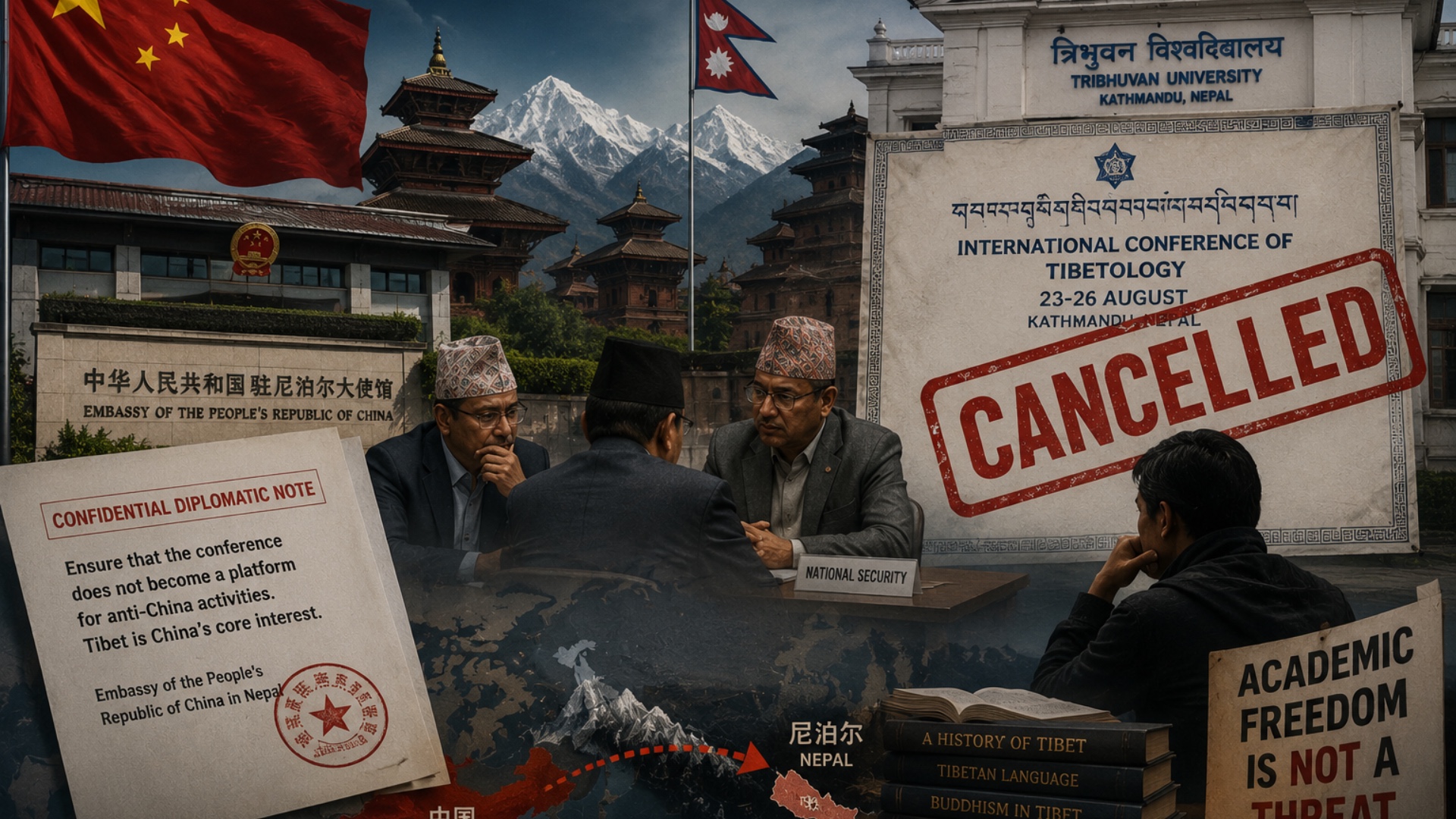
How a Tibetan conference disappeared: Beijing expressed concerns, Nepalese security agencies did not object, and the top government eventually stopped
国际关注

How a Tibetan conference disappeared: Beijing expressed concerns, Nepalese security agencies did not object, and the top government eventually stopped

The International Tibetan Conference, originally scheduled to be held in Nepal from 23 to 26 August, was cancelled. Prior to the meeting, the Chinese Embassy in Nepal had expressed concerns about the event, while the Associated Press had recently confirmed that the request for cancellation had come from Nepali government officials. An academic conference thus became the latest case of how the Beijing political red line has crossed national borders to affect the public space of other countries.

聚焦中国编辑部 · 08/08/2026