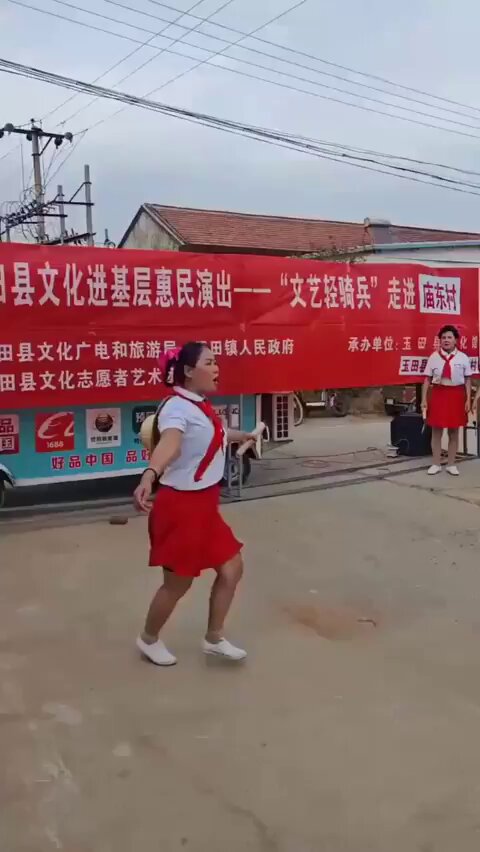
A line of white shirts, red skirts, red scarfs around the neck, and a sickle with red cloth in its hand. A video was shown in a village in Hebei Jade County, where the visual symbols of the Communist Party Revolution were brought together in the same dance. The performance banners, “Cultural in Okeda County and the Guangcheng in the Basics”, were written and included in the financial assistance the Department of Cultural and General Electricity and Tourism in Okeda County and the People's Government of Okeda Town.
This is not a nostalgia show that happens to be at a private party. The Tangshan Brigade has previously announced a programme of activities that includes the “Language and Light Cavalry” of Okada County to enter the community, culture and grass-roots level. Local governments bring literature to villages as part of public cultural services; The choice of what kind of programming and the history of the show to the rural audience is closely related to the direction of the campaign.
People in the picture are dancing, people are watching. The video itself does not indicate which historical policy the dancers are in favour of. But red scarfs, sickle knives and a neatly integrated move do belong to the political symbols that are repeatedly used in the Chinese Communist Party revolutionary arts. The stage has regrouped them, the hard work has been replaced by a light melody, and collective action has been a picture of unity, excitement and no differences.
原始来源 · sohu.com唐山文旅:玉田县文化惠民演出安排sohu.com ↗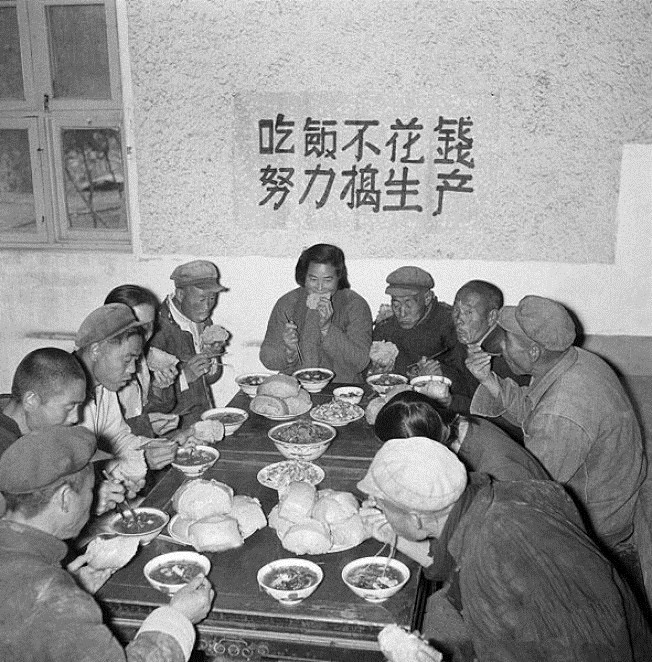
♪ Revolution songs can perform labour but can't pretend to be a disaster ♪
The sickle is a farm tool and part of the CCP emblem. It can be a symbol of workers on stage, but when linked to the official narrative of collective production in the revolutionary era, it can also remind us of the history of the popular community, the great leap forward and the rural political movement of the year.
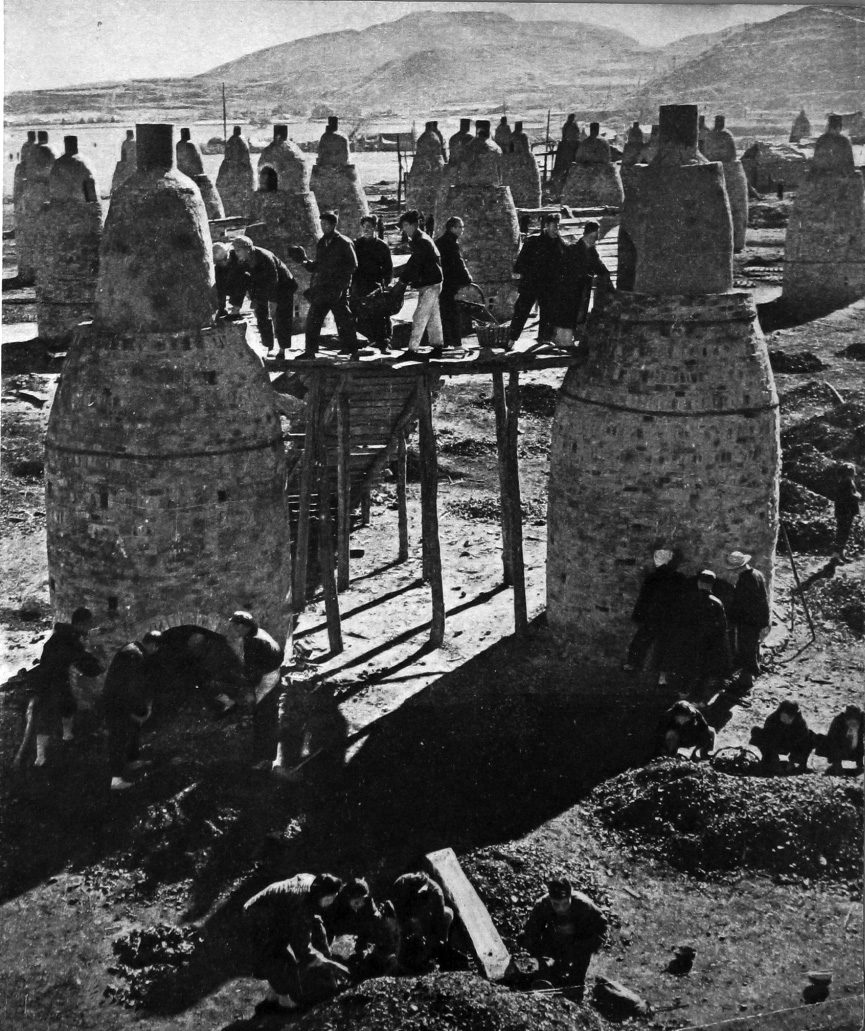
Since 1958, rural China has been rapidly advancing the socialization of the people. Collective production, exaggerated winds, food purchases and severe political discipline were intertwined, followed by massive famine. The 1981 CCP Resolution on Certain Historical Issues of the Party since the Establishment of the Nation recognized that mistakes such as the leap and the popularization have caused great losses to the nation and the people.
The former Xinhua journalist Yang Jibling, in Cemetery: The Great Famine of the 1960s in China, estimates that between 1958 and 1962, some 36 million people died of famine, based on demographics, local materials and interview studies. Different studies have different estimates of the number of deaths, but the devastation caused to rural families by political decision-making and its implementation cannot be removed from history.
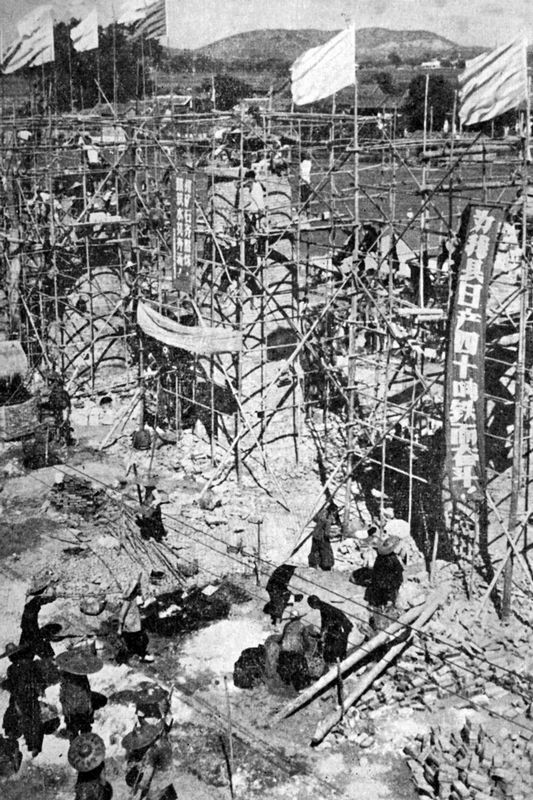
These victims are not on the stage. Red dress and sickle can make young audiences aware of the revolutionary arts side, but they will not tell themselves how farmers lose their productive autonomy during the popular community, how they suffer from food shortages and why some families have not waited for their loved ones to return home.
♪ Who's deciding which age the public will remember ♪
原始来源 · chinadigitaltimes.net中国数字时代:粮票时代怀旧争议chinadigitaltimes.net ↗Official nostalgia programmes repeatedly use beautiful revolutionary images to convey an acceptable historical sentiment. In 2020, the Chinese digital age recorded controversial slogans “A era of food-for-food spending” in which the Chinese people were reminiscent of their food-for-food campaign. For some, food stamps are the mark of life in the young age; For those who have experienced chronic shortages of goods, the food stamps also mean that the ration system is a limitation on daily life.
The video of Okeda County continues a similar historical expression: the old age could be condensed into a happy dance. Programmes organized with local government participation show only one reminiscent aspect of history and should allow the same generation to speak about hunger, recruitment and the other side of political campaigns.
A sickle dance can end the moment the music stops. The history of the People ' s Commune and the Great Famine left to the Chinese families did not end with the show.
Article discussion
Verified members can discuss this report publicly and manage their own content.
Checking member sign-in status…