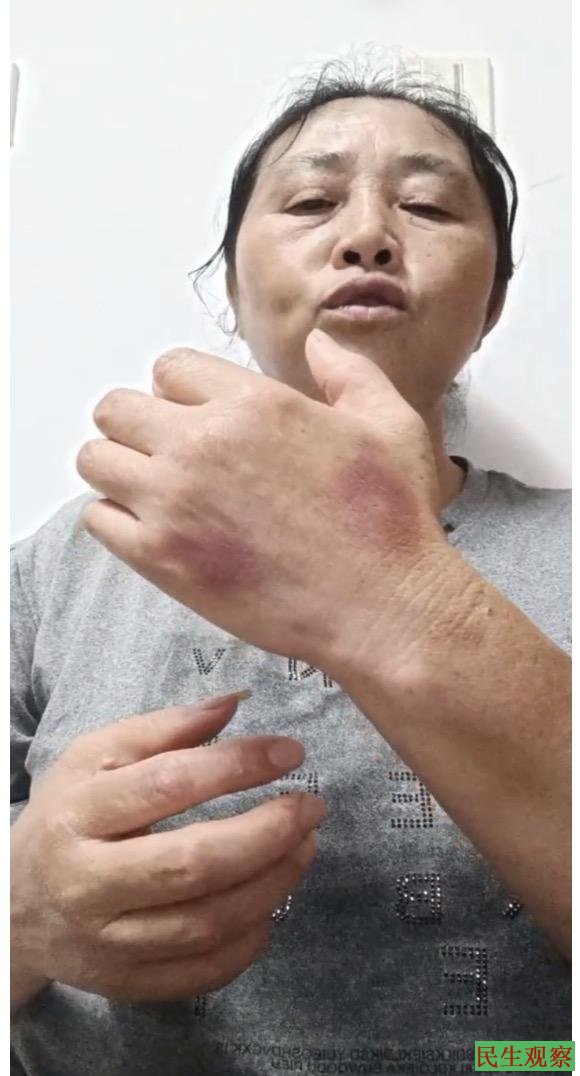
The dispute over the settlement of nearly 200 square metres, which lasted more than 10 years, culminated in a “stable control” operation across the border between Tinless and Beijing. The visit to the Yanbai district of Jiangsususu-sik was accompanied by a continuing complaint that the demolition agreement had not been fulfilled and that, upon arrival at Beijing Nan station on 28 June 2026, the local staff member was taken away from the site and returned to the city the following day. Even more ironic, when she had reported her detention, beatings and property to the police, the Beijing police had not opened a case on the grounds of “government visits and return”, a decision that the Government of Tondai district subsequently upheld.Human Life Watch, June 30, report.She has been subjected to a house dispute and an interception in Kyoto. A civil dispute that should have been settled around housing settlement has become a political issue for a citizen to travel on his own.
The most poignant details of the incident were not what an official had said, but how power was being transferred between the two cities. Yin Bai said that she had arrived in Kyoto and had been taken to the Kyohua Hotel in the Tondai district, where her mobile phone, identity card and complaint materials had been taken and her body pushed and injured. The 7 July Job Statement from the Tinless side uses another vocabulary: “Render and return” of staff members on the night of 28 June, and “stable control” of sheep to Pointe-Op town on 29 June, during the “full-scale civil law enforcement” process. The document, on the one hand, denies the violations and, on the other, clearly documents the arrangements for the head of the team ' s letter visit to Tokyo and for the return of the person from the province to be controlled in his place of origin. The two accounts conflicted over the existence of violence, but the public officials organized the operation, which was not a story that the white sister had told in vain.
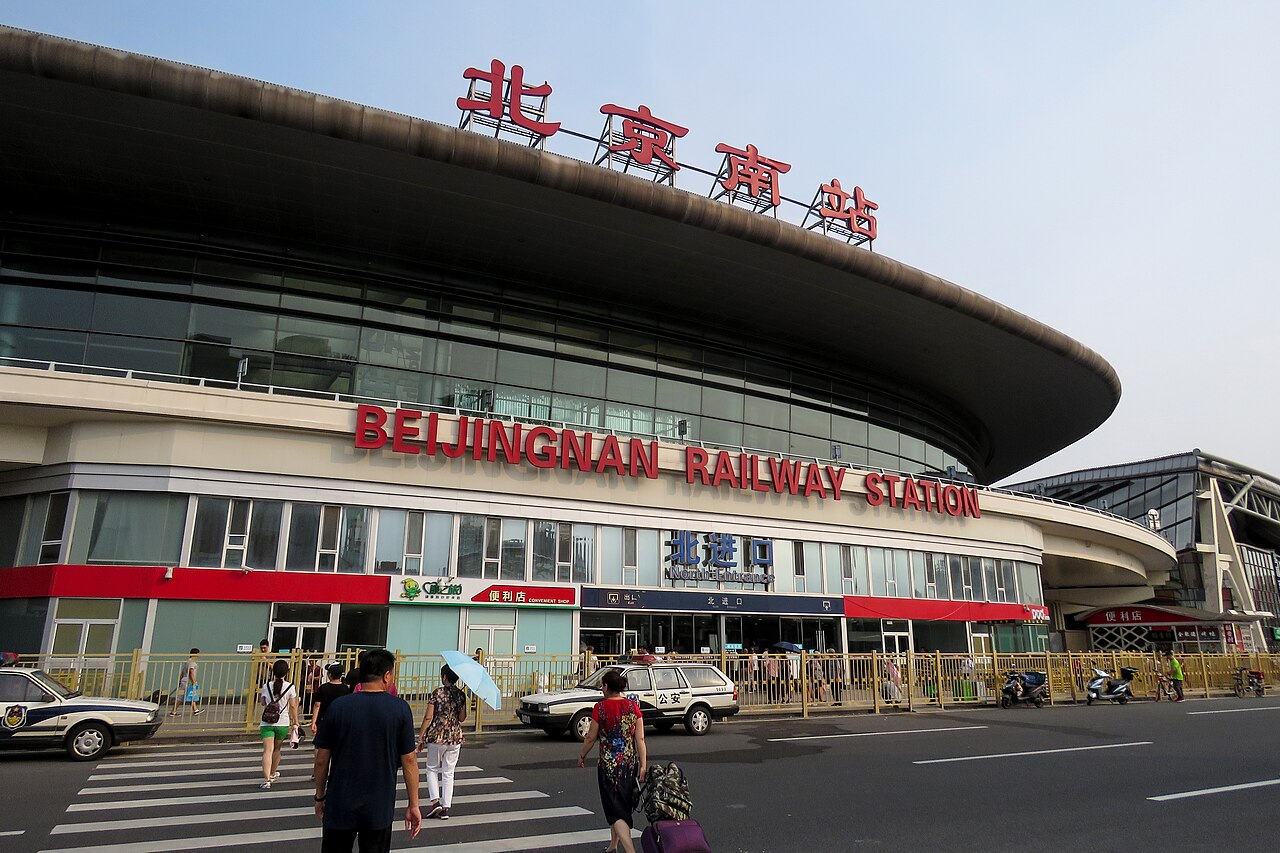
What is really worth discovering is who changed their identity by the word “interview”. The Yin Bai sister has been asking for over a decade about the unfulfilled demolition and resettlement commitments of the village and town sectors; She took the issue to Beijing, hoping to find a response beyond local interests. The person who asked the question could be redefined as a risk to be addressed in the Kyoto stabilization system, and instead her public official was taken in the capacity of a “interviewing working group”. The housing issue could thus remain on hold, but the complainant ' s whereabouts must be resolved immediately.Information published by the Network on 15 OctoberThe role is precisely inverted to make clear that the administrative name of the service to the population is used to describe the cross-regional control of the population.
She did not accept such an arrangement. On her return to No Tin, Yin Bai reported to Beijing for police and written information. On 8 July, PSfung Tai gave notice of the failure to file a complaint (2026) No. 50241 against Kyo Gyeong-dong (Great); On 29 September, the Government of the Tondai District maintained its processing in Administrative Review Decision No. 4654 (2026).Follow-up report from Human Life Watch on October 14th.Both decisions and the Sino-Sino Police ' s Statement of Work were placed in the same incident context. Local staff members have taken people back across the province, and the police authorities have included the action in the Government ' s response, which is maintained by the review body. For citizens, the alleged avenues of complaint do not take themselves out of the scope of the complaint, but rather allow for the prior administrative interpretation to be confirmed on a hierarchical basis.
This is not a misunderstanding, but rather a system-driven misunderstanding of the CCP model. (b) Grassroots power may be more afraid of visitors entering the higher-level horizon than of a long-term failure to honour a resettlement commitment; It is easier to be considered a “stability achievement” than to resolve historical disputes in a real way. The Kyoto-based agencies may then move from a local government ' s contact window in the capital to a remote tentacle of local power.Rights Movement's old 2021 record on no tin visitors(b) The cases of local defenders being criminally prosecuted for filming complaints have been left behind; After many years, Yin Bai was still involved in similar regulatory logic. The so-called conflict resolution becomes a harbinger of conflict if the people who are in control of the problem are ultimately placed before the problem is resolved, as the Xi Jinping regime emphasizes.
Nearly 200 square metres of houses were not housed and Yin Bai had been running for more than 10 years without being able to escape the push of the local authorities. At the same time, the Tinless side was able to organize a trip to Kyoto to bring her back to her place of origin as “stable control”; She turned to the Beijing police for help and obtained a decision not to open a case and continued review without changing the outcome. The administrative efficiency of solving the problems of mass housing and the control of the effectiveness of the actions of the visitors have created a diametrical contrast. If local officials treat the prevention of public reaction as a matter of political merit and the citizen ' s recourse as a problem, it is not just the complaint of the white lady, but the right of the ordinary to demand an explanation and a response in the face of power.
Article discussion
Verified members can discuss this report publicly and manage their own content.
Checking member sign-in status…