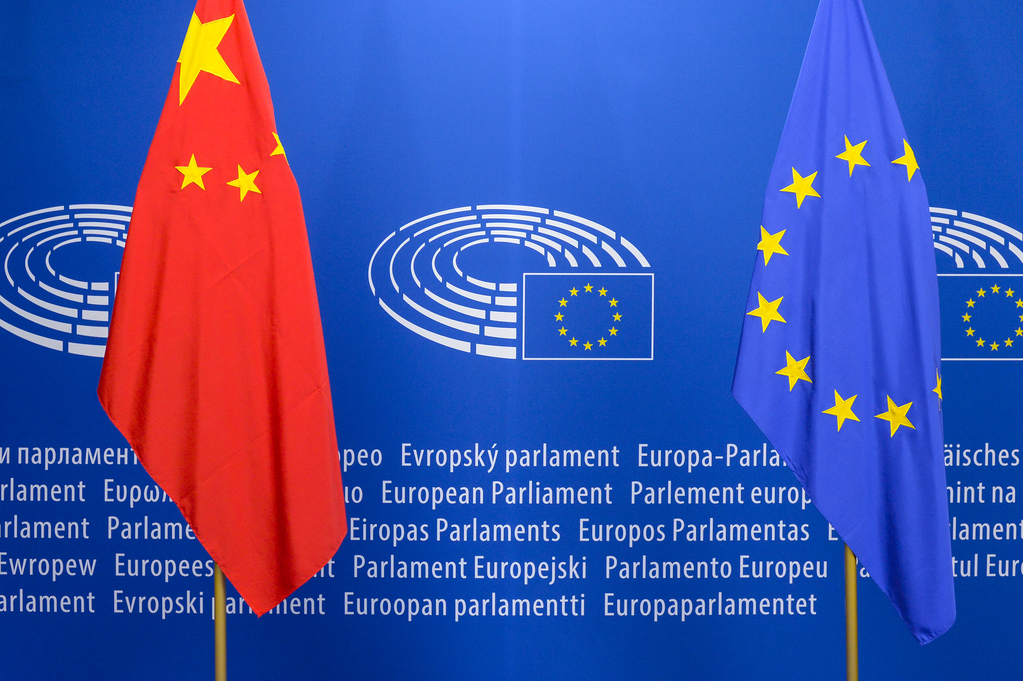
The European Parliament will vote on a new European-Chinese report this week. The Belgian parliamentarian Hilde Vautmans, who is responsible for the report, defines China as the subject of a combination of cooperation, competition and systemic confrontation, but the priorities set out in the report show a clear shift in the political focus in Europe: reducing critical dependency, addressing economic coercion and false information, holding Beijing accountable for its support for the Russian war machine, and integrating Taiwan, Xinjiang, Tibet and transnational intervention into the same security framework.
This report is not in itself a directly binding EU law but the European Parliament's political texts tend to reflect in advance where policy consensus is moving. Ten years ago, the European strategy for China remained centred on market access, investment and climate cooperation; Today, the key words of the same relationship have become supply chains, espionage, mixed threats, dual-use technologies and economic security.

The most substantial change for Beijing is not how tough the European parliamentarians used the language, but the issue of fragmentation in the past is being incorporated into a holistic judgement. China ' s subsidies and dumping of enterprises are no longer a trade dispute; Key minerals and batteries dependence is no longer an industry cost; Nor are the activities that affect the political and information environment in Europe merely diplomatic friction. They are increasingly understood as the same kind of extension of national capacity in different areas.
In particular, the report calls on China to stop supporting Russia's war against the Soviet Union. Europe had hoped to promote a “constructive role” for China in the war between Russia and Ukraine by maintaining high-level communication with Beijing; However, with China ' s continued controversial support for Russian trade, dual-use items and diplomacy, this expectation is giving way to a sense of responsibility. If Europe finally turns its relations with Russia as part of its own security policy, it will be difficult for Beijing to cut the ties between China and Russia in full and to Central Europe in the future.
Taiwan is also another major line of re-ordering this strategy. The report advocates greater cooperation between Europe and Taiwan, Japan and Korea, and continues to oppose the use of force to change the status quo in the Taiwan Strait. The issue of Taiwan has been often viewed by European countries as a distant issue of Asian security in the past; The semiconductor supply chain, shipping routes and competition between China and the United States now directly capture the Taiwan Strait risk in the European economic security calculations.
The issue of human rights has likewise not been removed from the “realistic” policy. The report lists forced labour, Tibetan boarding schools and other rights issues in Xinjiang alongside trade, investment and political relations. This is important because Beijing has long tried to limit human rights to symbolic diplomacy, while at the same time demanding that European business and government separate business cooperation from political criticism. The European Parliament is promoting the opposite logic: human rights are in themselves economic and security issues when forced labour, surveillance and political oppression enter supply chains and cross-border governance.
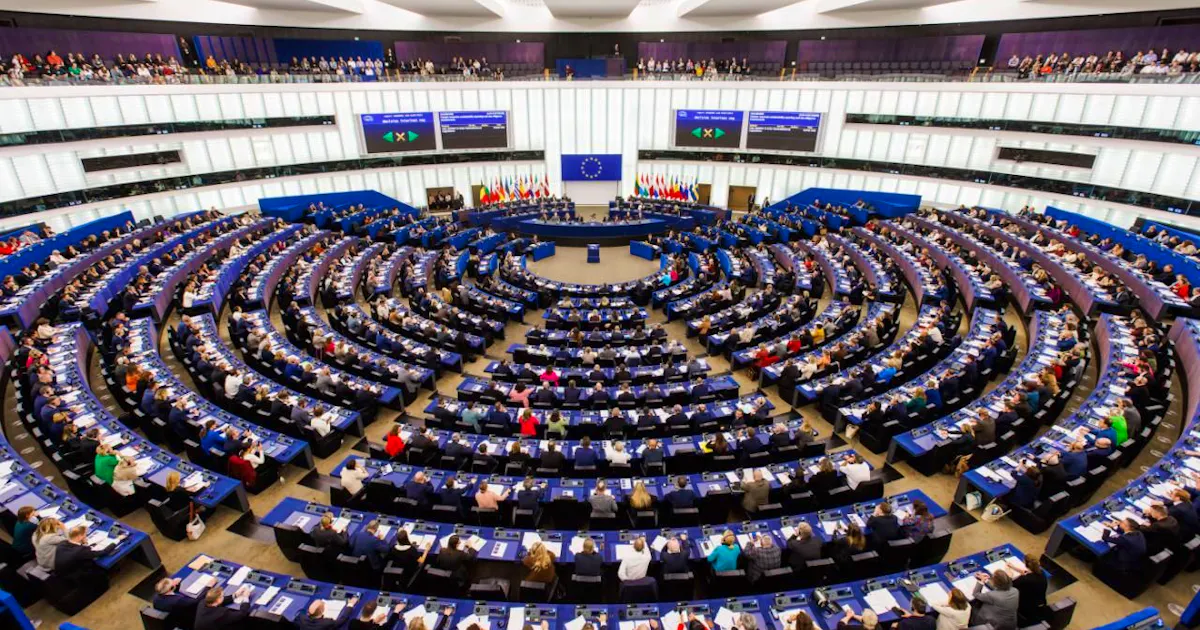
Europe is still not simply delinked from China. China remains an inescapable participant in a huge market, manufacturing base and global climate policy. What really changed was the way in which risk was distributed: Europe had in the past been willing to expand economic connectivity and then assume that political differences could be managed; It is now increasingly demanding that the assessment of dependency, skills drain and political leverage be undertaken before cooperation.
That is the most noteworthy place for this report. Europe has not found a unified and thorough “China policy” and there are still differences of interest between member countries, but “no longer can trade and trade cooperation be counted separately from the power of Beijing” is becoming a new bottom line. For the CPC, this means that the space that used to depend on the division of political positions by the interests of the European internal market is shrinking; For Europe, the real test is whether these parliamentary languages can be translated into policies that are consistent and consistent and that are not empty from short-term commercial pressures.
Article discussion
Verified members can discuss this report publicly and manage their own content.
Checking member sign-in status…