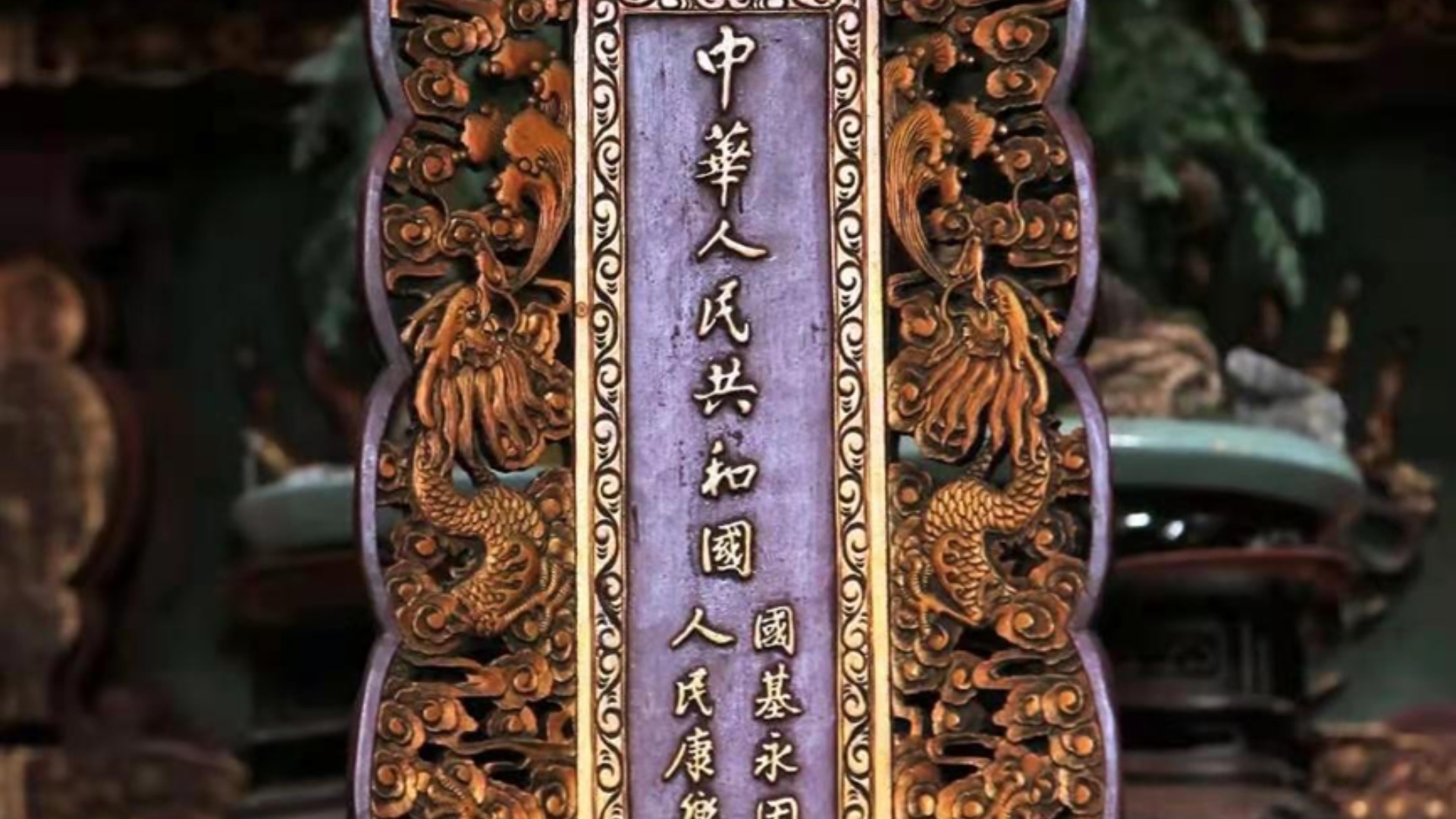
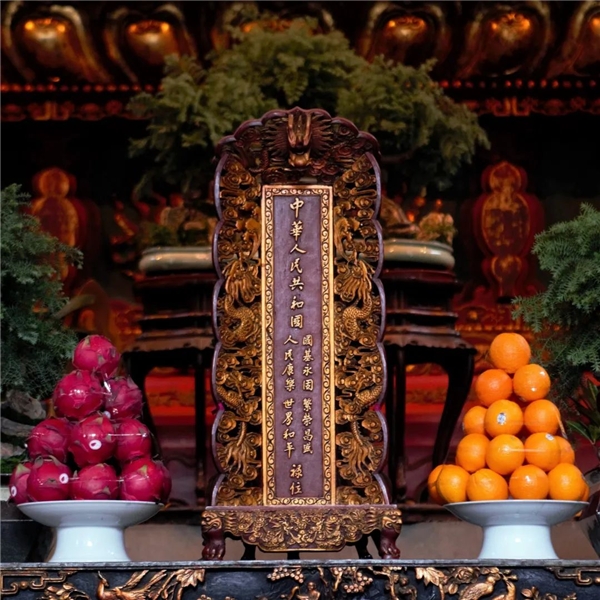
On 9 November, a video was distributed on the overseas social platform X, which was taken at the Hangzhou Temple of Invisible. The images show a wooden table in front of the Ligoronni Buddha in the middle of the supply table, with the words “PRC”. The video sparked discussions among netizens about the ideology of the Chinese Communist Party ' s atheistic ideology and the politicization of monasteries. Further access to official information on the Temple of the Visible found that the tablet had been in the hands of the Buddhist authorities for over 70 years and that the Temple would not only publicly explain its history but would also be used as a link to pro-communist leadership.
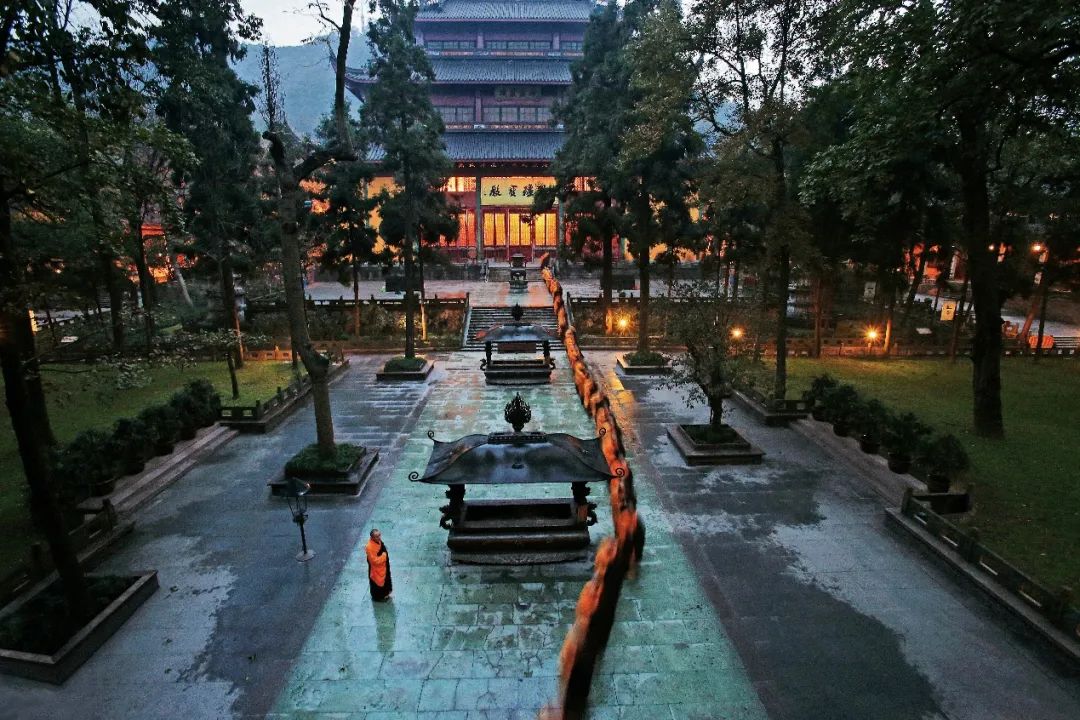
A ruling party based on Marxist atheistic ideology, which explicitly prohibits its members from practising religion, demands Buddhist monasteries to uphold their political leadership. The Temple of the Invisible, which has been in its position for many years, is a concrete case of observing the relationship between the Chinese party system and religious beliefs.
"The Rhode of the Republic" before the Buddha: From the State to the political expression
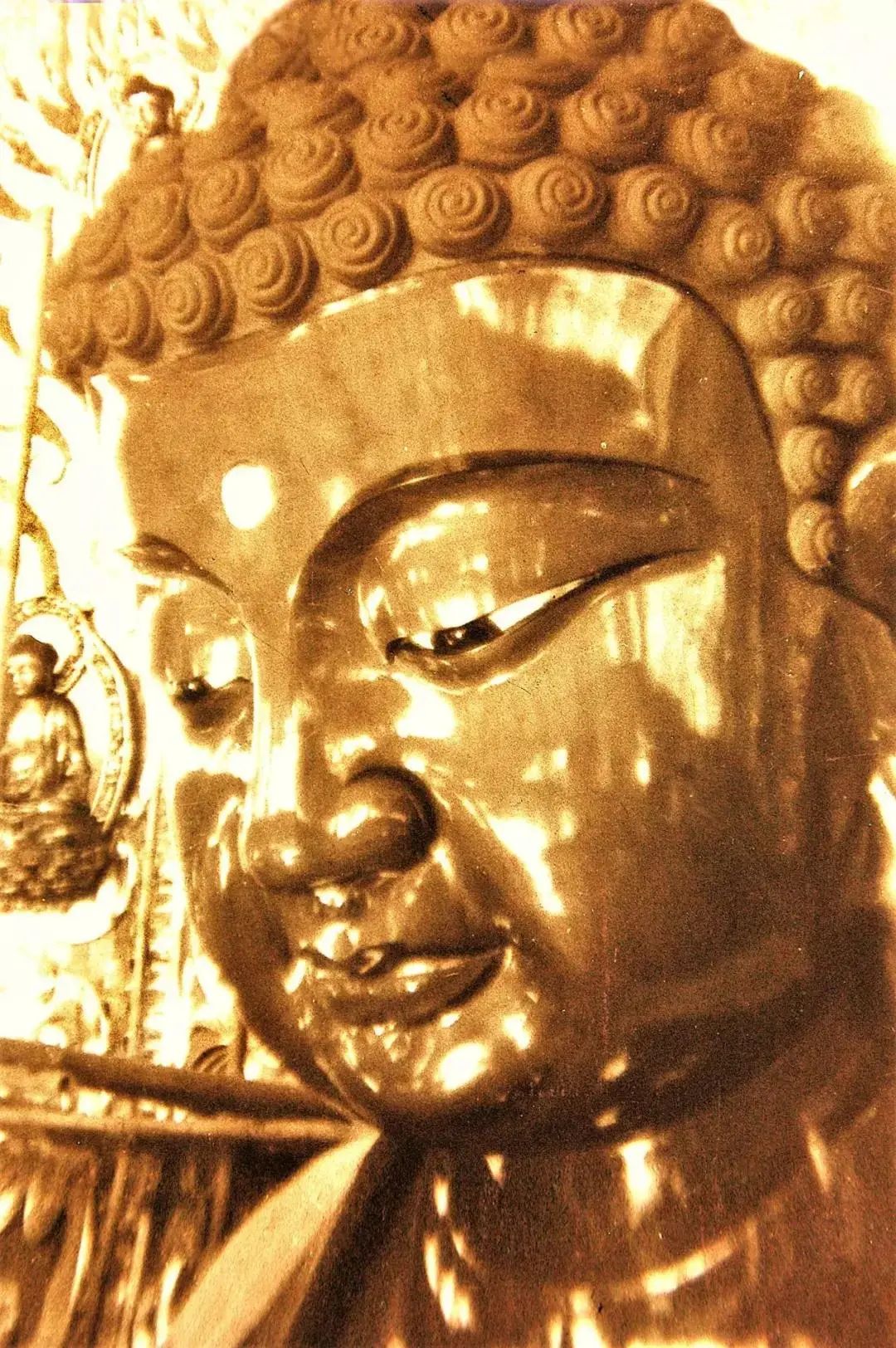
The Hangzhou Temple of Invisible was founded in 326 A.D. and is one of China ' s famous Buddhist temples.
According to the National Legion of the Encounter of the Enlightenment of the Enlightenment of the Enlightenment of the Enlightenment of the Enlightenment of the Enlightenment of the Enlightenment of the Enlightenment of the Enlightenment, published on 29 June 2021 on the official site of the Visible Temple, Zhou En came in 1953 to instruct the rehabilitation of the old and incompetent Visible Temple, and the central and local authorities subsequently allocated funds and construction materials. In April 1955, the restoration of the palace of Tai Yu was completed.
原始来源 · lingyinsi.com杭州灵隐寺官方记录:大雄宝殿的国运禄位寺方2021年6月29日文章,讲述牌位历史、2019年高层考察和相关政治表述。lingyinsi.com ↗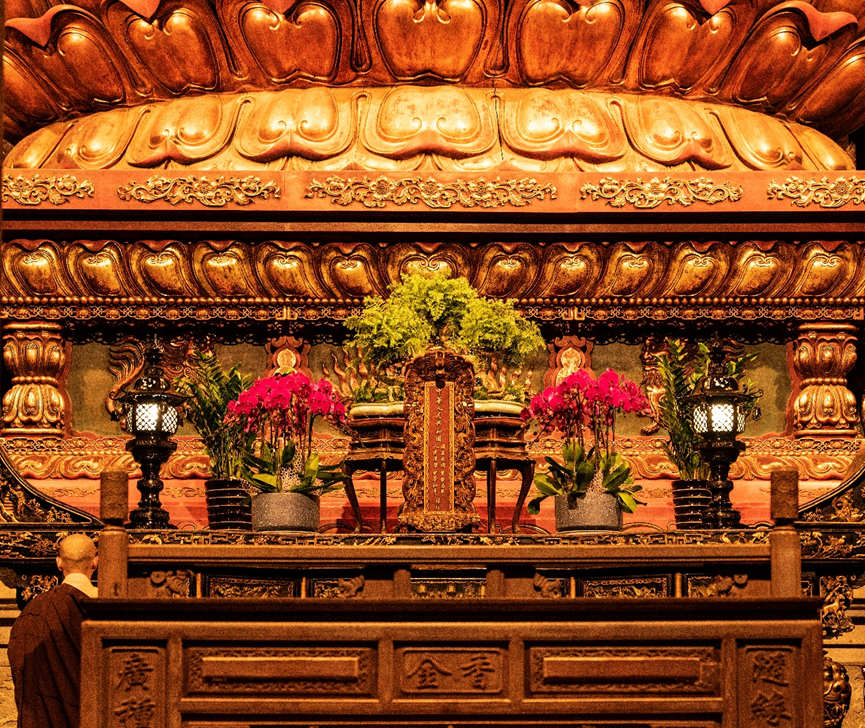
The Temple has recorded that the late Abbot, in expressing gratitude to the Government for allocating funds to the Temple, set up a wooden columbing position in front of the Temple of Peng, with the People's Republic of China as its main subject, praying for the prosperity of the country and the well-being of its people.
This could have been understood as the religious act of praying for the State and of loving the Lord in the Buddhist tradition. However, in the political propaganda that followed the Temple of the Visible, the place was given a meaning beyond traditional Buddhist prayers.
In 2021, the Temple of the Visible explicitly linked the development of the monastery to the leadership of the Communist Party, emphasizing “behave and go with the party”, and considered this political position an important guarantee for the development of the Buddhist cause.
This article, published on the centennial of the Communist Party of China, is not just about the history of the monasteries, but about political acceptance of the Communist leaders through the Buddhist front.
The concept of the State and political parties is originally different. Nor is it the same as a political allegiance to a ruling party to be blessed for its country and people. But in the official narrative of the Temple of the Visible, the two are closely linked.
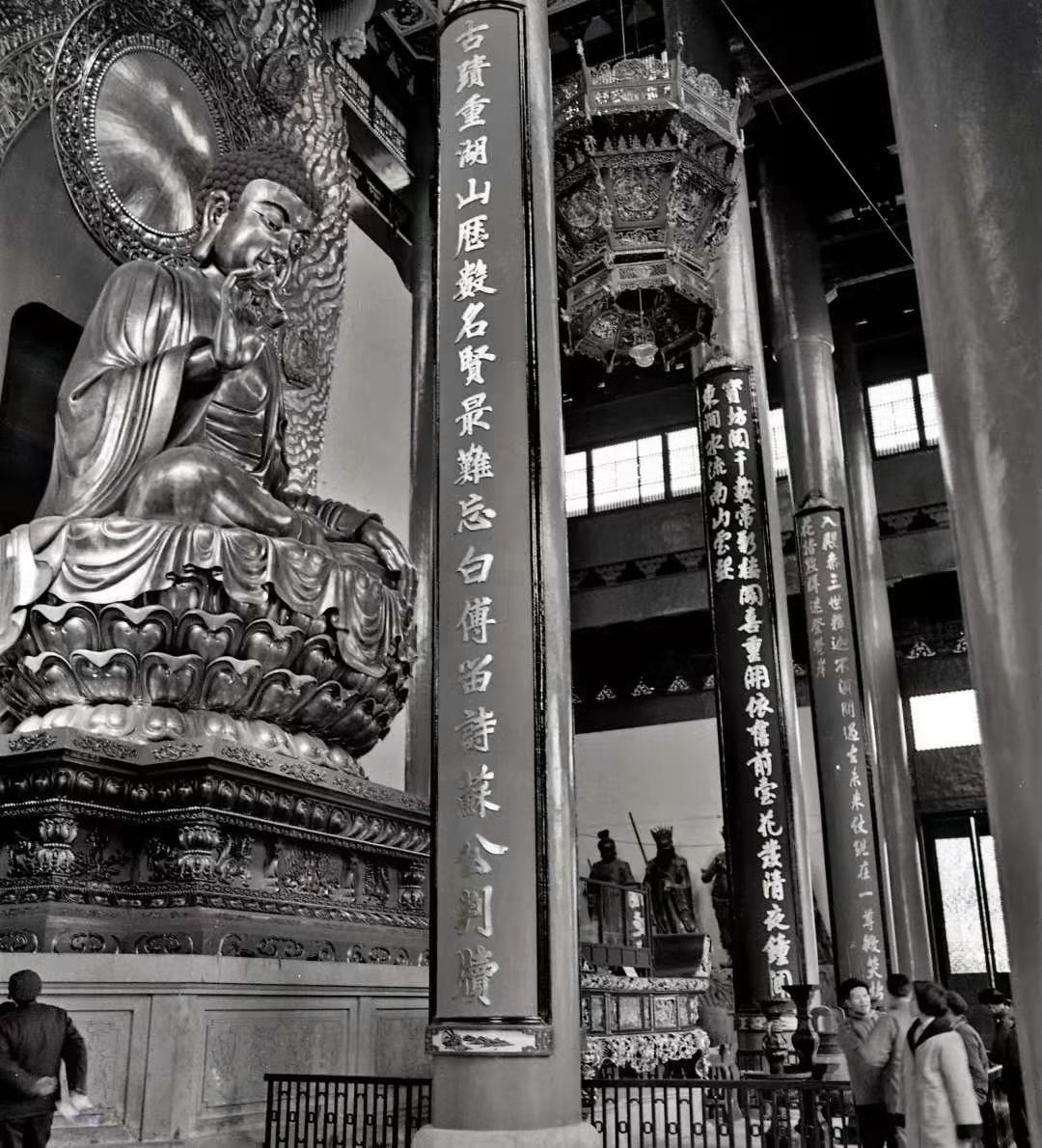
The high-level Chinese Communist Party publicly confirmed that the politicization of monasteries was institutionally supported
The National Locator of the Temple of the Visible is not a historical display that is reserved only within the Temple itself.
On 25 October 2019, then Chairman of the National Political Consultative Council, Wangyang, visited the Hangzhou Temple of Invisible. According to official Monk ' s 2021 articles, Wangyang, after seeing this tablet, acknowledged the State ' s memory of the monastery and its blessing, and hoped that the Buddhist community in Hangzhou would continue to develop a spirit of patriotism.
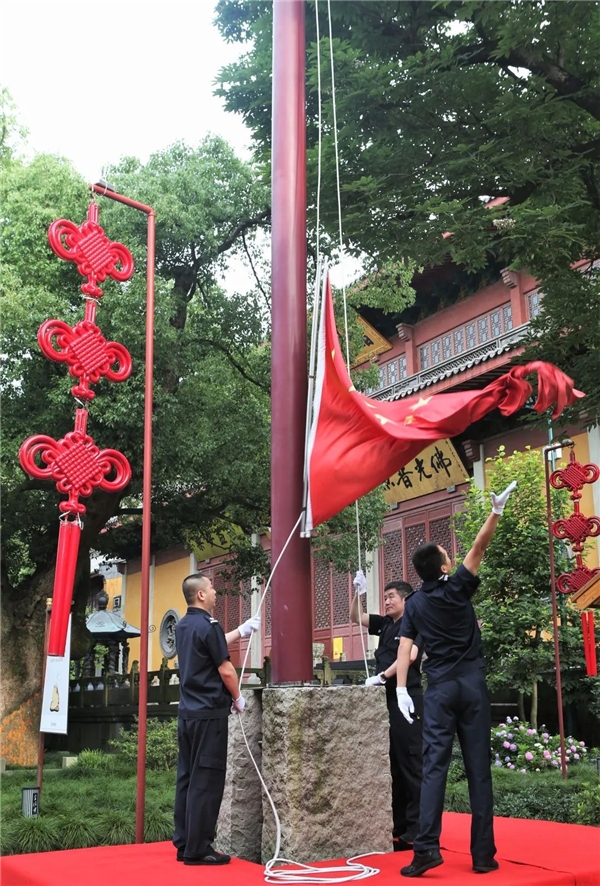
On 2 June 2020, the Temple of the Visible resumed its opening after the outbreak had been prevented, and a prayer ceremony and a flag raising campaign were held. The following public photographs and reports by the Temple revealed that the central supply station of the Tai Yu Palace continued to hold the penthouse of the People ' s Republic of China.
原始来源 · lingyinsi.org灵隐寺2020年恢复开放与禄位照片2020年6月2日祈福仪式及升旗活动的寺方公开记录。lingyinsi.org ↗From the creation of the tablet in the 1950s to the recognition of senior officials of the Chinese Communist Party in 2019 and to the centennial political propaganda of 2021, the card has been used for the construction of the Party, and its political symbolism has grown in various stages of history.
And this change is Xi Jinping The policy of religious Chineseization that has been pursued since the beginning of the regime has been echoed.
In April 2016, the government announced the following: Xi Jinping The National Conference on Religious Work stressed the need to maintain party leadership of religious work, consolidate the position of the Communist Party of China in power and actively guide religion to socialist society.
原始来源 · cpc.people.com.cn习近平2016年全国宗教工作会议讲话2016年4月习近平在全国宗教工作会议上强调坚持党的宗教工作领导。cpc.people.com.cn ↗The Act on the Management of Places of Religious Activity, which was implemented on 1 September 2023, further incorporates this political requirement into the departmental regulations.
原始来源 · moj.gov.cn司法部:《宗教活动场所管理办法》国家宗教事务局第19号令,第三条明确对宗教场所的政治要求。moj.gov.cn ↗Article 3 of the scheme specifies that The places of worship must be held under the Communist Party of China and the socialist system, and must be implemented. Xi Jinping The new era of Chinese-style socialistism, which has maintained the Chinese-style orientation of our religion.
This means that monasteries, monasteries, mosques and churches in China are governed not only by general administrative regulations, but also by political positions that must be met by the ruling party.
Party members are not religious, but they demand that religious places obey party leaders
In contrast to the need for religious sites to embrace the Communist leadership, the Communist Party has severely restricted the religious beliefs of its members.
(a) Article 69 of the Regulations on Disciplinary Action of the Communist Party of China, as amended in 2023, provides that members of religious parties shall be educated in their ideas and require a period of correction; Those who refuse to change can be persuaded to leave the party until they are removed from the party.
In May 2024, the Communist Party Network, sponsored by the Central Organization of the Communist Party of China, further explained the relevant discipline by explicitly requiring party members to adhere to Marxist atheism and not to place their personal values and convictions on religion.
原始来源 · 12371.cn共产党员网:关于党员信仰宗教、搞迷信活动的处分规定党纪学习资料解释党员宗教信仰及迷信活动的纪律规定。12371.cn ↗Some cases of corruption publicly disclosed by the Central Disciplinary Commission do occur when party leaders and cadres set fire to Chambeif, superstitious venom and the delivery of benefits through religious or superstition activities.
These cases reveal the contrast between the personal behaviour of some of the officials of the Communist Party who openly claim to be atheists, who rely on religion or superstition in private.
However, religious beliefs are not the same as feudal superstitions, and ordinary Buddhists carry out religious activities in accordance with the law, and are not equivalent to party cadres violating party discipline.
The deeper contradiction in the matter of the Temple of the Visible is not whether the Communist Party allows ordinary people to worship Buddha, but rather whether the Communist Party demands that party members insist on atheisticism on the one hand, and that religious sites be subjected to political subjugation by the ruling party on the other hand.
In this power relationship, the Communist Party may not accept religious beliefs but demands that religious organizations accept the Communist Party ' s leadership; Religious groups may retain their teachings and rituals, but their organization and public expression must be consistent with the party ' s political path.
Faith belongs to religion, but leadership must belong to the Communist Party. That's exactly what I'm talking about. Xi Jinping The power relations established by the policy of religious governance during the period.
From the millennium to political governance: the space for religious autonomy is squeezed
Chinese Buddhism has a long tradition of praying for the good of the nation, society and the people. The fact that monasteries are used for the purpose of placing the country in a position of refuge does not in itself directly justify the existence of religious persecution.
But there is an important difference between traditional religious prayers and modern political allegiance.
Yes. Xi Jinping During this period, the Communist Party of China not only emphasized the Chineseization of religion, but also applied the principle of party leadership to the daily functioning of religious organizations through the system of management of religious sites, management of teaching staff and political education.
The monasteries are no longer solely responsible for religious teaching, classical heritage and the service of the faithful, but are also required to perform political propaganda, education on national identity and the implementation of party policies.
The official articles of the Temple of the Visible combine Buddhist philanthropy with Communist leadership, and are a concrete manifestation of this political and religious inter-relationship.
The question is not whether a Buddhist monastery with nearly 1700 history can be blessed by the State, but whether the monastery can decide its own religious activities, interpretations and organization without taking political statements.
While article 36 of the Chinese Constitution provides for freedom of religion and belief, the current system of religious administration requires religious sites to uphold the ruling party and to comply with a number of political and organizational requirements. The institutional tension that has developed between the two directly relates to the autonomous space of religious organizations in China.
From the temple of the Invisible Temple, which was given a state of transport for over 70 years, to Xi Jinping The political leadership and ideology of the party were included in the rules governing religious sites during the period, and the administration of religious affairs by the Communist Party was no longer limited to traditional administration, and went further to the political positions and public expression of religious organizations.
A wooden tablet can be preserved for over 70 years, reflecting a special history of the Temple of the Visible; The temple has publicly demanded “to listen to the party, to go with it”, and Xi Jinping The regime ' s inclusion of political loyalty in the system of religious governance reveals the power constraints that contemporary Chinese religious freedom faces.
Article discussion
Verified members can discuss this report publicly and manage their own content.
Checking member sign-in status…