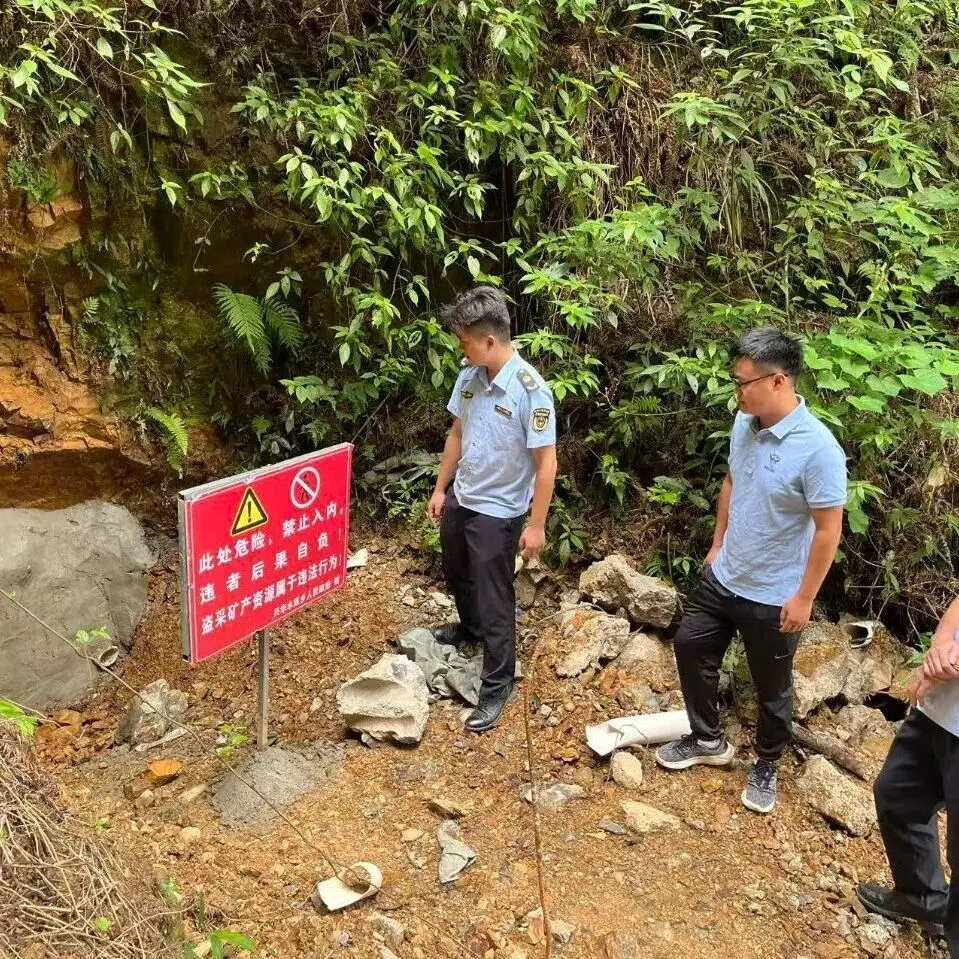
Why is it that people are still organized to mine from a abandoned mine in Chongqingyang?
The incident disclosed on 6 October had a bloody result: seven people had died after being trapped in an abandoned mine near the border between the Hmong Autonomous District of the Yangtze family and Susan County, where water levels had suddenly risen as a result of heavy rainfall. The police then took control of 21 persons associated with illegal mining.
If a mine is “disused”, then it is not just the weather that is really what the accident is about, but who is sending people back under the well.
原始来源 · apnews.comChinese police find 7 dead in an abandoned mine flood and 21 are held for illegal miningapnews.com ↗The word “disused”, contradicts the production chain that still exists under the well
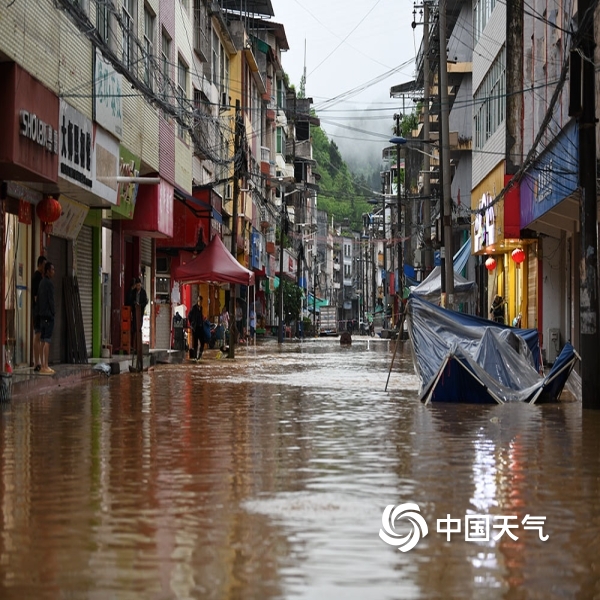
The local police conducted a search after receiving information that people had lost contact, which eventually confirmed the deaths of seven people. The preliminary investigation pointed the direct cause of death to a surge in the water from the mine caused by rainfall, but also made clear that unauthorized mining activities were taking place at the site.
This means that there are at least two causes for the accident: rain explains why people are trapped, but it does not explain why they are in an abandoned mine.
Public reports indicate that some of the dead were nearby villagers, aged between 20 and 50, and that some were routinely transported by vehicles to work. If these details are corroborated by subsequent enforcement materials, it will point to a chain of underground production with jobs, transport, equipment and distribution of revenues, rather than “mining” for a few people temporarily entering the waste mine.
21 people, more importantly, who's running after being controlled
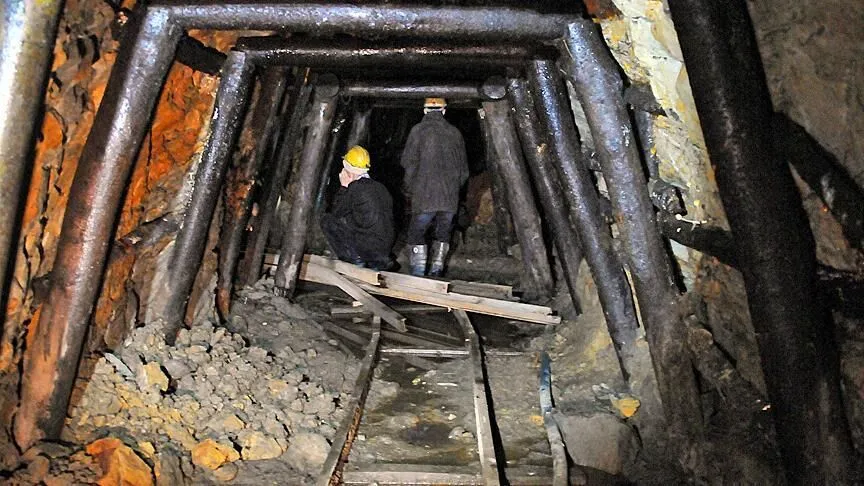
The police control over 21 persons is the beginning of the case, not the end of the chain of responsibility.
A scrap mine requires more than just a few miners to re-establish its productive capacity. Who provides the extraction equipment? Who's arranging the transport? Who's the mine for? Why have long-term operations on the ground not been detected by the townships, natural resources, emergency management and public security systems? If the locals have been on patrol, why didn't they break the chain in the records?
China's mining difficulties have long been reported as a inertia: “illegal miners” are captured quickly after an accident, responsibility is concentrated on the direct operator and the “strengthened screening” is completed. But the real decision whether or not similar accidents recur is how long illicit production can be in local governance networks.
The cheapest part of the story is still the people who went down the well
One realistic condition for the operation of illegal mines is the presence of a labour force at the grass-roots level willing to trade for high-risk cash income. For the villagers in the vicinity, a single downing may mean a day ' s salary; For the organizers, the risk of human life is outsourced to the least able to negotiate.
This is also why the “prohibiting illegal mining” document itself cannot prevent the accident. As long as underground resources are profitable, local employment opportunities are inadequate, or mineral products are marketed, and regulation can be avoided or even acquiesced, abandoned mines may be cut off from official accounts and continue to make money in reality.
What really should be made public is every previous regulatory record of this mine
Seven lives cannot be saved by an “accident notification”. The public needs to know now not what “21 people are under control”, but when the mine is closed, why it is closed, how many patrols have been conducted since, who signed the cut-off, how long the illegal exploitation lasts, where the ores are going, and whether the regulatory authorities are failing or even having a connection.
The Xi Jinping regime has emphasized “safe production accountability” for many years, but in a highly hierarchical administrative system, security is often a political task when a superior check is made, giving way to local interests and security statements after the check is completed.
The seven people who died in the water and who really needed to be dug out were the reasons why a “disused mine” could be re-established as a workplace outside the administrative records.
Article discussion
Verified members can discuss this report publicly and manage their own content.
Checking member sign-in status…