
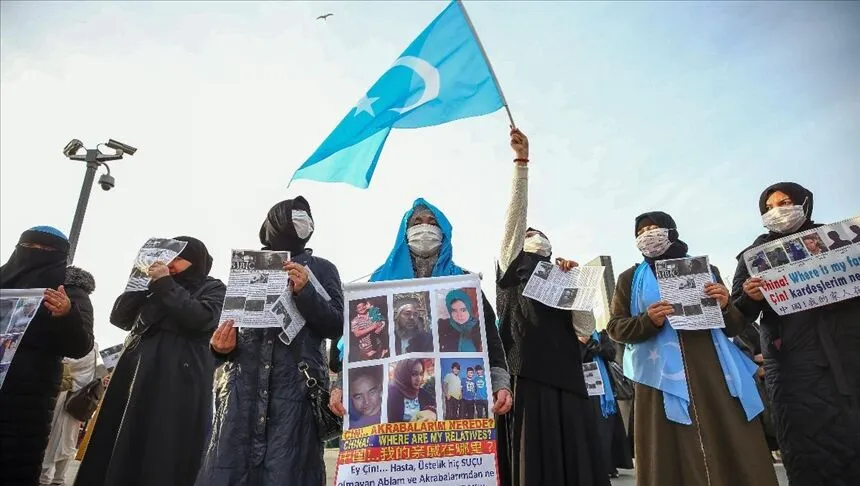
In Turkey, there is a clear power asymmetry in the competition for opinion on Xinjiang. On one hand, the Turkish-language official communication network, consisting of CGTN Türk, Xinhua partners and the Chinese Embassy, is being used to promote the development of the Turkish-language community. On the other hand, exiled Uighur journalists, community media and human rights organizations have attempted to keep track of detention, family missing and pressure abroad. <a href="https://rsf.org/en/node/96139"target = _blank" rel = noopener noreferrer" Data-linked-reference = true" data-reference-label = "Reporters Without Borders" / RSF published on August 19, according to which Beijing is not only expanding local language and institutional channels, but also some Uighur journalists report being subjected to surveillance, digital harassment, personal information collection and pressure on relatives in China. I'm sorry.
原始来源 · rsf.orgRSF:Chinese propaganda in Türkiye is designed to silence Uyghur voicesrsf.org ↗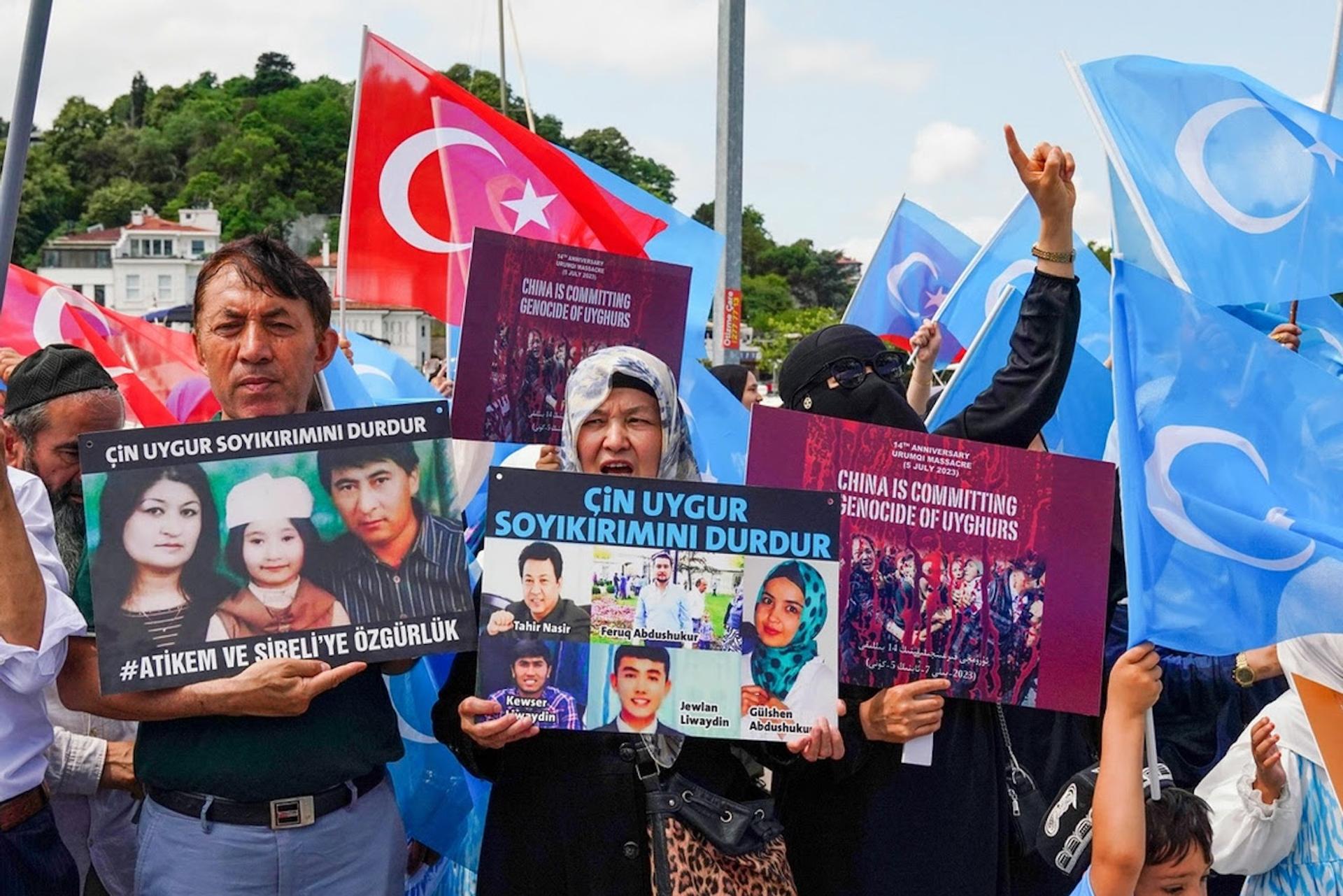
Turkey has a significant Uighur community abroad. RSF cited the Uighur Human Rights Project estimate that some 50,000 Uighurs live there. In the past, linguistic and cultural ties made Turkey an important place of refuge; Today, some journalists and activists are also concerned about their residency status, the risk of repatriation, cyberattacks and the safety of relatives in the country. For them, the issue of voice is not just a matter of media resources, but also of personal security.
The communication network in Beijing is being localized. In 2012, the Chinese-Chinese Publisher and Distribution Agency, in cooperation with the Turkish-Turkuvaz Media Group, launched the Turkish edition, China Today; In 2016, Radio China International opened a Turkish language service, which later developed into CGTN Türk. Since then, Xinhua, China Central Radio and Television (RTC) have continued to establish content exchange and cooperation with the Turkish media.
Anadolu News Agency signed a cooperation agreement with Xinhua in 2018, and TRT also cooperated with the Chinese State media. Open agreements do not in themselves amount to editorial control, but they give Chinese official content a stable access to local news systems, and no longer rely on platforms that are labelled as “official media in China”.
Social media further expand this advantage. RSF statistics state that CGTN Türk, Xinhua Turkish-language accounts and the Chinese Embassy in Turkey continue to publish content on Xinjiang economic development, religious policy and vocational education centres and to refute international media reports on human rights in Xinjiang. Some Turkish journalists were also invited to visit Xinjiang and, upon their return, published positive observations on local life and ethnic relations. Beijing thus holds multiple layers of access to the national media, embassy accounts, cooperative media and journalists.
In contrast to this resource-intensive set of official networks, Istiklal Media Group Vice President Muhammed Ali Atayurt told RSF that some Uighur journalists were subjected to surveillance, cyber harassment, personal information collection and pressure on relatives in China. Whether a particular case is directly under the command of the Chinese Government and needs to be determined on a case-by-case basis by evidence from the police, judicial or communications; But when independent journalists continue to report on security pressures, and the State media expands their channels, public opinion competition no longer stands at the same starting point.
>, a 2026 transnational repression report by Freedom House, which recorded that China remains one of the largest sources of transnational repression in its database, and noted that the Uighur community abroad regularly reports on the use of pressure, surveillance, digital harassment and repatriation by relatives. Risk. The case of Turkey thus links two forces: on the one hand, the State's dissemination of resources and, on the other hand, the security concerns of exiled groups regarding cross-border pressures.
Nor is there only two sets of political slogans in the international record around Xinjiang itself. . The 2022 Xinjiang Assessment of OHCHR found serious human rights violations on the ground and claimed that some of them might constitute crimes against humanity; For its part, the Chinese Government has long denied systematic persecution and emphasized counter-terrorism, de-extremization and development policies. The real question is which side has more channels, partners, embassy resources and communication funds when Turkish audiences are exposed to these conflicting narratives.
The heart of the Turkish case is therefore not an ordinary “media competition”. When a country is able to expand its narratives through official media and cooperation agencies and is recorded as an important source of transnational repression by independent bodies, critics also report pressure on and digital harassment of their relatives, the dissemination of advantages and security pressures can have a multiplier effect.
The impact of Beijing in Turkey cannot be measured by just how many accounts CGTN Türk has or how many agreements Xinhua has signed, but also by whether Uighur journalists on the other side can safely interview, publicly criticize, retain residence status and not allow their families in China to bear the cost. The so-called “multiple information environment” will only exist if critics can sustain their voices without fear.
Article discussion
Verified members can discuss this report publicly and manage their own content.
Checking member sign-in status…