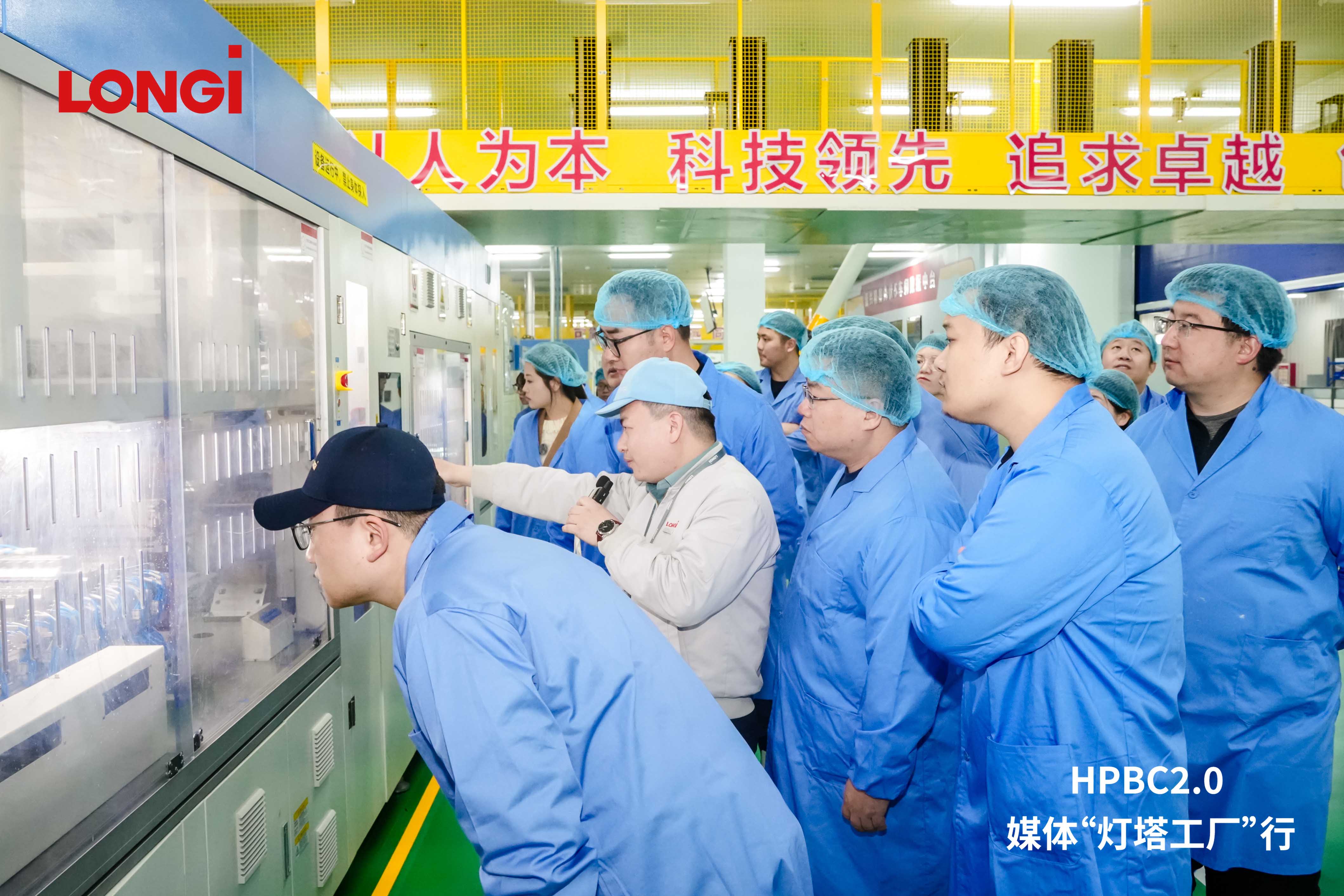
- By the end of 2025, the five China Light Volkswagen giants, which together have so many employees, were in the Lungi Green, Trina, Crystal Energy, Crystal Austrotech and Tungway shares. One year later, the number will be 40,589 more. Reuters, after consulting the disclosure documents of listed companies on 14 October, found that the five enterprises had a 21 per cent decrease in total staff in 2025 alone, compared with a 31 per cent decrease in
- Two years in combination, employment in previously high-growth sectors was close to being cut off.
The boundaries of the figures must be indicated: The number of staff has decreased, not equal to the total of 40,589 people who have been directly laid off. Enterprises may be downsized by contract expiration, natural loss, recruitment freeze or active separation; None of the five companies publicly announced any significant reduction in their staffing during the same period, nor did they respond to Reuters requests for evaluation. But for those who live on the photovoltaic production line, the continued disappearance of the total number of jobs is a more real industrial signal than an enterprise's promotional film.
The world needs more solar energy, and Chinese factories can't afford their original workers
The paradox of the photovoltaic industry is becoming sharper. Energy transformation has led to the growth of solar power, while long-term expansion in Chinese enterprises has resulted in a significant surplus: the capacity available is sufficient to meet about twice the global demand. The price of components is declining and enterprises compete for orders at lower prices, and the more they sell, the less they do not necessarily earn. Based on industry estimates cited by Reuters, the average sales price of components for the five major manufacturers dropped from $350 per kilowatt in 2019 to $130 in 2025; The average pre-tax profit margin deteriorated from negative 8 per cent in 2024 to negative 13 per cent in 2025.
The causal relationship between figures is brutal: price wars reduce profits, losses force enterprises to cut costs, and staff members first feel pressure to control costs. The size of the production, technological upgrading and market share of enterprises cannot automatically be translated into stable jobs for workers.
In introducing its 210 series of super-factory plants, Trina placed particular emphasis on the reduction of the workforce required for each giva production by automation. Automation is not a mistake in itself, but it can increase efficiency and reduce hazardous labour; The problem is that when the industry is constantly building up its capacity by recruiting local firms, financing expansion and policy incentives, skilled jobs are reduced by the excess jobs, and local governments and enterprises do not provide a similarly visible social security narrative for this adjustment.
From Beijing's "Turn Up" to the company's books
In recent years, the Chinese authorities have proposed to control so-called “inner-roll competition” and have tried to stop the disorderly price of enterprises. Polycrystal Silicon manufacturers have tried to integrate and improve pricing in their industries, but have been unsuccessful because of insufficient participation. In 2026, China adjusted its renewable energy electricity pricing mechanism to replace the market-based bid with a partial guarantee of revenue, further reducing expectations for new loads. Jefferies expects to add 150 to 200 GW to the Chinese light volts this year, down from 315 GW recorded in 2025; In the first eight months of this year, the export of photovoltaic batteries and components in China decreased by 10 per cent in relation to the same amount.
Governments encourage competition for global industrial ownership on the one hand, and investment on the other, and require firms to clear themselves when they have excess capacity. This does not absolve the management of enterprises from responsibility for expansional decision-making, but rather demonstrates that local finance, industrial subsidies, access to finance and national industrial objectives have shaped the competition. Ultimately, it is not only investors, but industrial workers, suppliers and local communities that depend on factory taxes that are expected to withstand the adjustment.
Since January 2027, China will implement new energy consumption and component efficiency standards, with the potential to phase out a number of less competitive projects. But standard upgrading does not solve jobs that have been lost, nor does it guarantee that surviving enterprises will stop taking markets at low prices.
If China’s success in the light volts industry is measured only by its global share and installed capacity, the reduction of more than 40,000 people is easily translated into a note for efficiency gains. What really needs to be asked is who is responsible for protecting those who are being pushed out of production lines when the country-driven industrial competition is not fast, who publicly explains the costs and who is responsible for protecting those who are being pushed out of production lines?
Article discussion
Verified members can discuss this report publicly and manage their own content.
Checking member sign-in status…